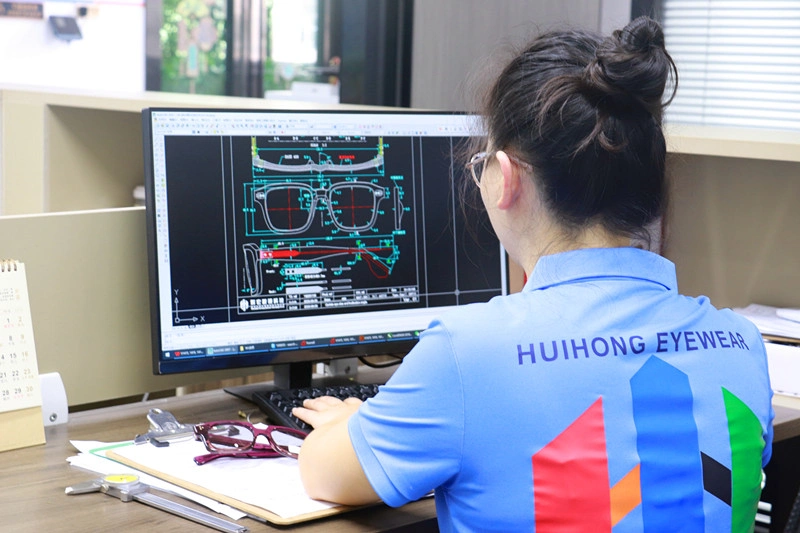
In the premium custom eyewear market, acetate lamination is a core craftsmanship that sets designer and independent brands apart from mass-market products. This guide breaks down everything custom brands need to know about laminated acetate—from its advantages and production process to design possibilities and how to select the right manufacturing partner.
What Is Acetate Lamination in Eyewear?
Acetate lamination is a specialized process where multiple thin cellulose acetate sheets (each in different colors, patterns or translucency) are fused together under controlled heat and pressure to form one solid material block.
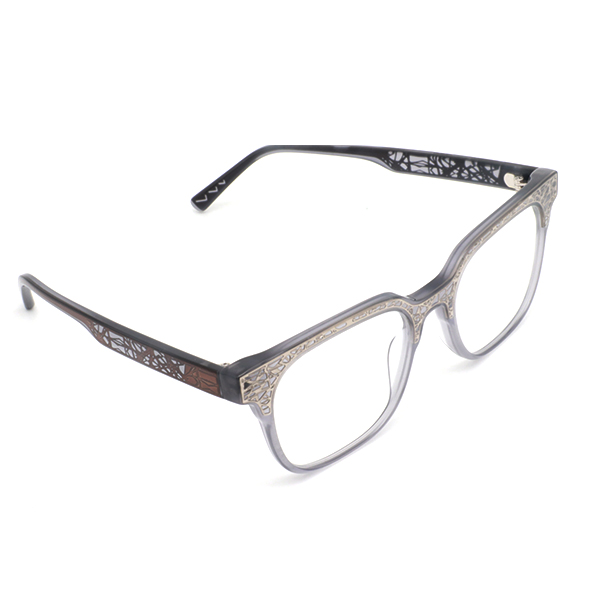
Unlike single-sheet acetate with surface-only color, laminated acetate has layered patterns running through the full thickness of the material. The result is crisp, fade-resistant edge details and visual depth that cannot be achieved with printing or coating—making it a staple for high-end custom eyewear.
Key Benefits for Custom Eyewear Brands
Exclusive design differentiation: Custom layer sequences, color combinations and textures let brands create signature aesthetics unavailable to mass-market competitors.
Improved durability: The compressed layered structure delivers better dimensional stability and impact resistance than single-sheet acetate of the same thickness, reducing warranty claims.
Higher perceived value: Laminated acetate is widely recognized as a luxury feature. It elevates product positioning and supports higher retail price points for mid-premium and designer labels.
Flexible custom production: Modern lamination supports custom material development at reasonable MOQs, ideal for independent brands launching limited collections or signature colorways.
The Acetate Lamination Process (Step-by-Step)
Material preparation: High-quality acetate sheets (sourced from premium suppliers like Mazzucchelli) are cut to size and surface-treated to ensure strong bonding.
Layer stacking: Technicians stack sheets in the exact color and texture order specified by the brand’s design.
Hot press fusion: The stack is placed in a steel mold and fused under precise temperature (110–135°C) and pressure, creating a permanent molecular bond between layers.
Controlled cooling: The block cools gradually under pressure to prevent internal stress, warping or cracking.
Planing & QC: The solid block is planed to exact thickness and inspected for bubbles, color bleeding or bonding defects.
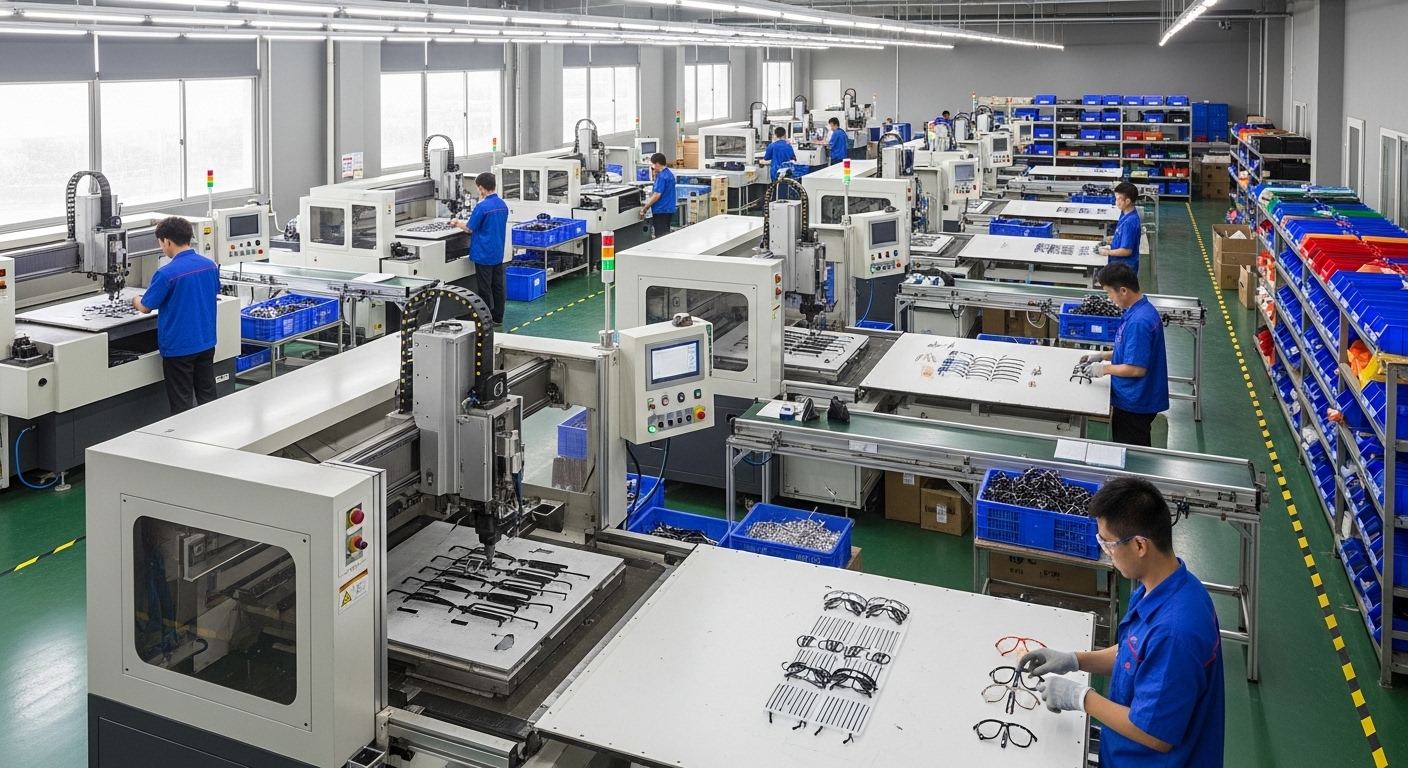
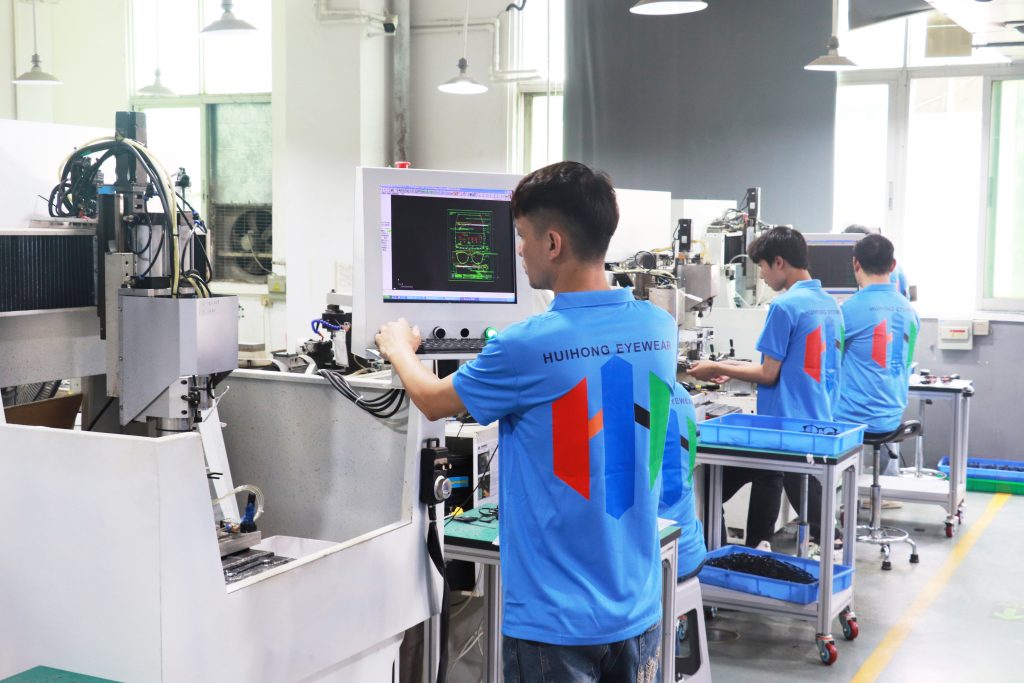
Frame manufacturing: Approved blocks are CNC-cut into frame fronts and temples, then polished and assembled to reveal clean, sharp layer lines.
Custom Design Possibilities With Laminated Acetate
Bold color blocking: Horizontal or vertical two-tone/multi-tone splits with clean edge lines
Gradient & translucent effects: Layered translucent sheets for light-catching depth and fade effects
Exclusive tortoiseshell / marble patterns: Custom-tailored textures that become brand identifiers
Subtle brand details: Embedded brand-color stripes or shaped inlays visible from frame edges
Structural reinforcement: Thicker layers at hinge and bridge zones for added strength
How to Choose the Right Lamination Manufacturing Partner
For custom eyewear brands, working with an experienced OEM/ODM partner directly determines final quality and production efficiency. Prioritize these criteria:
Proven lamination expertise: Verify cross-section samples for clean layer boundaries and zero delamination.
End-to-end custom support: Capable of assisting from concept prototyping, sample block development to bulk production.
Strict multi-stage QC: Inspection at lamination, cutting and finishing stages to ensure consistent bond strength and stability.
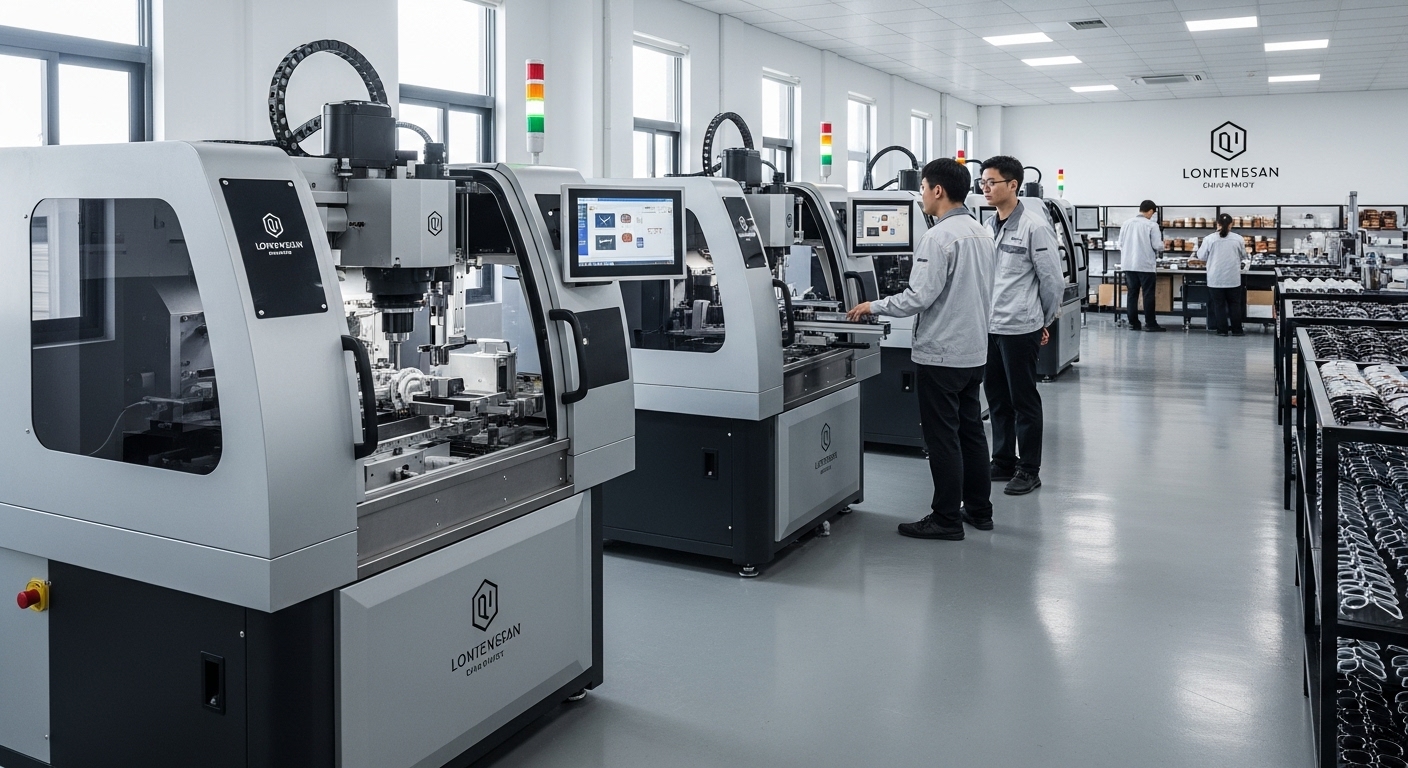
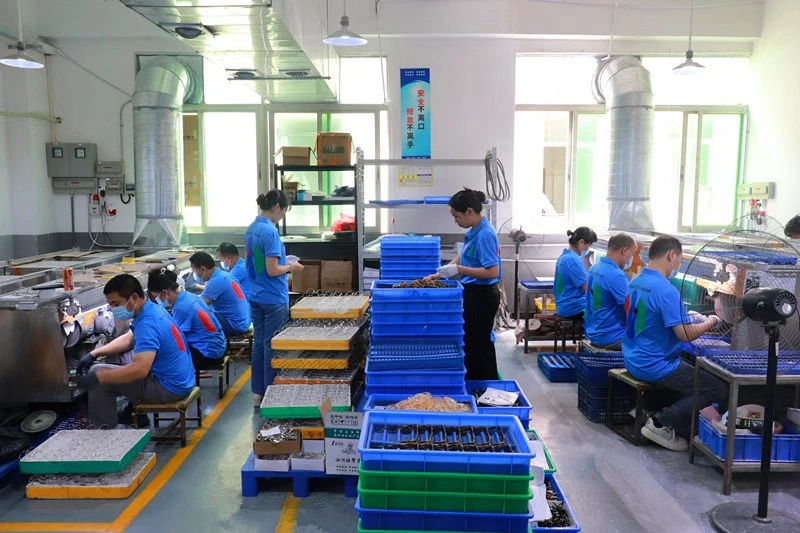
In-house integrated production: Manufacturers that handle lamination, CNC work, polishing and assembly internally deliver faster lead times and more reliable quality.
Collaborative partnership mindset: A supplier that proactively advises on design feasibility and manufacturability, not just executes orders.
At Huihong Eyewear, we specialize in custom OEM/ODM production of high-end acetate, titanium and metal eyewear for independent brands, designer labels and premium retailers worldwide. We support brands from initial concept prototyping to bulk delivery with flexibility, speed and precision. Our advanced acetate lamination capabilities and rigorous quality standards have earned long-term trust from clients across Japan, Korea, Europe and North America. We focus exclusively on custom production and do not carry ready-made stock frames.
Frequently Asked Questions
Is laminated acetate more expensive than standard acetate?
Yes, it carries a moderate premium due to extra material, labor and specialized equipment. However, the upgrade in perceived value and design uniqueness typically allows brands to command higher retail prices that offset the additional cost.
What is the lead time for custom laminated acetate?
Custom sample block development takes 2–4 weeks for approval. Full production lead times match standard acetate production once the lamination specification is finalized. Repeat orders with approved configurations have standard lead times.
Does lamination make frames heavier?
No. The material density remains the same as solid single-sheet acetate of equal total thickness. Frame weight depends on overall dimensions, thickness and design cutouts, not the lamination process itself.
Do you support small-batch custom lamination?
Yes. We offer flexible MOQs for custom laminated designs to accommodate independent brands and limited-edition collections.
Final Thoughts
Acetate lamination empowers custom eyewear brands to build recognizable, premium products that stand out in a crowded market. The key to success is partnering with a manufacturer that masters lamination as a craft, not just a production step.
If you are ready to develop custom laminated acetate eyewear for your brand, reach out to Huihong Eyewear for a consultation and sample evaluation.