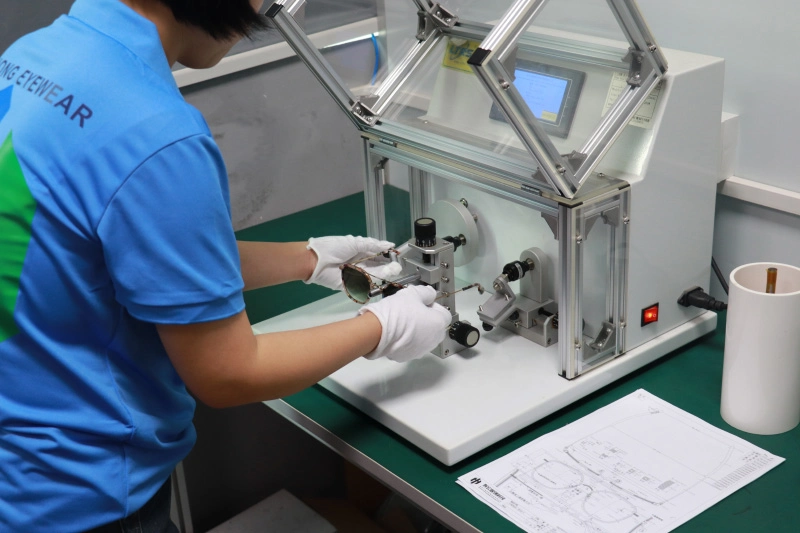
Introduction: Why Supply Chain Resilience Matters More Than Ever
In today’s rapidly shifting global marketplace, eyewear brands face unprecedented volatility. From tariff fluctuations and raw material price spikes to geopolitical uncertainties and shifting consumer demands, the challenges to maintaining a stable supply chain have multiplied dramatically. For premium eyewear brands—whether independent labels, designer collections, or high-end retailers—a single disruption can derail product launches, erode customer trust, and squeeze already tight margins.
The global eyewear industry continues to expand, driven by rising visual health awareness and the growing role of eyewear as a fashion statement. Yet this growth comes with complexity. Acetate shortages, titanium supply constraints, and metal material price volatility have become recurring pain points. Brands that once relied on single-source suppliers or rigid production models now find themselves exposed to significant risk.
This guide breaks down the core strategies for building a resilient eyewear supply chain that can withstand market shocks while maintaining the quality and craftsmanship that premium brands demand.
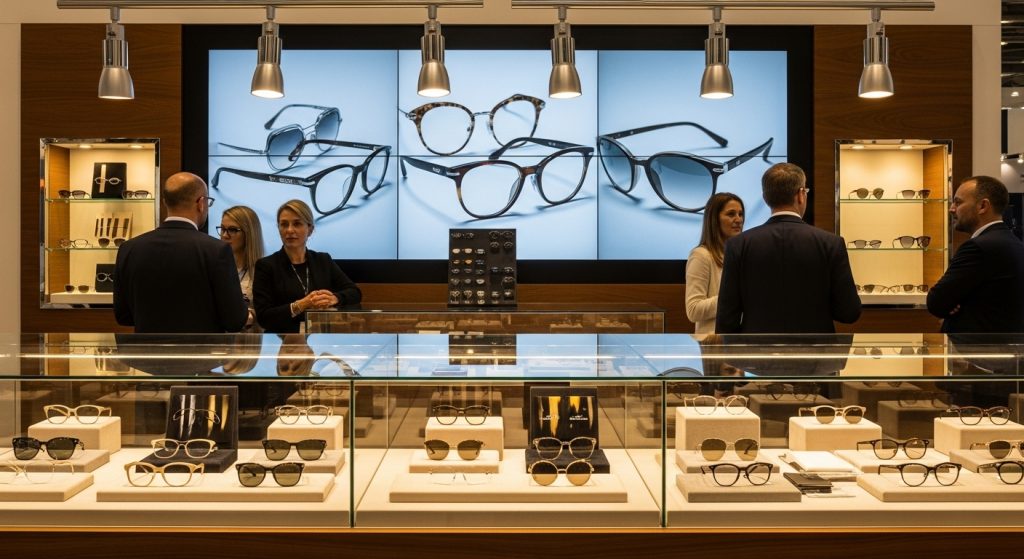
The Core Challenges Facing Modern Eyewear Supply Chains
Before building resilience, it is critical to understand the specific vulnerabilities in the eyewear manufacturing ecosystem.
1. Raw Material Volatility
Acetate, titanium, and premium metal alloys—the foundational materials for high-quality frames—are subject to global supply and price fluctuations. Acetate production is concentrated in a handful of suppliers, primarily in Europe and Asia, making the entire chain sensitive to regional disruptions. Titanium, meanwhile, is tied to aerospace and industrial demand cycles that can shift pricing and availability overnight.
2. Trade Policy & Tariff Uncertainty
Shifting trade policies, tariff adjustments, and cross-border regulatory changes have created ongoing uncertainty for brands sourcing from Asia. Brands heavily dependent on a single manufacturing region face sudden cost increases that cannot always be passed to consumers.
3. Inflexible Production Models
Many traditional eyewear factories operate on large-batch, long-lead-time models that work against today’s fast-moving market. When consumer trends shift or demand forecasts change, brands are left with excess inventory of outdated styles or costly stockouts of popular frames.
4. Quality Consistency Across Runs
For premium brands, quality is non-negotiable. Yet scaling production while maintaining consistent craftsmanship—especially with hand-finished acetate frames or precision titanium components—remains one of the industry’s greatest challenges. A single quality issue in a bulk shipment can damage brand reputation irreparably.
Six Pillars of a Resilient Eyewear Supply Chain
Building resilience is not about eliminating risk—it is about structuring your supply chain to absorb shocks, adapt quickly, and recover fast. Here are the six foundational strategies:
Pillar 1: Diversify Your Manufacturing Partner Base (But Not at the Cost of Quality)
Diversification is the first line of defense against disruption, but indiscriminate diversification can introduce quality risks. The goal is to build a core + secondary supplier network:
Primary strategic partner: A trusted manufacturer that handles the majority of your production, knows your brand standards intimately, and offers consistent quality.
Secondary capability partners: One or two additional manufacturers with complementary strengths—for example, one specializing in acetate frames and another in titanium, or one with faster turnaround for reorders.
For premium brands, the mistake is not diversification itself but chasing lowest-cost suppliers that cannot match your quality bar. Resilience means having alternatives that you have already audited, tested, and qualified—so that if your primary line is disrupted, you can shift production without re-engineering your entire quality process.
Pillar 2: Adopt Flexible, Low-Volume High-Mix Production Capabilities
The era of massive bulk orders with six-month lead times is fading. Modern premium eyewear brands need supply chains that support:
Small initial production runs to test new designs
Fast reorder cycles for top-performing SKUs
Custom and limited-edition drops without prohibitive setup costs
A manufacturer with strong low-volume, high-quality custom production capability acts as a shock absorber. When market demand shifts, you can adjust order quantities, introduce new styles quickly, and avoid the inventory bloat that comes with over-forecasting. This agility directly translates to stronger cash flow and fresher product assortments.
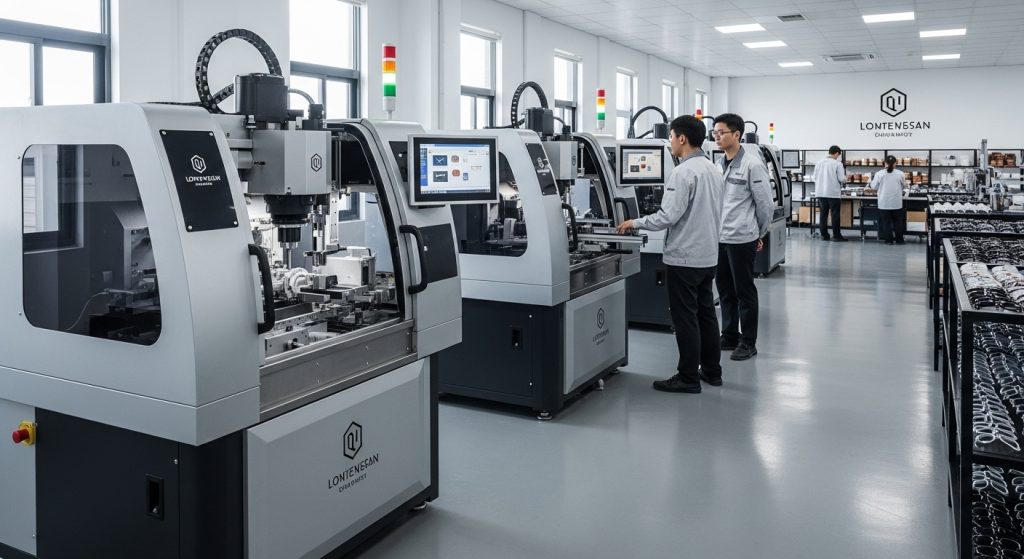
Pillar 3: Secure Material Sourcing Transparency & Strategic Stockpiles
Resilient supply chains start upstream. Work with manufacturers that maintain transparent, multi-sourced material supply chains for acetate, titanium, and metal components.
Key actions:
Map your material origins: Know where your acetate sheets, titanium wire, and metal blanks come from. A manufacturer that sources from only one supplier is a single point of failure.
Strategic safety stock: For your core, long-running styles, maintain a buffer of raw materials at your manufacturing partner. This costs far less than finished goods inventory and lets you restart production immediately after a disruption.
Material substitution planning: Pre-qualify alternative materials that meet your quality standards. For example, having a secondary acetate supplier pre-approved can save weeks of downtime if the primary source faces delays.
Pillar 4: Shorten Lead Times Through End-to-End Integration
Long lead times amplify risk. The more steps between concept and delivery, the more points where something can go wrong.
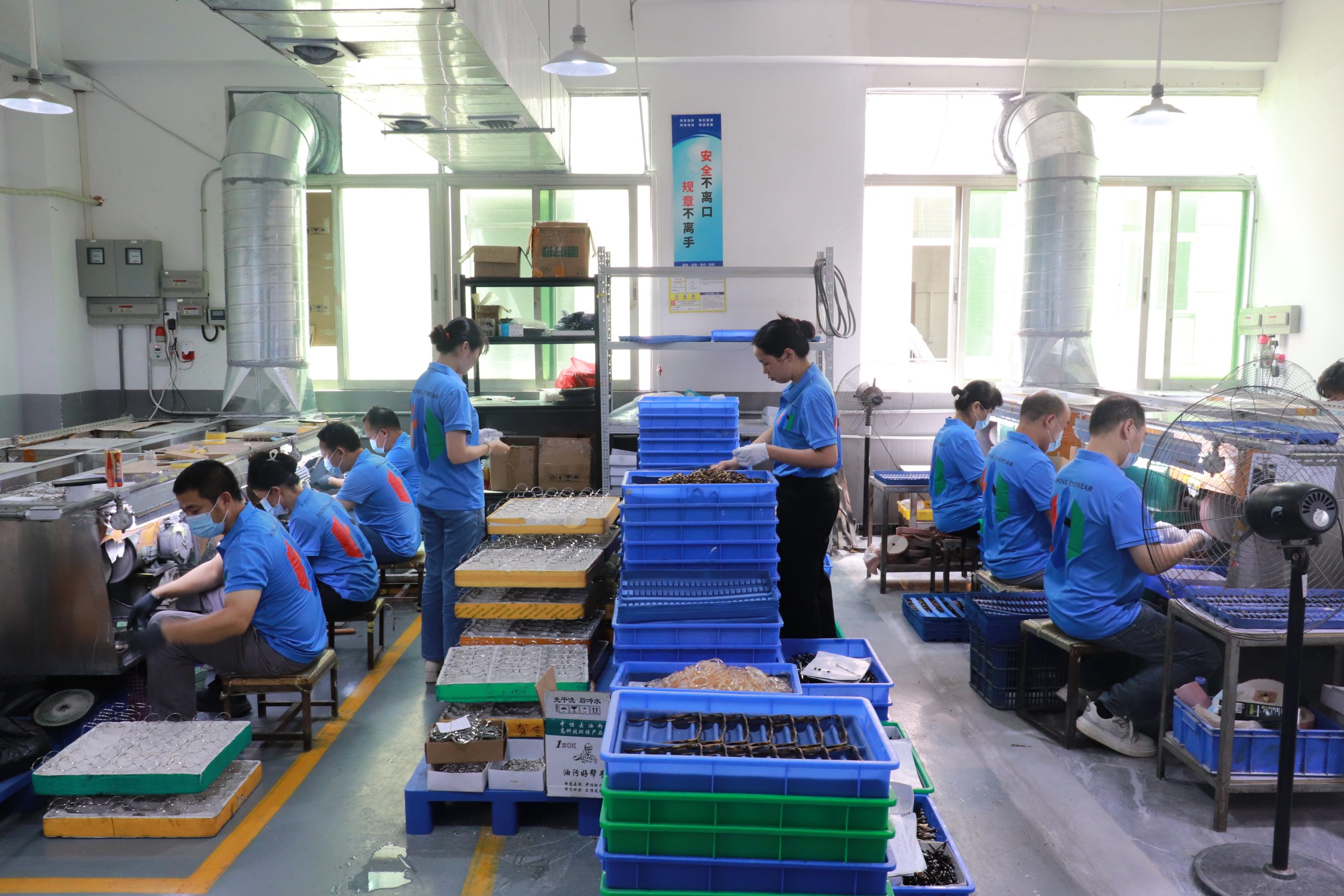
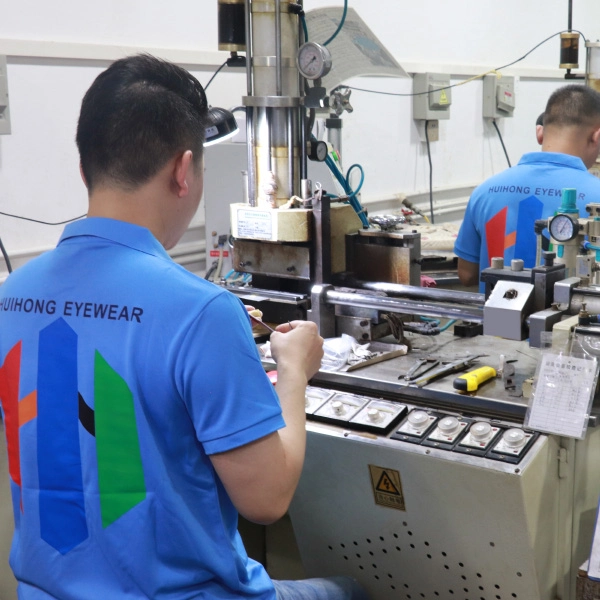
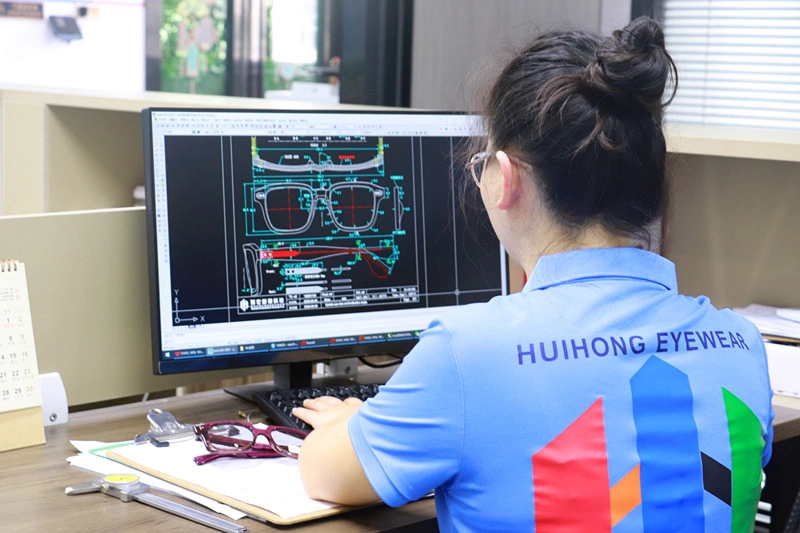
Look for manufacturing partners that offer full vertical integration—from design and prototyping through tooling, production, finishing, and quality control. When every step happens under one roof (or within a tightly coordinated ecosystem), you gain:
Faster prototype cycles (days instead of weeks)
Real-time visibility into production status
Quicker resolution of quality issues
Shorter overall lead times from order to delivery
Shenzhen’s eyewear manufacturing cluster, for instance, benefits from a dense supply chain ecosystem where components, tooling, and finishing services are all within close proximity, enabling “one-hour procurement, one-day trial production” efficiency that compresses development cycles by 50% compared to traditional models.
Pillar 5: Build Quality Control Systems That Scale With You
Resilience without quality is meaningless. A supply chain that survives disruption but delivers inconsistent products will still fail in the market.
Effective quality frameworks include:
Incoming material inspection: Verifying every batch of acetate, titanium, and metal meets specification before production begins
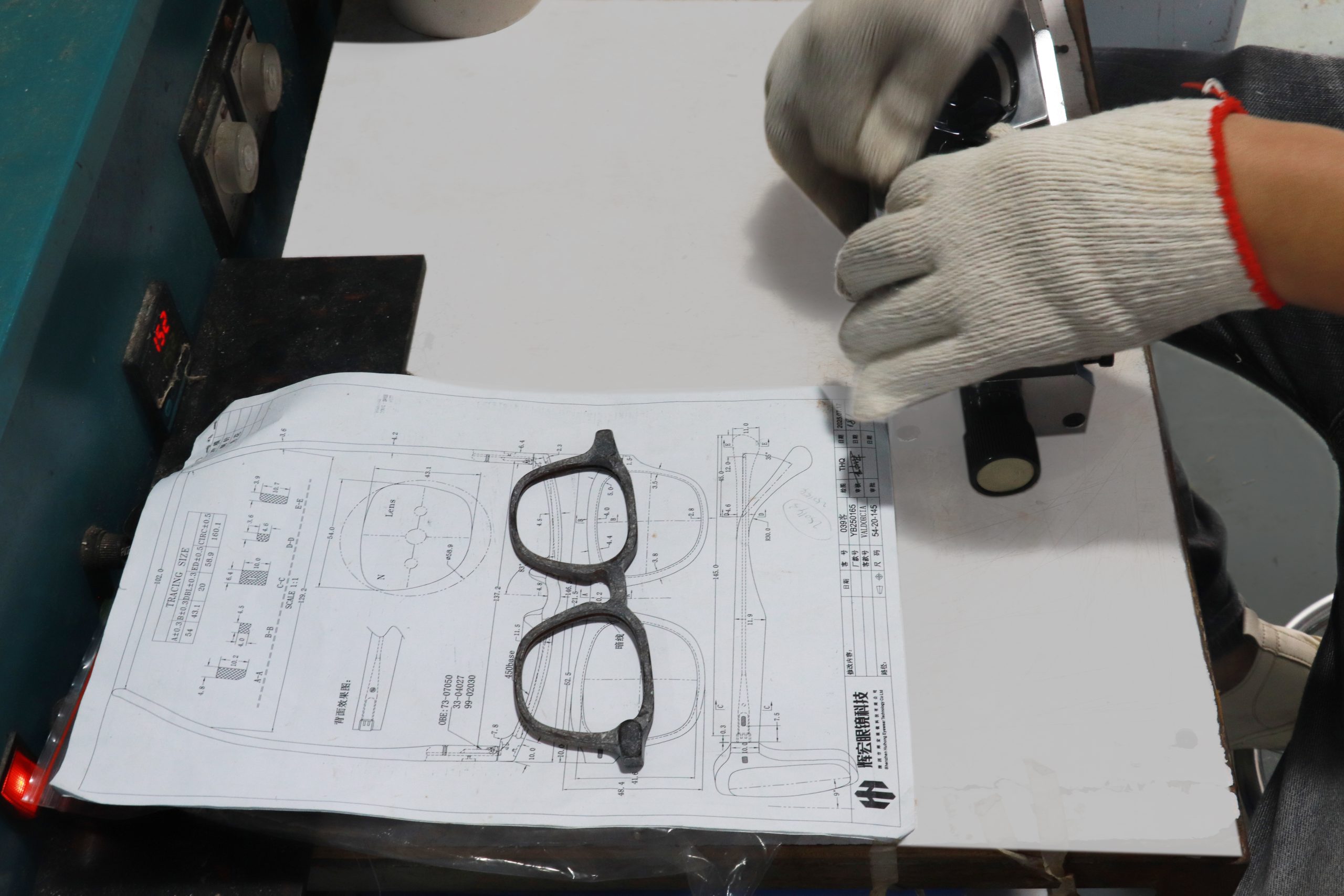
In-process checkpoints: Multiple inspection stages throughout production, not just a final check
Consistent craftsmanship standards: Documented processes, trained artisans, and regular calibration of standards between your brand and manufacturer
Defect tracking and root-cause analysis: A system for identifying recurring issues and eliminating them at the source
For brands working with multiple manufacturers, maintaining a unified quality standard is essential. Your primary manufacturing partner should be able to serve as the quality benchmark for your entire network.
Pillar 6: Establish Long-Term Partnerships Over Transactional Relationships
The most resilient supply chains are built on trust, not just contracts. In volatile times, a manufacturer that views you as a strategic partner will prioritize your orders, share market intelligence, and work with you through challenges—rather than treating you as just another account.
Signs of a true partnership:
The manufacturer invests time in understanding your brand identity and market positioning
They proactively suggest material innovations, process improvements, or cost-saving ideas
Communication is direct, transparent, and solution-oriented
They support your growth with flexible terms as you scale
Brands across Japan, Korea, Europe, and North America increasingly return to trusted manufacturers not only for quality, but for reliability and shared values—creating a mutually reinforcing ecosystem that weathers market storms better than transactional buyer-supplier dynamics.
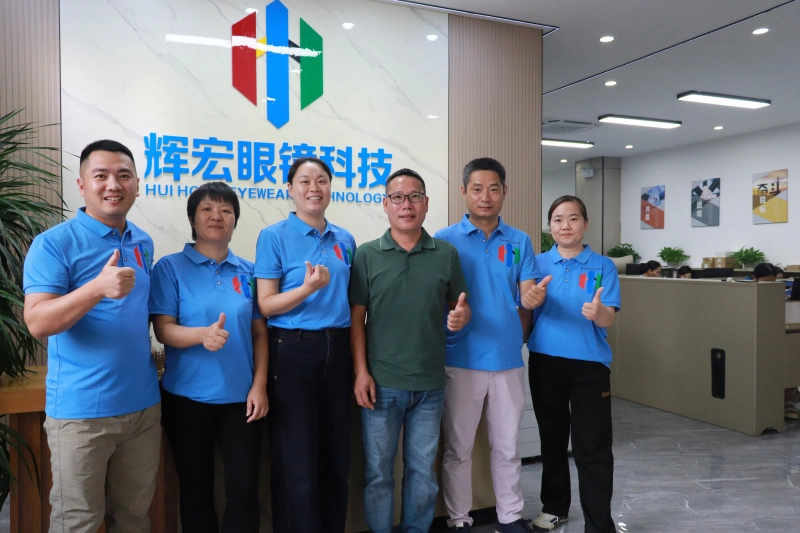
How to Evaluate an Eyewear Manufacturing Partner for Resilience
When vetting potential manufacturing partners, look beyond price and capacity. Ask these targeted questions:
Material sourcing: Where do you source acetate, titanium, and metal components? How many alternative suppliers do you have for each core material?
Production flexibility: What is your minimum order quantity for custom designs? How quickly can you scale up a reorder for an existing style?
Prototyping speed: How long does it take to go from design file to physical sample? Do you offer in-house design and engineering support?
Quality systems: What certifications do you hold? Walk me through your inspection process from raw material to finished goods.
Communication & visibility: How will we track production status? Who is our dedicated point of contact?
Risk management: How have you handled past disruptions—whether material shortages, shipping delays, or regulatory changes?
Conclusion: Resilience as a Competitive Advantage
In a volatile market, supply chain resilience is no longer a back-office concern—it is a core competitive differentiator. Brands that can consistently deliver high-quality products on time, even when the market shifts, earn lasting customer loyalty and outperform competitors that struggle with disruptions.
The path to resilience is not about over-engineering every possible risk. It is about:
Partnering with manufacturers that combine craftsmanship with flexibility
Building a diversified but quality-vetted supplier network
Gaining transparency into your upstream material supply
Fostering long-term partnerships built on trust and shared standards
About Shenzhen Huihong Eyewear Technology Co., Ltd.
Huihong Eyewear is a specialized manufacturer dedicated to the design, development, and OEM/ODM production of high-end eyewear. Since our founding, we have collaborated with independent brands, designer labels, and premium retailers worldwide—bringing unique eyewear visions to life through exceptional craftsmanship and reliable service.
We specialize in acetate, titanium, and metal frames, with a strong capability in low-volume, high-quality custom production. From concept prototyping to bulk delivery, we support brands through every step of the journey—with flexibility, speed, and precision.
Our clients span Japan, Korea, Europe, and North America, many of whom return to us not just for quality, but for trust and shared value. If you are looking to strengthen your supply chain resilience while upholding premium quality standards, we welcome the opportunity to discuss how our manufacturing capabilities can support your brand.