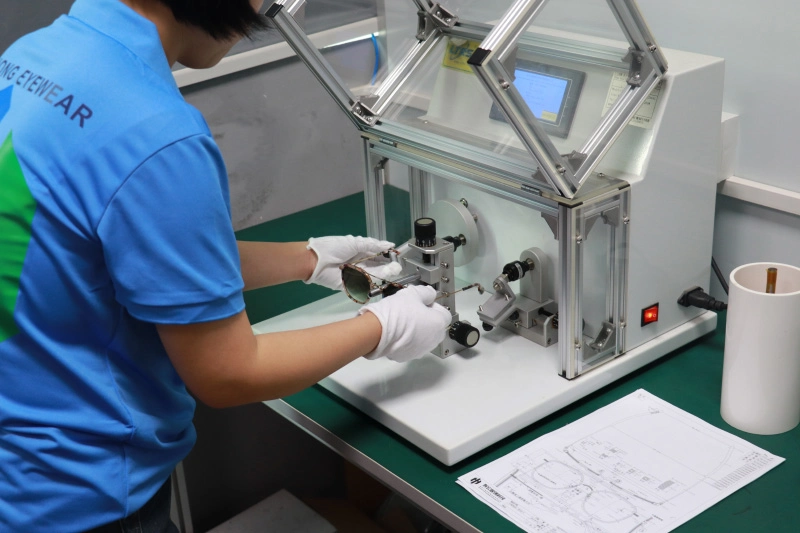
Launching a direct-to-consumer (DTC) sunglasses brand is an exciting venture—but your success hinges on one critical decision: partnering with the right manufacturer. The wrong supplier can lead to quality issues, delayed shipments, and damaged brand reputation, while the right one becomes a long-term strategic partner that grows with your business.
In this guide, we break down everything you need to know about selecting a sunglasses manufacturer that aligns with your brand vision, quality standards, and business scale. Whether you’re a startup testing your first collection or an established brand scaling production, these actionable criteria will help you make an informed choice.
Step 1: Define Your Requirements Before You Start Searching
Before reaching out to any manufacturer, clarify your own needs first. This filters out mismatched suppliers early and saves you valuable time.
Know Your Product Positioning
Are you building an affordable everyday line, a premium fashion brand, or a luxury designer label? Your price point and target audience directly determine the level of craftsmanship, materials, and service you need from a manufacturer.
Specify Material Preferences
Sunglasses frames come in three primary material categories, each requiring different manufacturing expertise:
Acetate: The most popular premium material, known for rich colors, durability, and hypoallergenic properties. Requires skilled hand-polishing and finishing.
Titanium: Ultra-lightweight, corrosion-resistant, and premium-priced. Demands precision engineering and specialized welding techniques.
Metal (stainless steel, monel): Sleek, lightweight, and cost-effective. Requires expertise in plating, soldering, and hinge assembly.
Determine Your Order Volume
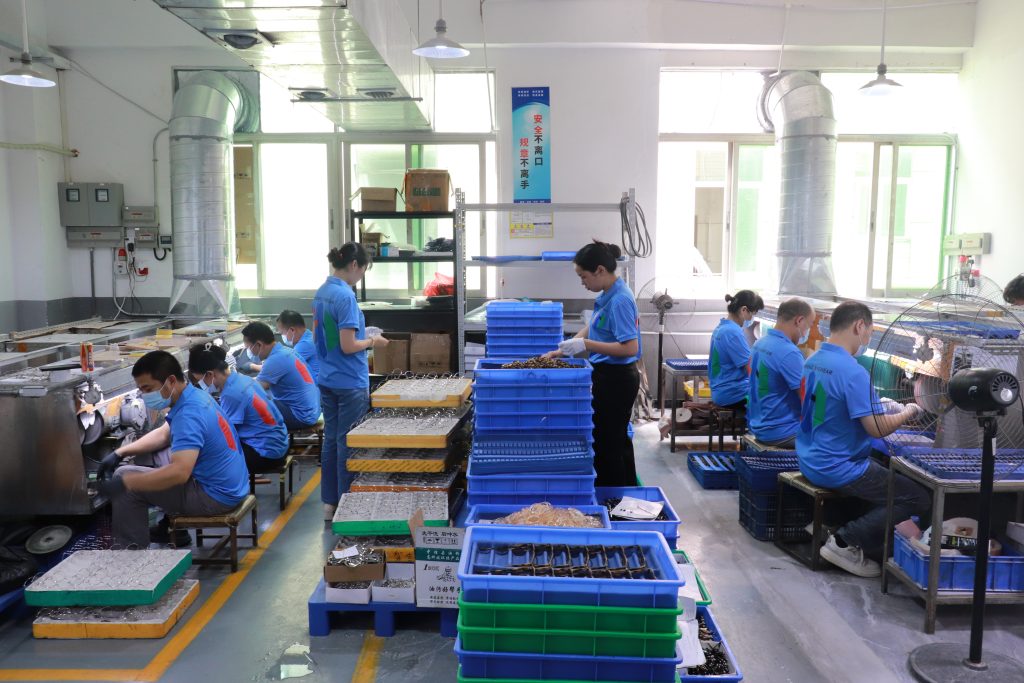
MOQ (Minimum Order Quantity) varies dramatically across manufacturers. Large factories often require 500+ pieces per style, while boutique manufacturers specialize in low-volume, high-quality production starting at 50–100 pieces per model. For DTC brands—especially new ones—flexible MOQs are essential for testing designs without overstocking.
Identify Your Target Market Compliance
Different regions have specific regulatory requirements:
EU market: CE certification, REACH compliance for materials
US market: FDA drop-ball test certification
Global standards: ISO 9001 quality management, BSCI social compliance
Ensure your manufacturer can provide the necessary documentation for your sales regions.
Step 2: Evaluate Manufacturers Across 6 Core Criteria
Not all sunglasses manufacturers are created equal. Assess each candidate against these six dimensions to find your ideal match.
1. Specialization & Craft Expertise
General eyewear factories exist, but specialists deliver superior results. Look for manufacturers that focus specifically on the materials and styles you want to produce. For example, a factory experienced in acetate frame production will have better hand-finishing skills, more color material options, and tighter quality control for that material category.
Red flag: A manufacturer claims to “do everything” from plastic reading glasses to luxury titanium frames but cannot show deep expertise in any single category.
2. OEM/ODM & Customization Capabilities
DTC brands thrive on unique design identity. Your manufacturer should support more than just logo printing. Strong ODM capabilities mean they can:
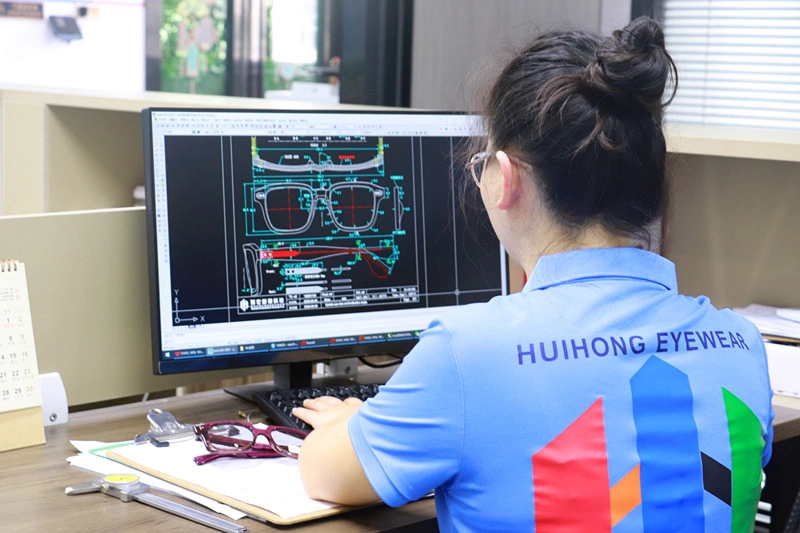
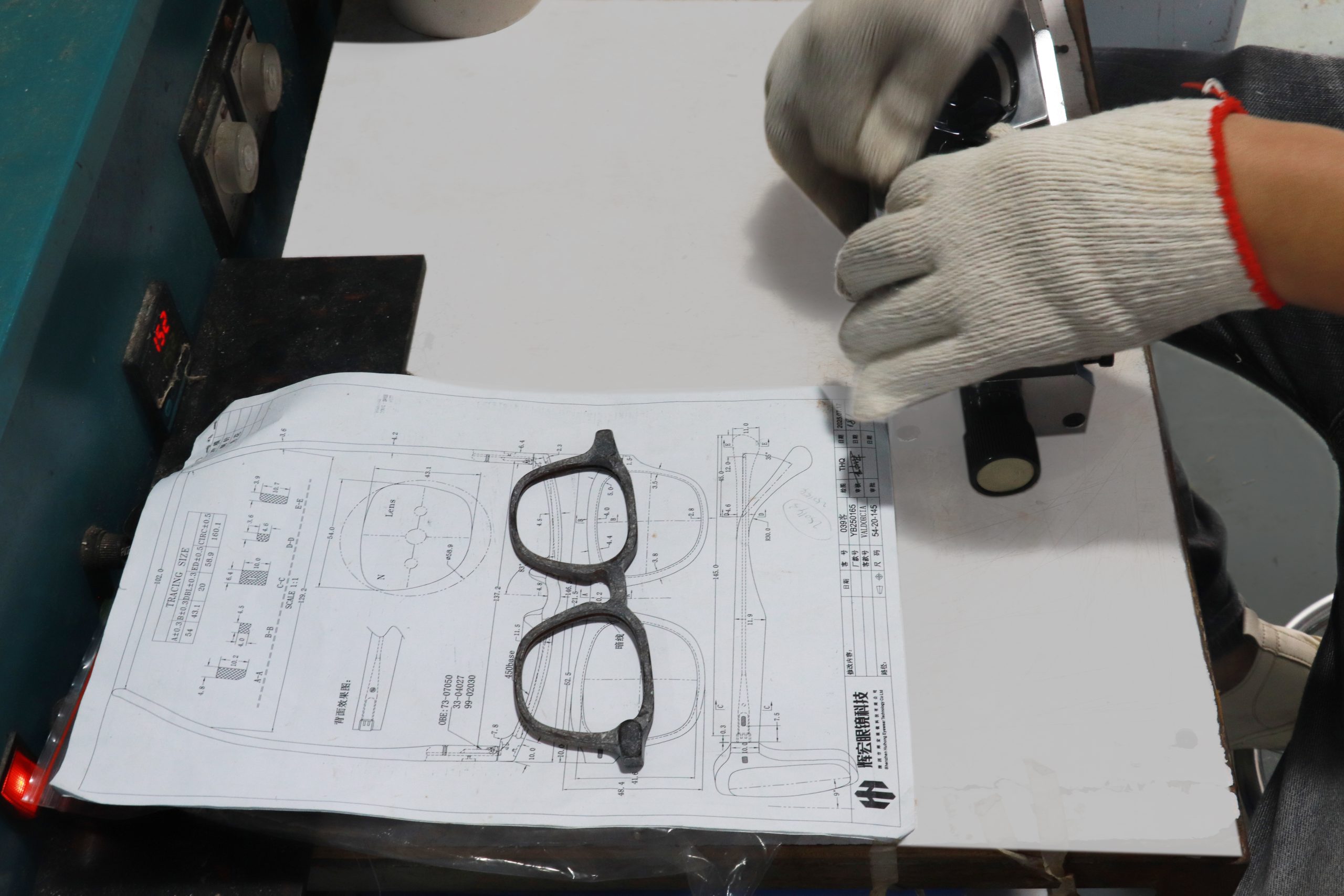
Translate your sketches or reference images into technical drawings
Create custom molds for exclusive frame shapes
Match custom Pantone colors for frames and lenses
Offer custom packaging, engraving, and branding details
Provide prototype samples before mass production
Full-service partners guide you from concept to delivery, handling design optimization, material selection, and production feasibility along the way.
3. Quality Control System
Quality inconsistencies are the fastest way to kill a DTC brand’s reputation. Ask manufacturers about their QC process at every stage:
Incoming material inspection (IQC): Verifying raw material specifications
In-process quality control (IPQC): Checking at key production stages
Final quality control (FQC): 100% inspection before packaging
Outgoing quality control (OQC): Random sampling per AQL standards
Reputable manufacturers will openly share their inspection checklists, defect rate data, and quality guarantee policies.
4. Supply Chain & Delivery Reliability
In the DTC world, missing a launch window or running out of stock costs real revenue. Evaluate:
Standard lead times for sampling and bulk production
Whether they maintain safety stock of common materials
How they handle rush orders or reorders
Their logistics partnerships and shipping flexibility
Track record of on-time delivery
A manufacturer with transparent production scheduling and regular order updates gives you the visibility you need to plan your marketing and inventory.
5. Communication & Responsiveness
Time zone differences and language barriers can derail projects. Pay attention to:
How quickly they respond to your initial inquiries
Whether they have English-speaking project managers
Their preferred communication channels (email, WhatsApp, video calls)
Whether they proactively update you on production progress
How they handle questions or issues during the process
You want a partner that treats your brand like a priority—not just another order number.
6. Industry Reputation & Client Portfolio
A manufacturer’s past clients speak volumes about their capabilities. Look for:
Brands they’ve worked with (especially DTC or designer labels)
Client testimonials and case studies
How long they’ve been in business
Whether clients return for repeat orders
Long-term partnerships are a strong signal of consistent quality and reliable service.
Step 3: Avoid These Common Sourcing Pitfalls
Many DTC founders learn these lessons the hard way. Watch for these warning signs:
Trap 1: Choosing Based Only on Price
The cheapest quote almost always comes with hidden costs—inferior materials, skipped QC steps, delayed delivery, or unexpected fees. Budget-friendly is good; suspiciously cheap is not. Quality defects and returns will cost you far more than the initial savings.
Trap 2: Falling for “Showroom Factories”
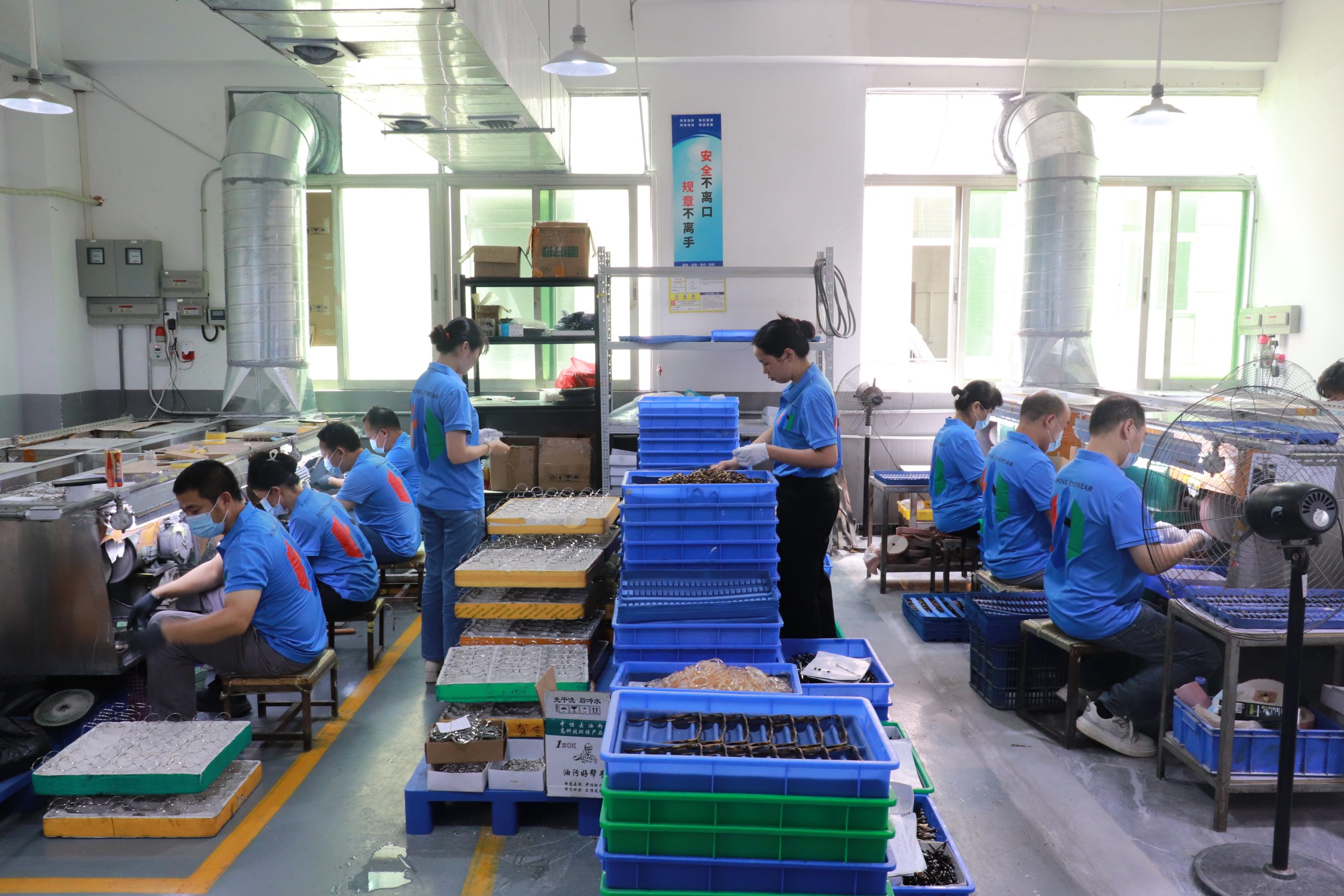
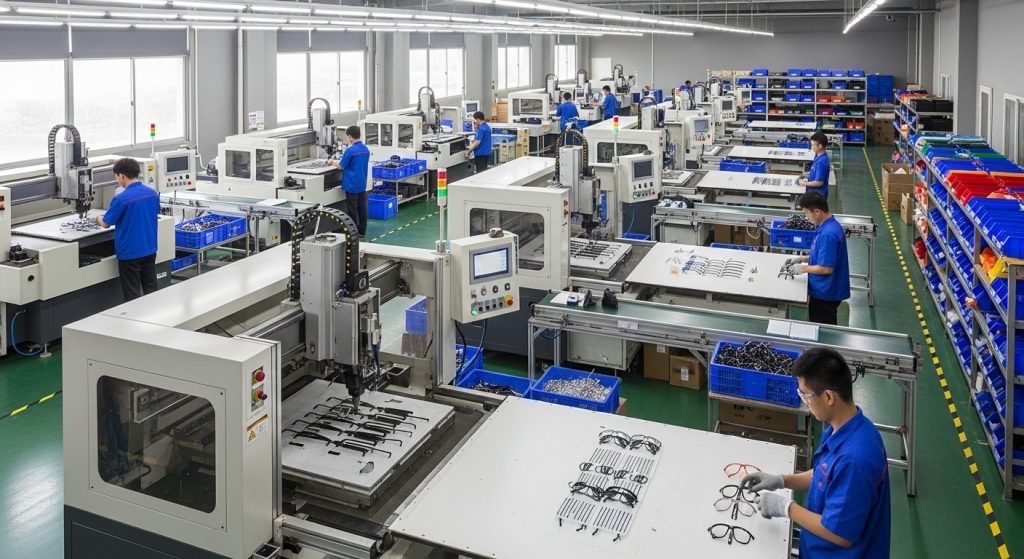
Some suppliers invest heavily in fancy showrooms but outsource production to unknown workshops. Always request a live video tour of the actual production floor, not just the sample room. Look for organized workstations, proper equipment, and active production lines.
Trap 3: Great Samples, Poor Mass Production
Some factories excel at hand-making a few perfect samples but cannot replicate that quality at scale. Always follow up sample approval with a small trial batch before committing to a large order.
Trap 4: Vague Contracts & No IP Protection
Your designs are your brand’s most valuable asset. Ensure the manufacturer has clear confidentiality agreements and respects intellectual property rights. Avoid partners that sell your designs to other clients or copy them for their own catalog.
Step 4: Validate with a Test Order
The best way to evaluate a manufacturer is to work with them on a small scale first. We recommend a three-stage validation process:
Sample stage – Order 1–3 prototype pieces. Assess material quality, craftsmanship, accuracy to your specifications, and packaging. Note the sampling time and communication throughout.
Pilot batch – Place a small order (50–100 pieces). Evaluate production consistency, packing quality, delivery time, and how they handle any issues that arise.
Full production – Only after successful pilot batches should you commit to larger order volumes.
This approach minimizes risk and builds trust on both sides.
Why DTC Brands Choose Specialized Eyewear Manufacturers
For DTC brands targeting the premium segment, working with a specialized manufacturer rather than a large mass-production factory offers clear advantages: deeper material expertise, more flexible MOQs, closer collaboration on design, and greater attention to detail per unit.
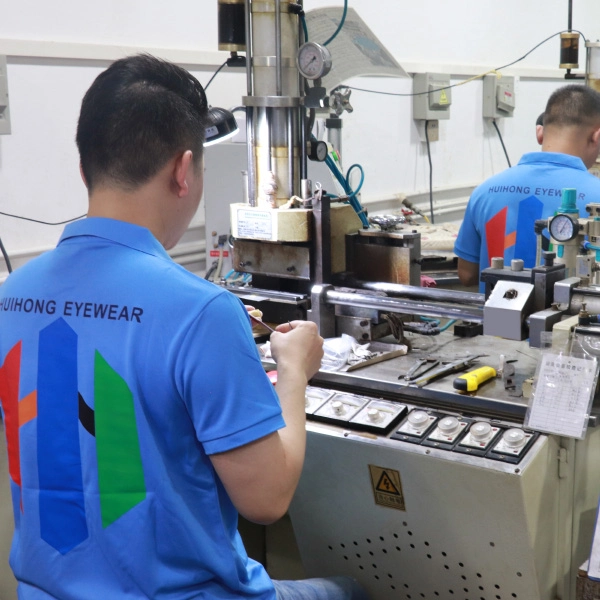
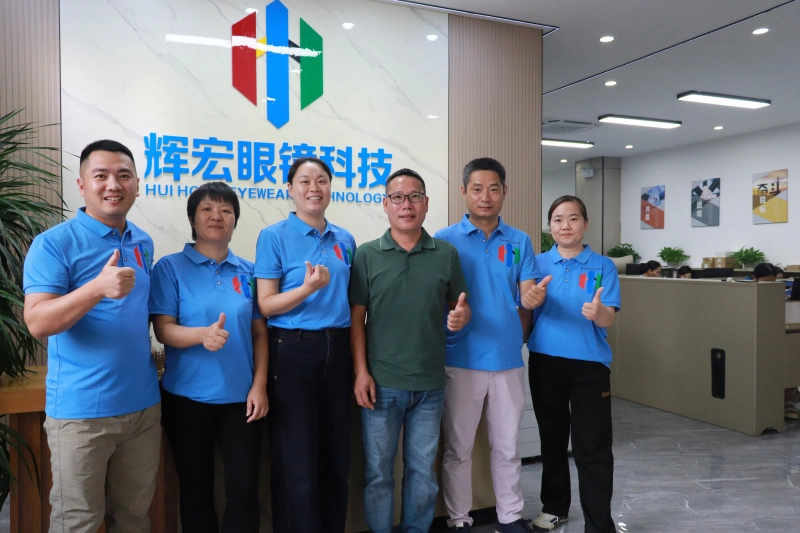
At Shenzhen Huihong Eyewear Technology Co., Ltd., we work exclusively with independent brands, designer labels, and premium retailers worldwide to bring unique eyewear visions to life. Specializing in acetate, titanium, and metal frames, we support low-volume, high-quality custom production from concept prototyping to bulk delivery—with flexibility, speed, and precision at every step.
Our clients span Japan, Korea, Europe, and North America, and many return to us not just for quality, but for trust and shared values. If you’re building a DTC sunglasses brand that prioritizes craftsmanship and reliable partnership, we’d welcome the chance to discuss your project.
Final Thoughts
Selecting a sunglasses manufacturer is more than a sourcing decision—it’s choosing a partner that will directly impact your product quality, customer satisfaction, and brand growth. Take the time to define your needs, evaluate candidates thoroughly, and validate with test orders. The right manufacturing partner won’t just produce your products; they’ll help you build a stronger, more successful brand.
Ready to explore what a specialized eyewear manufacturer can do for your DTC brand? Reach out to our team to discuss your collection vision.