The global eyewear market is projected to exceed USD 160 billion in 2025, with continued growth driven by innovation, sustainability, and rising consumer demand for quality vision care products. For brands looking to enter or expand within this dynamic industry, partnering with the right glasses manufacturing company is not just a procurement decision—it is a strategic foundation for success.
This guide explores everything you need to know about professional eyewear manufacturing, from OEM/ODM capabilities and material selection to production processes and quality standards.
Understanding OEM and ODM in Eyewear Manufacturing
Before evaluating any glasses manufacturing company, it is essential to understand the two primary service models available.
OEM (Original Equipment Manufacturing) means you provide complete designs, technical specifications, and branding guidelines; the manufacturer produces exactly to your blueprints under your brand name. This model is ideal for brands with established in-house design teams and clear product specifications.
ODM (Original Design Manufacturing) involves a more comprehensive partnership. The manufacturer takes your concepts—whether sketches, reference images, or samples—and handles the full development process, from design refinement and engineering to prototyping and production. ODM is particularly valuable for emerging brands that need design expertise alongside manufacturing capabilities.
A professional eyewear manufacturer typically offers end-to-end support covering product design and development, raw material sourcing, production, quality control, packaging, and delivery.
Critical Frame Materials: What You Need to Know
The choice of frame material directly impacts product quality, cost, comfort, and brand positioning. Here are the most important material systems in optical eyewear manufacturing:
Acetate – The mainstream choice for high-end fashion brands. Acetate is derived from cellulose (wood pulp or cotton fibers) combined with plasticizers, making it strong, lightweight, and hypoallergenic. It offers rich color possibilities, natural textures, and can be laminated to create patterns and gradients. A single pair of acetate frames can involve over 60 manufacturing steps.
Titanium – The premium lightweight material. Titanium frames are ultralight, corrosion-resistant, hypoallergenic, and highly flexible while maintaining exceptional strength. This makes them ideal for high-end optical lines targeting consumers who prioritize comfort and durability.
Stainless Steel – A balanced option offering durability at a more accessible price point. Stainless steel frames are lightweight, resistant to rust and discoloration, and allow for ultra-thin profile designs.
TR90 – A high-toughness injection molding material known for its flexibility and impact resistance. It is drop-resistant, non-deformable, and highly cost-effective for mass production, making it popular for children’s eyewear and sports frames.
Ultem – A high-performance engineering material offering ultralight weight, high temperature resistance, and exceptional toughness. It is ideal for sports eyewear and frames that undergo repeated bending or heavy use.
The Eyewear Manufacturing Process: From Concept to Completion
A professional glasses manufacturing company follows a structured development journey. While specific steps may vary by product type and customization level, the core process typically includes:
1. Concept Development & Design Consultation – Translating your brand vision into manufacturable designs. This stage involves discussions about target demographics, price positioning, and aesthetic preferences, with professional partners offering insights into trending styles and emerging materials.
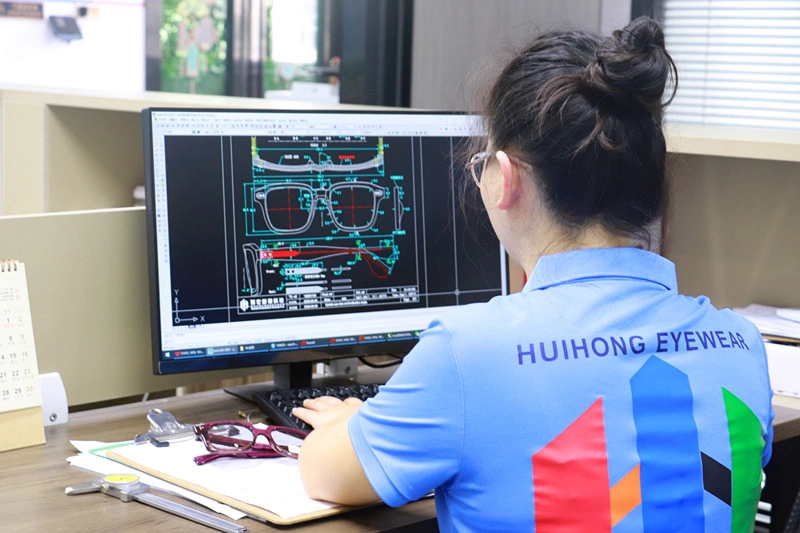
2. Technical Drawing & Engineering – Approved concepts are transformed into precise technical specifications using CAD/CAM software. This addresses critical engineering considerations including structural integrity, hinge mechanisms, nose pad ergonomics, and temple flexibility.
3. Prototype Development & Iteration – Physical prototypes allow for hands-on evaluation of fit, weight, aesthetics, and functionality. Modern facilities utilize both rapid prototyping technologies (3D printing) for initial concepts and traditional tooling for production-representative samples.
4. Material Sourcing & Component Manufacturing – Quality eyewear begins with quality materials. Established manufacturers maintain relationships with certified material suppliers, ensuring consistent access to premium acetates, medical-grade metals, and specialized components.
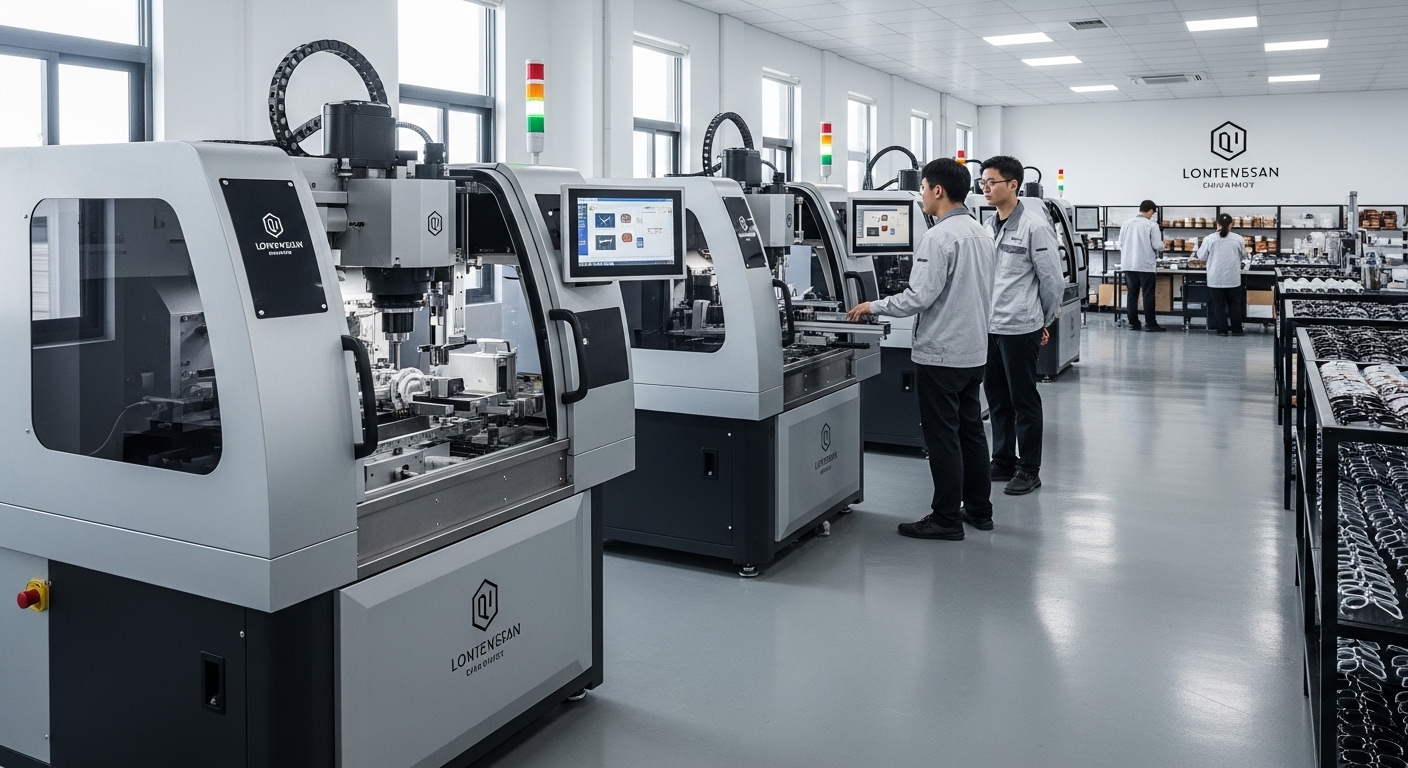
5. Production & Assembly – Depending on the frame type, this involves injection molding (for TR90 and other thermoplastic materials), CNC cutting and milling (for acetate), or metal forming and precision welding (for titanium and stainless steel).
6. Finishing & Quality Control – Frames undergo surface treatment, polishing, hinge assembly, and rigorous inspection against international standards including ISO 12870, ANSI Z80.3, and EN 1836.
Quality Standards and Compliance
For brands targeting international markets, compliance with recognized quality standards is non-negotiable. A reputable glasses manufacturing company should demonstrate adherence to:
ISO 12870 – Specifies requirements for ophthalmic frames, including durability, dimensional accuracy, and labeling
ANSI Z80.3 – U.S. safety standards for ophthalmic lenses and frames
EN 1836 – European standards for eyewear safety
FDA compliance – Required for eyewear entering the U.S. market
Professional manufacturers typically maintain ISO 9001 certification for quality management systems and implement AQL (Acceptance Quality Limit) inspection protocols to ensure product consistency.

Industry Trends Shaping Eyewear Manufacturing
Staying ahead in the eyewear industry requires awareness of key trends. According to recent industry analysis, the optical industry in 2025 is defined by:
Sustainability – Eco-conscious consumers are driving demand for biodegradable acetates, recycled metals, and waterless lens coatings. More than 61% of consumers actively try to have a positive impact on the environment.
Smart Eyewear – The smart eyewear market is projected to reach USD 10.42 billion by 2030, with brands successfully integrating augmented reality and health-tracking capabilities into fashionable frames.
Blue Light Protection – With increased screen time, demand for blue-light filtering lenses continues to rise, with the market showing promising growth through 2030.
Health and Purpose – Consumers are increasingly drawn to products that contribute to long-term health, including myopia control products positioned as preventative health tools.
How to Choose the Right Glasses Manufacturing Partner
Selecting the right partner goes beyond price comparisons—it requires assessing operational capacity, reliability, and long-term partnership potential. Key evaluation criteria include:
Technical & Production Capabilities – Look for manufacturers with proven experience in your product category. Ask for portfolios showcasing previous collaborations and verify their ability to handle your specific material and design requirements.
Quality Assurance Systems – Verify that the manufacturer maintains documented quality control processes, including incoming material inspection, in-process checks, and final product testing.
Certifications and Compliance – Ensure the facility holds relevant certifications (ISO 9001, CE, FDA compliance) and can meet the regulatory requirements of your target markets.
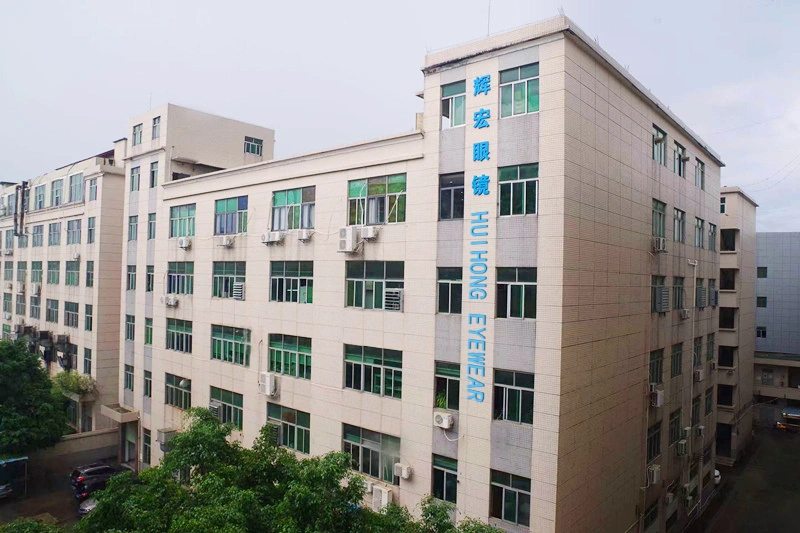
Operational Scale – Facilities exceeding 2,000 m² with dedicated R&D, molding, polishing, and QC departments typically offer greater scalability and stability.
Communication and Responsiveness – Response time within 4 hours indicates strong customer service and coordination capability.
Final Thoughts
The eyewear industry offers immense opportunity for brands that partner with the right manufacturing company. Whether you are launching a new label or expanding an established line, understanding OEM/ODM capabilities, material options, production processes, and quality standards is essential to making informed decisions.
A professional glasses manufacturing company does more than produce frames—it transforms your vision into market-ready products while you focus on building your brand. By prioritizing quality, compliance, and innovation in your manufacturing partnership, you position your brand for sustainable growth in this dynamic and expanding market.