Choosing the right OEM manufacturing partner is one of the most critical decisions an eyewear brand will make. Your factory partner directly impacts product quality, delivery reliability, cost structure, and ultimately your brand’s reputation. Yet many brands approach factory selection with incomplete information, leading to costly mistakes, quality inconsistencies, and damaged customer relationships.
Here are seven red flags to watch for when vetting an eyewear OEM manufacturer—and practical steps to avoid them.
Red Flag #1: They Can’t (or Won’t) Prove They’re a Real Factory
Some suppliers operate as trading companies that outsource production to third-party factories, adding layers of cost and communication risk—without ever telling you.
What to look for: Vague answers about production facilities, reluctance to schedule a video tour, or generic photos that could be stock images.
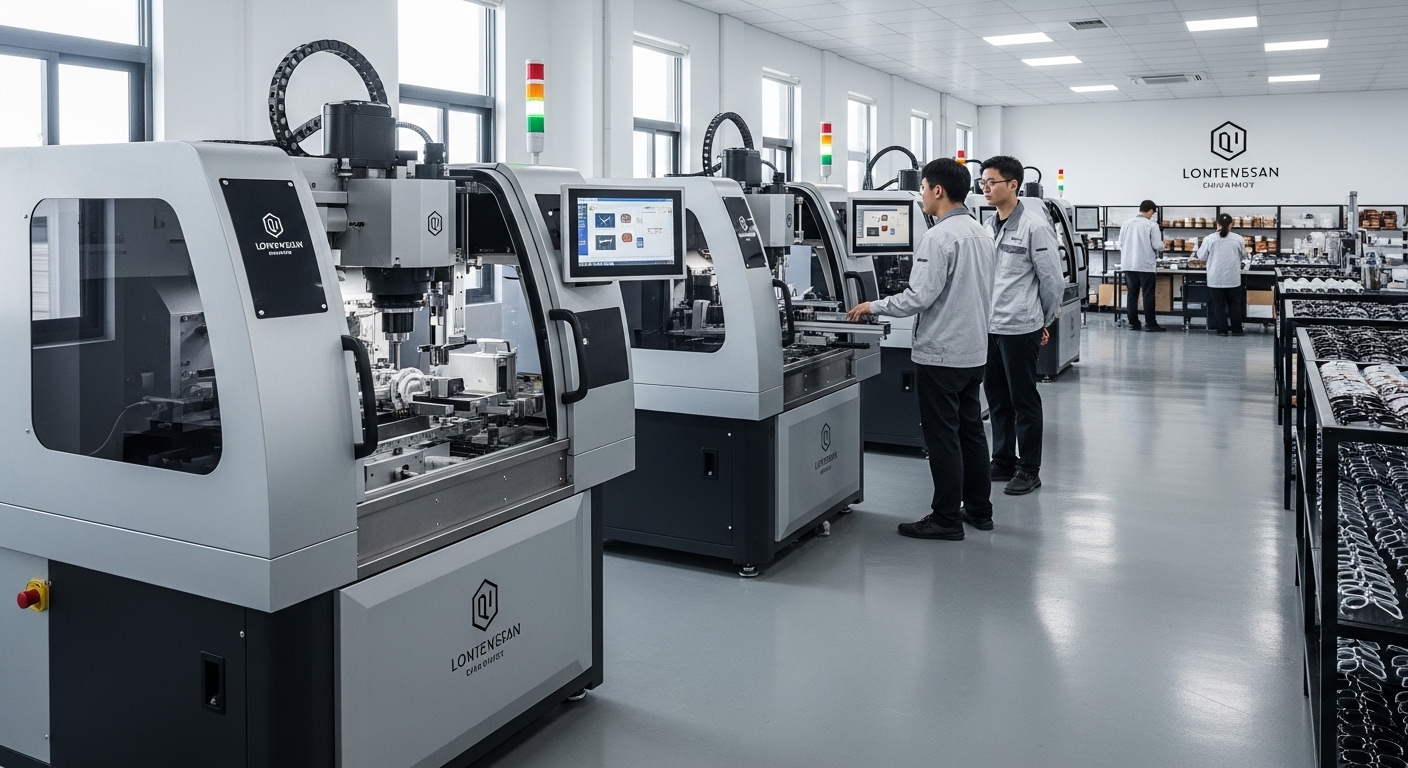
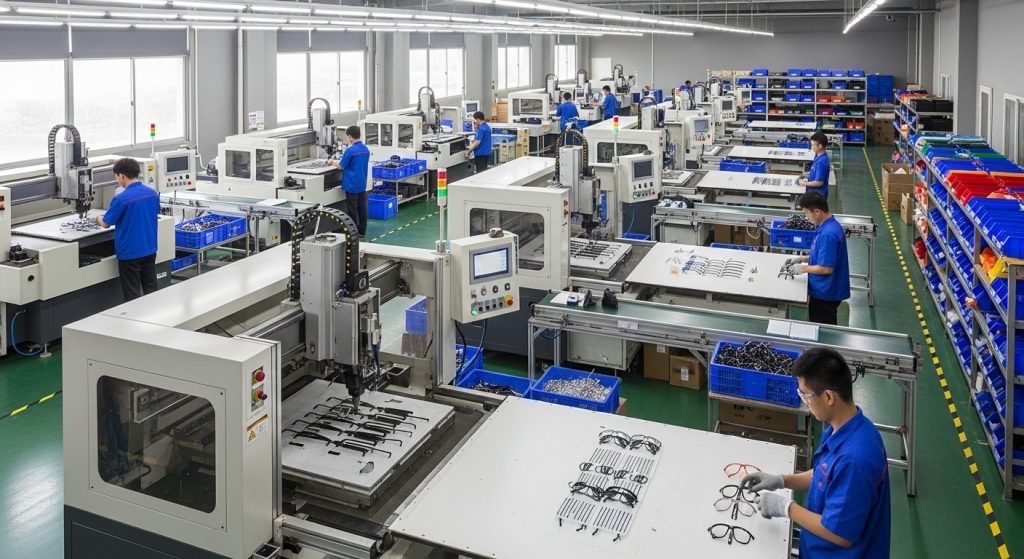
How to avoid it: Request a live video walkthrough of the production floor. Ask to see specific equipment—CNC machines, polishing lines, assembly stations. A legitimate manufacturer should be able to show you real operations in real time. For larger orders, consider third-party factory audits through agencies like SGS or TÜV.
Red Flag #2: The Sample Looks Great—But They Can’t Guarantee Bulk Consistency
Sample quality is the ceiling of what a factory can produce under controlled conditions. If the sample looks perfect but the factory has no system to replicate that quality across hundreds or thousands of units, you’re heading for trouble.
What to look for: Vague answers about quality control checkpoints, no documented inspection protocols, or a “we’ll figure it out in production” attitude.
How to avoid it: Ask about their QC checkpoints at every stage—raw material inspection, in-process quality control (IPQC), and final random inspection. Request batch sampling protocols and material traceability documentation. A factory with robust quality systems should be able to walk you through their process step by step.
Red Flag #3: Communication Is Slow or Unclear from the Start
If a supplier is slow to respond during the quoting and sampling phase, don’t expect them to get faster when problems arise during production.
What to look for: Delayed email replies, vague answers to specific questions, frequent personnel changes on your account, or language barriers that lead to misunderstandings.
How to avoid it: Test responsiveness before placing an order. Top-tier manufacturers typically respond within hours—not days. Insist on a dedicated account manager who knows your project inside out. Use written communication (email, not just WeChat or WhatsApp) to keep a clear record of all specifications and decisions.
Red Flag #4: Unrealistically Low Pricing
If a quote seems too good to be true, it probably is. Low prices often hide quality compromises—substandard materials, simplified finishing processes, or thinner plating.
What to look for: A price significantly below market average, reluctance to break down costs, or “surprise” fees that appear later for packaging,模具, or small-batch adjustments.
How to avoid it: Compare at least three suppliers and ask for detailed cost breakdowns. Consider total cost of ownership—not just unit price. A slightly higher upfront cost often pays for itself in fewer returns, faster delivery, and better brand reputation.
Red Flag #5: Inflexible MOQs That Don’t Match Your Needs
Many factories enforce rigid minimum order quantities (MOQs) that force brands to overcommit before validating market demand.
What to look for: MOQs that seem arbitrarily high, no willingness to discuss smaller trial runs, or punitive pricing for orders below their minimum.
How to avoid it: Look for manufacturers that offer flexible MOQs and low-volume custom production. A partner that supports small-batch trial orders (100–200 pieces) allows you to test designs and gather market feedback before scaling up.
Red Flag #6: No Verifiable Certifications or Compliance Documentation
Self-reported certifications mean nothing without documentation. If a factory claims ISO 9001, CE, or FDA compliance but can’t produce the certificates, proceed with extreme caution.
What to look for: Claims of certification without paperwork, expired certifications, or certifications that don’t match your target market’s requirements (e.g., CE for EU, FDA for US).
How to avoid it: Request physical copies of all certifications and verify them independently. For regulated markets, ask for third-party test reports covering UV400 protection, nickel release, and material safety (RoHS/FDA).
Red Flag #7: No Track Record with Brands Like Yours
A factory that has never worked with independent brands, boutique labels, or international clients may lack the experience to handle your specific needs—from design confidentiality to export logistics.
What to look for: No client references, reluctance to share case studies, or a portfolio filled only with mass-market stock designs.
How to avoid it: Ask for references from brands in your segment—similar volume, similar quality expectations, similar markets. Look for manufacturers with proven export experience to regions like Europe, North America, Japan, or Korea, as this indicates established compliance and logistics capabilities.
Choose a Partner, Not Just a Supplier
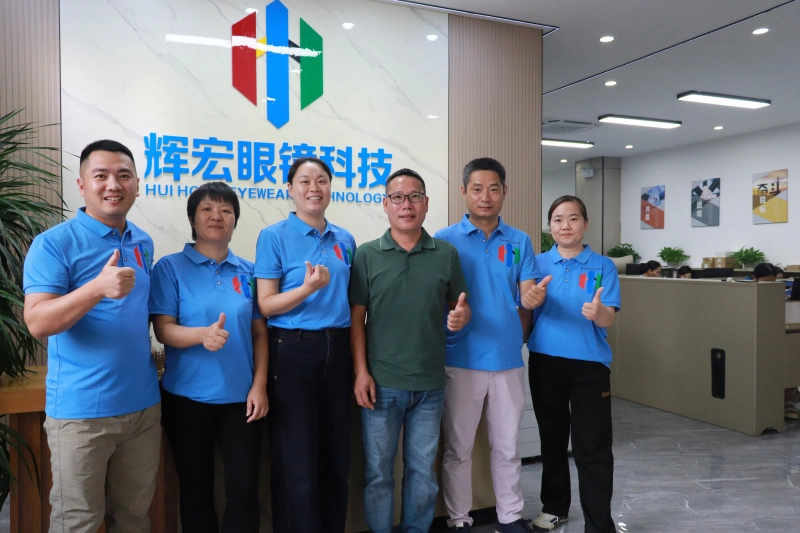
The most successful eyewear brands typically work with 1–2 core manufacturing partners for 5+ years. This long-term relationship allows the factory to deeply understand your quality standards, design preferences, and business rhythms—resulting in better products, faster turnarounds, and more favorable pricing over time.
About Huihong Eyewear
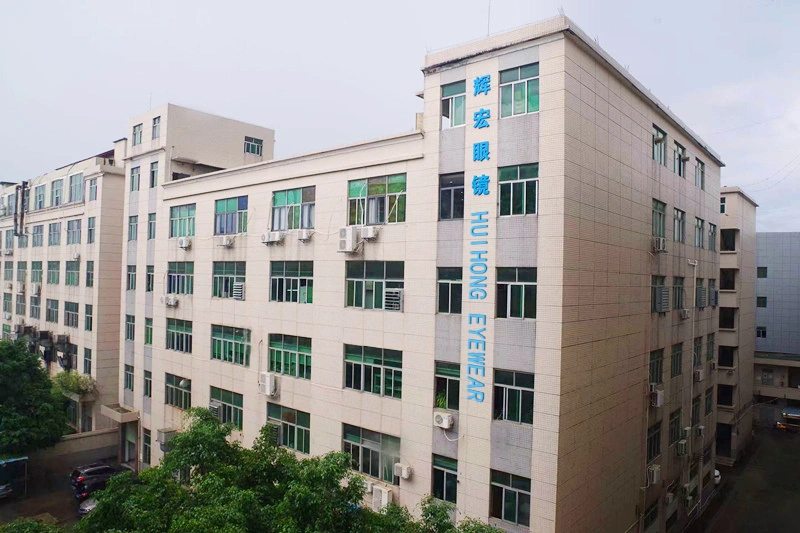
At Shenzhen Huihong Eyewear Technology Co., Ltd., we understand what brands need from a manufacturing partner—because we’ve been serving independent brands, designer labels, and premium retailers across Japan, Korea, Europe, and North America for years.
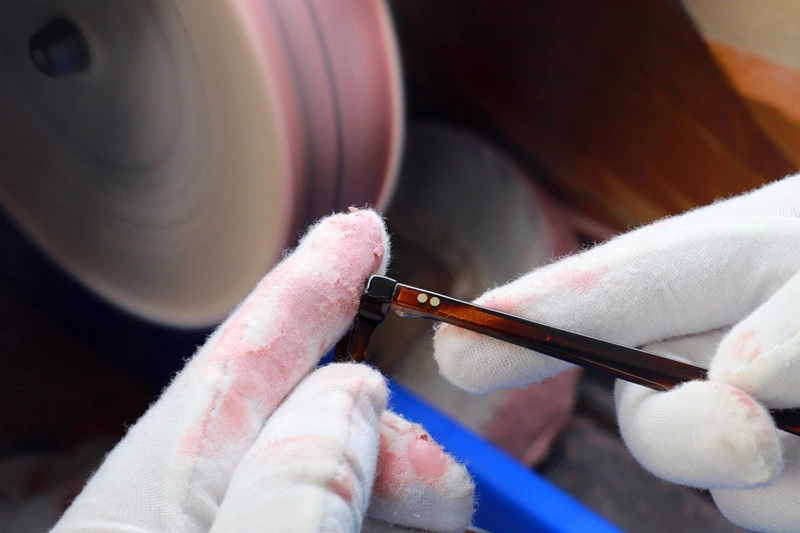
We specialize in acetate, titanium, and metal frames with a strong capability in low-volume, high-quality custom production. From concept prototyping to bulk delivery, we support brands through every step—with flexibility, speed, and precision. Our clients return to us not just for quality, but for trust and shared value.
If you’re vetting OEM partners and want to work with a manufacturer that checks every box, let’s talk.