The global eyewear market is projected to reach USD 172.9 billion in 2026, with frame demand alone growing at 5.2% CAGR through 2032. For brands, retailers, and distributors, the sourcing landscape is shifting fast. Here are the five trends driving B2B procurement decisions this year—and what they mean for your supply chain strategy.
1. Sustainable Materials Are Moving from Niche to Default
Sustainability is no longer a differentiator—it’s becoming a baseline requirement. Euromonitor reports that the global eyewear industry will grow 4% in 2026, with material innovation playing a central role. Buyers increasingly expect bio-acetate content, recycled metals, and PVD or trivalent-chrome finishes with lower environmental footprints.
Major material suppliers are responding. Evonik launched TROGAMID® R, a transparent polyamide made entirely from recycled eyewear production scrap, while Arkema introduced bio-based polyamides containing up to 62% bio-based carbon for injection-molded frames. Acetate suppliers are also expanding bio-acetate options derived from renewable plant-based sources.
For B2B buyers, this means asking suppliers directly: What percentage of your material is recycled or bio-based? Can you provide material certifications?
2. Supply Chain Resilience Is Being Redesigned
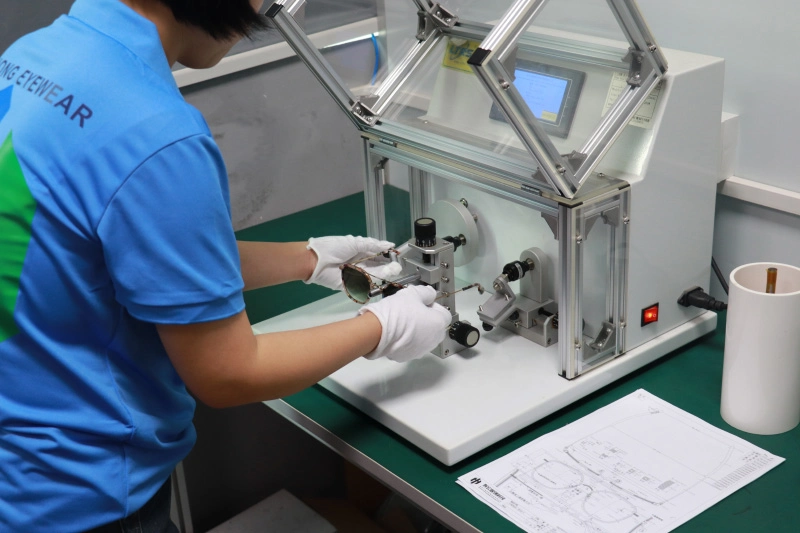
Tariff volatility and geopolitical uncertainty are forcing brands to rethink sourcing strategies. US “reciprocal tariffs” targeting China and Southeast Asia have sent global eyewear stocks down 7% and challenged supply chain adjustments made over the past two years. Industry analysts predict a bifurcated supply strategy: high-volume, cost-sensitive goods remain in Asia, while faster-turnaround, premium production moves closer to end markets.
For buyers, this underscores the importance of working with manufacturers who offer flexible MOQs, transparent lead times, and multi-region logistics support. A supplier with proven export experience across Japan, Korea, Europe, and North America is better positioned to help you navigate shifting trade conditions.
3. New EU Regulations Demand Faster Compliance
Compliance requirements are tightening significantly. The EU Packaging and Packaging Waste Regulation (PPWR) took effect on August 12, 2026, covering all eyewear packaging formats—including sales, transport, and e-commerce packaging. Non-compliance can trigger fines or product delisting in some EU countries.
The updated EN 16128:2025 nickel release standard replaces national standards across EU member states as of April 2026, and the EU MDR now requires Master UDI-DI assignment for spectacle frames and lenses. Meanwhile, the CSRD, EPR, and Digital Product Passport frameworks are adding further reporting obligations.
For B2B buyers, the practical takeaway is clear: verify your manufacturer’s compliance readiness before committing to production. Ask about PPWR testing capabilities, REACH compliance, and documentation support.
4. Material Innovation Is Reshaping Frame Design
2026 trade shows confirm that material innovation is accelerating. Titanium and memory titanium remain dominant for premium lightweight frames, while bio-acetate, carbon fiber, and even 3D-printed elements are gaining prominence. Multi-layered acetate gradients, marble and horn textures, and retro-inspired tortoiseshell patterns are driving design trends.
For OEM/ODM buyers, this means your manufacturing partner needs deep material expertise across acetate, titanium, and metal constructions—not just one category. The ability to prototype in multiple materials and recommend the optimal construction for your target price point is a competitive advantage.
5. Smart Eyewear Is Creating New OEM/ODM Demand
The smart eyewear segment is experiencing explosive growth, with Euromonitor predicting a 48% CAGR to 2030. Meta’s Ray-Ban Display launch delays highlighted critical supply chain bottlenecks in waveguide production and memory chips—signaling both opportunity and complexity for brands entering this space.
While traditional eyewear brands may not pivot to smart glasses immediately, the convergence of tech and fashion is creating demand for frames that support integrated components while maintaining premium aesthetics.
What This Means for Your Sourcing Strategy
The 2026 eyewear sourcing landscape rewards buyers who prioritize material versatility, compliance readiness, and supply chain flexibility. Whether you’re launching a sustainable acetate collection or developing precision titanium frames, your manufacturing partner should function as a strategic extension of your brand—not just a production facility.
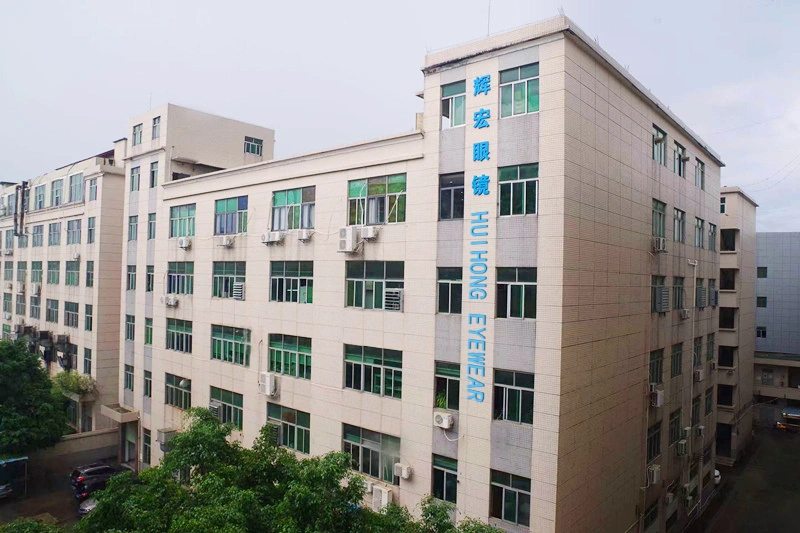
Huihong Eyewear is a specialized manufacturer dedicated to the design, development, and OEM/ODM production of high-end eyewear. Since its founding, the company has collaborated with independent brands, designer labels, and premium retailers worldwide—bringing unique eyewear visions to life through exceptional craftsmanship and reliable service.
Huihong specializes in acetate, titanium, and metal frames, with a strong capability in low-volume, high-quality custom production. From concept prototyping to bulk delivery, the company supports brands through every step of the journey—with flexibility, speed, and precision. Its clients span Japan, Korea, Europe, and North America, many of whom return not just for quality, but for trust and shared value.
For brands navigating 2026’s sourcing challenges, a partner with proven material expertise, export compliance experience, and flexible production capabilities is essential. Huihong Eyewear represents exactly that kind of partnership.