The global eyewear market is projected to reach USD 191.20 billion by 2035, growing at a steady CAGR of 3.10% from 2026 onwards . As demand for prescription glasses, sunglasses, and smart eyewear continues to rise, partnering with the right eyewear manufacturing companies has become the cornerstone of success for brands worldwide. Whether you’re launching a startup boutique, expanding an existing line, or entering the lucrative DTC eyewear space, this comprehensive guide will walk you through everything you need to know about selecting, evaluating, and collaborating with eyewear manufacturers in 2026.
Understanding the Different Types of Eyewear Manufacturing Companies
Not all eyewear manufacturers are created equal. Each type specializes in different production models, order volumes, and service levels. Understanding these distinctions is the first step in finding a partner that aligns with your business goals.
OEM vs. ODM: What’s the Difference?
OEM (Original Equipment Manufacturer): These companies produce eyewear based on your existing designs and specifications. You provide the blueprints, and they manufacture the products to your exact requirements. OEM is ideal for brands with established design teams and clear product visions.
ODM (Original Design Manufacturer): ODM companies offer end-to-end solutions, from design and prototyping to production. They have in-house design teams that create ready-to-market styles, which you can customize with your branding. ODM is perfect for startups or brands looking to quickly launch new collections without investing heavily in design infrastructure.
By Production Scale
High-Volume Manufacturers: Specialize in large-scale production (10,000+ units per style). They offer competitive per-unit pricing but typically have higher minimum order quantities (MOQs) and less flexibility for customization.
Mid-Sized Manufacturers: Balance production capacity with flexibility. They can handle orders from 500 to 10,000 units and often provide more personalized service and customization options than large factories.
Small-Batch Manufacturers: Cater to niche brands and startups with MOQs as low as 50-100 units. While per-unit costs are higher, they offer maximum design flexibility and faster turnaround times for test runs and limited-edition collections.
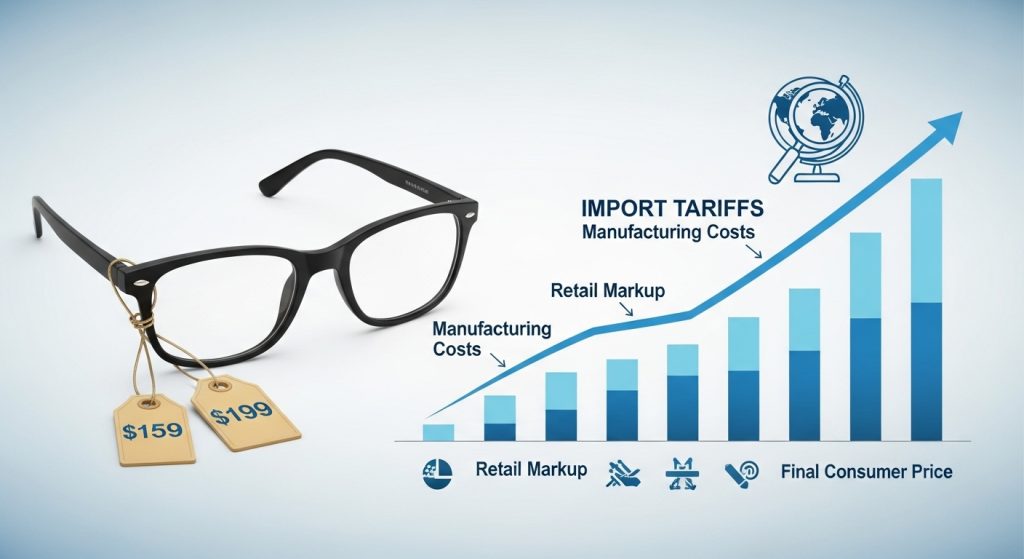
8 Critical Factors to Evaluate When Choosing Eyewear Manufacturing Companies
Selecting the wrong manufacturer can lead to quality issues, production delays, and lost revenue. Use these 8 criteria to thoroughly vet potential partners:
1. Material Expertise and Range
The quality of raw materials directly impacts the durability, comfort, and perceived value of your eyewear. Look for manufacturers that offer a comprehensive range of materials:
Frame Materials: Acetate, metal (stainless steel, titanium), TR90, polycarbonate, and bio-based polymers
Lens Materials: Polycarbonate, CR-39, high-index plastic, and polarized options
Coatings: Anti-reflective (AR), UV protection, blue light filter, scratch-resistant, and hydrophobic/oleophobic treatments
Ask for material samples and verify that they meet international safety and quality standards.
2. Design and Customization Capabilities
In today’s competitive market, generic designs won’t help you stand out. The best eyewear manufacturing companies offer extensive customization options:
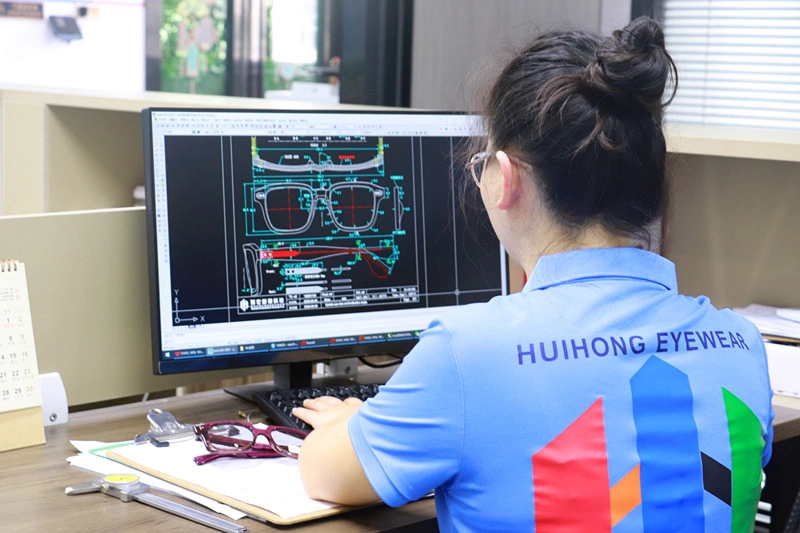
Custom frame shapes and sizes based on your sketches or CAD files
Pantone color matching for frames and lenses
Multiple logo application methods (laser engraving, pad printing, UV printing, metal inlays)
Custom packaging and labeling solutions
3. Quality Control Standards
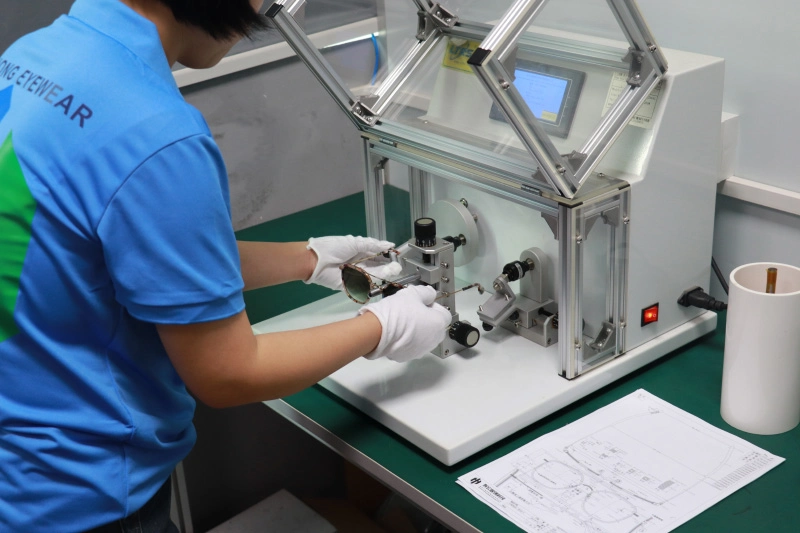
Rigorous quality control is non-negotiable in eyewear manufacturing. A single defective pair can damage your brand reputation. Look for manufacturers with:
ISO 9001 certification for quality management systems
Multiple inspection checkpoints throughout the production process
Clear defect classification and resolution procedures
Compliance with international safety standards (FDA, CE, REACH)
Request to see their quality control documentation and ask about their defect rate.
4. Production Capacity and Scalability
Your manufacturer should be able to grow with your business. Evaluate their:
Current production capacity per month
Ability to scale up production for peak seasons or large orders
Lead times for both sample development and mass production
Inventory management and batch tracking systems
5. Minimum Order Quantities (MOQs)
MOQs vary significantly between manufacturers. While lower MOQs are attractive for startups, they often come with higher per-unit costs. Look for partners that offer:
Flexible MOQs for different product lines
Reduced MOQs for repeat orders
The ability to combine multiple styles to meet minimum requirements
6. Regulatory Compliance
Selling eyewear internationally requires compliance with various regulatory standards. Ensure your manufacturer understands and can provide:
FDA registration for products sold in the United States
CE marking for the European Union
REACH compliance for chemical substances
Documentation for customs clearance and product safety
7. Communication and Project Management
Effective communication is crucial when working with overseas manufacturers. Look for companies that:
Assign dedicated project managers to each client
Provide regular production updates and photos
Respond to inquiries within 24-48 hours
Have English-speaking staff available
8. End-to-End Support
The best eyewear manufacturing companies offer more than just production. Look for partners that can assist with:
Prototyping and sample development
Packaging design and production
Shipping and logistics coordination
After-sales support and warranty services
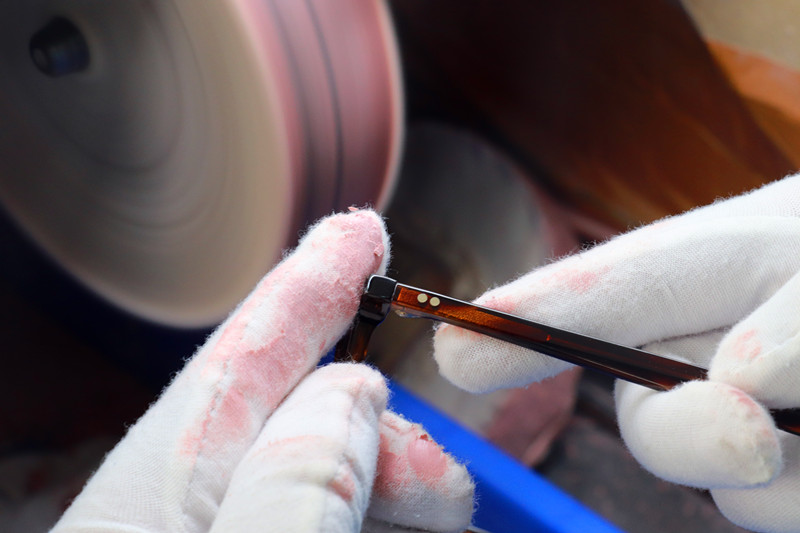
The Complete Eyewear Manufacturing Process Explained
Understanding the manufacturing process will help you communicate better with your partner and identify potential issues early. Here’s a step-by-step breakdown:
1. Design and Prototyping
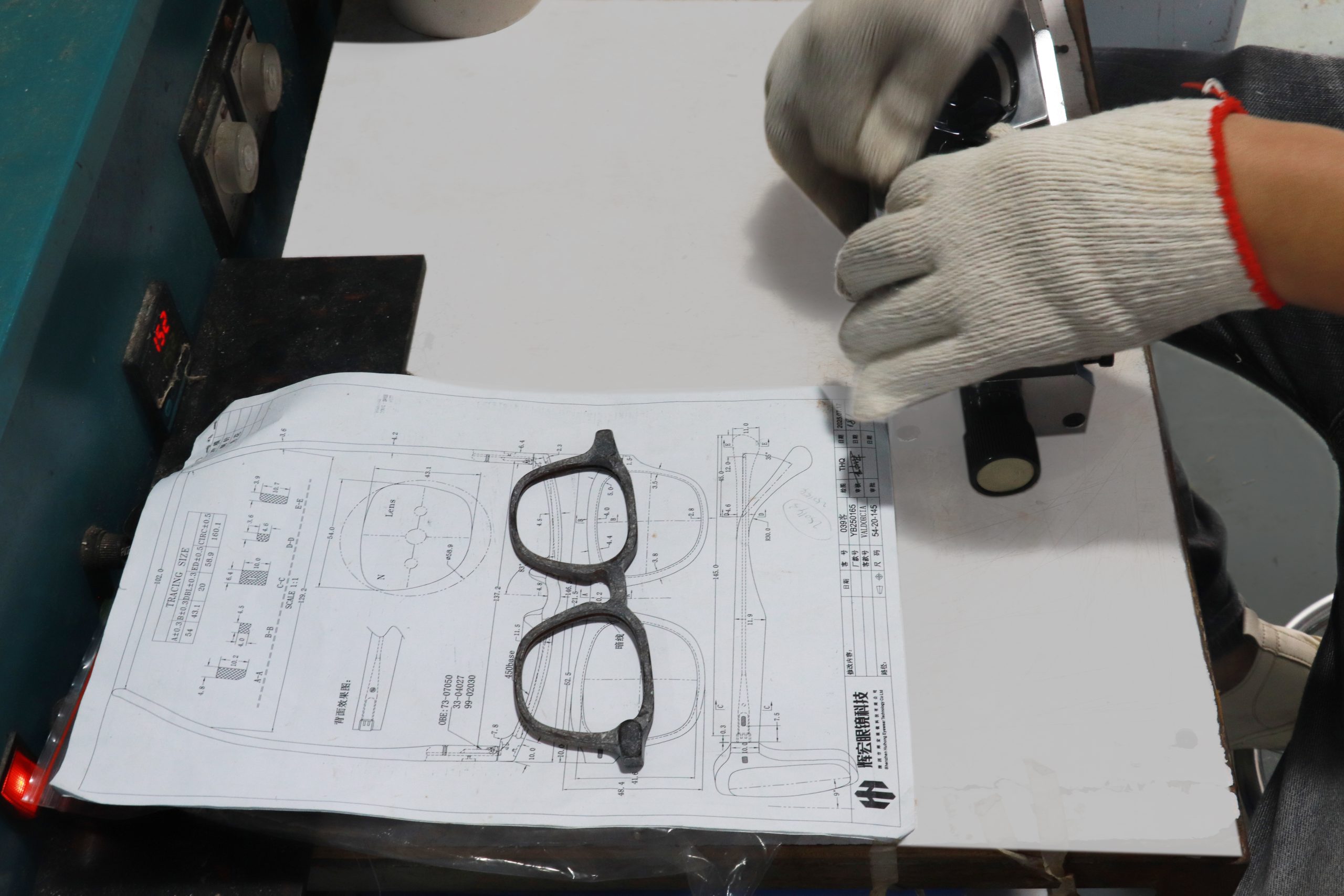
The process begins with translating your design concept into a technical drawing. Experienced manufacturers will provide feedback on technical feasibility and suggest improvements for production. Once the design is finalized, a prototype is created for your approval. This stage typically takes 2-4 weeks.
2. Material Preparation
All raw materials undergo incoming inspection to ensure they meet quality standards. Frames materials are cut into blanks, and lens blanks are prepared for processing.
3. Frame Production
Acetate Frames: CNC machines cut the frame fronts and temples from acetate blocks. The pieces are then tumbled and polished to achieve a smooth finish.
Metal Frames: Metal sheets are stamped or laser-cut into shape, then bent and welded together. The frames are then plated or painted.
Injection-Molded Frames: Molten plastic is injected into precision molds, cooled, and removed. This method is ideal for high-volume production of TR90 and polycarbonate frames .
4. Lens Processing
Lenses are cut to match the frame dimensions and processed with the required coatings. Advanced manufacturers use vacuum coating systems to ensure even distribution and strong adhesion of coatings.
5. Assembly
Frames and lenses are assembled by skilled technicians. This includes installing hinges, nose pads, and other hardware, inserting lenses, and adjusting the frame for proper fit and alignment.
6. Final Inspection and Packaging
Each pair of glasses undergoes a final quality inspection to check for defects in materials, workmanship, and optical performance. Approved products are then packaged according to your specifications and prepared for shipping .
5 Key Trends Shaping Eyewear Manufacturing in 2026
The eyewear industry is constantly evolving. Staying ahead of these trends will help you choose a manufacturer that can meet future market demands:
1. Sustainable Manufacturing
Sustainability is no longer just a marketing buzzword—it’s a consumer expectation. In 2026, leading eyewear manufacturing companies are adopting:
Bio-based materials made from renewable resources like wood pulp and cotton
Recycled plastics and metals
Carbon-neutral production processes
Take-back programs for end-of-life products
2. Smart Eyewear Production
The integration of AI and AR technology into eyewear is accelerating. Manufacturers are investing in specialized production lines for smart glasses, including:
Precision SMT assembly for electronic components
Cleanroom environments for optical module production
Advanced testing facilities for electronic and optical performance
3. Hyper-Personalization
Consumers are increasingly seeking products tailored to their individual needs. Manufacturers are responding with:
3D scanning technology for custom-fit frames
On-demand production capabilities
Modular designs that allow customers to mix and match components
4. Advanced Automation
Automation is improving production efficiency and consistency. Modern factories use:
CNC machines for precision cutting
Automated injection molding systems
Robotic assembly lines
AI-powered quality inspection
5. Direct-to-Consumer (DTC) Support
As more brands sell directly to consumers, manufacturers are offering specialized services for DTC businesses:
Low MOQs for test runs
Private labeling and white-label solutions
Dropshipping capabilities
Integration with e-commerce platforms
Common Mistakes to Avoid When Working with Eyewear Manufacturers
Even experienced brands make these common mistakes. Avoid them to ensure a successful partnership:
Choosing Based Solely on Price: The cheapest option often leads to quality issues and production delays. Prioritize value over cost.
Skipping the Sample Stage: Always order and thoroughly test samples before placing a large order. This is the best way to evaluate quality and workmanship.
Not Having a Written Contract: A detailed contract protects both parties and clarifies expectations regarding quality, delivery times, and payment terms.
Overlooking Communication Barriers: Ensure your manufacturer has English-speaking staff and a clear communication process in place.
Not Planning for Delays: Production delays are common in manufacturing. Build buffer time into your timeline to avoid missing launch dates.
Frequently Asked Questions
Q: How long does it take to manufacture eyewear?
A: Sample development typically takes 2-4 weeks. Mass production usually takes 4-8 weeks, depending on order volume and complexity. Shipping time adds an additional 1-4 weeks.
Q: What is the typical MOQ for eyewear manufacturing?
A: MOQs vary widely. Small-batch manufacturers may require as few as 50 units per style, while large factories may require 1,000+ units. Mid-sized manufacturers typically have MOQs between 300-500 units.
Q: How much does it cost to manufacture a pair of glasses?
A: Costs depend on materials, complexity, and order volume. Basic plastic frames can cost as little as $2-$5 per pair, while premium acetate or titanium frames can cost $20-$50 or more.
Q: Can I get custom packaging from my manufacturer?
A: Yes, most reputable eyewear manufacturing companies offer custom packaging options, including boxes, cases, cleaning cloths, and labels.
Q: What certifications should I look for in an eyewear manufacturer?
A: Look for ISO 9001 certification for quality management, as well as compliance with FDA (US), CE (EU), and REACH (EU) standards.
Conclusion
Choosing the right eyewear manufacturing company is one of the most important decisions you’ll make for your brand. By understanding the different types of manufacturers, evaluating them based on the 8 critical factors, and staying ahead of industry trends, you can find a partner that will help you create high-quality products, meet market demands, and grow your business.
Remember, the best manufacturing partner is not just a supplier—they’re a strategic collaborator who is invested in your success. Take the time to thoroughly vet potential partners, ask the right questions, and build a strong relationship based on trust and communication.
Ready to take the next step? Start by creating a detailed list of your requirements, including product specifications, order volume, and timeline. Then reach out to several eyewear manufacturing companies to request quotes and samples. With the right partner by your side, you’ll be well on your way to building a successful eyewear brand in 2026 and beyond.