In today’s $180 billion global eyewear market, the success of your retail business, private label brand, or optical practice hinges on one critical decision: choosing the right eyewear vendors. With consumer preferences shifting faster than ever and competition intensifying across every channel, partnering with reliable, innovative suppliers can mean the difference between thriving and merely surviving.
This comprehensive guide will walk you through everything you need to know about eyewear vendors—from understanding the different types available to evaluating their capabilities, avoiding common pitfalls, and building long-term partnerships that drive growth. Whether you’re launching your first eyewear collection or looking to expand your existing product line, these actionable insights will help you make informed decisions that align with your business goals.
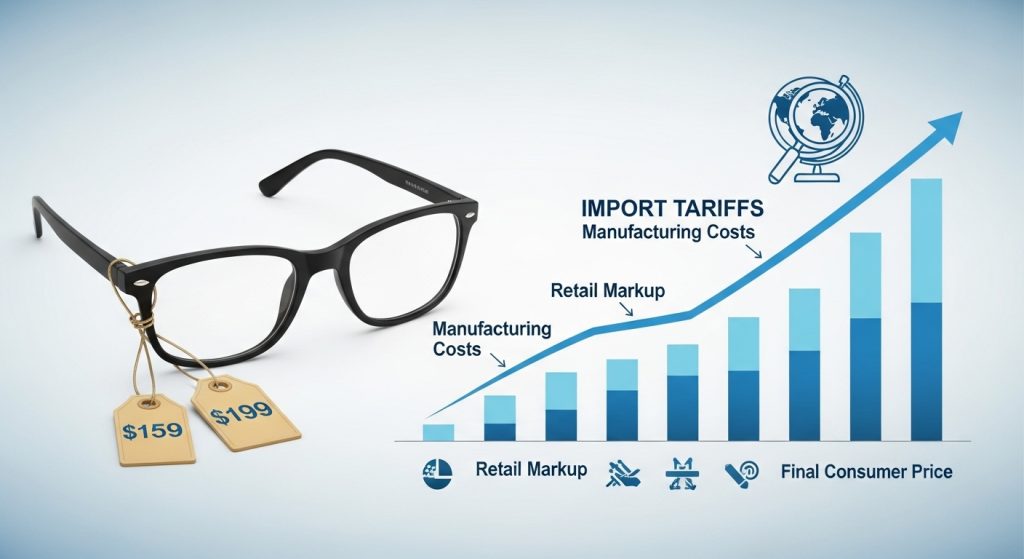
Understanding the Different Types of Eyewear Vendors
Before you start your search, it’s essential to clarify the distinctions between various types of eyewear suppliers. While the terms are often used interchangeably, each serves a unique purpose in the supply chain:
1. Eyewear Manufacturers
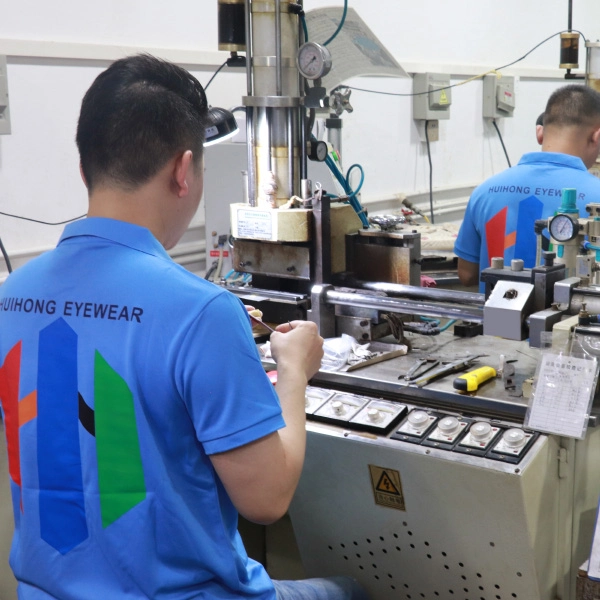
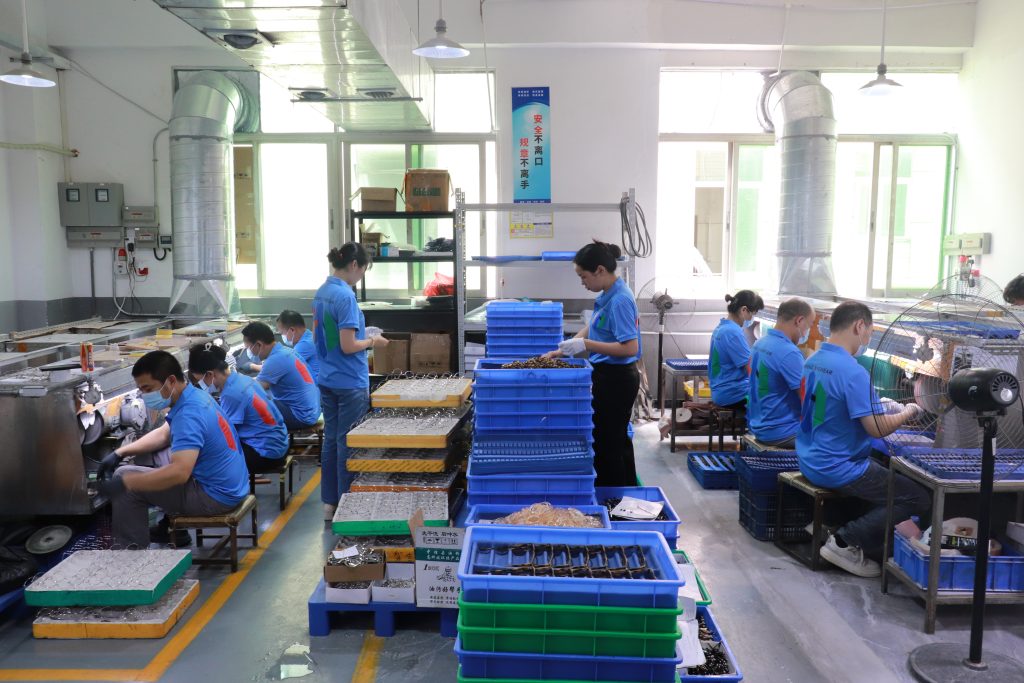
These are the companies that actually produce eyewear products from raw materials. They own production facilities, employ skilled workers, and handle the entire manufacturing process from design to final assembly. Working directly with eyewear manufacturers typically offers the lowest costs and maximum customization options, making them ideal for private label brands and businesses looking to create unique products.
2. Wholesale Eyewear Vendors
Wholesale vendors purchase large quantities of finished products from manufacturers and resell them in smaller batches to retailers and other businesses. They maintain extensive inventories of ready-to-ship styles, allowing you to place smaller orders with faster delivery times. This is particularly beneficial for new businesses or those with limited storage space.
3. Eyewear Distributors
Distributors act as intermediaries between manufacturers and retailers, often specializing in specific geographic regions or product categories. They handle logistics, warehousing, and sometimes marketing support, making it easier for manufacturers to reach a broader market. Distributors typically offer a curated selection of products from multiple brands.
4. OEM/ODM Eyewear Vendors
OEM (Original Equipment Manufacturer): Produces eyewear according to your specifications and branding. You provide the design, and they manufacture it.
ODM (Original Design Manufacturer): Offers pre-designed products that you can customize with your branding. This is a faster and more cost-effective option than developing designs from scratch.
5. Sustainable Eyewear Vendors
A rapidly growing segment, these vendors specialize in eco-friendly materials and ethical manufacturing practices. They use materials like bio-acetate, recycled plastics, and sustainably sourced wood, catering to the increasing number of environmentally conscious consumers.
10 Critical Factors to Evaluate When Choosing Eyewear Vendors
Not all eyewear vendors are created equal. To find the perfect partner for your business, evaluate each candidate against these essential criteria:
1. Product Quality and Consistency
Quality is non-negotiable in the eyewear industry. Poorly made frames or lenses will damage your reputation and lead to costly returns. Look for vendors with:
International quality certifications (ISO 9001, CE, FDA)
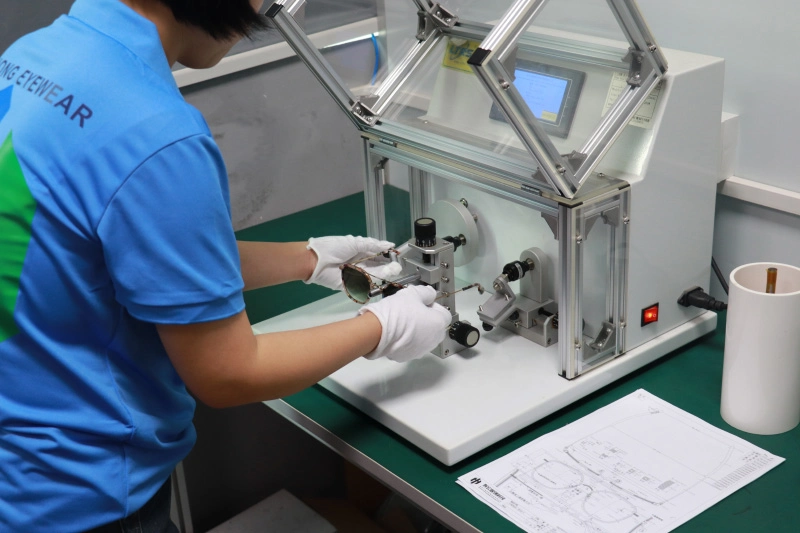
Rigorous quality control processes at every production stage
Consistent material sourcing
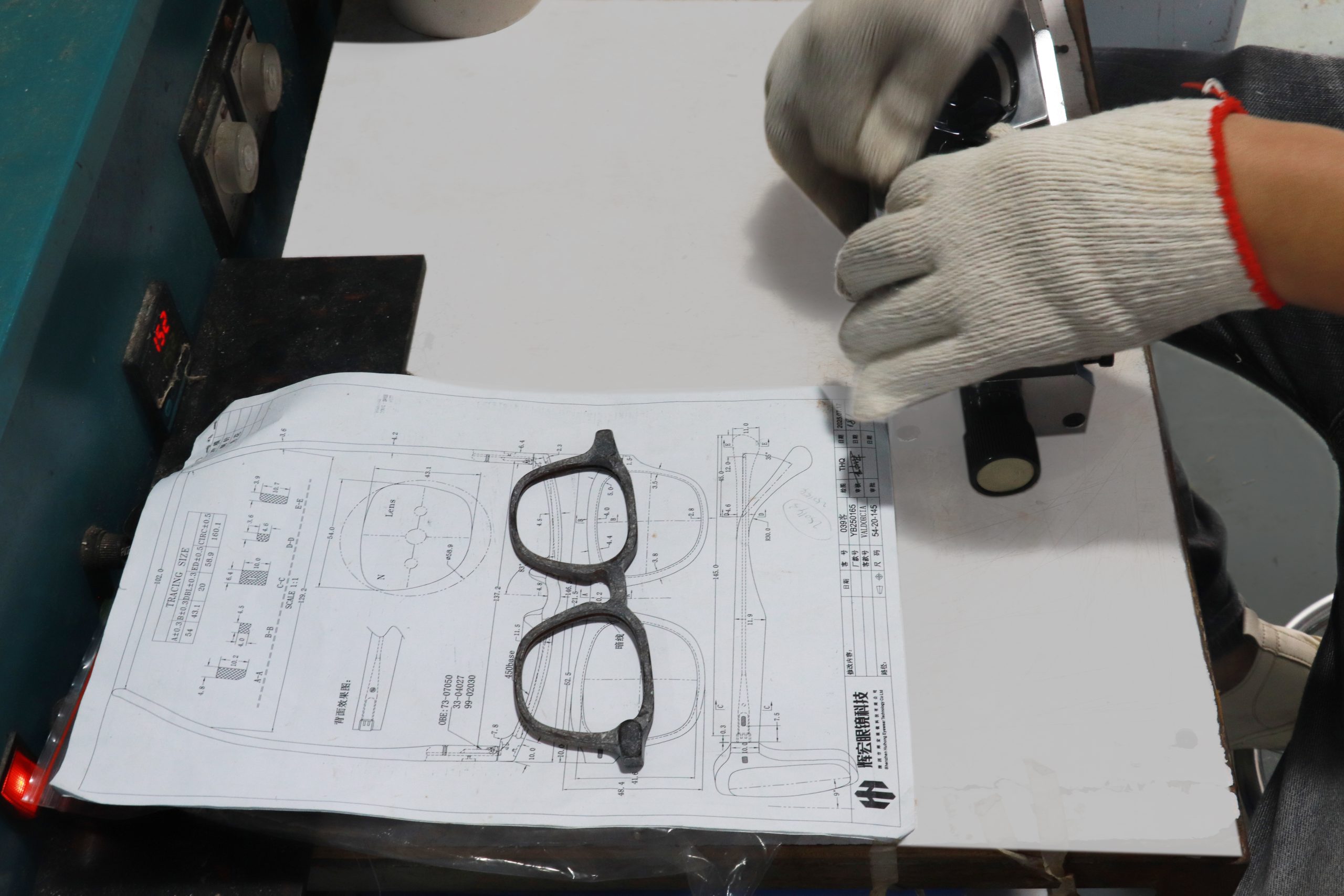
Detailed product specifications and testing reports
Always request physical samples before placing a large order. Test the frames for durability, comfort, and finish, and have the lenses checked for optical clarity and accuracy.
2. Design Capabilities and Trend Awareness
The eyewear market is driven by fashion trends that change rapidly. Your vendor should have a strong design team that stays ahead of industry trends and can offer fresh, appealing styles. Look for:
Regularly updated product catalogs
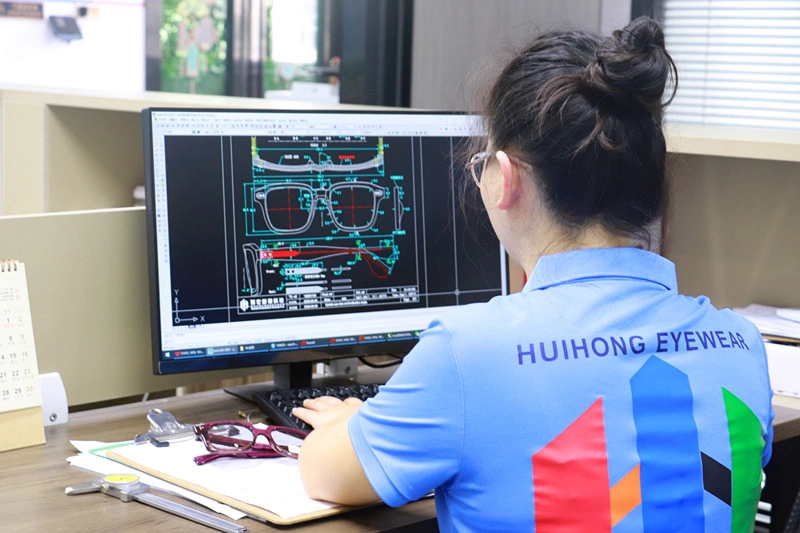
Ability to create custom designs based on your vision
Knowledge of regional style preferences
Access to the latest materials and manufacturing techniques
3. Minimum Order Quantity (MOQ)
MOQ requirements vary significantly between vendors. Traditional manufacturers often require MOQs of 500+ pieces per style, which can be prohibitive for small businesses or new brands. However, many modern vendors now offer low MOQ options (50-100 pieces per style) to accommodate smaller orders.
Consider your sales volume, cash flow, and inventory management capabilities when evaluating MOQs. A lower MOQ allows you to test new styles with less risk, while higher MOQs typically offer better per-unit pricing.
4. Production and Delivery Lead Times
Timely delivery is crucial for maintaining inventory levels and meeting customer demand. Ask vendors about:
Standard production times for both stock and custom orders
Shipping options and transit times to your location
Ability to expedite orders when necessary
Track record of meeting deadlines
In 2026, the most competitive vendors offer lead times of 45-60 days for custom orders and 7-14 days for stock items.
5. Pricing Structure and Transparency
While price shouldn’t be your only consideration, it’s obviously an important factor. Look for vendors with transparent pricing that includes all costs upfront. Be wary of quotes that seem too good to be true—they often hide additional fees or compromise on quality.
Consider the total cost of ownership, not just the per-unit price. This includes shipping costs, customs duties, packaging, and any potential returns or rework expenses.
6. Customization Options
Customization is key to building a unique brand identity. Evaluate what customization options each vendor offers:
Logo printing or engraving
Custom colorways and finishes
Private labeling and packaging
Custom lens options (prescription, blue light, polarized)
Unique frame designs
7. Compliance and Ethical Practices
Consumers and retailers are increasingly demanding transparency and ethical practices from their suppliers. Ensure your vendor:
Complies with international labor standards (BSCI, Sedex)
Uses safe, non-toxic materials (ROHS compliant)
Provides all necessary documentation for customs and retail entry
Follows environmental regulations
8. Communication and Customer Service
Effective communication is essential for a successful partnership. Look for vendors who:
Respond promptly to inquiries
Provide clear, detailed information
Have English-speaking staff (if you’re an international buyer)
Assign a dedicated account manager
Offer proactive updates on order status
9. Scalability
As your business grows, your vendor should be able to grow with you. Evaluate their production capacity and ability to handle larger orders without compromising quality or lead times. A vendor that can scale with your business will save you the time and hassle of finding new suppliers as you expand.
10. After-Sales Support
Even with the best quality control, issues can arise. Look for vendors who offer:
Clear return and exchange policies
Warranty on defective products
Technical support for optical products
Assistance with product training for your staff
2026 Eyewear Industry Trends and Vendor Collaboration Strategies
To stay competitive in 2026, it’s essential to align your vendor partnerships with the latest industry trends. Here are the key trends shaping the market and how to leverage them with your suppliers:
1. Neo-Vintage Aesthetics
The “Neo-Vintage” trend, which blends classic silhouettes with modern engineering, is dominating the 2026 market. Consumers are moving away from oversized, logo-heavy frames toward more refined, timeless designs.
Vendor Strategy: Partner with vendors who offer a range of vintage-inspired frames with contemporary materials and construction techniques. Look for suppliers who can customize classic designs with modern touches like lightweight metals and premium acetate.
2. Sustainable and Eco-Friendly Eyewear
Sustainability is no longer a niche concern—it’s a mainstream expectation. Demand for eco-friendly eyewear has increased by over 200% in the past three years, and this trend shows no signs of slowing down.
Vendor Strategy: Work with sustainable eyewear vendors who use bio-acetate, recycled plastics, and other environmentally friendly materials. Ask about their carbon footprint and ethical manufacturing practices, and use these stories in your marketing to appeal to conscious consumers.
3. Low MOQ Manufacturing
The rise of independent brands and direct-to-consumer models has created demand for low MOQ manufacturing. Vendors who can offer flexible production runs are becoming increasingly valuable.
Vendor Strategy: Look for vendors who specialize in low MOQ production (50-100 pieces per style). This allows you to test new designs with minimal risk and respond quickly to changing trends.
4. Technical Performance Eyewear
Consumers are increasingly looking for eyewear that offers both style and functionality. Blue light glasses, polarized sunglasses, and lightweight sports frames are all growing segments.
Vendor Strategy: Partner with vendors who have expertise in technical eyewear manufacturing. Ensure they can provide high-quality lenses with the necessary coatings and certifications.
5. Tech-Ready Designs
As smart glasses and AR/VR technology become more mainstream, there’s growing demand for frames that complement these devices. Minimalist, lightweight designs that don’t interfere with tech wearables are particularly popular.
Vendor Strategy: Stock up on thin metal frames, rimless designs, and translucent acetate frames from your vendors. These styles are versatile and appeal to tech-savvy consumers.

5 Common Mistakes to Avoid When Working with Eyewear Vendors
Even experienced businesses can make costly mistakes when sourcing eyewear. Here are the most common pitfalls to avoid:
1. Choosing Based Solely on Price
The lowest price often comes with hidden costs, including poor quality, long lead times, and unreliable delivery. Investing in a slightly more expensive but reputable vendor will save you money in the long run by reducing returns and protecting your brand reputation.
2. Not Requesting Samples
Never place a large order without first seeing and testing physical samples. Photos and descriptions can be misleading, and you need to ensure the product meets your quality standards.
3. Ignoring Contract Details
Always have a written contract that clearly outlines all terms, including pricing, MOQs, lead times, quality standards, and return policies. Don’t rely on verbal agreements—they’re difficult to enforce if disputes arise.
4. Overlooking Communication Barriers
Effective communication is critical for a successful partnership. If your vendor doesn’t have English-speaking staff or is slow to respond to inquiries, it can lead to misunderstandings and delays.
5. Putting All Your Eggs in One Basket
Relying on a single vendor puts your business at risk if they experience production issues, increase prices, or go out of business. Maintain relationships with 2-3 reliable vendors to ensure continuity of supply.
Building Long-Term Partnerships with Eyewear Vendors
The most successful businesses view their eyewear vendors as strategic partners, not just suppliers. Here’s how to build strong, long-lasting relationships:
Communicate openly and honestly: Share your business goals, challenges, and feedback with your vendor. The more they understand your needs, the better they can serve you.
Be a reliable customer: Place orders on time, pay invoices promptly, and provide clear specifications. Good customers often receive preferential treatment, including better pricing and priority production.
Collaborate on product development: Work with your vendor to develop new products and improve existing ones. Their industry expertise can provide valuable insights.
Visit their facilities: If possible, visit your vendor’s production facilities. This will give you a better understanding of their capabilities and quality control processes.
Review performance regularly: Schedule regular performance reviews to discuss what’s working well and where improvements can be made.
Conclusion
Choosing the right eyewear vendors is one of the most important decisions you’ll make for your business. By understanding the different types of suppliers, evaluating them against critical criteria, staying ahead of industry trends, and avoiding common mistakes, you can find partners who will help you grow and succeed in the competitive eyewear market.
Remember, the best vendor isn’t necessarily the cheapest or the largest—it’s the one that best aligns with your specific business needs, goals, and values. Take the time to research and vet potential partners thoroughly, and invest in building strong, long-term relationships. With the right eyewear vendors by your side, you’ll be well-positioned to capitalize on the growing demand for quality, stylish eyewear in 2026 and beyond.