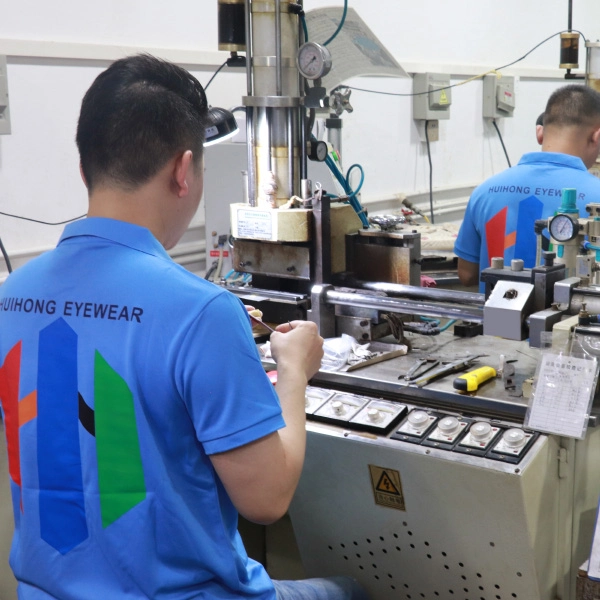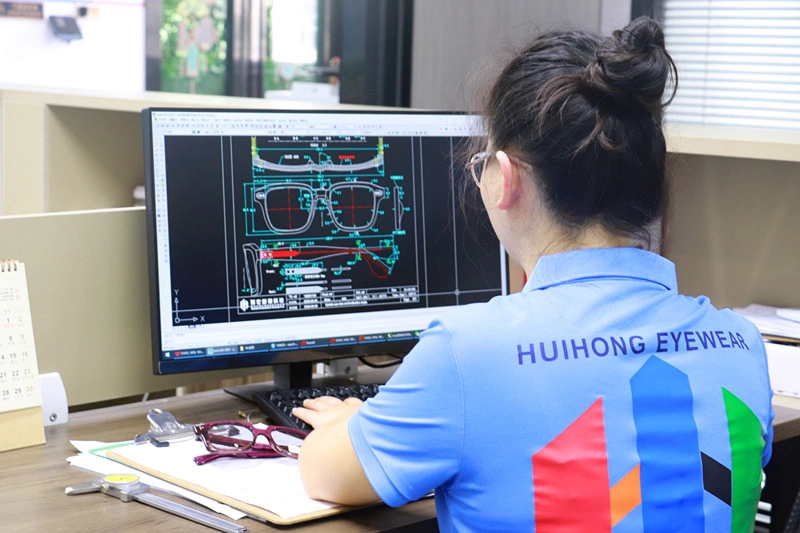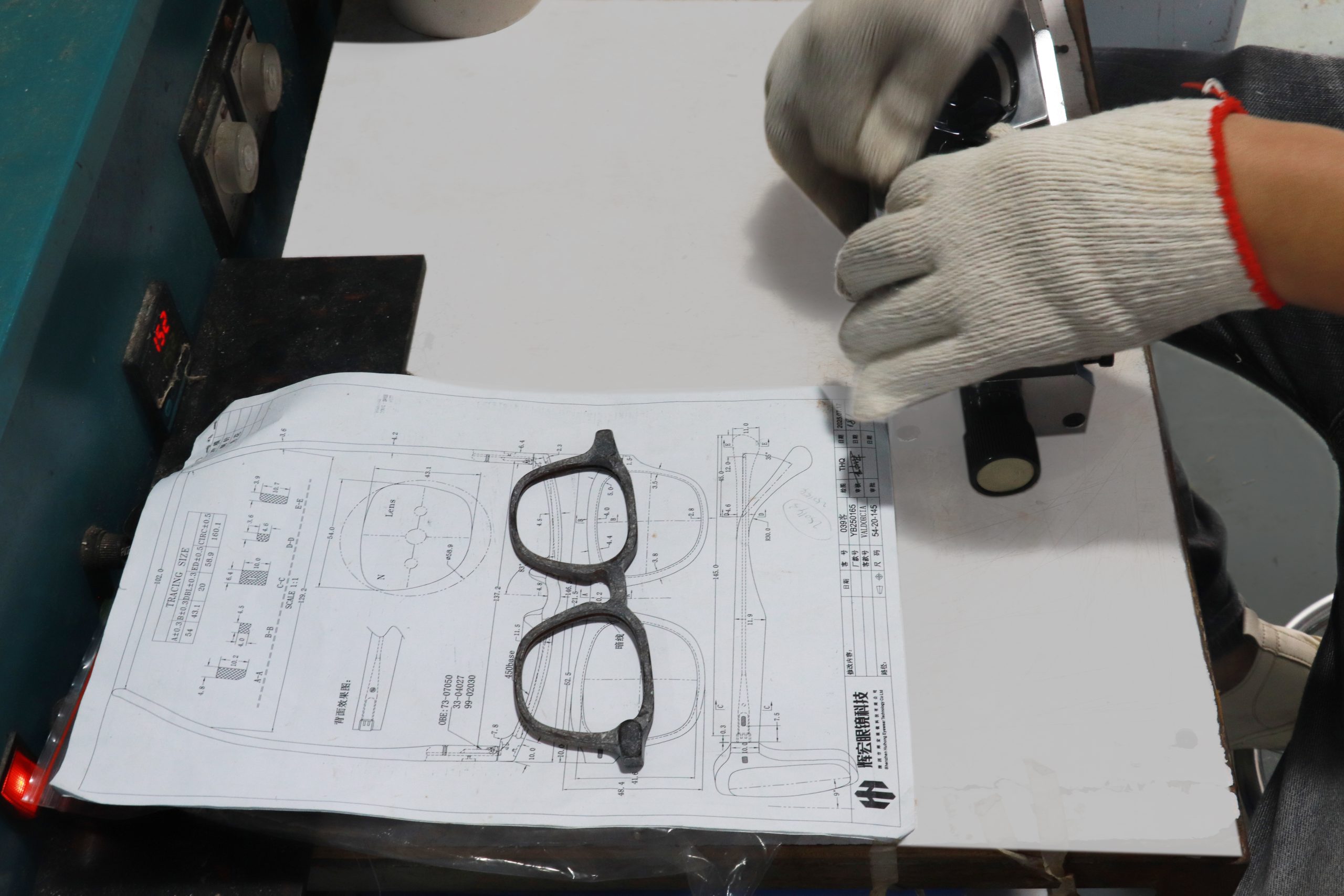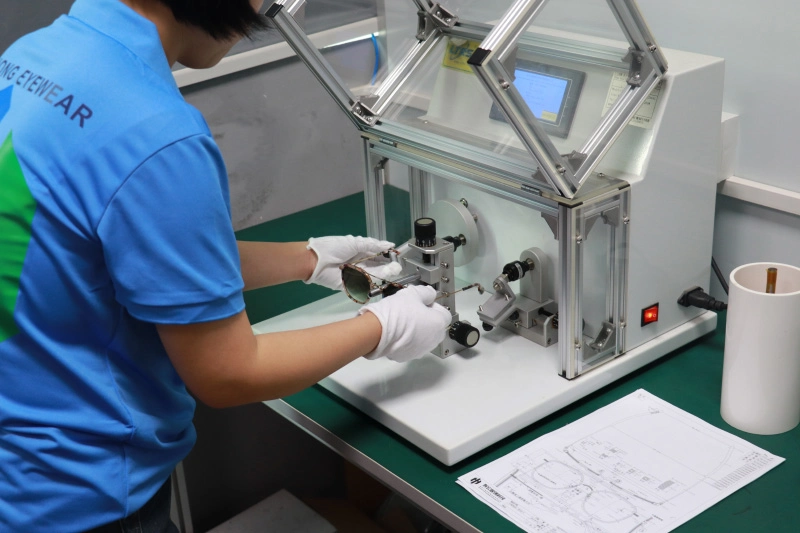
When it comes to sunglasses, the frame may catch the eye, but the lens defines the experience. As a sunglass lens manufacturer with decades of expertise, we understand that high-quality lenses are the foundation of any successful eyewear brand. In today’s competitive market, consumers demand more than just style—they want superior optical performance, durable construction, and advanced eye protection.
This comprehensive guide will walk you through everything you need to know about sunglass lenses, from material selection to cutting-edge technologies, helping you make informed decisions when partnering with a custom sunglass lenses provider. Whether you’re launching a new fashion line, expanding your sports eyewear collection, or upgrading your existing product offerings, this guide will equip you with the knowledge to create sunglasses that stand out in quality and performance.
Chapter 1: Understanding Sunglass Lens Materials
The material of your sunglass lenses directly impacts four critical factors: optical clarity, impact resistance, weight, and scratch resistance. Each material offers unique advantages and trade-offs, making it essential to choose the right one for your target audience and intended use.
CR-39 (Standard Optical Plastic)
CR-39 remains the industry standard for mid-range everyday sunglasses. Developed in the 1940s, this allyl diglycol carbonate material offers:
Excellent optical clarity with minimal distortion
Significantly lighter weight than glass
Good scratch resistance when properly coated
Cost-effectiveness for mass production
CR-39 lenses are ideal for fashion and casual use sunglasses. However, they lack the impact resistance required for sports and high-activity environments, making them unsuitable for safety eyewear or children’s sunglasses.
Polycarbonate
Polycarbonate has revolutionized the eyewear industry with its exceptional durability and lightweight properties. As the default material for sports eyewear and children’s sunglasses, polycarbonate offers:
Up to 10 times the impact resistance of standard plastic
30% lighter weight than CR-39
Natural UV400 protection without additional coatings
Excellent shatter resistance for enhanced safety
The primary trade-off with polycarbonate is slightly lower optical clarity compared to CR-39, particularly at the lens periphery in lower-quality versions. However, advanced manufacturing techniques have significantly reduced this issue in premium polycarbonate lenses.
Trivex
Trivex represents the next generation of high-performance lens materials. Developed as an improvement over polycarbonate, Trivex combines the best features of both plastic and glass:
Superior optical clarity approaching glass
Excellent impact resistance comparable to polycarbonate
Lightweight construction
Better scratch resistance than polycarbonate
Higher Abbe value for reduced color fringing
Trivex lenses are perfect for premium eyewear lines where both optical performance and durability are paramount. While they come at a higher cost than CR-39 or standard polycarbonate, the enhanced quality justifies the investment for discerning customers.
Glass
Glass lenses offer unmatched optical clarity and scratch resistance, making them the gold standard for high-end sunglasses. Key advantages include:
Perfect optical clarity with zero distortion
Exceptional scratch resistance
Superior color transmission
Long-lasting durability
However, glass lenses have significant drawbacks: they are heavier than plastic materials, more prone to shattering, and more expensive to produce. Modern glass lenses often include impact-resistant treatments to improve safety, but they still cannot match the durability of polycarbonate or Trivex.
Chapter 2: Essential Lens Technologies and Coatings
Modern sunglass lens manufacturers offer a wide range of advanced technologies and coatings that enhance performance, comfort, and durability. These features have become increasingly important as consumers seek multifunctional sunglasses that adapt to their active lifestyles.
Polarized Lenses
Polarized sunglass lenses are one of the most popular upgrades in modern eyewear. They work by filtering out horizontal light waves that cause glare from reflective surfaces like water, roads, and snow. Benefits include:
Eliminated glare for clearer vision
Reduced eye strain in bright conditions
Enhanced contrast and depth perception
Improved safety for driving and outdoor activities
Polarized lenses are essential for anyone who spends time near water, drives frequently, or participates in outdoor sports. However, it’s important to note that they can interfere with the visibility of certain LCD screens, including some car dashboards and digital devices.
Photochromic Lenses
Photochromic sunglass lenses automatically adjust their tint based on UV exposure, darkening in bright sunlight and lightening indoors or in low-light conditions. The latest generation of photochromic lenses offers:
Faster transition times (as little as 15 seconds to darken)
Wider range of tint options
Better performance in cold temperatures
UV protection in both clear and tinted states
Photochromic lenses are ideal for people who move frequently between indoor and outdoor environments, eliminating the need to switch between regular glasses and sunglasses.
Blue Light Filtering
With screen time at an all-time high, blue light filtering has become a standard feature in many sunglass lines. These lenses block harmful high-energy blue light (380nm-450nm) emitted by digital screens, LED lights, and the sun. Benefits include:
Reduced digital eye strain
Improved sleep quality
Protection against long-term retinal damage
Enhanced visual comfort during extended screen use
Many sunglass lens manufacturers now offer blue light filtering as an add-on to both prescription and non-prescription lenses.
Advanced Coatings
High-quality lenses feature multiple layers of advanced coatings that improve performance and extend lifespan:
Anti-Reflective (AR) Coating: Reduces glare from the back surface of the lens, improving visual clarity and reducing eye strain
Scratch-Resistant Coating: Protects the lens surface from daily wear and tear
Water-Repellent Coating: Causes water to bead up and roll off the lens, keeping it clean and clear in wet conditions
Anti-Smudge Coating: Repels fingerprints and oils, making lenses easier to clean
Mirrored Coating: Reflects excess light away from the eyes, providing additional protection in extremely bright conditions
Chapter 3: Lens Color and Visible Light Transmission (VLT)
The color of your sunglass lenses affects how you perceive the world around you. Different tints enhance specific visual qualities, making them better suited for particular activities and environments.
Grey Lenses
Grey lenses are the most versatile option for general use. They:
Provide true color perception with no distortion
Reduce overall brightness without altering colors
Minimize eye strain in bright sunlight
Have a VLT range of 8-18% for bright conditions
Grey lenses are perfect for driving, hiking, and everyday wear.
Brown/Amber Lenses
Brown and amber lenses enhance contrast and depth perception by filtering out blue light. They:
Improve visibility in hazy or overcast conditions
Enhance contrast against green and blue backgrounds
Reduce eye fatigue during long periods of use
Have a VLT range of 10-25%
These lenses are ideal for fishing, golfing, and other outdoor activities where contrast is critical.
Green Lenses
Green lenses offer a balance between grey and brown lenses. They:
Provide good color perception
Enhance contrast in bright conditions
Reduce eye strain
Have a VLT range of 10-20%
Green lenses are popular for general outdoor use and are particularly effective in bright, sunny conditions.
Yellow/Orange Lenses
Yellow and orange lenses are designed for low-light conditions. They:
Maximize contrast in overcast, foggy, or dawn/dusk conditions
Enhance depth perception
Reduce blue light
Have a VLT range of 50-80%
These lenses are perfect for skiing, snowboarding, and shooting in low-light environments.
Gradient Lenses
Gradient lenses are darker at the top and lighter at the bottom, providing:
Protection from overhead sunlight
Clear visibility of dashboards and reading materials
Stylish appearance
Versatility for both indoor and outdoor use
Double gradient lenses are darker at both the top and bottom, with a lighter center, making them ideal for driving and activities where overhead and reflected glare are concerns.
Chapter 4: Quality Standards and Certifications
When choosing a sunglass lens manufacturer, it’s essential to ensure they adhere to international quality standards and certifications. These standards guarantee that your lenses provide adequate eye protection and meet minimum performance requirements.
UV400 Protection
UV400 protection is the most critical standard for sunglass lenses. It ensures that lenses block 99-100% of both UVA and UVB radiation up to 400 nanometers. Prolonged exposure to UV radiation can cause serious eye damage, including cataracts, macular degeneration, and photokeratitis.
All reputable sunglass lens manufacturers should provide documentation verifying that their lenses meet UV400 standards.
International Standards
ISO 12312-1:2022: The international standard for sunglasses for general use, specifying requirements for optical power, UV transmission, light transmission, and impact resistance
ANSI Z80.3: The American National Standard for non-prescription sunglasses and fashion eyewear, focusing on optical quality, impact resistance, and UV protection
CE Marking: Mandatory for sunglasses sold in the European Economic Area, indicating conformity with health, safety, and environmental protection standards
ISO 9001: A quality management system standard that demonstrates a manufacturer’s ability to consistently provide products that meet customer and regulatory requirements
Quality Control Processes
A reliable custom sunglass lenses manufacturer will implement rigorous quality control processes throughout the production cycle:
Incoming Quality Control (IQC): Inspection of raw materials to ensure they meet specifications
In-Process Quality Control (IPQC): Regular checks during manufacturing to detect defects early
Final Quality Control (FQC): Comprehensive testing of finished lenses before shipment
Third-Party Testing: Independent laboratory verification of compliance with international standards
Key tests include optical clarity testing, UV protection verification, impact resistance testing, and scratch resistance testing.
Chapter 5: 2026 Sunglass Lens Technology Trends
The sunglass lens industry is constantly evolving, with new technologies and innovations emerging each year. Here are the key trends shaping the market in 2026:
Sustainable Materials
Eco-conscious consumers are driving demand for sustainable lens materials. Leading sunglass lens manufacturers are developing:
Bio-based lenses made from renewable resources like castor oil
Recyclable lens materials
Low-carbon manufacturing processes
Biodegradable packaging
These sustainable options allow brands to appeal to environmentally conscious customers while reducing their carbon footprint.
Self-Healing Coatings
Self-healing coating technology has reached commercial viability in 2026. These innovative coatings use special polymers that can repair minor scratches automatically when exposed to heat or sunlight. This technology significantly extends the lifespan of lenses, reducing waste and improving customer satisfaction.
Ultra-Fast Photochromic Lenses
The latest generation of photochromic lenses offers transition times of less than 10 seconds, making them virtually instant. These lenses also provide better performance in cars, where traditional photochromic lenses often fail to darken properly due to UV-blocking windshields.
Customized Lens Solutions
Advancements in digital manufacturing have made customized lenses more accessible than ever. Custom sunglass lenses can now be tailored to individual prescriptions, face shapes, and lifestyle needs. This includes:
Prescription lenses with high precision
Custom tints and coatings
Lens designs optimized for specific activities
Personalized lens markings
Integrated Smart Technologies
While still in the early stages, smart lens technology is gaining traction. These lenses can integrate features like:
Heads-up displays
Activity tracking
Blue light filtering that adjusts automatically
UV exposure monitoring
As technology continues to advance, we can expect to see more innovative smart lens solutions in the coming years.
Conclusion
Choosing the right sunglass lens manufacturer is one of the most important decisions you’ll make for your eyewear brand. High-quality lenses not only provide superior eye protection and visual performance but also enhance your brand’s reputation for quality and reliability.
When evaluating potential partners, look for manufacturers with:
Extensive experience in the industry
Compliance with international quality standards
Advanced manufacturing capabilities
A wide range of material and technology options
Rigorous quality control processes
Commitment to innovation and sustainability
By understanding the different lens materials, technologies, and quality standards available, you can create sunglasses that meet the needs of your target audience and stand out in the competitive eyewear market.
Whether you’re looking for polarized sunglass lenses, photochromic sunglass lenses, or prescription sunglass lenses, partnering with a reputable manufacturer will ensure that your products deliver the performance and quality that customers expect.