Introduction
In the world of eyewear, few materials command the same level of respect as titanium. Originally developed for aerospace engineering and medical implants, titanium has found its perfect home in premium eyewear. For brands and distributors looking to launch or expand their optical collections, understanding titanium frame glasses—from material grades to manufacturing processes—is essential.
This guide covers everything you need to know: why titanium outperforms other materials, the different types available, what to look for in OEM manufacturing, and answers to the most common questions buyers ask.

Why Choose Titanium Frame Glasses?
Titanium eyeglass frames have become the gold standard for premium eyewear, and for good reason. Here are the key benefits that set them apart:
1. Unmatched Lightweight Comfort
Titanium has an exceptional strength-to-weight ratio—as strong as steel but about 45% lighter. This allows frames to be thinner and lighter without sacrificing durability, reducing pressure on the nose and ears for all-day comfort.
2. Hypoallergenic & Skin-Friendly
Pure titanium is naturally hypoallergenic and nickel-free, making it ideal for wearers with sensitive skin or metal allergies. The same biocompatibility that makes titanium suitable for medical implants ensures it won’t cause irritation even during prolonged wear.
3. Exceptional Durability & Corrosion Resistance
Titanium resists sweat, salt spray, and skin oils, preventing rust and discoloration over time. It’s highly resistant to bending and breaking, making it perfect for everyday wear in any environment—from humid coastal regions to high-temperature conditions.
4. Long-Term Cost Efficiency
While titanium frames carry a higher upfront cost, they typically last three to five times longer than cheaper materials. With minimal maintenance and resistance to fatigue, they’re often the smarter, more economical choice over two to three years of use.
Types of Titanium Used in Eyewear
Not all titanium frames are created equal. Understanding the different grades helps brands make informed sourcing decisions:

Titanium vs. Other Frame Materials
How does titanium stack up against the competition?

Stainless steel offers durability at a lower cost but is heavier and lacks titanium’s hypoallergenic properties. Acetate provides more color variety but is bulkier and less flexible. Titanium delivers the best balance of strength, lightness, and skin safety—making it the premium choice for discerning brands.
Titanium Frame OEM Manufacturing: What to Look For
For businesses sourcing titanium eyewear through OEM/ODM partnerships, quality hinges on manufacturing capability:
Key Manufacturing Processes
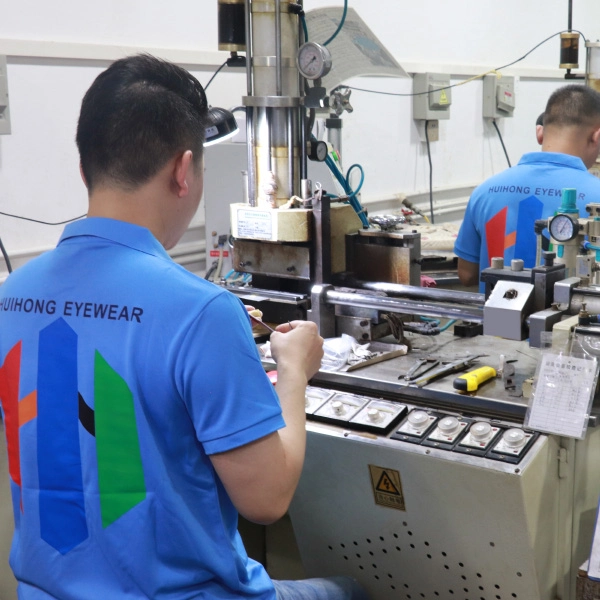
Premium titanium frame production relies on advanced techniques:
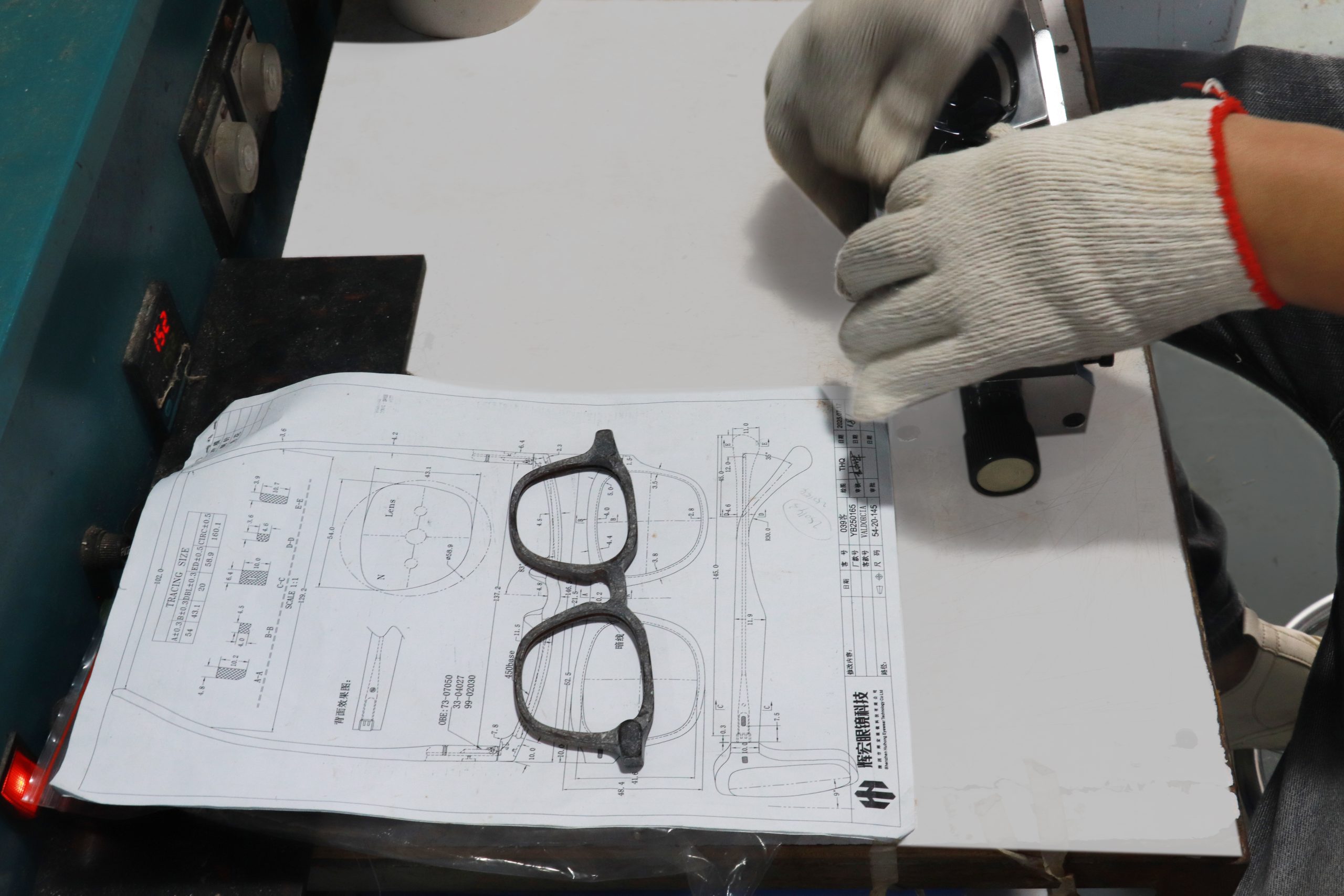
CNC Machining: Precision cutting for titanium components
Laser Welding: Seamless joints for sub-10-gram frames
PVD Coating (Physical Vapor Deposition): Durable, corrosion-resistant color finishes that outperform standard plating
What to Verify in a Supplier
Material Certification: Confirmed titanium grade (GR5, Beta Titanium) with mill test reports
Compliance: ISO, CE, FDA certifications
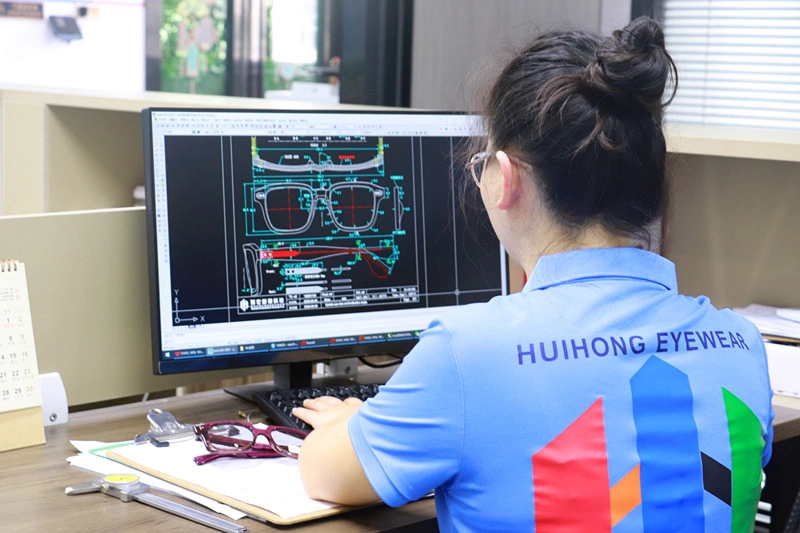
Customization Capabilities: Custom frame geometry, Pantone color matching, logo engraving (laser or embossed), branded packaging
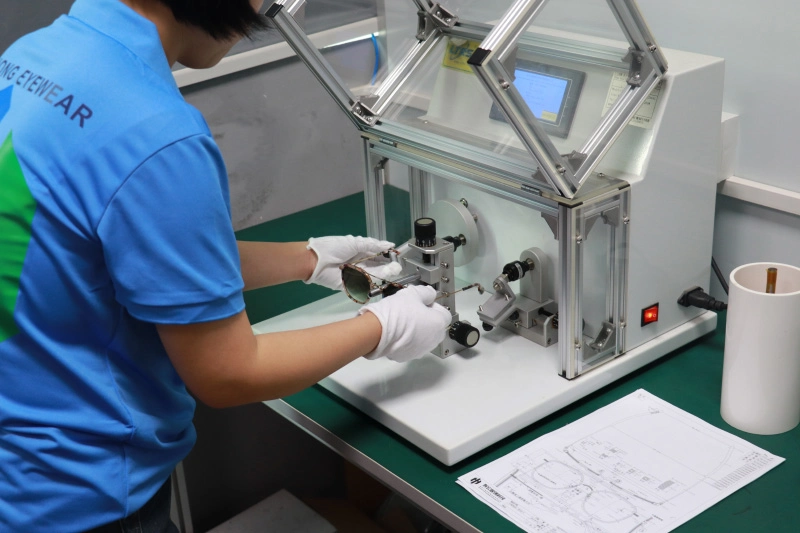
Quality Control: In-line checkpoints and traceability systems

Frequently Asked Questions
Q: Are titanium glasses frames worth the higher cost?
A: Yes. While more expensive upfront, titanium frames last three to five times longer than cheaper materials, making them more cost-effective over time.
Q: Can titanium frames be adjusted?
A: Yes, but adjustments require professional equipment and expertise due to the material’s hardness.
Q: Do titanium frames scratch easily?
A: Titanium itself is durable, but surface coatings can be scratched if not handled properly. Proper cleaning with a microfiber cloth is recommended.
Q: What’s the difference between pure titanium and beta titanium?
A: Pure titanium is ~99% titanium and naturally hypoallergenic. Beta titanium is an alloy that offers greater flexibility, making fit adjustments easier.
Q: Is titanium suitable for all lens types?
A: Yes. Titanium’s lightweight nature makes it especially suitable for high-power prescription lenses.
Conclusion
Titanium frame glasses represent the pinnacle of eyewear engineering—combining aerospace-grade strength, featherlight comfort, and hypoallergenic safety. For brands and distributors, partnering with the right OEM manufacturer who understands titanium’s unique properties and production requirements is the key to delivering premium products that stand out in the market.
Whether you’re developing a minimalist luxury collection or high-durability sports eyewear, titanium offers the versatility and performance that today’s discerning consumers demand.