Introduction: Why Metal Frame Sunglasses Are Dominating 2026
Metal frame sunglasses are having a major moment. After years of oversized acetate styles dominating the eyewear landscape, 2026 is seeing a decisive shift toward lighter, sharper, and more refined metal designs. Brands and consumers alike are embracing the clean lines, minimalist aesthetic, and exceptional durability that metal frames deliver.
From slim rectangular silhouettes tapping into ’90s minimalism to perfectly round frames with ultra-thin temples, metal sunglasses offer a sophisticated alternative to bulkier options. This guide explores everything you need to know about metal frame sunglasses—from material selection and manufacturing processes to care and maintenance—whether you’re a brand owner sourcing OEM production or an end consumer making an informed purchase.
What Makes Metal Frame Sunglasses Stand Out?
Metal frames have earned their reputation for combining strength with elegance. Here’s why they continue to be a preferred choice across both fashion and function:
Sleek, Minimalist Aesthetic – Metal frames create a lighter visual profile than chunky acetate, pairing seamlessly with everything from casual outfits to tailored clothing. Soft lens tints in green, blue, and rose allow the metalwork itself to remain the focal point.
Exceptional Durability – Metals like stainless steel and titanium are incredibly strong, making metal frames highly resistant to bending and breaking. They’re built to withstand daily wear and tear.
Lightweight Comfort – Despite their strength, quality metal frames are remarkably lightweight, reducing strain on the nose and ears during extended wear. Many users describe a “barely there” feeling.
Adjustable Fit – Metal frames typically feature adjustable nose pads, allowing for a customized grip that acetate frames—with their fixed bridges—simply cannot match.
Timeless Versatility – Metal frames never go out of style. From aviators to double-bridge designs to delicate round frames, metal lends itself to classic silhouettes that remain relevant season after season.
Key Metal Materials: Choosing the Right Alloy
Not all metal frame sunglasses are created equal. Understanding the main materials helps align your choice with priorities like weight, budget, and skin sensitivity.
Titanium
Titanium is widely considered the premium option. It’s lightweight, exceptionally strong, and corrosion-resistant—ideal for long-term wear, even in humid or coastal environments. Titanium is also hypoallergenic, making it the top choice for those with nickel sensitivities.
Best for: Premium collections, sensitive skin, maximum durability with minimum weight.
Stainless Steel
Stainless steel offers an excellent balance of strength, flexibility, and price. It allows for slim, modern designs with solid durability, and many modern lines use nickel-free alloys at skin contact points.
Best for: Everyday wear, cost-effective production, balanced performance.
Monel and Mixed Alloys
Monel—a copper-nickel base alloy—is one of the most commonly used metals in frame manufacturing. These blends are versatile and cost-conscious, making them popular in fashion eyewear.
Note: Some alloys may contain nickel. If skin sensitivity is a concern, titanium or nickel-free stainless steel are safer options.
Aluminum
Aluminum is typically very light and visually distinctive, often used in design-forward frames. It offers the lightness of titanium at a more accessible price point.
Best for: Lightweight designs, modern aesthetics, budget-conscious premium feel.
Metal vs. Acetate: A Quick Comparison

Choosing between metal and acetate ultimately comes down to personal preference and lifestyle needs. If you value a sleek, modern look with exceptional durability and adjustability, metal frames are the ideal choice.
The OEM Manufacturing Process: From Concept to Completion
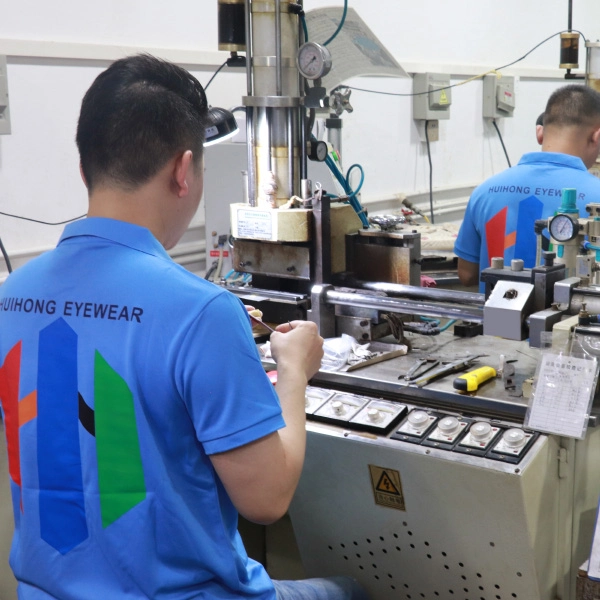
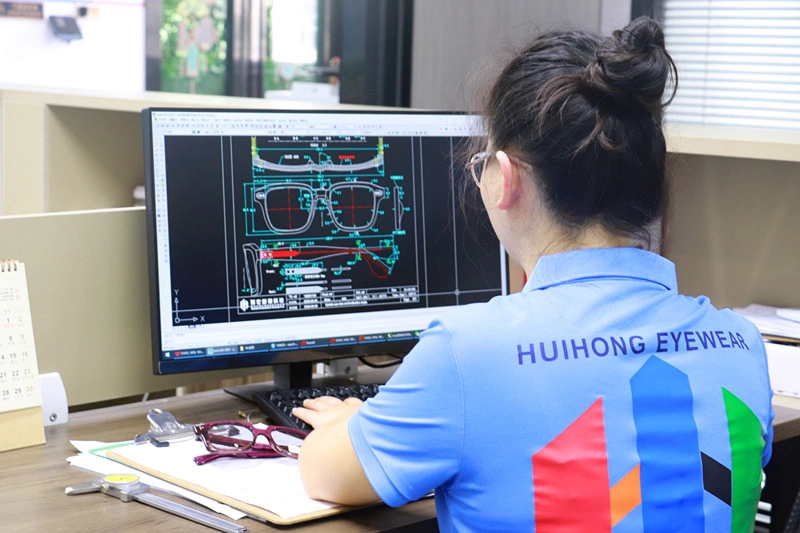
For brands looking to develop their own metal frame sunglasses line, understanding the manufacturing process is essential. The OEM eyewear customization journey involves multiple stages—from initial design to final delivery.
1. Collaborative Product Development
Work closely with manufacturers to determine optimal frame materials (titanium, stainless steel, monel, etc.) and styles that balance design vision with production efficiency. Both existing sample modifications and entirely new designs can be accommodated.
2. Precision Manufacturing
Metal frame production involves several specialized processes:
Laser welding for precise, clean joins
CNC machining for accurate shaping
Multiple plating options for finishes
Electroplating for silver and other metallic finishes
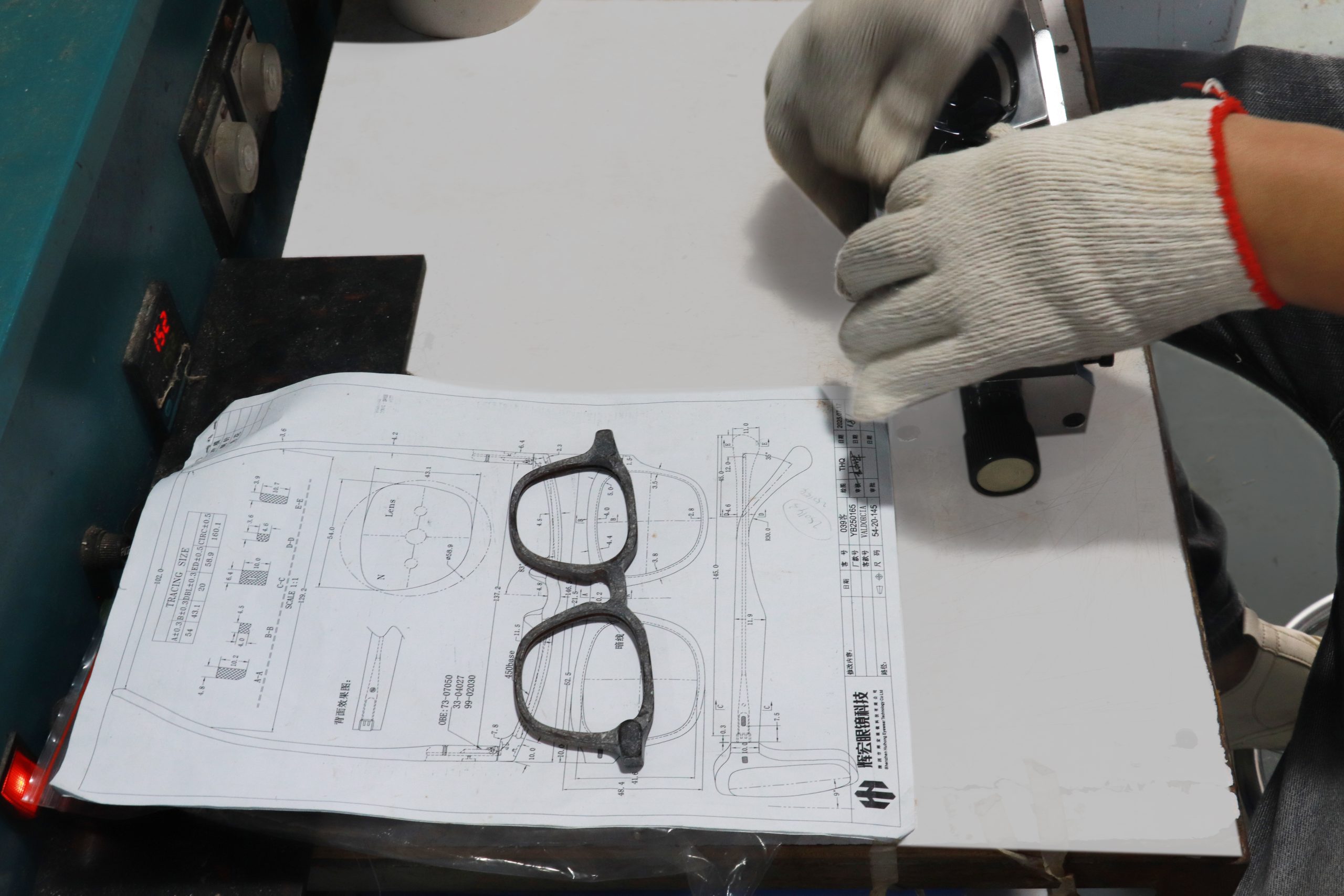
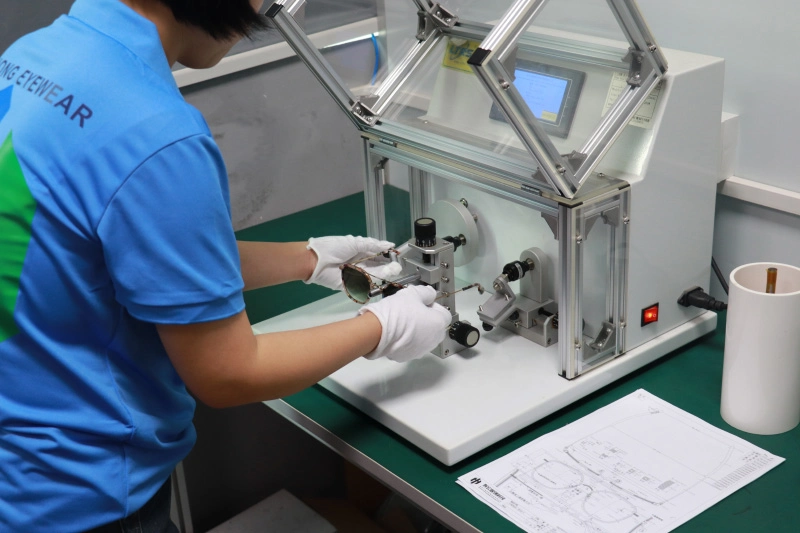
3. Quality Assurance
Reputable manufacturers follow ISO 12870 compliance standards with multi-stage inspection processes. Sample adjustments typically require 3-5 business days to ensure perfect fit and finish before mass production begins.
4. Surface Treatment
Finishing touches include coloring, spraying, and surface treatments that make frames resistant to scratches and wear. Both manual and automated finishing techniques are employed depending on the complexity and volume.
Care and Maintenance: Making Your Metal Frames Last
Proper care extends the life of metal frame sunglasses significantly. Follow these expert guidelines:
Daily Cleaning – Wipe lenses with a microfiber cloth every time you put them on. For deeper cleaning, rinse with lukewarm water and mild soap, then dry with a soft cloth.
Avoid Harsh Chemicals – Never use household cleaners, alcohol wipes, ammonia, or solvents—they can scratch lenses and damage coatings.
Rinse Off Contaminants – Always rinse off sea water, sweat, or chemicals promptly. Skin acidity and sweat can corrode metal surfaces over time.
Proper Storage – Store in a breathable dust bag or case when not in use to prevent scratches and bending. Keep away from direct sunlight, heat, and high humidity.
Professional Adjustments – While metal frames are pliable and can often be bent back into shape by an optician, avoid DIY adjustments that could stress the hinges.

Frequently Asked Questions
Are metal frame sunglasses durable?
Yes. Well-made metal sunglasses are highly durable and long-lasting, with materials like titanium and stainless steel offering excellent resistance to corrosion and bending.
Are metal frames heavier than plastic?
Not necessarily. Quality metal frames—especially titanium—are often lighter than their plastic counterparts while offering superior strength.
Can metal frames cause skin allergies?
Some metal alloys contain nickel, a common allergen. However, titanium and nickel-free stainless steel options are hypoallergenic and safe for sensitive skin.
Are metal frames adjustable?
Yes. One of the biggest advantages of metal frames is their adjustable nose pads and temples, allowing for a precise, customized fit.
Do metal frames get hot in sunlight?
Metal can absorb heat if left in direct sunlight for extended periods. However, this is rarely an issue during normal wear and can be avoided with proper storage.
Conclusion
Metal frame sunglasses represent the perfect intersection of style, durability, and comfort. As 2026 trends continue to favor lighter constructions and sharper geometry, metal designs are proving they’re not just a passing fad—they’re a lasting staple in premium eyewear.
Whether you’re a brand exploring OEM partnerships or a consumer seeking the perfect pair, understanding the materials, manufacturing processes, and maintenance requirements ensures you make the right choice. From titanium’s premium lightweight feel to stainless steel’s reliable performance, metal frame sunglasses offer something for every preference and purpose.