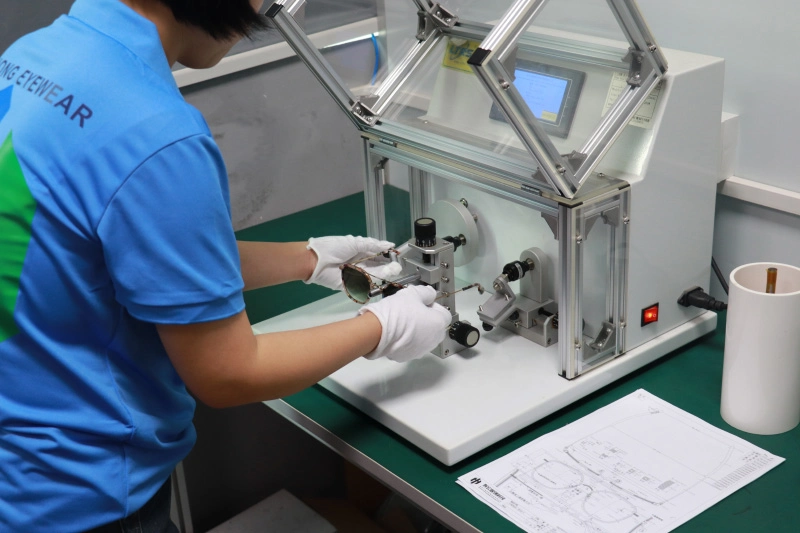
Selecting the right frame material is one of the most critical decisions for any eyewear brand. It directly impacts product positioning, pricing strategy, customer satisfaction, and long-term brand reputation. With three dominant materials dominating the market—TR90, acetate, and metal—understanding their strengths, limitations, and ideal use cases is essential for building a successful eyewear collection.
In this comprehensive guide, we break down each material across key performance metrics, help you align material choices with your brand identity, and explain how partnering with an experienced manufacturer can elevate your product line.
Why Frame Material Matters for Your Brand
Before diving into the comparison, it’s important to recognize that frame material influences nearly every aspect of your product:
Perceived value and price point – Premium materials command higher retail prices
Wearing comfort – Weight, flexibility, and hypoallergenic properties affect customer loyalty
Durability and longevity – Directly impacts warranty policies and return rates
Design flexibility – Some materials support bolder shapes, colors, and textures than others
Target audience fit – Sports users, professionals, children, and fashion consumers all have different material preferences
Choosing the wrong material can result in high return rates, negative reviews, and misaligned brand positioning.
1. TR90 Frames: Lightweight, Flexible, and Impact-Resistant
What is TR90?
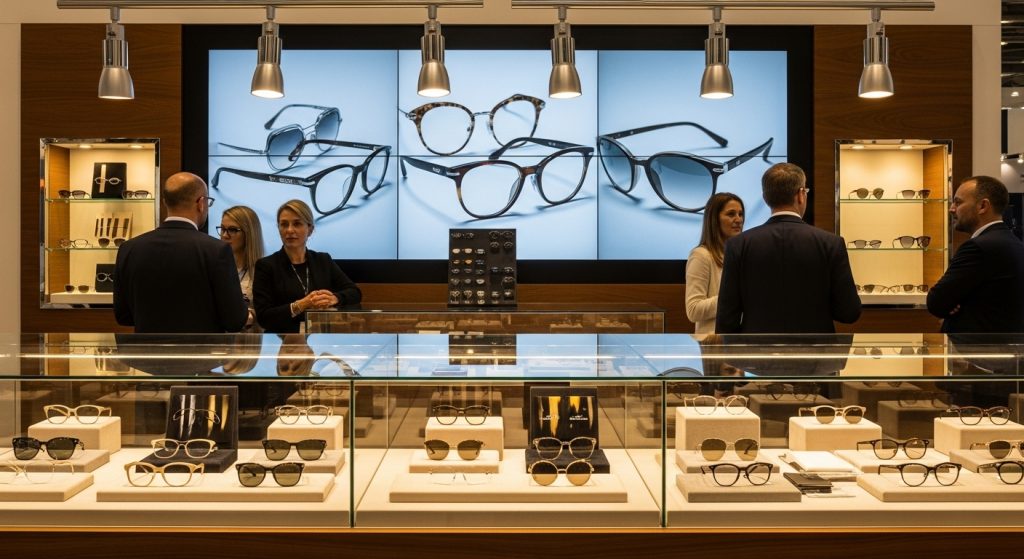
TR90 is a thermoplastic polyamide resin—a high-performance polymer originally developed for aerospace and medical applications. It has become one of the most popular frame materials in modern eyewear due to its exceptional lightweight properties and memory-like flexibility.
Key Advantages of TR90
Ultra-lightweight: With a density of only 1.14 g/cm³, TR90 is approximately 20–25% lighter than traditional plastic frames and significantly lighter than most metal options. This translates to all-day wearing comfort with minimal nose and ear pressure.
Superior flexibility and memory effect: TR90 can be bent, twisted, and even folded without breaking, then spring back to its original shape. This “memory plastic” property makes it highly resistant to deformation from daily handling.
Excellent impact resistance: The material absorbs shock effectively, reducing the risk of cracking or shattering on impact. This makes it a top choice for sports eyewear and children’s glasses.
Hypoallergenic and skin-friendly: TR90 is biocompatible and does not contain harmful chemicals, making it suitable for customers with sensitive skin.
Wide color range: Supports vibrant solid colors and gradient effects through injection molding.
Cost-effective production: Compared to premium acetate and titanium, TR90 offers strong performance at a more accessible price point.
Limitations of TR90
Perceived value: Some consumers associate plastic frames with lower quality, which may not align with luxury positioning.
Limited premium texture: Lacks the deep, rich visual depth of layered acetate.
Heat sensitivity: While it can withstand short bursts of high temperature (up to 350°C briefly), prolonged exposure to extreme heat (such as leaving glasses in a car dashboard) may cause deformation.
Surface finish constraints: Paint coatings on lower-quality TR90 may chip over time.
Ideal Brand Positioning for TR90
Sports and active lifestyle eyewear brands
Children’s and teen eyewear lines
Value-oriented optical collections
Travel and casual everyday frames
Brands targeting students and young professionals
2. Acetate Frames: Premium Aesthetics and Timeless Quality
What is Acetate?
Cellulose acetate, commonly referred to simply as “acetate,” is a plant-based plastic derived from cotton or wood pulp. It is the gold standard for premium fashion eyewear, prized for its luxurious appearance, rich color depth, and timeless appeal. Unlike injection-molded plastics, acetate frames are typically cut from laminated sheets, allowing for multi-layered colors and unique patterns.
Key Advantages of Acetate
Unmatched aesthetic versatility: Acetate supports an almost unlimited range of colors, patterns, and textures—from classic tortoiseshell and marble effects to transparent gradients and bold solid hues. Layered acetate creates a depth that cannot be replicated by injection-molded plastics.
Premium look and feel: The material has a substantial, high-quality hand feel that immediately signals quality to consumers. It is the material of choice for most designer and luxury eyewear brands.
Hypoallergenic and skin-friendly: Made from natural cellulose, acetate is non-irritating and suitable for sensitive skin.
Excellent durability: When properly manufactured, acetate frames are rigid, hold their shape well, and can last for many years with proper care.
Polishability: Scratches on acetate can often be buffed out, extending the frame’s lifespan.
Sustainability profile: Being plant-derived, acetate has better eco-credentials than petroleum-based plastics—a growing selling point for environmentally conscious consumers.
Limitations of Acetate
Heavier than TR90: Full acetate frames have more substance and weight, which some wearers may find fatiguing over very long days.
Higher production cost: The lamination, cutting, and hand-finishing processes are more labor-intensive, driving up manufacturing costs.
Less flexible: Acetate is rigid and does not have the memory-flex properties of TR90. Excessive force can cause it to snap.
Requires adjustment expertise: Proper fitting requires heating and skilled adjustment by an optician.
Ideal Brand Positioning for Acetate
Designer and fashion-forward eyewear brands
Mid-to-premium optical collections
Retro and vintage-inspired lines
Brands emphasizing craftsmanship and material quality
Sustainable and eco-conscious eyewear labels
3. Metal Frames: Sleek, Sophisticated, and Built to Last
What are Metal Frames?
Metal eyewear frames encompass a range of alloys, each with distinct properties. The most common categories include:
Titanium and β-titanium: The premium tier, offering exceptional strength-to-weight ratio
Stainless steel: A durable, mid-range option with good corrosion resistance
Monel and other alloys: Entry-level metal options with broad design flexibility
For premium brands, titanium stands as the flagship metal material, combining lightness, strength, and hypoallergenic properties.
Key Advantages of Metal Frames
Sleek, minimalist aesthetic: Thin metal rims create an elegant, refined look that works exceptionally well for business and professional settings.
Exceptional durability: High-quality metal frames—especially titanium—are extremely strong and resistant to everyday wear and tear.
Lightweight at the premium end: Pure titanium is roughly 40% lighter than stainless steel, offering remarkable comfort for all-day wear.
Hypoallergenic options: Titanium and surgical-grade stainless steel are biocompatible and ideal for customers with metal allergies or nickel sensitivity.
Adjustability: Metal frames can be precisely bent and adjusted for a customized fit.
Timeless appeal: Classic metal designs have enduring market longevity and transcend fast-fashion trends.
Limitations of Metal Frames
Allergy concerns with lower grades: Budget metal alloys often contain nickel, which can cause skin irritation for sensitive wearers.
Weight variation: Stainless steel and alloy frames are noticeably heavier than TR90 or titanium options.
Higher cost for premium grades: Titanium frames require specialized manufacturing expertise and command higher production costs.
Color limitations: While plating and PVD coating expand color options, metal cannot match the color and pattern versatility of acetate.
Design constraints: Very bold, thick frame profiles are less practical in metal compared to acetate.
Ideal Brand Positioning for Metal Frames
Business and professional eyewear collections
Premium minimalist brands
Luxury titanium eyewear lines
Classic and timeless optical collections
Brands targeting mature consumers and prescription wearers
Side-by-Side Comparison: TR90 vs. Acetate vs. Metal

How to Choose the Right Material for Your Brand
There is no single “best” material—the right choice depends on your brand strategy, target audience, and product positioning. Here is a decision framework to guide your selection:
1. Define your brand positioning first
If you are building a premium fashion brand, acetate should be your primary material, supplemented with titanium metal options for minimalist SKUs.
If you are targeting active lifestyle and sports consumers, lead with TR90 for its lightweight comfort and impact resistance.
If your focus is professional and business eyewear, titanium and stainless steel metal frames deliver the refined aesthetic your customers expect.
2. Consider your price point
Entry-to-mid price range: TR90 and stainless steel offer the best value-performance ratio.
Mid-to-premium price range: High-quality acetate and β-titanium strike the optimal balance between perceived quality and production cost.
Luxury price range: Premium Italian acetate and pure titanium justify higher retail prices through material quality and craftsmanship.
3. Match material to functionality
Sports eyewear: TR90 is the clear winner for flexibility, impact resistance, and light weight.
Children’s eyewear: TR90’s safety and durability make it the standard choice.
Fashion-forward optical: Acetate provides the broadest creative palette for designers.
All-day office wear: Titanium offers uncompromising comfort for long hours.
4. Build a mixed-material collection
Many successful brands combine multiple materials across their product line to cater to different customer segments. For example, a brand might offer:
A core acetate collection for fashion-focused customers
A titanium line for premium minimalist buyers
A TR90 active line for lifestyle and sports use
This approach maximizes market reach while maintaining a cohesive brand identity.
Bringing Your Vision to Life with a Trusted Eyewear Manufacturer
Choosing the right materials is only the first step. Execution quality—precision manufacturing, skilled craftsmanship, and reliable production—determines whether your frames live up to their material potential.
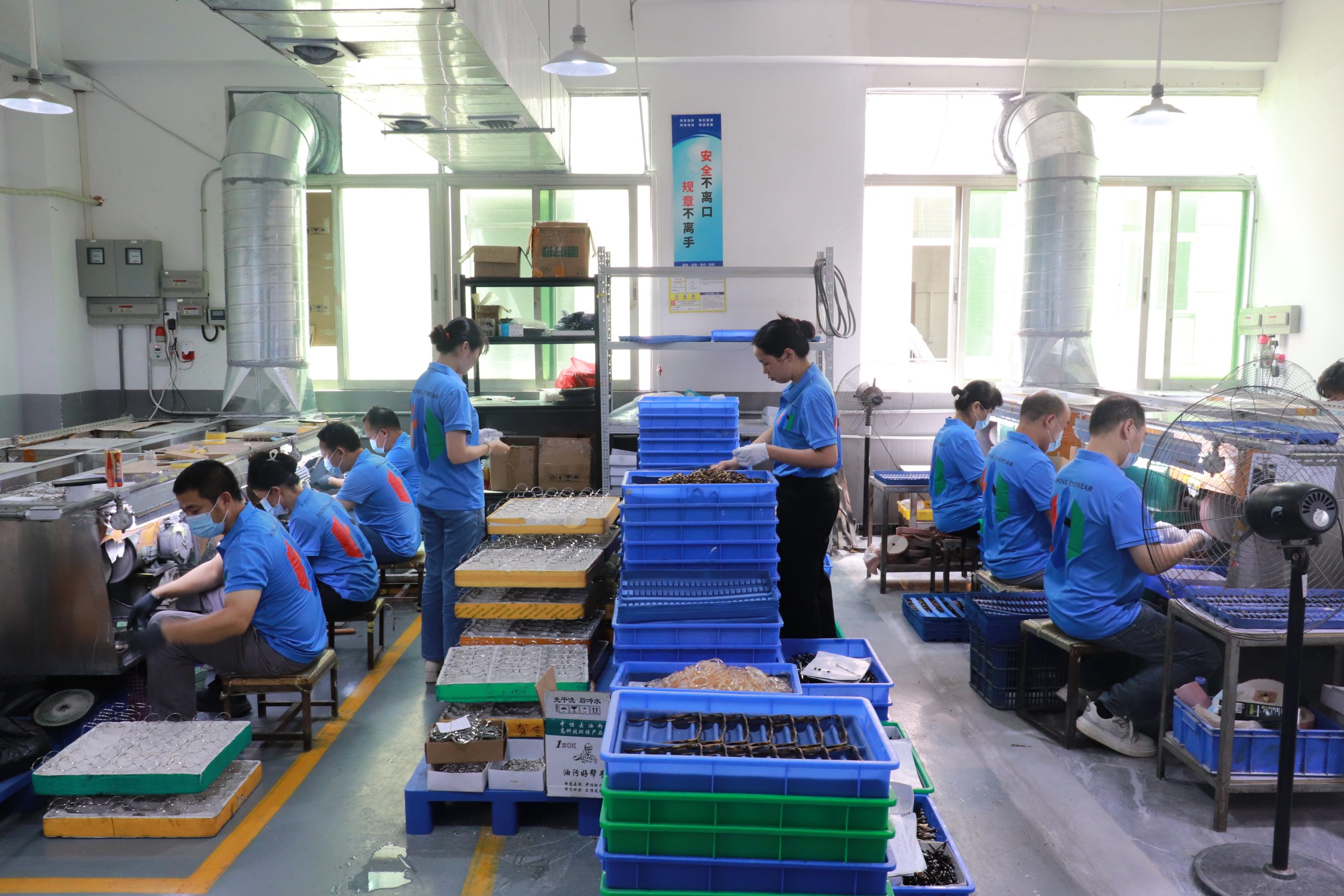
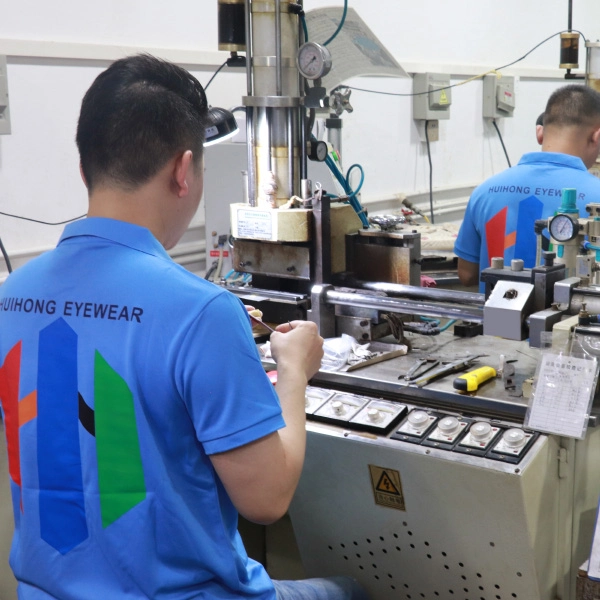
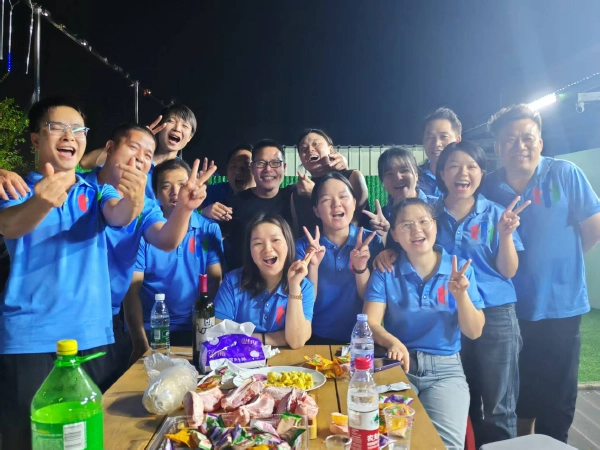
At Shenzhen Huihong Eyewear Technology Co., Ltd., we specialize in the design, development, and OEM/ODM production of high-end eyewear. Since our founding, we have partnered with independent brands, designer labels, and premium retailers worldwide, bringing unique eyewear visions to life through exceptional craftsmanship and reliable service.
Our core manufacturing expertise includes:
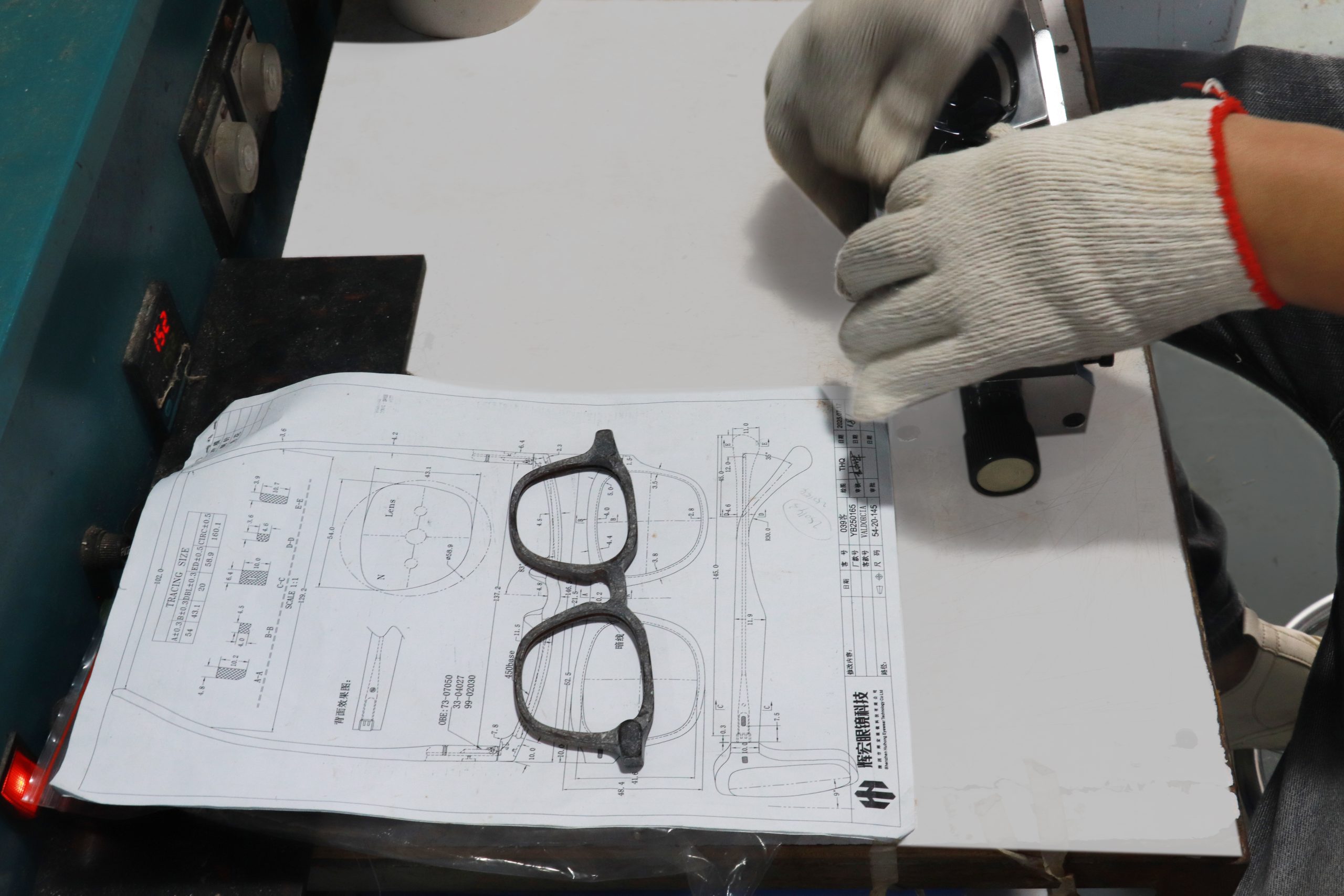
Acetate frames: Mastery of premium cellulose acetate processing, from multi-layer lamination to hand-finished detailing.
Titanium and metal frames: Precision metalworking with titanium, stainless steel, and specialty alloys.
Low-volume, high-quality custom production: We support emerging and established brands with flexible order quantities that do not compromise on craftsmanship.
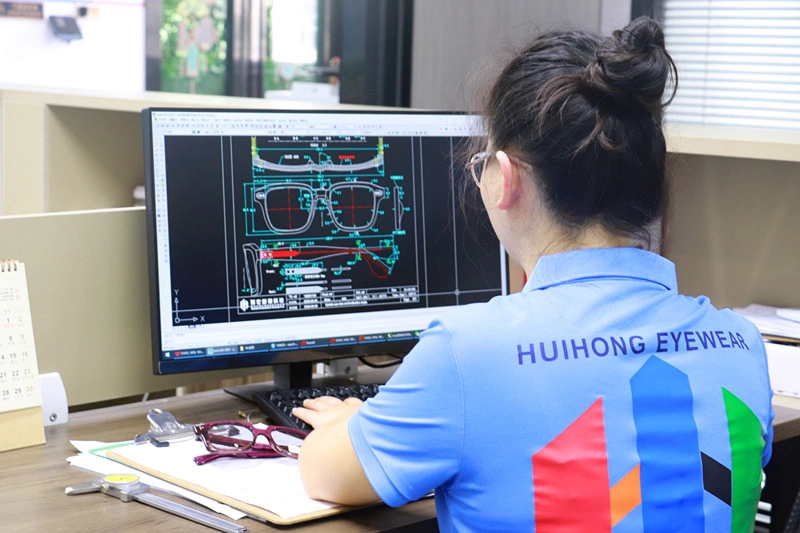
End-to-end support: From concept prototyping and sample development to bulk production and delivery, we guide your project through every stage with flexibility, speed, and precision.
Our client base spans Japan, Korea, Europe, and North America. Many partners return to us not just for consistent quality, but for the trust, transparency, and shared values we bring to every collaboration. Whether you are launching your first eyewear collection or expanding an established line, our technical team can help you select the optimal materials and construction methods to match your brand goals.
Final Thoughts
TR90, acetate, and metal each bring distinct advantages to the table. TR90 excels in lightweight comfort and durability for active use; acetate delivers unmatched aesthetic depth and premium appeal for fashion brands; and metal—especially titanium—offers sleek sophistication and lasting quality for discerning wearers.
The most successful eyewear brands do not choose one material exclusively. They understand the strengths of each, align them with specific product lines and customer segments, and work with experienced manufacturers to ensure every frame meets the highest quality standards.
If you are ready to develop or expand your eyewear collection with expert material guidance and precision manufacturing, contact the Huihong Eyewear team to discuss your project.