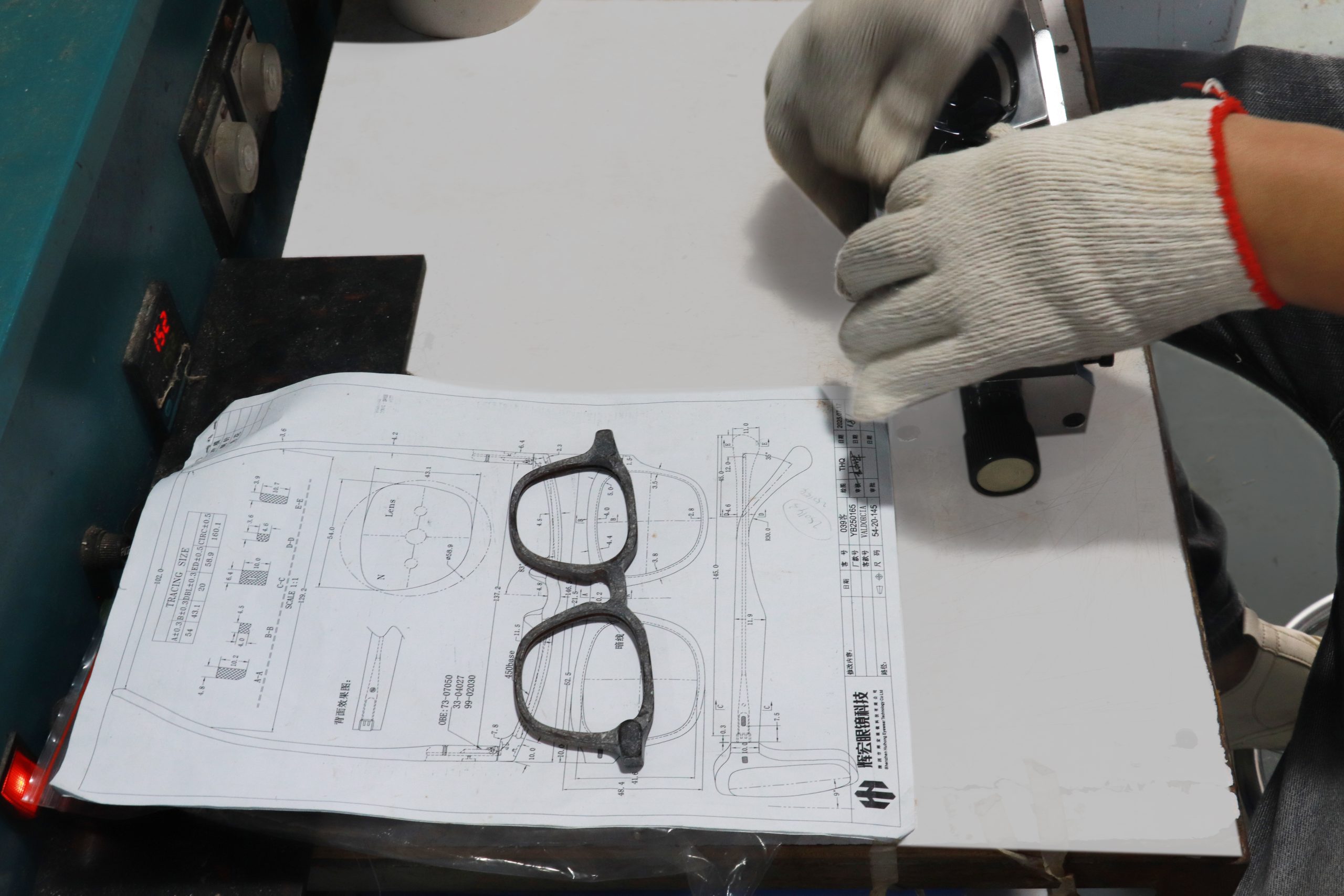
Metal frame glasses have re-emerged as one of the most compelling eyewear categories in 2026, offering a refined alternative to the oversized acetate styles that dominated recent years. Whether you are an eyewear brand planning your next collection or an individual looking for the perfect pair, understanding what makes metal frames stand out—from material selection to manufacturing precision—is essential. This guide covers everything you need to know about metal frame glasses, including material types, key benefits, selection criteria, and maintenance best practices.
What Are Metal Frame Glasses?
Metal frame glasses refer to eyeglasses or sunglasses with frames constructed from metal materials such as titanium, stainless steel, aluminum, or various metal alloys. Unlike plastic or acetate frames, metal frames offer a sleek, minimalist appearance with thinner profiles and lighter constructions. They can be crafted in full-rim, semi-rimless, or rimless styles, catering to diverse aesthetic preferences and functional requirements.
Common Metals Used for Eyeglass Frames
The choice of metal significantly impacts weight, durability, comfort, and cost. Here are the most common materials used in metal frame glasses manufacturing:
Titanium – Known for its exceptional strength-to-weight ratio, titanium is approximately 40% lighter than other metals while remaining highly corrosion-resistant. It is hypoallergenic, making it ideal for individuals with sensitive skin or nickel allergies. Titanium frames are strong yet flexible—if bent, they can return to their original shape.
Beta Titanium – A titanium-based alloy containing small amounts of aluminum and vanadium, beta titanium offers greater flexibility than pure titanium, making fitting adjustments easier and providing a more forgiving wear experience.
Stainless Steel – A popular and affordable option, stainless steel frames offer excellent durability, resistance to corrosion, and a slim, modern profile. Many modern stainless steel frames are designed with nickel-free or low-nickel alloys at skin contact points to minimize allergic reactions.
Memory Metal – Typically a titanium-nickel alloy (approximately 50% each), memory metal frames are incredibly flexible and can be twisted or bent to extremes without losing their original shape. This makes them ideal for active lifestyles or for wearers who frequently handle their glasses.
Monel – A nickel-copper alloy, monel is a cost-effective material commonly used in fashion eyewear. However, depending on the plating quality, it may cause skin reactions over time.
Beryllium – A lighter and more affordable alternative to titanium, beryllium resists corrosion and rust, making it suitable for individuals with acidic skin or those who spend time near saltwater.
Key Advantages of Metal Frame Glasses
Durability and Longevity – Metal frames, particularly those made from titanium and stainless steel, are known for their strength and resistance to wear. Unlike plastic frames that may stretch or warp over time, metal frames retain their original shape and functionality longer when properly maintained.
Lightweight Comfort – The use of lightweight metals such as titanium and aluminum ensures minimal pressure on the nose and ears, making metal frames comfortable for extended wear. Many wearers describe high-quality titanium frames as feeling almost unnoticeable throughout the day.
Adjustable Fit – Unlike most plastic frames, metal frames typically feature adjustable nose pads that can be manually customized to fit various nose shapes and sizes. This adjustability ensures better grip, reduces slippage, and provides a personalized fit.
Hypoallergenic Properties – For individuals with sensitive skin or metal allergies, titanium and nickel-free stainless steel options offer a hypoallergenic alternative that minimizes the risk of skin irritation.
Sophisticated Aesthetic – Metal frames convey a timeless, refined look that bridges the gap between formal and casual attire. Available in finishes such as gold, silver, rose gold, gunmetal, and black, they offer versatile styling options.
Metal vs. Plastic Frames: Which Is Right for You?
While both materials have their merits, the choice often comes down to priorities. Metal frames are generally thinner, sleeker, and more adjustable than plastic frames, offering a more refined appearance and superior long-term shape retention. Plastic frames, on the other hand, offer bolder color options, thicker profiles, and potentially better impact absorption depending on the design. For wearers who value durability, adjustability, and a minimalist aesthetic, metal frames are often the preferred choice.
How to Choose Metal Frame Glasses
Selecting the right metal frame involves several considerations:
Face Shape – Round frames can soften angular faces, while rectangular frames add structure to round faces. Oval faces are versatile and can carry most frame shapes. Heart-shaped faces often benefit from round or oval frames that balance a wider forehead.
Material Selection – Choose titanium for maximum lightness and hypoallergenic properties, stainless steel for a balance of durability and affordability, or memory metal for flexibility and resilience.
Lifestyle Considerations – Active individuals may prefer memory metal or titanium frames for their flexibility and durability. Professional settings often favor sleek stainless steel or titanium designs for their sophisticated appearance.
Fit and Measurements – Key measurements include lens width, bridge width, temple length, and lens height. Properly adjusted nose pads should rest evenly on the nose rather than concentrating pressure in a small area.
Metal Frame Glasses Care and Maintenance
Proper care extends the life of metal frame glasses significantly:
Daily Cleaning – Rinse lenses with lukewarm water before wiping to remove dust and debris that could scratch the surface. Use a clean microfiber cloth designed for eyewear—never use clothing or paper towels.
Weekly Maintenance – Perform a full wash with mild soap and water. Clean nose pads with a soft toothbrush and mild soap to remove accumulated oils and sweat.
Monthly Inspection – Check screws and tighten them if necessary. Inspect nose pads and temple tips for wear.
Avoid Corrosion – Avoid exposing metal frames to salty air, seawater, or harsh chemicals, as these can corrode the metal surface. Rinse off any saltwater or chemicals promptly.

The Manufacturing Process Behind Quality Metal Frames
For brands considering OEM or ODM partnerships, understanding the manufacturing process is crucial. High-quality metal frames typically undergo several stages:
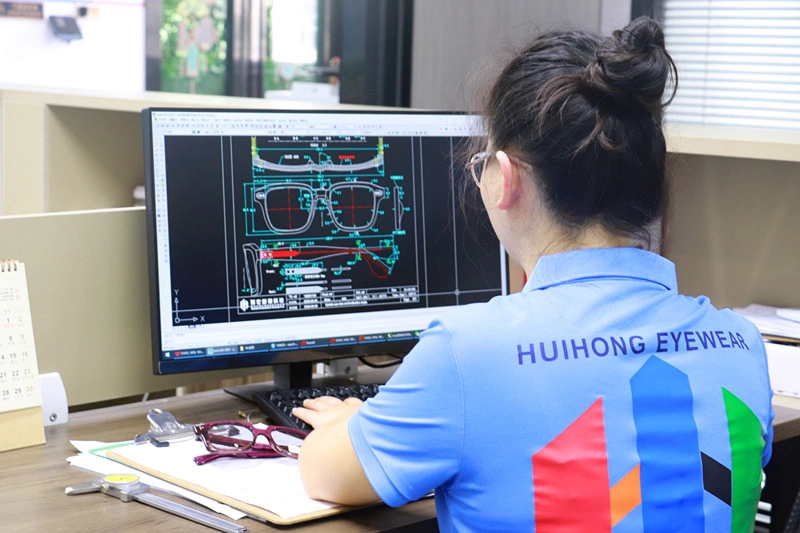
Design and Prototyping – Designers create detailed 3D models of the frame, specifying components such as bridges, temples, nose pads, and hinges. Precision in component design is critical for assembly accuracy.
Material Preparation – Metals such as stainless steel and titanium are prepared as spools of wire or flattened sheets. Modern manufacturers increasingly use laser cutting for precise frame piece production.
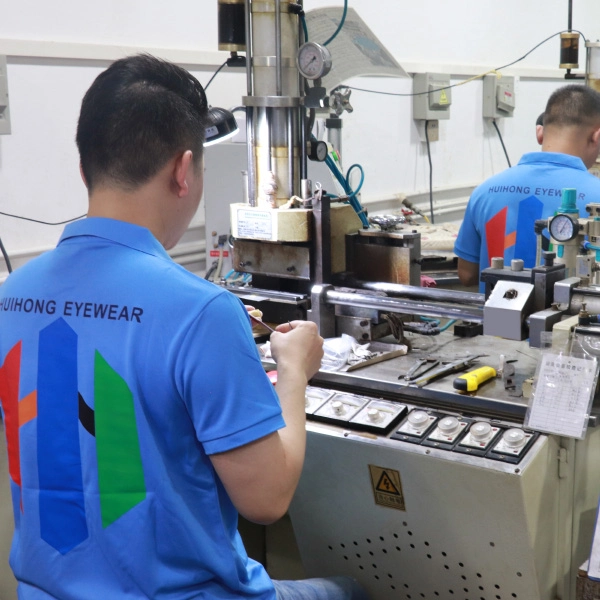
Forming and Assembly – Frame pieces are shaped, with nose pad hinges soldered on and temple arms attached to the frame front. Skilled craftsmen perform fine adjustments to ensure quality.
Surface Treatment – Advanced processes such as Physical Vapour Deposition (PVD) apply thin layers of precious metal alloys in a vacuum chamber, ensuring durable, high-quality finishes.
Quality Control – Strict quality control systems ensure frames meet global standards for durability, finish, and structural integrity.
2026 Trends: Why Metal Frames Are Back
Metal frames are experiencing a significant resurgence in 2026. Industry observers note a stronger emphasis on metal, particularly in the luxury segment where brands are incorporating handcrafted details that feel both artisanal and modern. Thin metal frames continue to dominate eyewear trends, with dual-color finishes—such as inner gold and outer black—adding fresh perspectives to classic designs. The global titanium metal glasses frames market alone was valued at approximately USD 3.49 billion in 2025 and is projected to grow at a CAGR of 5%.
Final Thoughts
Metal frame glasses offer an exceptional combination of durability, lightweight comfort, adjustability, and timeless style. Whether you are an eyewear brand developing a new collection or an individual seeking the perfect frame, understanding the nuances of metal materials, manufacturing quality, and proper care will help you make informed decisions. As the eyewear industry continues to evolve, metal frames remain a cornerstone of sophisticated, long-lasting eyewear design.