When buying new glasses, durability matters as much as style. Nobody wants bent frames, broken hinges, or lenses that shift after a few months. But with titanium, acetate, stainless steel, and memory metal on the market, which one truly lasts?
Durability isn’t just about surviving a drop. It includes strength-to-weight ratio, corrosion resistance, flexibility, shape retention, and hinge quality. The frame material is the biggest factor in longevity.
Titanium – The Gold Standard
Titanium offers the best overall durability. It has a strength-to-weight ratio rivaling steel but weighs much less. Pure titanium resists corrosion from sweat and moisture, is hypoallergenic, and maintains its shape for 5–10 years with proper care.
Beta titanium adds flexibility – frames bend and spring back, perfect for active users or those who frequently take glasses on and off.
Pros: Lightweight, strong, rust-proof, hypoallergenic, long lifespan
Cons: Higher price ($300–800+)
Best for: Those who want the longest-lasting frames and can invest more
Acetate – The Sturdy Classic
Acetate is a plant-based plastic (cotton/wood pulp). High-quality acetate is flexible, impact-resistant, and holds color permanently (color runs through the material). Thicker acetate frames are notably more durable than thin ones.
Pros: Impact-resistant, retains shape, hypoallergenic, rich colors
Cons: Can scratch, may become brittle in extreme heat
Price: $100–300
Best for: Style-conscious users who prefer bold frames and moderate durability
Stainless Steel – Durable & Affordable
Stainless steel offers a great balance of strength and cost. It resists rust and corrosion, and is sturdy enough for daily wear.
Pros: Strong, affordable, corrosion-resistant
Cons: Heavier than titanium (15–25g vs 8–15g)
Price: $150–400
Best for: Budget-conscious buyers who still want metal durability
Memory Metal – Bendable Resilience
Memory metal (often a titanium alloy) can be twisted or bent and returns to its original shape. This makes it nearly indestructible against accidental bending.
Pros: Extremely flexible, spring-back capability
Cons: Less rigid fit for some preferences
Best for: Active lifestyles or clumsy users
How to Choose

Beyond material, check hinge quality (spring hinges last longer), frame design (full-rim is more protective), and proper fit (reduces stress).
Care Tips to Extend Life
Clean with microfiber cloth and mild soap – avoid harsh chemicals
Store in a case
Keep away from extreme heat (e.g., hot car)
Get professional adjustments – DIY can damage even the toughest frames
Quality Frames Start with Quality Manufacturing
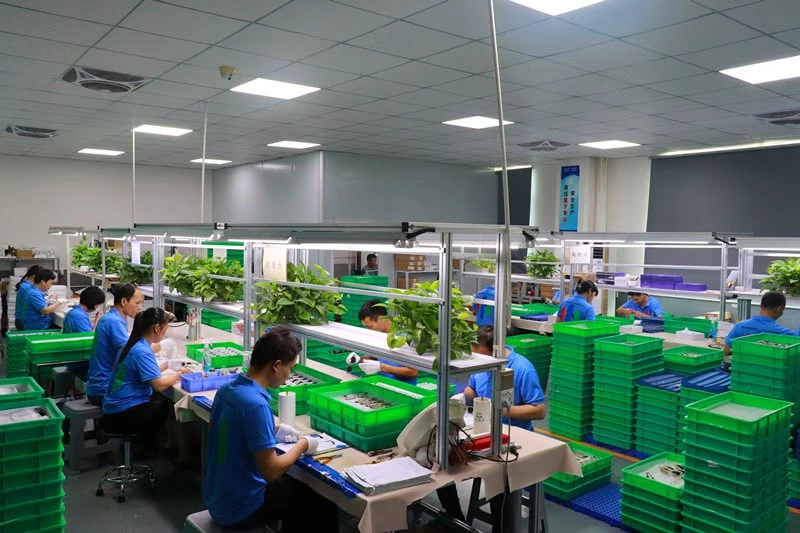
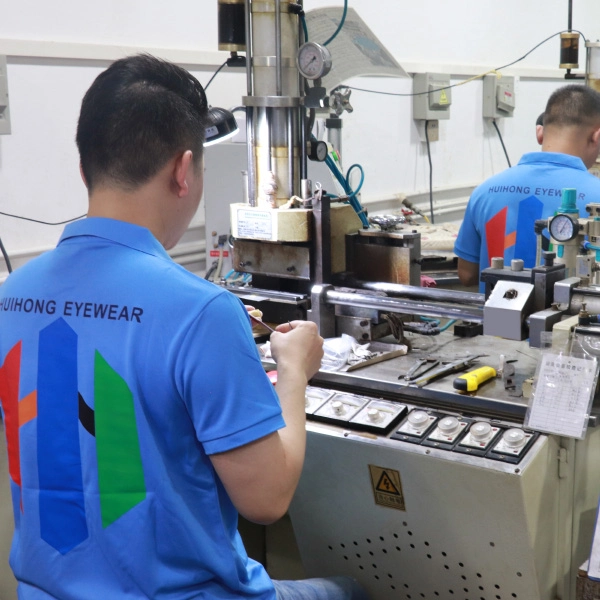
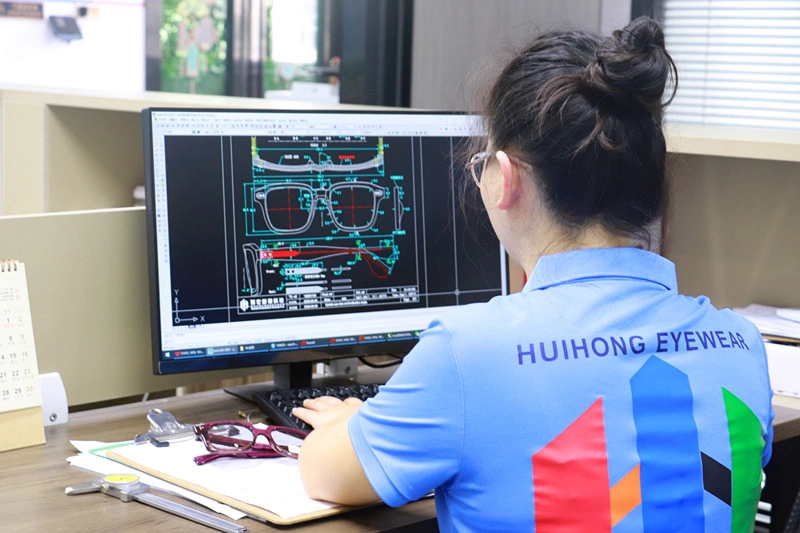
Durability depends not only on material but also on craftsmanship. Huihong Eyewear is a specialized manufacturer dedicated to the design, development, and OEM/ODM production of high-end eyewear. We partner with independent brands, designer labels, and premium retailers worldwide – from Japan and Korea to Europe and North America.
Our expertise covers acetate, titanium, and metal frames, with a strong capability in low-volume, high-quality custom production. From concept prototyping to bulk delivery, we support brands with flexibility, speed, and precision. Many clients return to us not just for quality, but for trust and shared value.
Final Verdict
The most durable frame material is titanium for overall longevity, followed by acetate for impact resistance and style, and stainless steel for budget-friendly strength. Choose based on your lifestyle, invest in quality, and care for your frames – and they’ll serve you for years.