When it comes to eyewear, the frame gets all the attention—but the lenses are what truly define the wearing experience. The right lens material determines not just how clearly you see, but how comfortable your glasses feel, how long they last, and even how safe they are. With so many options available today, understanding the differences between lens materials is essential for making an informed decision.
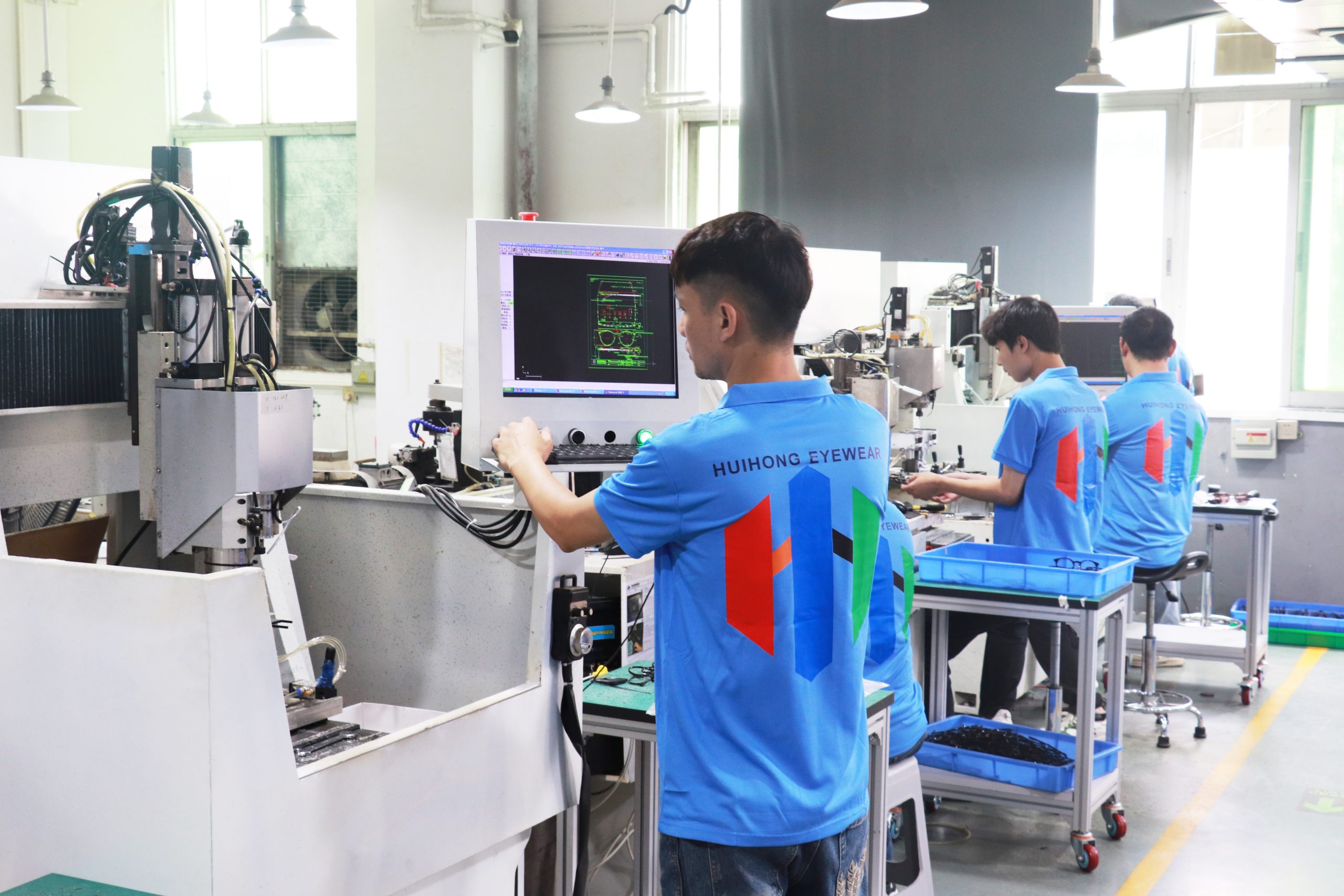
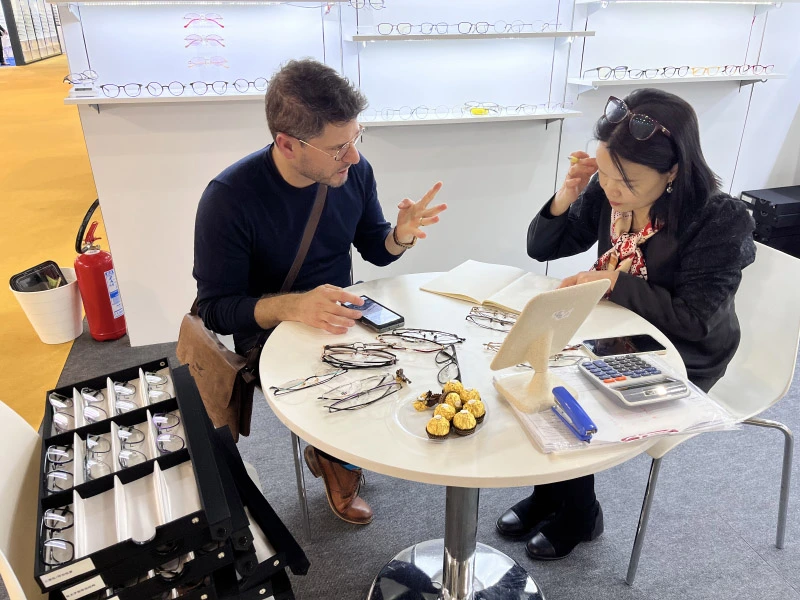
At Shenzhen Huihong Eyewear Technology Co., Ltd., we specialize in crafting high-end eyewear for independent brands, designer labels, and premium retailers worldwide. Through years of collaboration with clients across Japan, Korea, Europe, and North America, we’ve seen firsthand how lens material selection can make or break a product. This guide breaks down the most common eyeglass lens materials—their strengths, trade-offs, and ideal use cases—to help you choose wisely.
CR-39 (Standard Plastic): The Reliable Classic
CR-39, also known as standard plastic or resin, has been the backbone of the eyewear industry since the 1940s. It remains the most popular lens material in the United States, accounting for over 50 percent of all lenses sold.
What makes it special: CR-39 offers excellent optical clarity with a high Abbe value of 58, which means minimal color distortion and crisp vision. It’s about half the weight of glass lenses, relatively affordable, and offers the highest scratch resistance of any uncoated optical plastic.
Where it falls short: CR-39 has a refractive index of 1.498, making it thicker than other materials—especially for stronger prescriptions. It’s also less impact-resistant than polycarbonate or Trivex, so it’s not ideal for sports or children’s eyewear.
Best for: Low to moderate prescriptions, budget-conscious buyers, and everyday eyewear where thickness isn’t a concern.
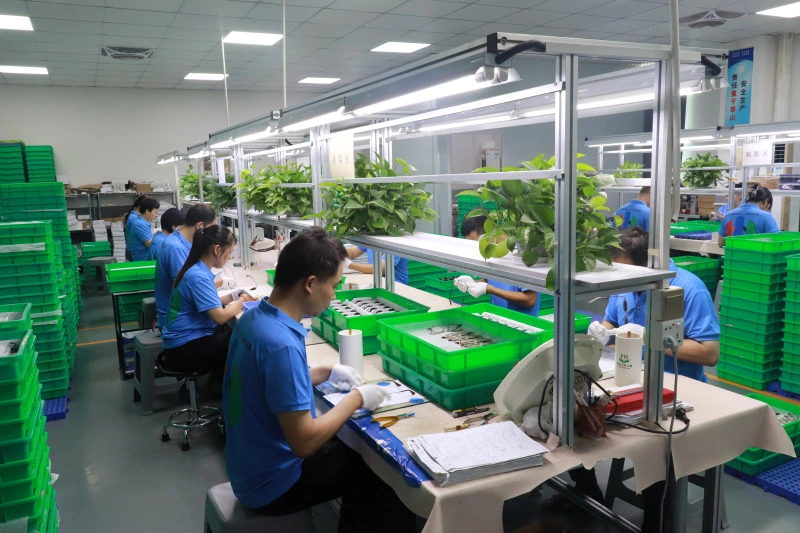
Polycarbonate: The Impact-Resistant Workhorse
Introduced in the 1970s, polycarbonate lenses revolutionized the industry with their combination of thinness, lightness, and exceptional durability.
What makes it special: Polycarbonate has a refractive index of 1.586, making it up to 30% thinner than standard plastic or glass lenses. It’s highly impact-resistant—the material of choice for safety glasses, sports eyewear, and children’s glasses. It also provides built-in 100% UV protection without requiring additional coatings.
Where it falls short: Polycarbonate has a lower Abbe value of around 30, which can result in some color distortion—particularly noticeable in higher prescriptions. It’s also prone to scratching and requires a scratch-resistant coating.
Best for: Active lifestyles, sports eyewear, children’s glasses, safety glasses, and anyone prioritizing durability.
Trivex: The Premium All-Rounder
Developed in 2001, Trivex is a newer polyurethane-based material that combines the best qualities of polycarbonate with superior optics.
What makes it special: Trivex offers exceptional impact resistance comparable to polycarbonate but with significantly better optical clarity, thanks to its higher Abbe value of approximately 43-47. It’s also the lightest lens material available—16% lighter than CR-39 and 8% lighter than polycarbonate. Trivex blocks 100% of UV rays and has excellent chemical resistance.
Where it falls short: Trivex has a refractive index of 1.53, which means it’s slightly thicker than polycarbonate (about 10%). It’s also generally more expensive—roughly double the cost of polycarbonate.
Best for: Premium eyewear, rimless and semi-rimless frames, sports enthusiasts who want clarity and protection, and anyone willing to invest in superior optical performance.
High-Index Lenses: The Thin-and-Light Solution
High-index lenses are designed for one primary purpose: making strong prescriptions thinner and lighter. Any lens material with a refractive index above 1.60 is considered high-index.
What makes it special: The higher the refractive index, the thinner the lens. A 1.74 high-index lens can be up to 65% thinner than standard CR-39 plastic. This makes high-index lenses the most cosmetically appealing option for people with strong prescriptions—no more “Coke bottle” lenses. Available in indices ranging from 1.60 to 1.74, these lenses dramatically reduce weight and thickness.
Where it falls short: Higher refractive indices typically come with lower Abbe values, meaning more chromatic aberration (color fringing). High-index lenses also reflect about 50% more light than standard lenses, making an anti-reflective coating essential. They’re also the most expensive option.
Best for: Strong prescriptions (both nearsightedness and farsightedness), anyone seeking the thinnest, lightest lenses possible, and aesthetic-conscious wearers.
Glass Lenses: The Traditional Choice
Once the only option available, glass lenses offer exceptional optical clarity and scratch resistance. However, they are significantly heavier than plastic alternatives and prone to shattering, making them impractical for most modern applications. Today, glass lenses are largely reserved for specialty use where clarity is the absolute priority and impact risk is minimal.
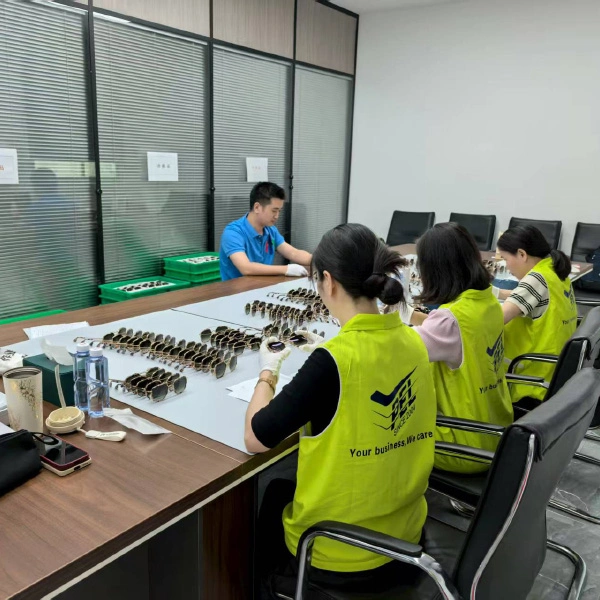
Making the Right Choice
Selecting the right lens material comes down to three key factors:
Your prescription strength. If you have a mild prescription, CR-39 offers excellent value and clarity. For stronger prescriptions, high-index lenses are almost essential to avoid thick, heavy lenses.
Your lifestyle. Active individuals, athletes, and parents buying for children should prioritize impact resistance—polycarbonate or Trivex are the clear winners.
Your budget. CR-39 is the most affordable, followed by polycarbonate, with Trivex and high-index lenses commanding premium prices.
The Huihong Difference
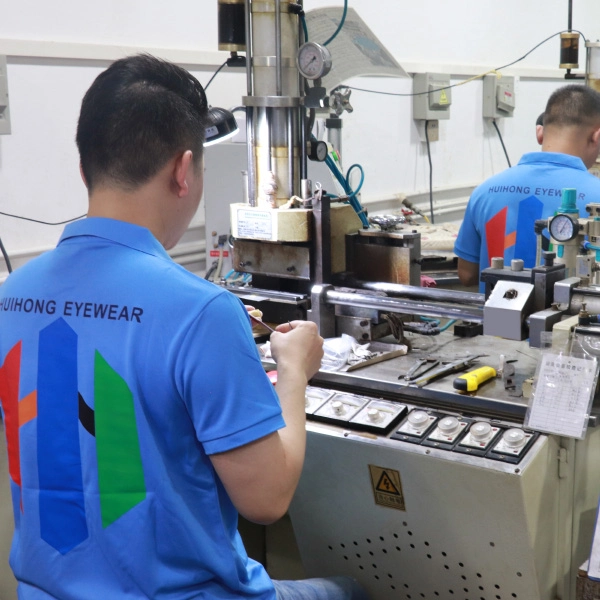
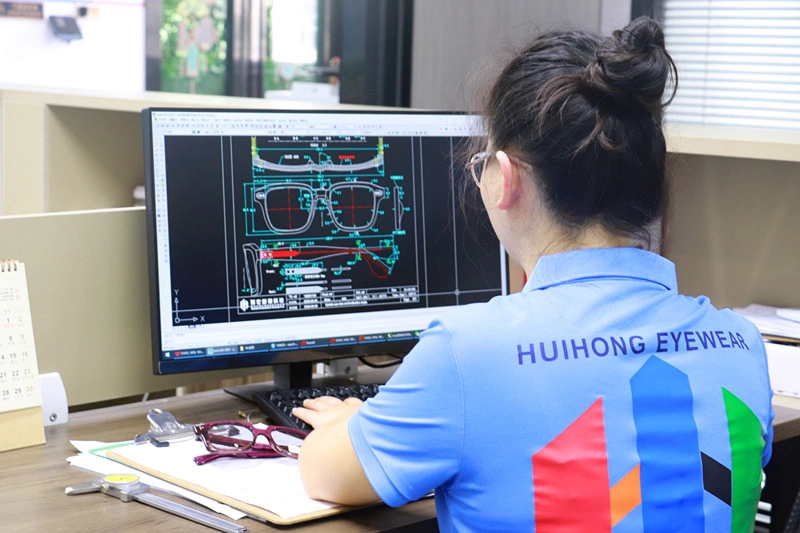
At Shenzhen Huihong Eyewear Technology Co., Ltd., we understand that lens material is just one piece of the puzzle. The frame design, lens coatings, and manufacturing precision all work together to create exceptional eyewear. That’s why we support our clients through every step—from concept prototyping to bulk delivery—with flexibility, speed, and precision.
Whether you’re developing acetate, titanium, or metal frames, our expertise in low-volume, high-quality custom production ensures your vision comes to life exactly as you imagined. We collaborate with independent brands, designer labels, and premium retailers across Japan, Korea, Europe, and North America—not just for quality, but for trust and shared value.
Choosing the right lens material is the first step toward creating eyewear that your customers will love. The rest is craftsmanship—and that’s where we excel.