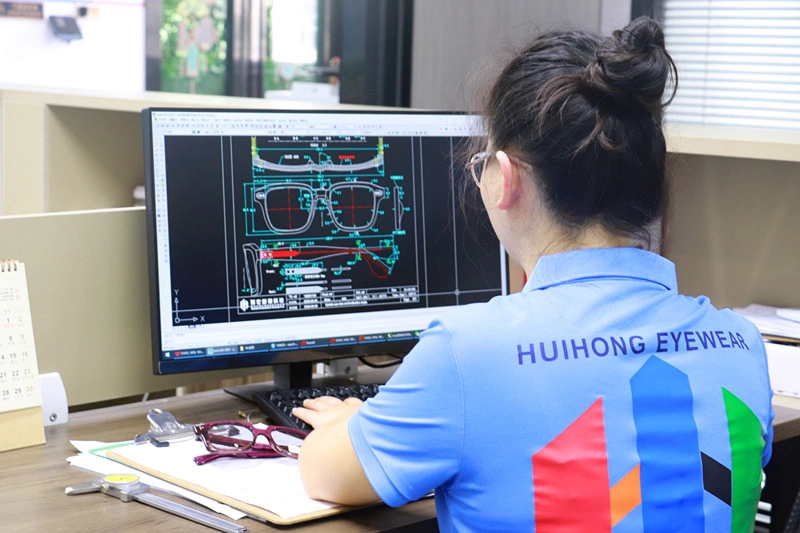
The eyewear industry is undergoing a transformation. Consumers are shifting away from mass-produced, generic frames toward unique, independent labels that tell a story. For entrepreneurs, designers, and retailers, this represents an unprecedented opportunity.
Launching your own eyewear brand in 2026 doesn’t require owning a factory or mastering every technical detail. What it does require is a clear vision, a strategic plan, and a manufacturing partner you can trust.
This guide walks you through everything you need to know—from defining your brand identity to bringing your first collection to market—with practical insights for working with an OEM eyewear manufacturer.
1. Define Your Brand Identity
Before you sketch your first frame or contact a supplier, the most important step is defining who you are as a brand. Your brand is more than your logo—it’s how your eyewear makes people feel, the story it tells, and the lifestyle it represents.
Ask yourself these questions:
Who is your target customer? Urban millennials seeking Instagram-worthy styles? Professionals looking for premium optical frames? Athletes needing high-performance sunglasses?
What’s your aesthetic direction? Minimalist titanium? Vintage acetate? Sporty polarized?
What values does your brand stand for? Sustainability? Craftsmanship? Accessibility?
When your brand identity is clear, everything else falls into place—material selection, pricing strategy, marketing messaging, and manufacturing partnerships.
2. Choose Your Business Model: OEM vs. ODM
Understanding the difference between OEM and ODM is critical for any eyewear startup.
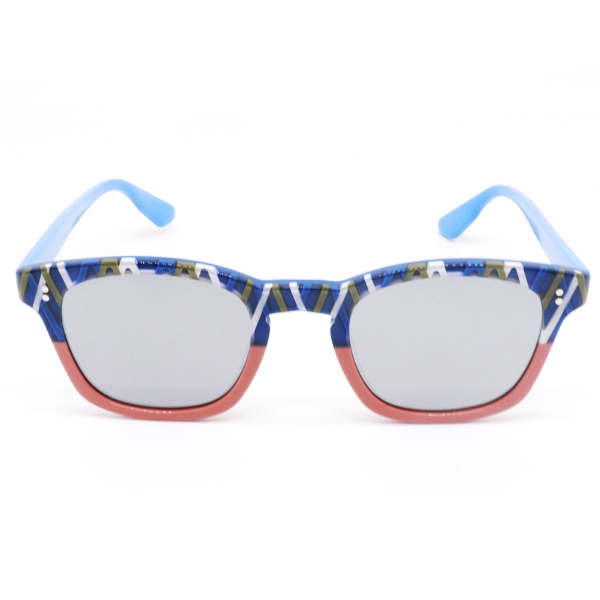
OEM (Original Equipment Manufacturer) gives you full control over your designs. You provide the specs, technical drawings, or physical reference samples, and the manufacturer produces exactly what you envision. This is the best path for brands with a unique vision who want complete ownership over their product.
ODM (Original Design Manufacturer) allows you to choose from a manufacturer’s existing designs and customize them with your branding. This gets you to market faster with lower upfront costs.
For most independent brands building a distinctive identity, OEM is the preferred route. It ensures your frames aren’t available to competitors and gives you true differentiation in a crowded market.
3. Select Your Materials and Design Your Collection
Material choice defines not just the look of your eyewear but its quality, durability, and perceived value. In 2026, consumers are increasingly discerning about materials, with sustainability and craftsmanship driving purchasing decisions.
Acetate remains the gold standard for premium frames. High-quality acetate—particularly Japanese acetate—offers rich color depth, durability, and a luxury feel that sets your brand apart. The material allows for intricate color combinations and patterns that mass-produced injection frames simply cannot replicate.
Titanium delivers lightweight resilience and a premium tactile experience. Aerospace-grade titanium offers millimetric precision and minimalist aesthetics that appeal to modern consumers.
Metal frames provide versatility and durability across a wide range of styles.
Your material choices should align with your brand identity and target price point. Premium materials command premium prices, but they also build lasting customer loyalty.
4. Find the Right OEM Eyewear Manufacturer
Selecting your manufacturing partner is perhaps the most consequential decision you’ll make. The right partner doesn’t just produce frames—they collaborate with you to bring your vision to life.
What to look for in an eyewear manufacturer:
Material expertise — Can they work with acetate, titanium, and metal at a high level?
Low MOQ flexibility — Many manufacturers require 300–500 pieces per style. For new brands, this creates massive inventory risk. Look for partners offering low-volume, high-quality custom production.
End-to-end support — From concept prototyping to bulk delivery, you need a partner who guides you through every step.
Global export experience — Manufacturers serving Japan, Korea, Europe, and North America understand diverse market requirements and quality expectations.
Quality control — Certifications like ISO, CE, and FDA indicate reliable quality standards.
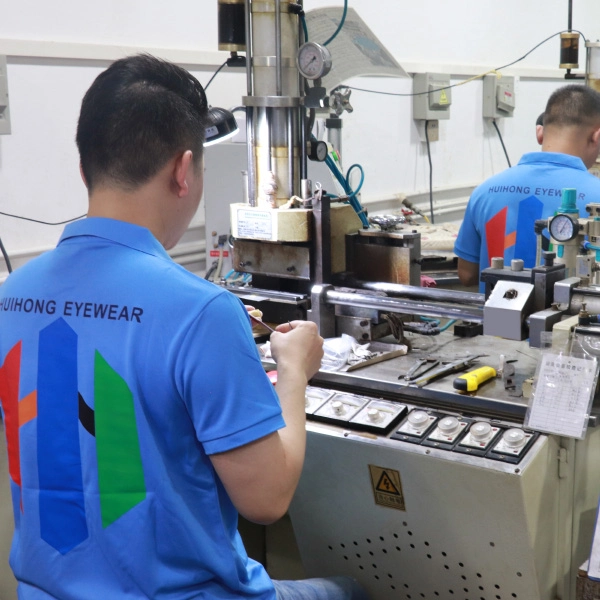
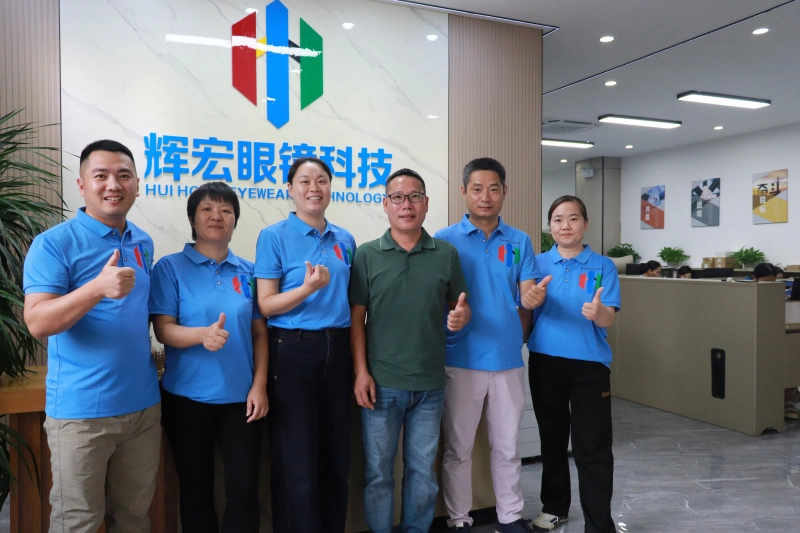
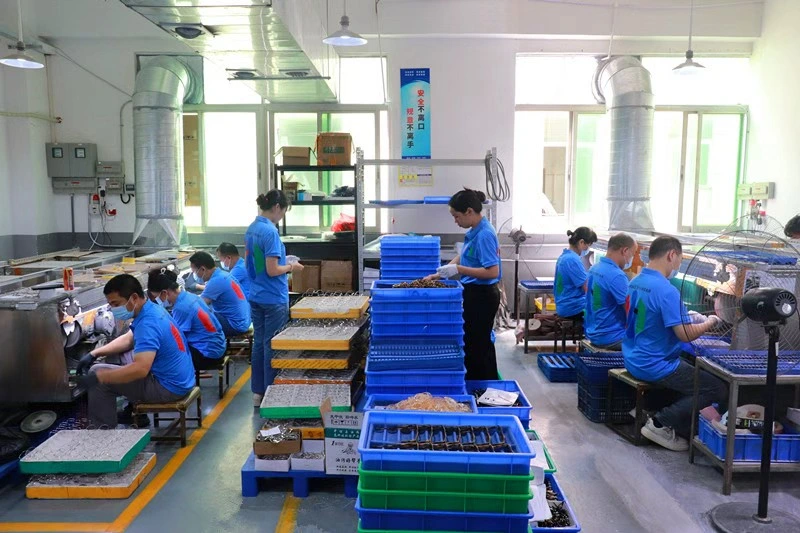
Huihong Eyewear exemplifies these qualities. As a specialized manufacturer dedicated to the design, development, and OEM/ODM production of high-end eyewear, Huihong has collaborated with independent brands, designer labels, and premium retailers worldwide. Their expertise spans acetate, titanium, and metal frames, with strong capabilities in low-volume, high-quality custom production.
5. Prototyping and Sampling
Once your designs are finalized, the next step is prototyping. This is where your vision becomes tangible.
A reputable manufacturer will create prototypes based on your specifications, allowing you to assess look, feel, and functionality before committing to full production. This is the time for adjustments—tweaking frame dimensions, refining color matching, testing comfort.
Expect this phase to involve multiple rounds of refinement. Quality takes time, and rushing the prototyping stage often leads to disappointing final products.
6. Compliance and Certification
Different markets have different requirements. For the U.S., you’ll need FDA certification. For Europe, CE marking. Environmental regulations like RoHS may also apply.
A reliable OEM manufacturer will guide you through compliance requirements, ensuring your products meet the standards for your target markets. This is not an area to cut corners—non-compliance can result in product recalls, marketplace delisting, or worse.
7. Pilot Run and Production
With prototype approval and compliance in place, it’s time for production. Many brands start with a pilot run to confirm everything aligns with expectations before scaling to full production.
For new brands, a strategic approach is to start small, test fast, and scale what works. Rather than committing to large quantities upfront, consider:
Starting with a limited number of styles
Ordering low quantities (20–150 pieces total)
Launching quickly to gather real market data
Reordering only your best sellers
This approach minimizes inventory risk and keeps cash flow flexible for marketing and growth.
8. Branding, Packaging, and Launch
Your brand’s image is what makes you stand out. Customizable packaging—from eco-friendly materials to luxury finishes—adds that special touch that turns first-time buyers into loyal customers.
Beyond packaging, consider:
Professional product photography — Essential for e-commerce success
A strong online presence — Shopify remains the platform of choice for most DTC eyewear brands
Virtual try-on technology — Increasingly expected by online eyewear shoppers
Content that educates — Lens education, care guides, and style advice build trust
Why 2026 Is the Right Time to Launch
The eyewear market is more open to new entrants than ever. Independent brands with real design authority are gaining traction. Consumers are actively seeking alternatives to homogenized, license-driven brands.
Key trends working in your favor:
Sustainability — Eco-conscious materials and ethical manufacturing are increasingly important to consumers
Customization — Consumers crave individuality and personalized experiences
Bold aesthetics — Vibrant colors and unique patterns are dominating the market
Retro revival — Vintage-inspired frames are experiencing a resurgence
Your Manufacturing Partner Matters
The success of your eyewear brand ultimately rests on the quality of your product and the reliability of your manufacturing partner. A partner who understands your vision, offers flexibility in minimum orders, and maintains rigorous quality standards is invaluable.
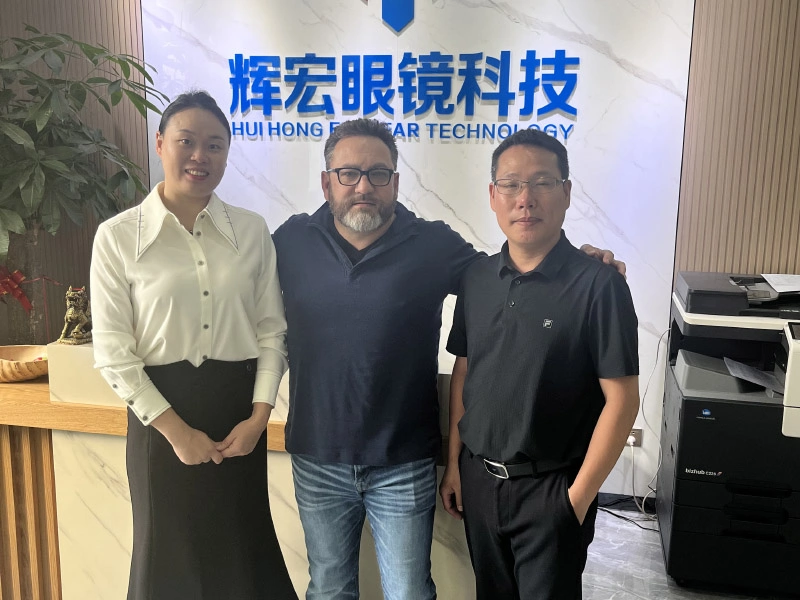
Huihong Eyewear brings together exceptional craftsmanship, material expertise across acetate, titanium, and metal, and a commitment to low-volume, high-quality custom production. From concept prototyping to bulk delivery, they support brands through every step of the journey—with flexibility, speed, and precision.
Their clients span Japan, Korea, Europe, and North America—markets that demand the highest quality. Many return not just for quality, but for trust and shared value.
Ready to Build Your Eyewear Brand?
Launching an eyewear brand is both exciting and challenging. The brands that succeed are those that combine a clear vision with the right manufacturing partnership.
Start by defining your identity. Choose materials that reflect your values. Find a manufacturer who treats your vision with the care it deserves. Launch small, learn fast, and scale what works.
Your eyewear brand is waiting to be built. The only question is: when will you start?