Selecting the right eyeglass factory is one of the most consequential decisions an eyewear brand can make. Your manufacturing partner directly impacts product quality, delivery reliability, cost structure, and ultimately your brand‘s reputation. Yet many brands approach factory selection with incomplete information, leading to costly mistakes, quality issues, and damaged customer relationships.
Below are seven common pitfalls in eyewear OEM/ODM sourcing—and practical strategies to avoid them.
Mistake #1: Choosing a Trader Instead of a Real Factory
Many “manufacturers” are actually middlemen who take your order and pass it to someone else, adding cost and killing communication. A trader may look professional online, but when technical questions arise, you‘ll wait while they “check with the factory.”
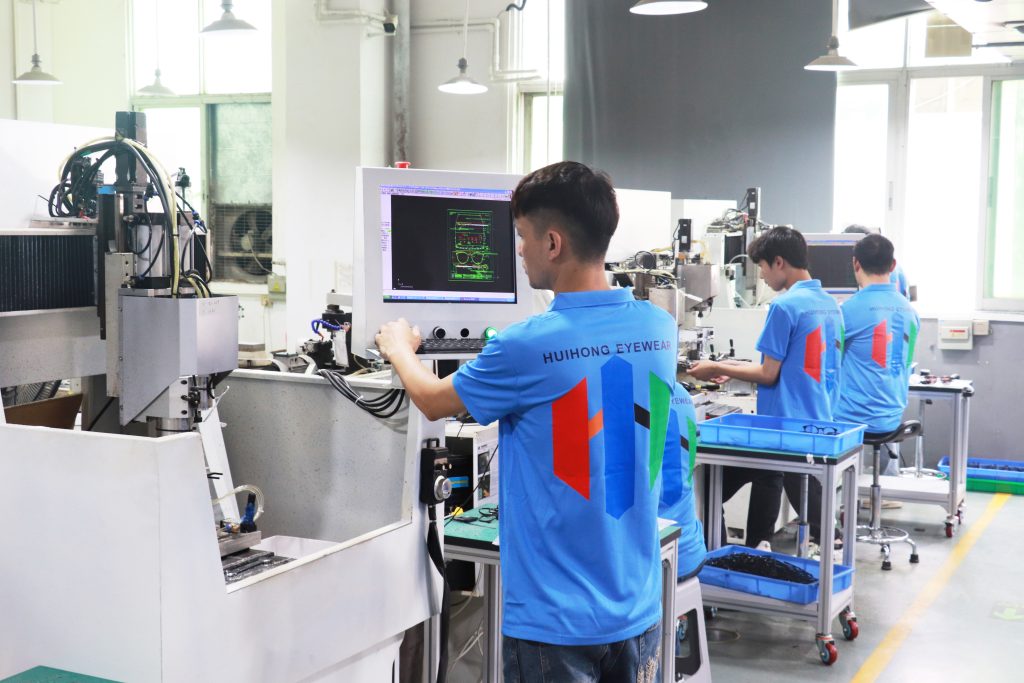
How to avoid: Ask directly: Do you own your own factory? Request a video tour of the production floor. A genuine manufacturer should be able to explain structure, materials, MOQ, and production limits in technical detail—not just talk about catalog options.
Mistake #2: Focusing Solely on Unit Price
Low quoted prices often hide quality compromises that result in higher effective costs. One factory may look cheaper at the quotation stage but become slower, less consistent, or less flexible once production details start to move. Another may appear more expensive initially but actually save time and reduce mistakes by reviewing structure, materials, and quality checkpoints clearly from the beginning.
How to avoid: Evaluate total cost of ownership—including sampling, tooling, communication efficiency, quality consistency, and after-sales support. Relying solely on cost per unit risks overlooking hidden inefficiencies.
Mistake #3: Not Verifying Quality Control Systems
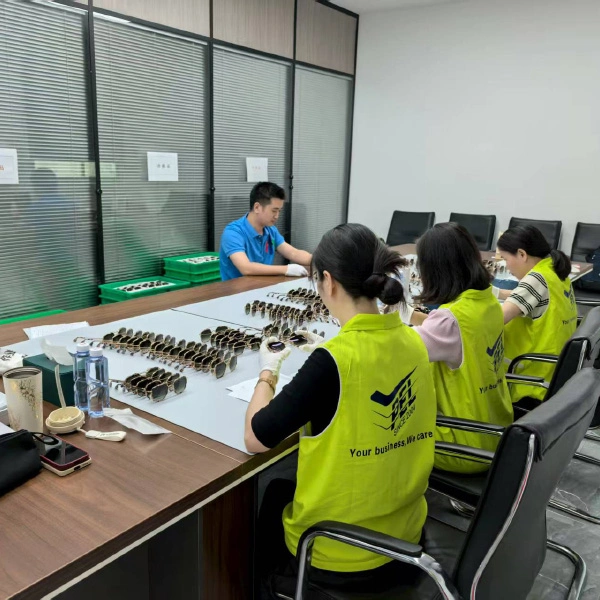
Every supplier claims “high quality,” but few can explain what actually happens on the production floor. Without proper QC protocols, you risk receiving frames with weak hinges, uneven coatings, loose screws, or color deviations.
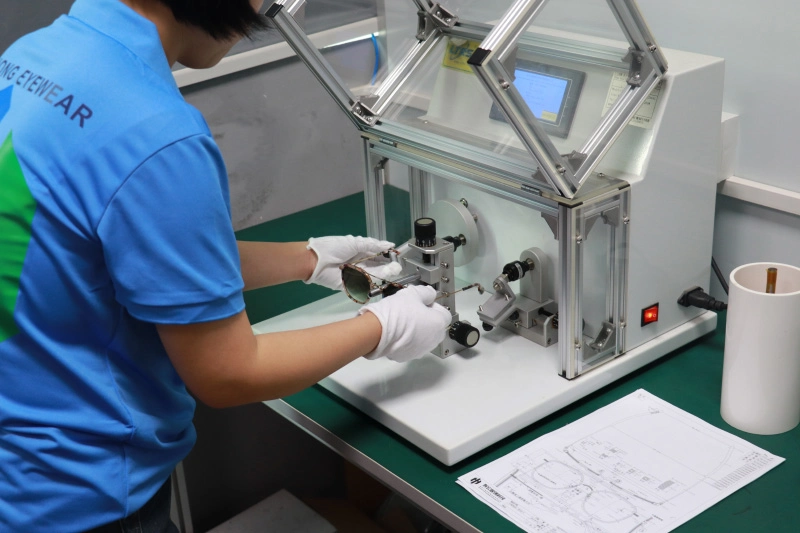
How to avoid: Ask about specific QC checkpoints: raw material inspection, in-line checks during assembly, and 100% final inspection before packing. Request documented test reports—hinge durability (minimum 5,000 open/close cycles), lens clarity, UV protection, and material safety compliance (REACH, RoHS). Look for ISO 9001 certification and ask for batch-specific lab results.
Mistake #4: Ignoring the Gap Between Sample and Bulk Production
One of the most frustrating pitfalls: the sample looks perfect, but the bulk shipment arrives with different colors, dimensions, or finish quality. This “sample-to-production gap” can derail your entire collection.
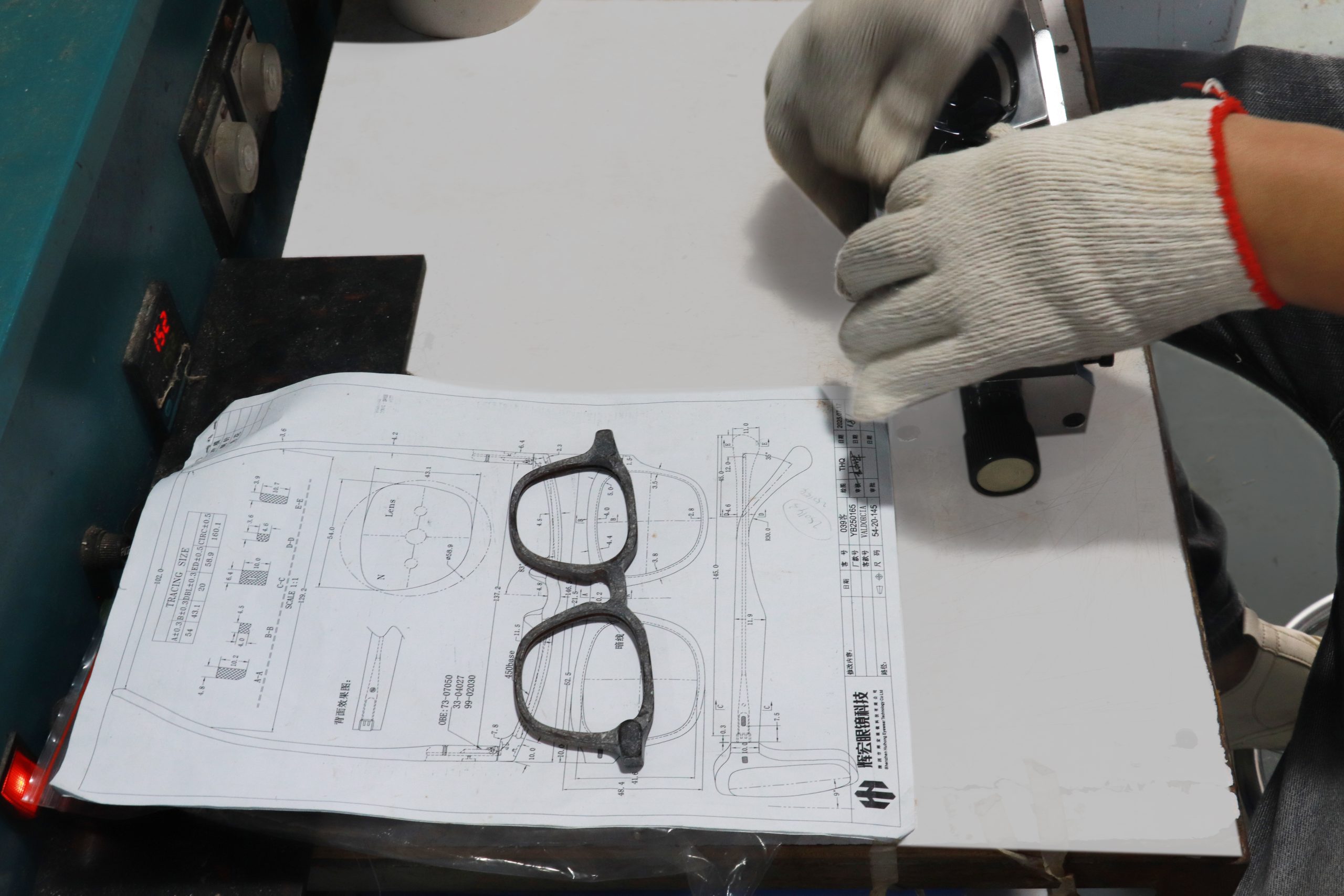
How to avoid: Treat samples as a small version of your future bulk order. Require the supplier to sign a sample confirmation document specifying that mass production must match the approved sample. Consider a small trial run (100–200 pieces) before committing to large volumes. Request pre-production samples under controlled lighting before mold creation.
Mistake #5: Not Clarifying MOQ Until It‘s Too Late
Minimum Order Quantity (MOQ) is often misunderstood. Some suppliers advertise “low MOQ” but that only applies to stock frames—not custom ones. When you request custom colors, logo placement, or unique shapes, the MOQ can jump significantly.
How to avoid: Discuss MOQ early and in context. Ask: What’s the MOQ for this specific style with our logo and custom color? Is the MOQ per style or per color? A reliable manufacturer should explain why MOQ varies by style, materials, logo method, and packaging.
Mistake #6: Overlooking Communication and Responsiveness
Slow replies before you order usually mean slower replies after you order. Language barriers, cultural differences, and frequent personnel changes can lead to misaligned expectations and costly errors.
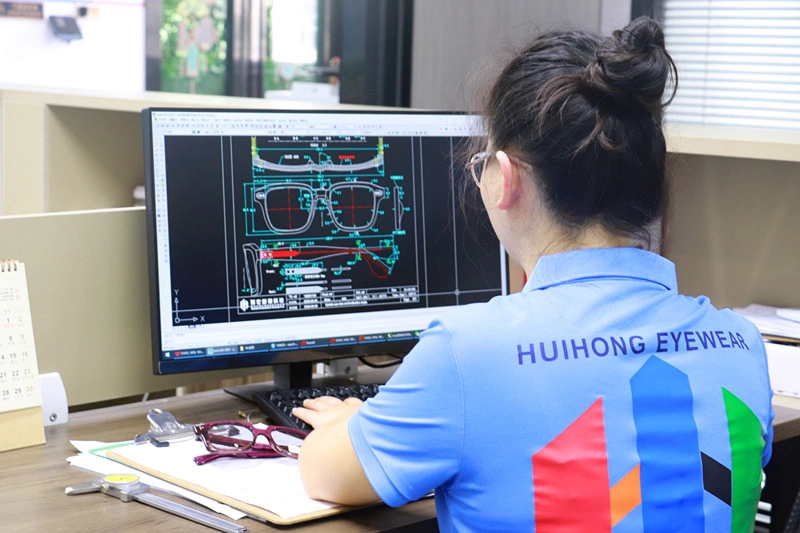
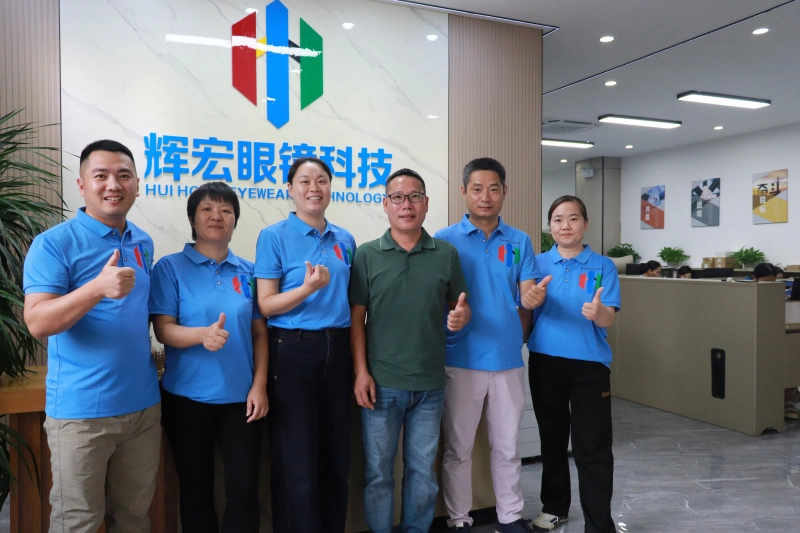
How to avoid: Test responsiveness during the inquiry phase. How fast do they answer technical questions? Do they send CAD drawings on time? Can they clearly explain their production schedule? A serious manufacturer should have a dedicated point of contact and use documented communication (email, specs, meeting notes) rather than vague verbal promises.
Mistake #7: Neglecting Intellectual Property Protection
Sharing your unique designs with a factory without proper safeguards can result in your frames appearing on competitor websites or marketplaces.
How to avoid: Clarify mold ownership in writing before tooling begins. Work with factories that respect confidentiality and have clear IP protection protocols. If possible, register your designs in key markets and include non-disclosure agreements in your contracts.
Final Thought
The most successful eyewear brands typically work with 1–2 core manufacturing partners for 5+ years. This long-term relationship allows the factory to deeply understand your quality standards, design preferences, and business rhythms—resulting in better products, faster turnarounds, and more favorable pricing over time.
Choosing an eyeglass factory isn‘t about finding the lowest price or the quickest quote. It’s about identifying a partner who can execute your vision with consistency, transparency, and technical expertise. Do your due diligence, ask the right questions, and build a relationship that elevates your brand.