Choosing the right frame material isn’t just about aesthetics—it affects how your glasses feel, fit, and hold up over time. In 2026, three materials dominate the premium eyewear space: acetate, titanium, and metal (stainless steel and other alloys). Each brings distinct advantages to the table, and the “winner” depends entirely on what you—and your customers—value most.
Here’s a straightforward breakdown.
Acetate: Color, Character, and Craftsmanship
Acetate is a plant-based material derived from natural wood pulp and cotton fibers. Unlike injected plastics, quality acetate is cut from sheets and hand-polished, giving it a depth and warmth that mass-produced materials simply can’t replicate.
Strengths:
Unmatched color and pattern variety – Acetate holds pigments exceptionally well, enabling rich tortoiseshell patterns, transparent finishes, and layered color blends. In 2026, translucent shades like amber, smoky gray, and honey are leading the trend.
Bold, expressive styling – Thicker silhouettes and sculpted shapes make acetate the go-to for fashion-forward brands.
Warm, comfortable feel – Acetate doesn’t conduct temperature like metal, so it feels warm against the skin and distributes weight evenly across the face.
Hypoallergenic – Naturally skin-friendly, making it a safe choice for those with metal sensitivities.
Considerations:
Heavier than titanium—a typical acetate frame weighs 25–40 grams, roughly double that of titanium.
Less adjustable; most acetate frames lack adjustable nose pads.
Heat-sensitive—can soften if left in hot environments.
Best for: Brands that prioritize bold design, rich color stories, and a premium, handcrafted aesthetic. Acetate remains the material of choice for luxury and fashion-forward eyewear.
Titanium: The Lightweight Performance Standard
Titanium is widely considered the gold standard for premium eyewear. It offers an exceptional strength-to-weight ratio that few materials can match.
Strengths:
Ultra-lightweight – A typical titanium frame weighs just 8–15 grams—about half the weight of a comparable steel frame. Pure titanium frames often come in at 8.5–11.5 grams.
Incredibly strong and durable – As strong as steel but significantly lighter. Beta-titanium alloys add flexibility, allowing frames to bend under stress without permanent deformation.
Hypoallergenic and corrosion-resistant – Titanium contains no nickel or other common allergens, and its natural oxide film resists sweat and corrosion.
“Barely there” comfort – Ideal for all-day wear; many describe the feeling as virtually unnoticeable.
Considerations:
Higher price point—titanium commands premium pricing.
Limited color options compared to acetate—titanium cannot achieve the same color richness.
Can scratch if not handled properly.
Best for: Performance-oriented brands, active lifestyles, and customers who prioritize lightweight comfort and long-term durability above all else. Titanium frames can last a decade or more with proper care.
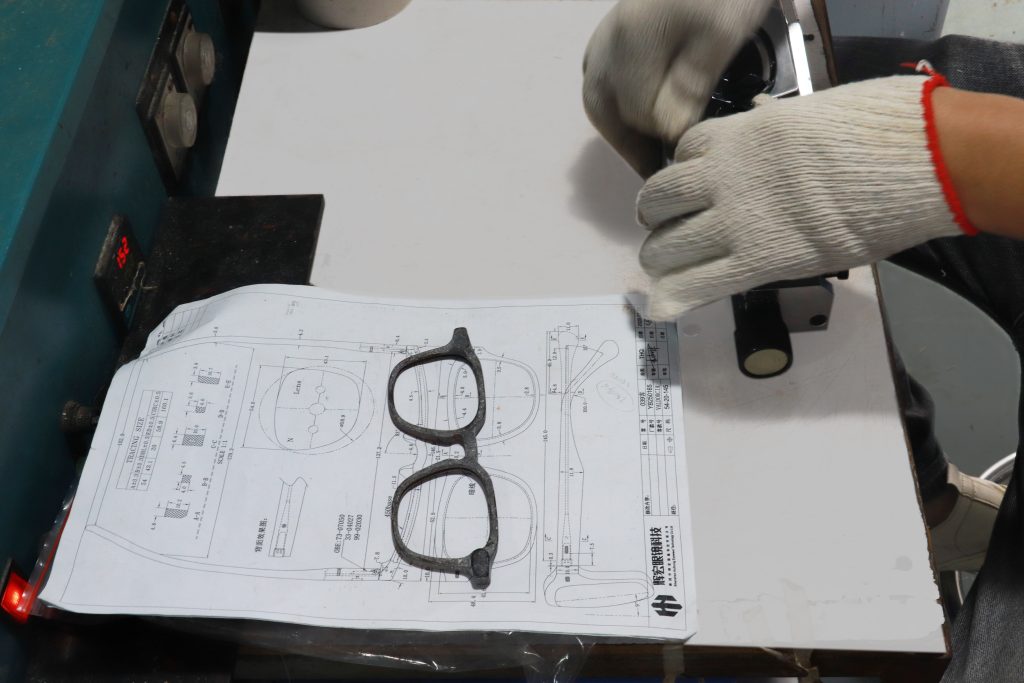
Metal (Stainless Steel & Alloys): The Reliable Versatile
Metal frames encompass stainless steel, monel, and other alloys. They offer a middle ground between acetate’s boldness and titanium’s premium performance.
Strengths:
Slim, minimalist profiles – Metal allows for thinner constructions and cleaner silhouettes.
Adjustable fit – Most metal frames feature adjustable nose pads for a customized fit.
Durable and corrosion-resistant – High-quality stainless steel resists everyday wear and tear.
More affordable than titanium – Offers durability at a lower price point.
Considerations:
Heavier than titanium—stainless steel is about 40% heavier.
Can feel cold against the skin in cooler temperatures.
Some alloys may cause reactions in people with metal sensitivities.
Best for: Brands seeking a clean, professional aesthetic at a mid-range price point. Stainless steel is an excellent entry point into metal frames without the titanium premium.
The 2026 Verdict: Which One Wins?
There is no single winner—only the right fit for your brand positioning.

In 2026, we’re also seeing a growing trend toward hybrid designs—combining acetate fronts with titanium temples for the best of both worlds. Sustainability is another major driver, with bio-acetate and recycled metals gaining significant traction.
From a Manufacturer’s Perspective
At Shenzhen Huihong Eyewear Technology Co., Ltd., we specialize in all three materials—acetate, titanium, and metal—because we know there’s no one-size-fits-all answer. Whether you’re launching a bold acetate collection, a high-performance titanium line, or a versatile metal range, we bring the craftsmanship and flexibility to bring your vision to life.
With low-volume, high-quality custom production and a global client base spanning Japan, Korea, Europe, and North America, we help brands navigate material choices with confidence—from concept prototyping to bulk delivery.
The real winner in 2026? The brand that chooses the right material for the right customer—and executes it with exceptional quality.