Strategic insights for brands seeking OEM/ODM partnerships in the optical industry
Introduction
The global eyewear frames market is valued at USD 32.33 billion in 2025 and is projected to reach USD 62.73 billion by 2034, growing at a CAGR of 7.1%. With over 90% of the world‘s eyeglass frames produced in specialized manufacturing clusters, the challenge for brands is no longer finding a spectacle frame manufacturer—it’s finding the right one.
Whether you are launching a new eyewear line or scaling an existing collection, the manufacturer you choose determines your product quality, brand reputation, and supply chain reliability. This guide breaks down what to look for in an eyeglass frame supplier, the manufacturing processes that define quality, and the trends shaping the industry today.
Understanding the OEM / ODM Landscape
Before evaluating suppliers, it‘s essential to understand the two primary manufacturing models available to brands.
OEM (Original Equipment Manufacturer) : You provide the complete design, technical drawings, and specifications. The manufacturer produces the frames according to your exact requirements. This model is ideal for brands with established design capabilities and specific product visions.
ODM (Original Design Manufacturer) : The manufacturer offers existing designs, 3D drawings, and sample references for you to choose from. You can then modify and customize these designs to align with your brand identity. This approach is faster and often more cost-effective for brands without in-house design teams.
Many premium suppliers support both models, offering flexibility depending on your project scope and timeline.
Key Materials in High-End Frame Manufacturing
A reputable spectacle frame manufacturer should demonstrate expertise across multiple material categories. The choice of material directly impacts comfort, durability, and aesthetic appeal.
Acetate – Derived from cellulose powder, acetate frames undergo an extended drying and polishing process—typically taking about 45 days to complete. The color blending and layering process is an artistic endeavor that requires expert craftsmanship, resulting in rich color combinations and patterns. Acetate remains the gold standard for premium optical frames due to its depth of color and ability to be hand-polished to a smooth finish.
Titanium – Increasingly popular for its durability and lightweight properties, titanium frames offer exceptional strength-to-weight ratios. Titanium is highly flexible, corrosion-resistant, and hypoallergenic, making it ideal for consumers with sensitive skin.
Stainless Steel – Durable and versatile, stainless steel frames feature a slim profile and are lighter than traditional acetate frames. They are often used in modern, minimalist designs.
TR-90 – A thermoplastic nylon material known for its flexibility, durability, and feather-light weight. TR-90 frames can bend under pressure and return to their original shape, offering exceptional comfort for all-day wear.
Bio-based and Sustainable Materials – Regenerated acetates, bioplastics derived from organic waste, and advanced resins are taking center stage. At industry events like MIDO 2026, sustainable alternatives—including bio-acetate with up to 70% bio-based content and recycled materials—have gained significant prominence.
The Manufacturing Process: What Quality Looks Like
Understanding the production process helps brands evaluate a manufacturer’s capability. Premium spectacle frame manufacturing involves dozens—sometimes hundreds—of individual steps.
From Concept to CAD
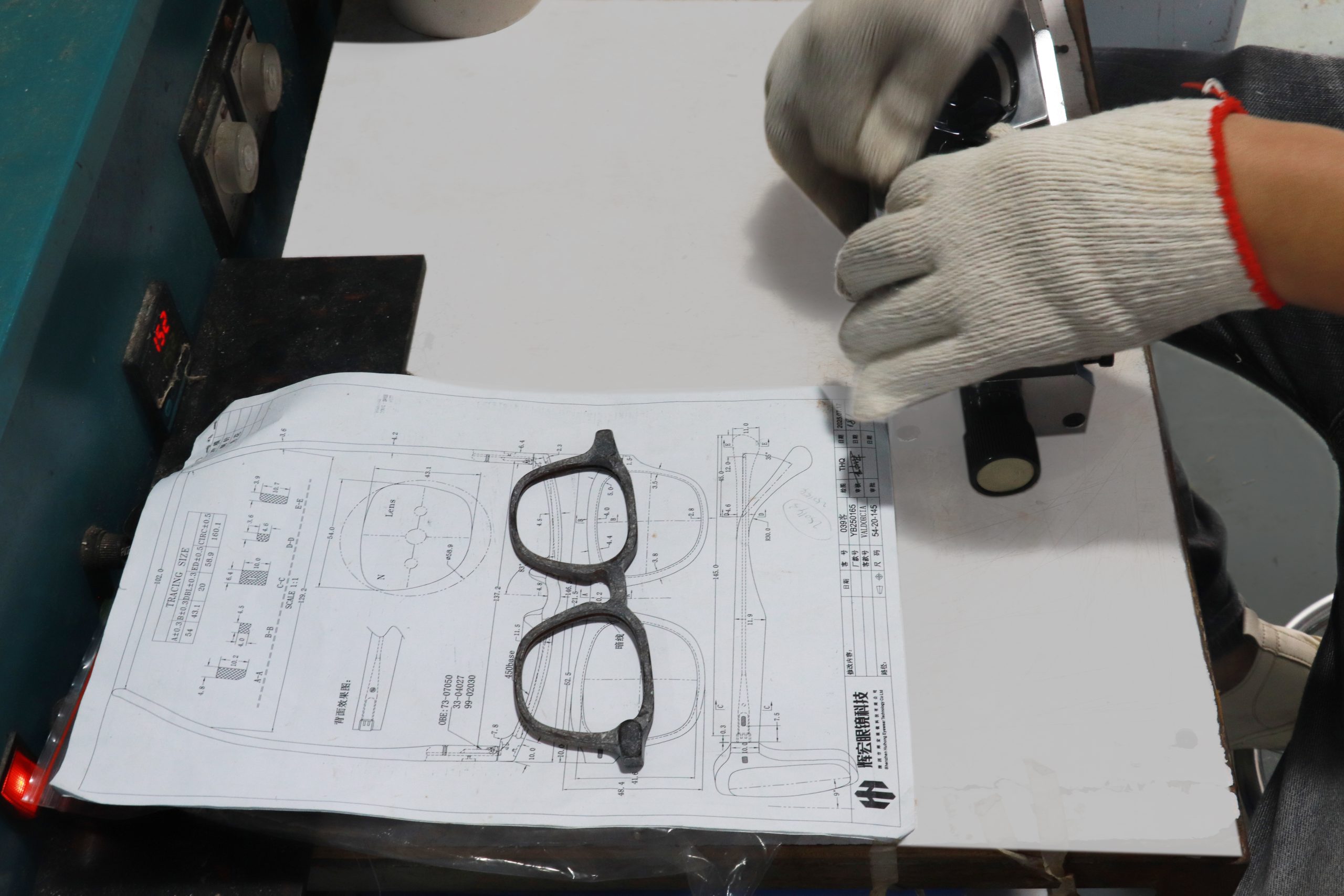
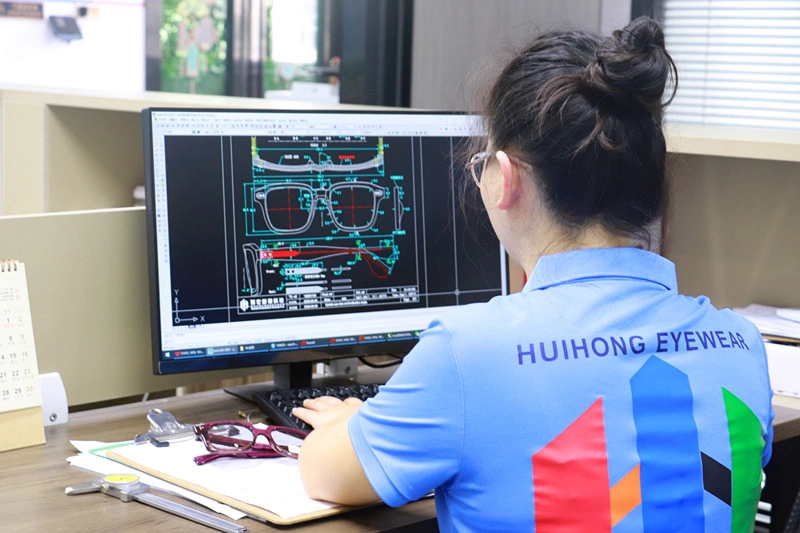
The journey begins with sketches and design concepts, which are converted into CAD (Computer-Aided Design) drawings. These digital models provide detailed specifications for frame dimensions, allowing precision machinery to produce accurate components. A manufacturer‘s CAD capabilities are a strong indicator of their technical sophistication.
Material Processing and Shaping
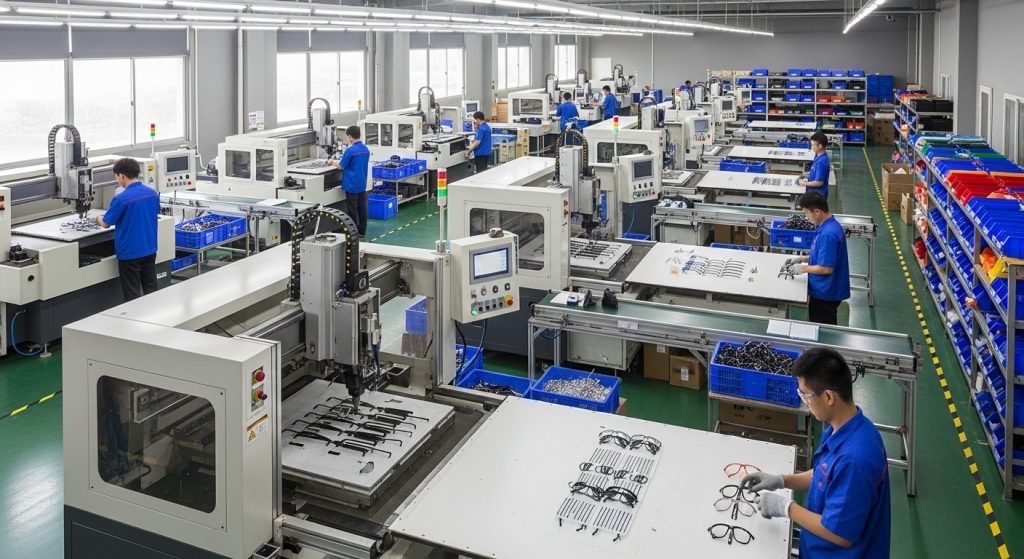
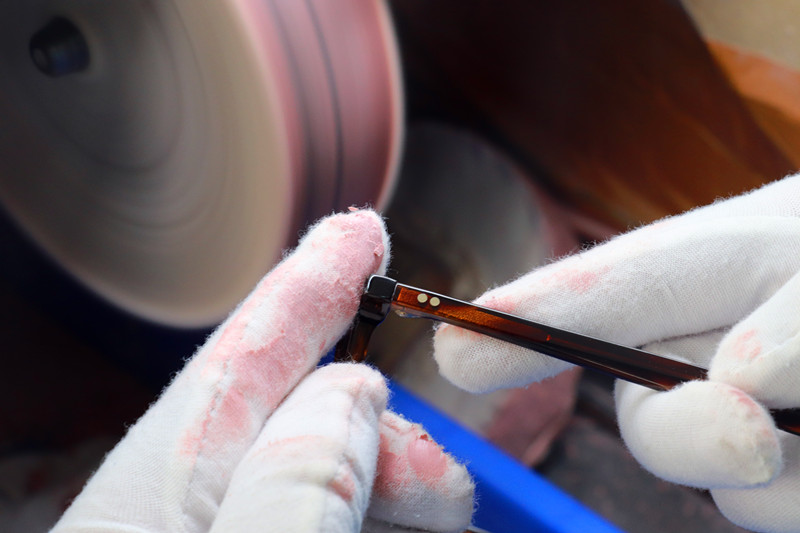
For acetate frames, the process involves cutting sheets, milling the frame shape, and then tumbling to round and smooth the edges. This is followed by hand-polishing—a labor-intensive step that distinguishes premium frames from mass-produced alternatives.
For metal frames, materials like stainless steel are wrapped into spools or flattened into sheets, then stamped, shaped, and cut according to CAD specifications.
Assembly and Quality Control
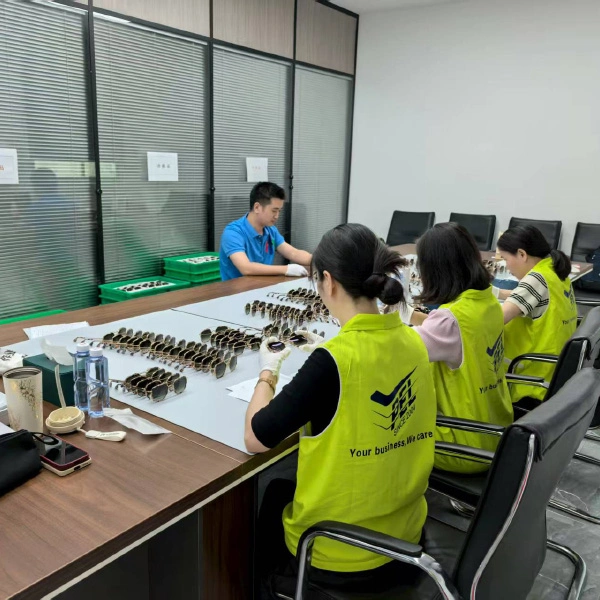
After cutting and shaping, frames are assembled piece by piece—nose pads are attached, hinges are installed, and screws are adjusted to the correct torque. Final inspection ensures that every frame matches the original CAD renderings before packaging.
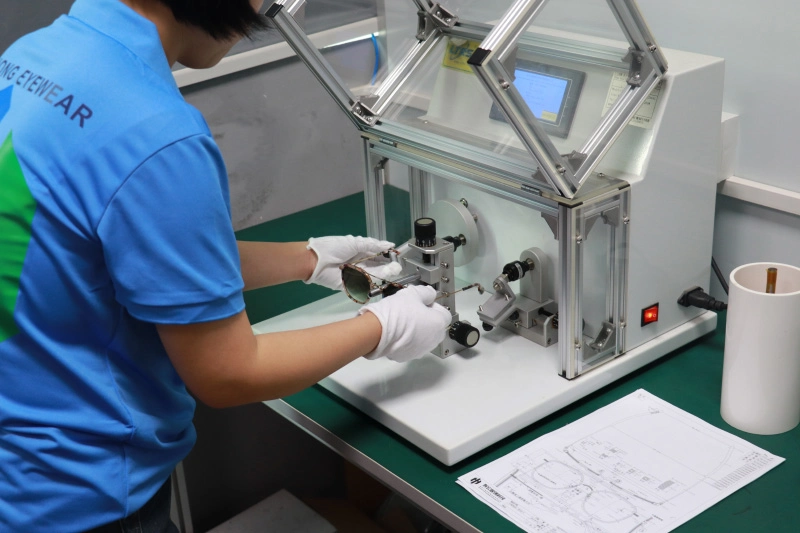
High-quality manufacturers implement rigorous quality control protocols, including hinge durability testing (minimum 5,000 open/close cycles), coating resistance testing, and material biocompatibility verification.
How to Evaluate an Eyeglass Frame Supplier
Selecting the right partner requires going beyond price comparisons. Here are the critical criteria procurement professionals should assess:
1. Certifications and Compliance
Prioritize manufacturers with documented quality management systems such as ISO 9001 certification. For prescription optics, ISO 13485 (medical devices) is particularly relevant. Additionally, verify that materials comply with EU REACH, FDA, or other regional safety regulations. Certifications like BSCI and SEDEX indicate responsible supply chain practices.
2. Production Capabilities and Transparency
Request factory audit reports or conduct virtual tours to assess equipment, workforce size, and workflow efficiency. Look for evidence of modern CNC machinery, automated polishing lines, and dedicated quality control stations. Suppliers who provide transparency into their operations typically demonstrate stronger operational discipline.
3. Sample Evaluation
Before placing bulk orders, request physical samples. Test hinge durability, lens alignment, surface finish, and overall ergonomics. Pay attention to:
Spring-hinge tension
Nose pad comfort
Frame symmetry
Small flaws can lead to high return rates in retail environments.
4. Performance Metrics
A supplier‘s historical performance is a strong predictor of future reliability. Aim for partners with:
On-time delivery rates exceeding 95%
Defect ratios below 1%
Response times within 5 hours—indicating structured client support systems
5. Customization Depth
Custom manufacturers offer full control over shape, material, hinge type, logo application, and packaging—but typically require higher MOQs and longer timelines. Assess whether the supplier‘s customization capabilities align with your brand’s needs.
6. Communication and Responsiveness
Fast response times signal organizational efficiency. Suppliers who respond quickly typically maintain dedicated export teams and CRM workflows, reducing miscommunication risks.

Current Industry Trends to Consider
Staying ahead requires understanding where the market is heading. In 2026 and beyond, several trends are reshaping the eyewear industry:
Sustainability as a Standard – Sustainability is moving from marketing language to auditable criteria. Trade-fair programs increasingly demand specifics: recycled percentage by component, responsible sourcing documentation, and end-of-life logic. Brands working with manufacturers who can provide certification-ready documentation will have a competitive advantage.
Smart Eyewear Integration – Smart eyewear is no longer just about prototypes. The 2026 rollout pattern emphasizes enhanced voice interaction, seamless user experiences, and expanding device ecosystems.
Age-Specific Designs – The market is seeing increased focus on kids’ eyewear (UV protection, secure fit, lightweight materials) and senior eyewear (durable materials, lightweight comfort, progressive lens compatibility).
Bio-based Materials – Regenerated acetates and bioplastics derived from organic waste are taking center stage, combining comfort, durability, and tactile quality.
Conclusion
Choosing the right spectacle frame manufacturer is one of the most consequential decisions a brand can make. It determines not only product quality but also supply chain reliability, brand reputation, and long-term growth potential.
The ideal partner combines technical expertise across multiple materials, rigorous quality control systems, transparent communication, and the flexibility to support both OEM and ODM models. By evaluating suppliers against the criteria outlined in this guide—certifications, production capabilities, sample quality, performance metrics, and customization depth—brands can build partnerships that deliver lasting value.
In an industry where craftsmanship meets technology, the right manufacturer doesn‘t just produce frames—they help bring your vision to life.