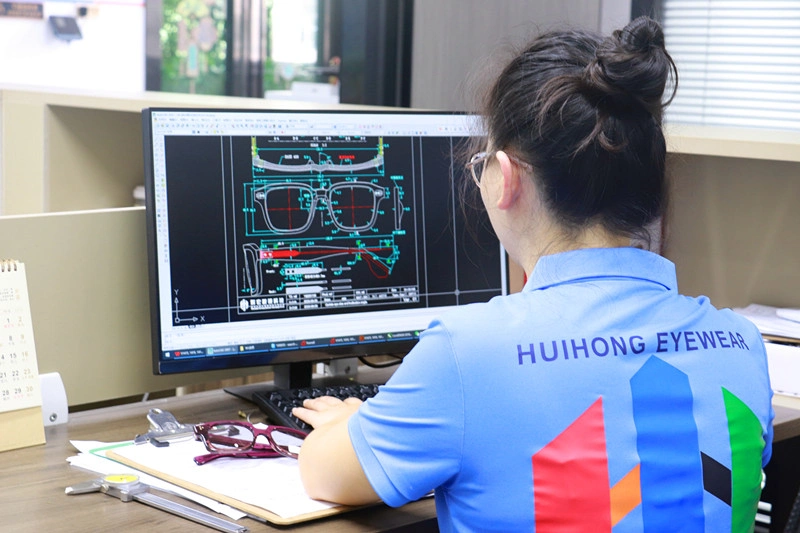
By Huihong Eyewear — Premium OEM/ODM Manufacturer Specializing in Acetate, Titanium, and Metal Frames
Introduction: Why Your Choice of OEM Partner Matters More Than Ever
The global eyewear market is evolving at an unprecedented pace. By 2030, the sports sunglasses segment alone is projected to surpass USD 10 billion, with a significant share attributed to OEM partnerships from Asia—particularly China. Meanwhile, consumer AR smart glasses are transitioning from lab prototypes to mass-market products, reshaping what’s possible in optical manufacturing.
For independent brands, designer labels, and premium retailers, the difference between a successful collection and a costly misstep often comes down to one decision: choosing the right OEM eyewear manufacturer.
This guide draws on years of hands-on experience at Huihong Eyewear, a specialized manufacturer dedicated to the design, development, and OEM/ODM production of high-end eyewear. Whether you’re launching your first collection or scaling an established line, here’s what you need to know.
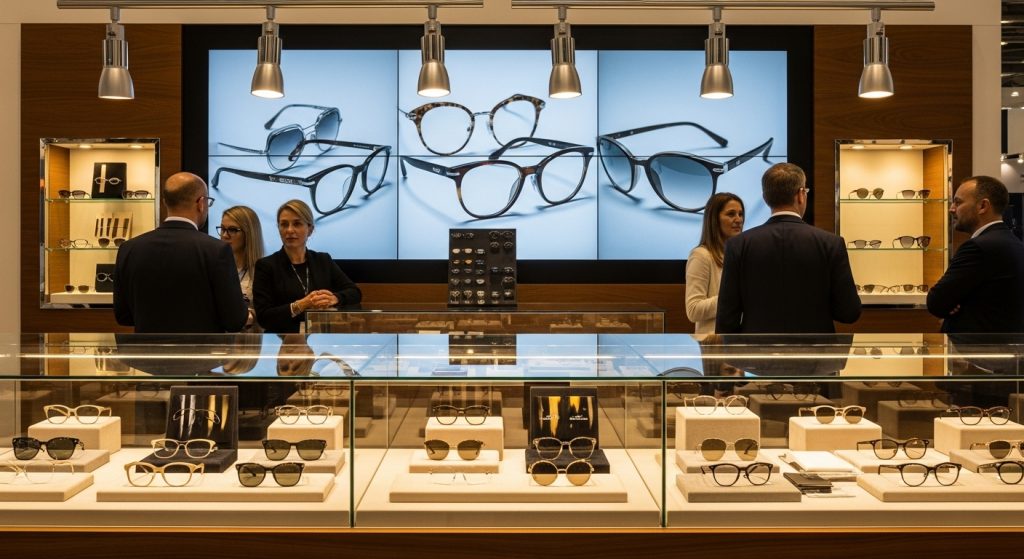
What to Look for in an OEM Eyewear Manufacturer
1. Material Expertise and Craftsmanship
Not all eyewear manufacturers are created equal. The materials a factory works with determine not only the look and feel of your frames but also their durability, comfort, and market positioning.
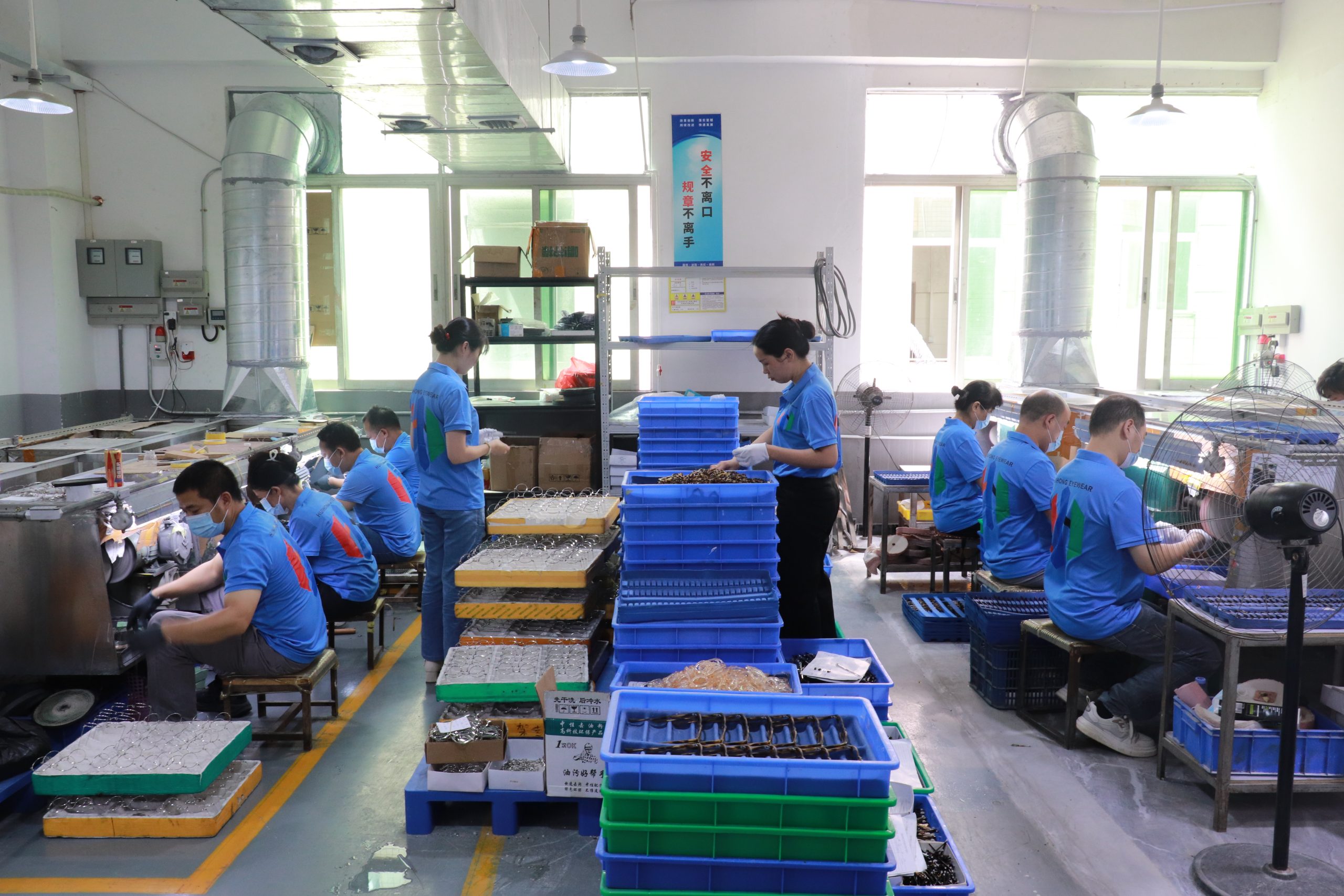
Acetate frames require precision cutting, tumbling, and hand-polishing—a process that can involve 70+ production steps for premium-quality results. High-quality cellulose acetate allows for nuanced color blending and layering, which is as much an artistic endeavor as a technical one.
Titanium frames demand specialized welding techniques—argon welding, for instance, guarantees high-quality finishes. Titanium’s lightweight strength and hypoallergenic properties make it increasingly popular, particularly in markets like Japan.
Metal frames require brazing and laser welding, with strict quality control over plating adhesion and sweat resistance.
At Huihong Eyewear, we specialize in all three—acetate, titanium, and metal frames—with the technical depth to execute complex designs across each material category.
2. Low MOQ Capabilities
One of the biggest barriers for emerging brands is minimum order quantity (MOQ). Traditional factories often require hundreds or thousands of units per style, locking out smaller brands and limiting flexibility for established players testing new designs.
The landscape is shifting. In 2026, manufacturers are increasingly offering low MOQs—some starting at 100 units per model—to meet demand for affordable, agile production. For custom optical frames, typical MOQs range from 300-600 units per model, depending on style and decoration requirements.
Huihong Eyewear stands apart with strong capabilities in low-volume, high-quality custom production. We understand that brands need to test markets, launch capsule collections, and iterate designs without being locked into massive minimums.
3. End-to-End Service Capabilities
The best OEM partners do more than manufacture—they guide you from concept to delivery. Look for manufacturers offering:
Concept prototyping – Turning your sketches or CAD files into physical samples
Material selection – Guidance on acetate colors, titanium grades, and metal finishes
Custom branding – Logo application, laser engraving, and custom packaging
Quality control – Rigorous inspection at every stage, from raw materials to finished frames
Bulk delivery – Reliable logistics and on-time shipping
Huihong supports brands through every step of the journey—from concept prototyping to bulk delivery—with flexibility, speed, and precision. Our clients span Japan, Korea, Europe, and North America, many of whom return not just for quality, but for trust and shared value.
4. Certifications and Quality Standards
Before partnering with an OEM eyewear factory, verify that they hold internationally recognized quality certifications:

Additional third-party verifications from SGS or Bureau Veritas provide extra assurance of quality management systems.
5. Factory Audit and Transparency
A reputable manufacturer should welcome audits—virtual or on-site. Key areas to evaluate include:
Production equipment – CNC machines, injection molding capabilities, and 3D printing for rapid prototyping
Testing facilities – Dimensional measurement tools, UV protection testers, and durability test stations
Quality management – Documented procedures for corrective actions and non-conformance reporting
Workforce competency – Trained QC teams familiar with ANSI Z80.1 and ISO 12312 optical standards
2026 Eyewear Trends Every Brand Should Know
Aligning your collection with current trends—while staying true to your brand identity—is essential for commercial success. Here are the key directions shaping 2026:
Frame Shapes

Colors
Tone-on-tone palettes dominate: midnight blue, charcoal, olive green, dusty rose, and taupe are strong in both sun and optical frames. Translucent neutrals—champagne, smoke, and soft honey—add depth while keeping frames versatile. Timeless black, brown, and tortoiseshell remain top sellers in every market.
Materials
Bio-acetate and high-quality cellulose acetate are increasingly favored for their ability to achieve nuanced shades with good batch consistency. Sustainability is no longer a niche concern—it’s influencing purchasing decisions across the market.
OEM vs. ODM: Which Model Fits Your Brand?
Understanding the distinction between OEM and ODM is critical:
OEM (Original Equipment Manufacturing) : You provide the design; the manufacturer builds it to your specifications. Full creative control, but requires more development work on your end.
ODM (Original Design Manufacturer) : The manufacturer provides pre-existing designs that you can customize with your branding. Faster time-to-market, lower development costs, but less differentiation.
Huihong excels at both. Whether you have a detailed technical drawing or just a concept, we bring your vision to life with exceptional craftsmanship.
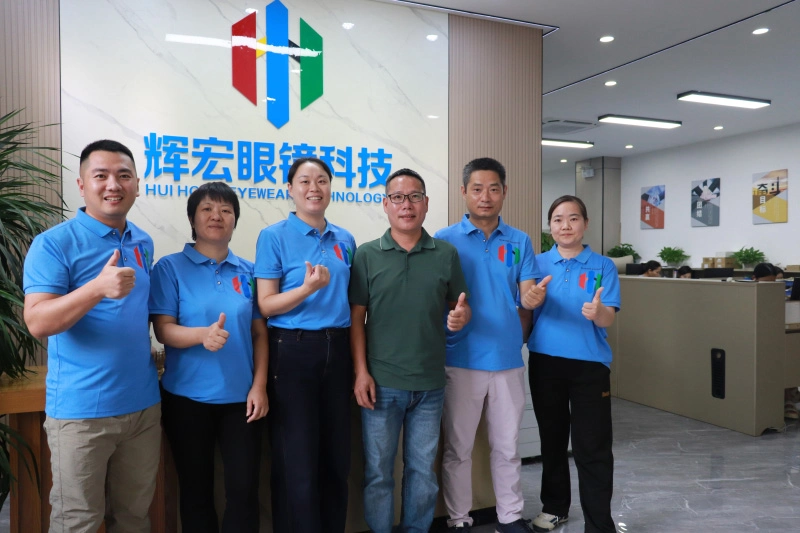
Why Huihong Eyewear?
Since our founding, Huihong Eyewear has collaborated with independent brands, designer labels, and premium retailers worldwide. Here’s what sets us apart:
Specialized expertise – We focus exclusively on acetate, titanium, and metal frames, with deep technical knowledge in each material
Low MOQ, high quality – We make custom production accessible without compromising on craftsmanship
End-to-end support – From concept prototyping to bulk delivery, we’re with you at every step
Global reach – Our clients span Japan, Korea, Europe, and North America
Trust and partnership – We build relationships, not just transactions
Final Thoughts: Start Your OEM Journey Right
Choosing an OEM eyewear manufacturer is one of the most consequential decisions you’ll make for your brand. The right partner brings not just production capacity, but strategic insight, material expertise, and a commitment to quality that elevates your entire collection.
Ready to bring your eyewear vision to life? Huihong Eyewear is here to help—with flexibility, speed, and precision that global brands trust.