Why Metal Frames Matter in Today’s Optical Market
Metal eyeglass frames are experiencing a renaissance. Driven by the “quiet luxury” trend and rising consumer demand for durability, hypoallergenic materials, and timeless aesthetics, metal frames now account for a substantial share of premium optical sales—especially in business and lifestyle segments. For retailers, distributors, and emerging brands, partnering with the right wholesale metal eyeglass frames supplier is not a mere procurement task; it is a strategic decision that directly affects product quality, brand reputation, and profit margins.
This guide distills the essential factors for sourcing high-quality metal frames—from material selection and supplier evaluation to customization and quality assurance—so you can build a reliable, long-term supply chain.
Metal Frame Materials at a Glance
Choosing the right base material is the first and most critical step. Each metal offers a distinct balance of weight, strength, cost, and comfort.

Key takeaway: If your brand targets the upper tier, titanium is the gold standard. For versatile, volume-driven lines, high-grade stainless steel delivers exceptional value.
How to Evaluate a Wholesale Supplier
Not all manufacturers are equal. Use these six criteria to separate competent partners from unreliable ones.
1. Production Capacity & Scalability
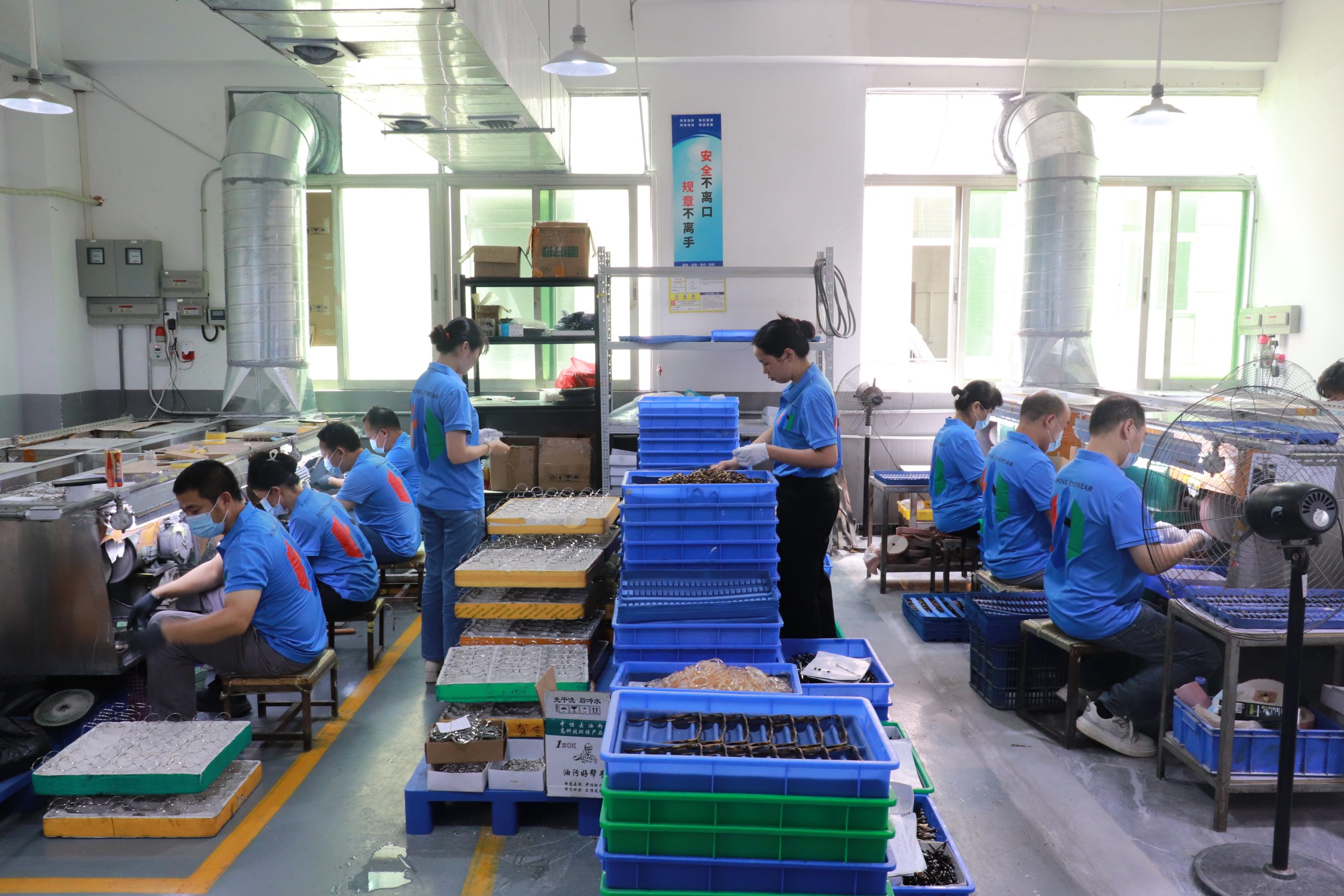
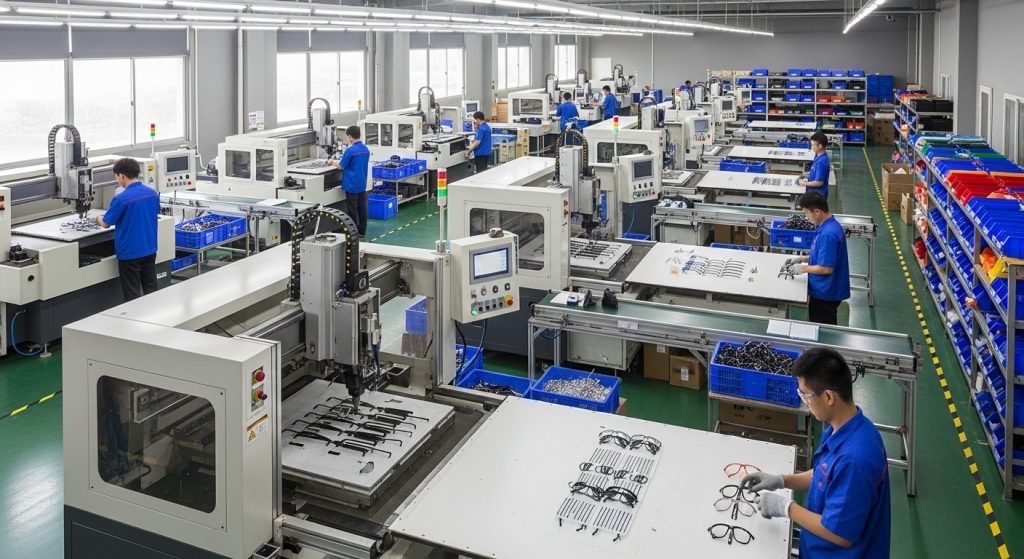
Factory size (3,000+ m² recommended for mid-to-large orders)
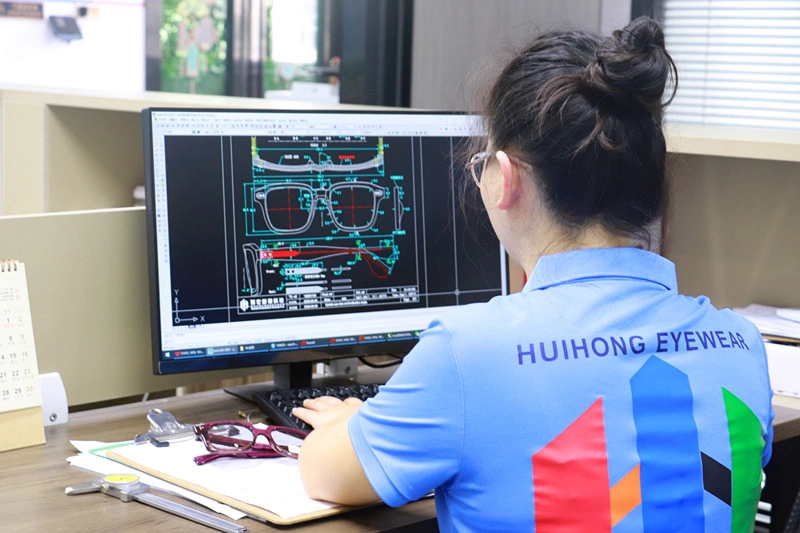
Workforce and dedicated R&D team
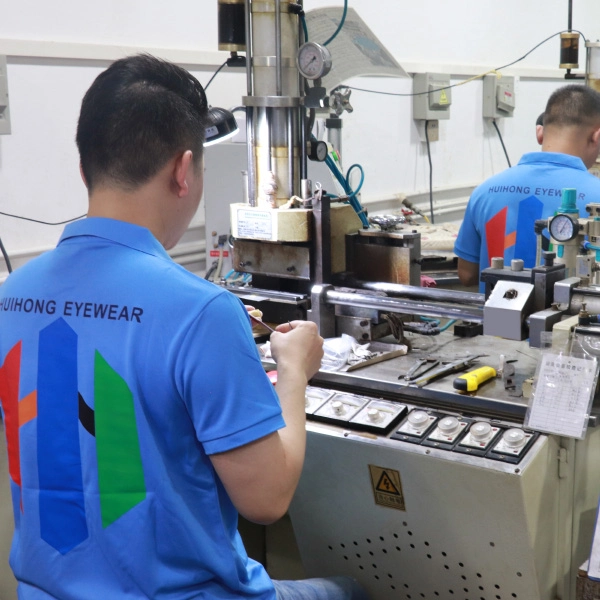
Advanced equipment: CNC, laser cutting, automated electroplating, robotic polishing
2. Material & Process Expertise
Titanium requires precision welding and special anti-corrosion coating.
Stainless steel demands consistent welding integrity and rigorous corrosion testing.
Surface treatment capabilities (PVD coating, electroplating, matte/brushed finishes) are essential for premium aesthetics.
3. Certifications & Regulatory Compliance
ISO 9001 (Quality Management)
CE marking (EU market)
FDA registration (US market)
Nickel release and material safety test reports
Always request independent third-party verification (e.g., SGS, TÜV).
4. Quality Control System
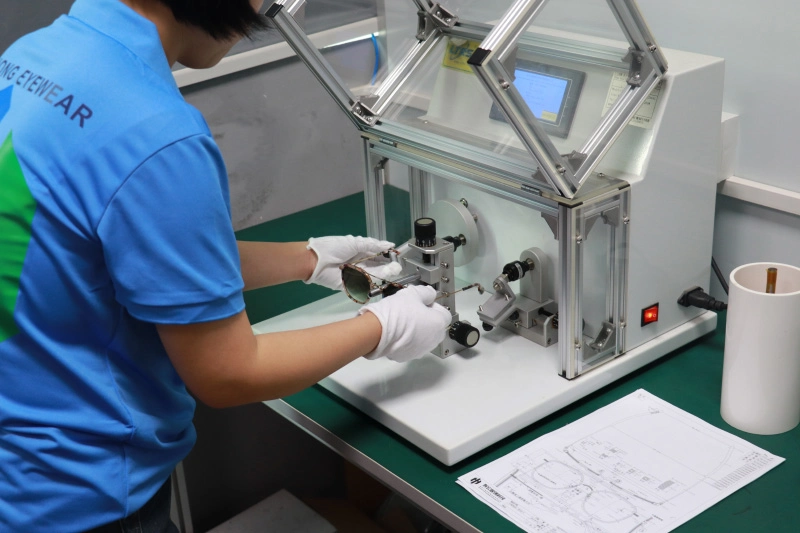
In-line inspections at every stage—raw material, machining, polishing, assembly, final packaging.
On-site or virtual factory audits available.
Sample evaluation before bulk production.
5. Performance Benchmarks
Response time: ≤2 business hours indicates high engagement.
On-time delivery rate: ≥98% is industry best practice.
Reorder rate: ≥20% from existing clients shows satisfaction.
Years in eyewear manufacturing: at least 3–5 years of dedicated experience.
6. Request Physical Samples
Never skip this step. Evaluate weight distribution, hinge smoothness, temple flexibility, surface finish consistency, and packaging quality. A supplier who willingly provides samples demonstrates confidence and transparency.
OEM vs. ODM: What Your Brand Needs
Understanding these two models helps you align with the right service offering.
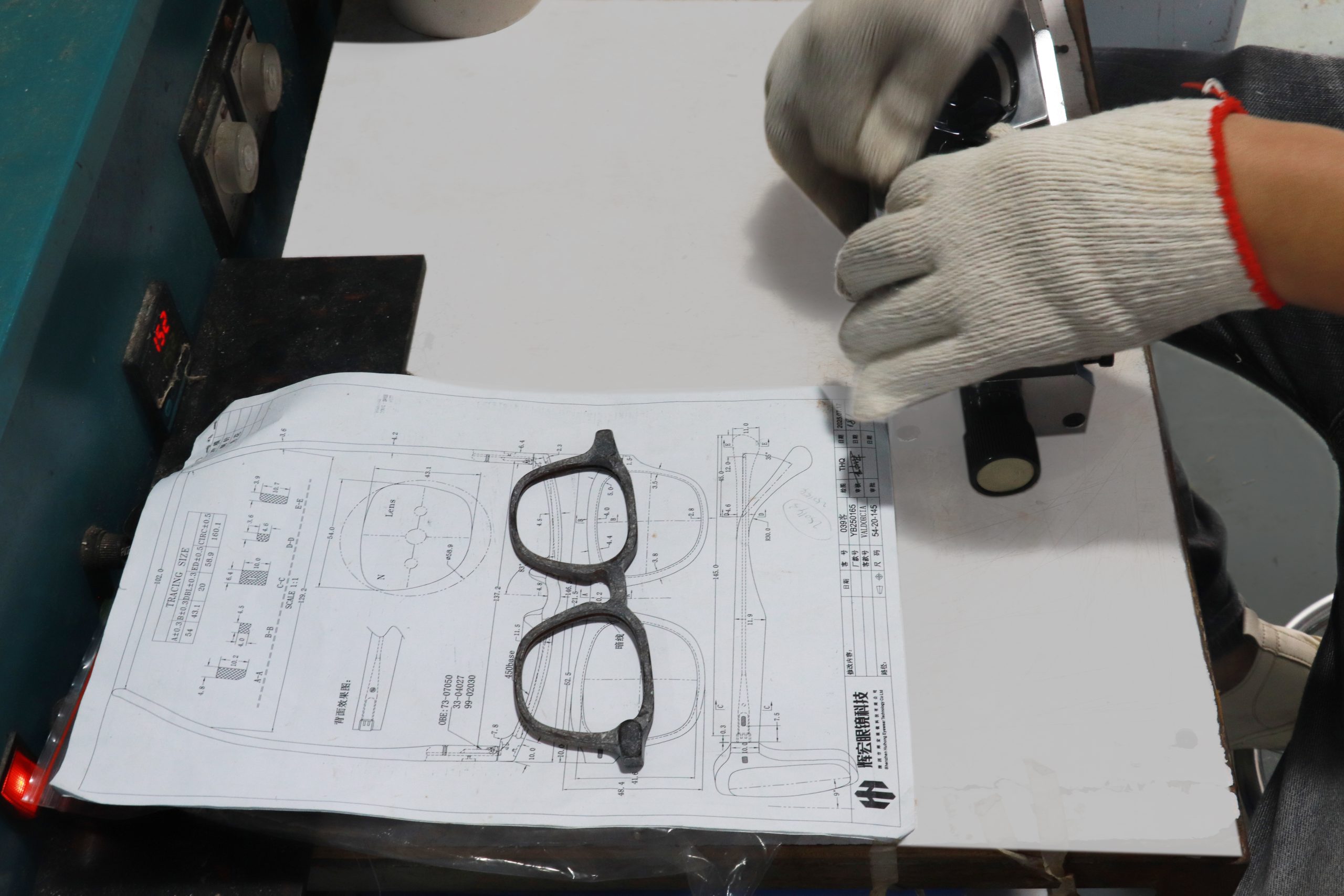
OEM (Original Equipment Manufacturing): You supply complete design drawings, material specs, and dimensions. The manufacturer produces strictly to your specifications. Best for brands with in-house design teams.
ODM (Original Design Manufacturing): The manufacturer offers existing designs, 3D CAD models, or sample references for you to select and customize (colors, logos, packaging). Ideal for brands without extensive design resources.
Essential customization capabilities to look for:
Full structural and color customization
Logo application (laser engraving, printing, embossing)
3D prototyping or virtual try-on previews
Flexible MOQs for testing new models
Tailored retail packaging
A typical development timeline from concept to delivery is 6–12 weeks, depending on complexity and sampling rounds.
Avoiding Common Sourcing Mistakes
Even experienced buyers can stumble. Watch out for these pitfalls:
Choosing price over quality – The cheapest quote often leads to higher return rates and brand damage. Evaluate total cost of ownership.
Skipping samples – Bulk orders without physical samples are risky. Always test at least two variants.
Ignoring regional specialization – Wenzhou/Yiwu excels at premium metal, Danyang at budget volume, Guangdong at hybrid high-tech. Match your supplier to your positioning.
Overlooking compliance – Failing CE/FDA requirements can cause customs holds, fines, or product seizure.
Vague specifications – Ambiguous drawings lead to disappointing outcomes. Provide detailed dimensions, materials, finishes, and packaging criteria.
Frequently Asked Questions
Q: What is the typical MOQ for custom metal frames?
MOQs vary: some suppliers accept 100 units per design, while others require 500–1,000. Premium titanium often has higher minimums due to specialized tooling.
Q: How long does OEM/ODM development take?
Generally 6–12 weeks from design approval to delivery, including prototyping, sampling, and production.
Q: Are titanium frames completely hypoallergenic?
Yes, pure titanium and beta-titanium are nickel-free and biocompatible, making them safe for sensitive skin.
Q: What is the difference between electroplating and PVD coating?
PVD (Physical Vapor Deposition) offers greater scratch resistance and color durability than traditional electroplating, and it is more environmentally friendly.
Q: Can I get customized packaging with my logo?
Most reputable manufacturers offer full packaging customization—from boxes to cleaning cloths and display cards.
Final Takeaway: Build a Partnership, Not Just a Transaction
Sourcing wholesale metal eyeglass frames is a long-term relationship. The best suppliers bring technical expertise, proactive quality control, transparent communication, and scalability to support your growth.
By prioritizing material science, rigorous supplier evaluation, and clear customization workflows, you position your brand to deliver consistent quality, reduce return rates, and capture higher margins in the competitive eyewear market.