The eyewear industry is undergoing a fundamental transformation. In 2026, the global eyewear market is projected to reach USD 230.71 billion, with luxury eyewear alone valued at USD 37.5 billion. But beneath these headline numbers lies a more telling shift: premium collections are no longer defined by silhouettes or brand heritage alone. Materials have become the primary differentiator.
At MIDO 2026—the world’s leading eyewear trade show—regenerated acetates, bioplastics derived from organic waste, advanced resins, and ultra-light metals took center stage. The message was clear: consumers increasingly expect lightweight construction, sustainable sourcing, and tangible quality in every frame. Meanwhile, the rise of “Robust Luxury”—a movement built on architectural design, premium materials, and timeless styles crafted for decades rather than a single season—has made material selection more consequential than ever.
Here are the three materials that will define premium eyewear collections in 2026.
1. Bio-Acetate: Sustainability Without Compromise
Cellulose acetate has been the backbone of premium eyewear for generations. In 2026, it is being reinvented.
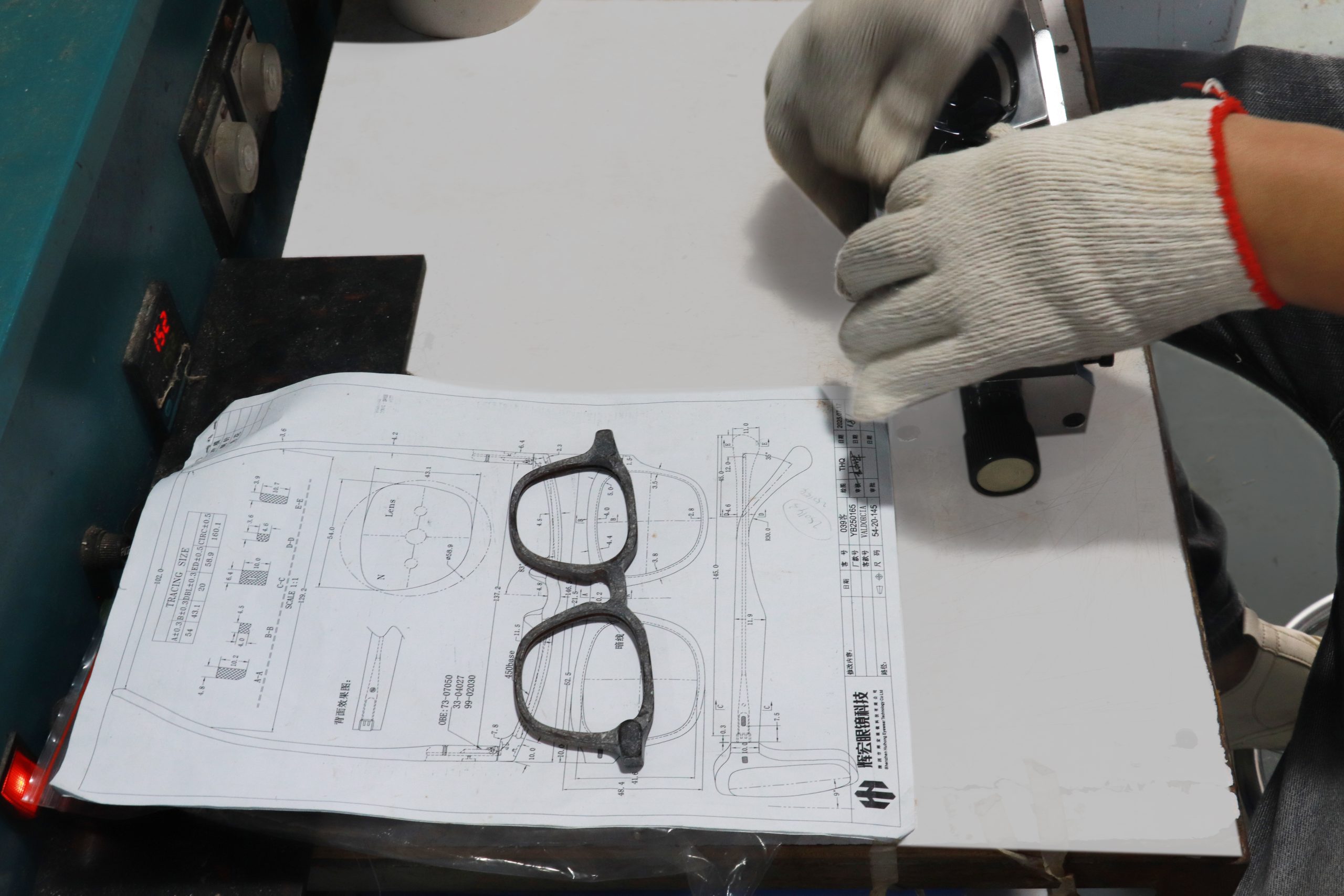
Bio-acetate is a next-generation material that combines responsible innovation with uncompromising design. Unlike traditional acetate, which relies on fossil-based resources, bio-acetate is derived from renewable sources. The leading formulation features 70% bio-based content and 27% recycled materials, sourced from FSC-certified wood pulp and natural cotton. It is phthalate-free, non-toxic, and biodegradable.
The performance difference? Virtually none—and that is precisely the point. Bio-acetate retains the same rich colors, refined finishes, and tactile quality as traditional acetate. The difference lies in the supply chain: Eastman Acetate Renew, for instance, reduces carbon footprint by up to a third compared to traditional manufacturing processes. With approximately 40% certified recycled content and 60% bio-based content, these materials significantly cut greenhouse gas emissions and fossil fuel usage.
For premium collections in 2026, bio-acetate is not a niche alternative—it is becoming the baseline. Major houses across the luxury spectrum are making the switch. Designers are also pushing creative boundaries with new textures and light effects, moving beyond traditional tortoiseshell and marble into layered gradients, translucent finishes, and prismatic effects reminiscent of water and minerals.
Why it matters for premium positioning: Sustainability in eyewear is moving from “marketing language” to auditable criteria. In 2026, buyers and consumers increasingly demand specifics: recycled percentage by component, responsible sourcing documentation, and end-of-life logic. Bio-acetate delivers on all fronts while maintaining the aesthetic standards that premium customers expect.
2. Titanium: The Gold Standard of Lightweight Performance
If bio-acetate represents the future of sustainable craftsmanship, titanium represents the pinnacle of engineering precision. And in 2026, titanium is having a moment.
The global titanium metal glasses frames market was estimated at USD 3.49 billion in 2025 and is projected to grow at a CAGR of 5.00%. At MIDO 2026, titanium and other ultra-light metals returned to center stage—chosen for their light weight, strength, and ability to interact with light.
What makes titanium indispensable for premium collections?
Exceptional lightness. Titanium frames can be crafted to be almost imperceptible on the face. Beta titanium—an alloy variant—is often used for temples, ensuring flexibility and comfort without sacrificing structural integrity.
Superior durability. Titanium is corrosion-resistant, hypoallergenic, and incredibly strong. Premium manufacturers are now crafting frames in 4mm block titanium, creating pieces that are exceptionally light yet structurally bold.
Design versatility. In 2026, titanium is being combined with acetate in hybrid constructions—experimental titanium structures paired with refined acetate details for unexpected material contrasts. The result is frames that feel simultaneously technical and luxurious.
Japanese titanium, in particular, has become the gold standard for premium collections. From nose pads to full-frame constructions, high-quality Japanese titanium ensures exceptional lightness, durability, and comfort. Brands are also exploring proprietary synthetic titanium alloys that enhance both durability and extreme lightness.
Why it matters for premium positioning: The quest for ultimate lightness is a defining trend of 2026. Titanium delivers ultra-thin profiles, transparency layers, and precision engineering for a barely-there feel. For consumers who equate premium with performance engineering, titanium is non-negotiable.
3. Advanced Resins & Transparent Polyamides: The New Frontier
The third material category reshaping premium eyewear in 2026 is advanced resins and transparent polyamides—a family of high-performance polymers that are redefining what frames can be.
At MIDO 2026, advanced materials took center stage alongside regenerated acetates and ultra-light metals. These are not commodity plastics; they are engineering-grade materials developed specifically for premium eyewear applications.
Transparent polyamides offer crystal-clear optical quality combined with exceptional durability. Bio-based versions now deliver up to 62% bio-based carbon content for injection-molded frames. These materials achieve very low haze and high light transmittance comparable to traditional optical plastics while retaining the toughness typical of engineering-grade polymers.
What sets advanced resins apart is their design freedom. Unlike acetate or metal, which have inherent limitations in thickness and geometry, advanced resins can be injection-molded into complex, lightweight structures that would be impossible with traditional materials. This enables:
Ultra-thin profiles without sacrificing strength
Seamless integration of technical features
Consistent quality at scale—critical for premium collections that need to deliver the same experience across every unit
Leading material science companies are also introducing recycled-content versions of these high-performance resins, making them viable for brands committed to circularity without compromising optical or structural performance.
Why it matters for premium positioning: Advanced resins represent the intersection of material science and design innovation. For premium brands, they offer a way to differentiate through engineering—delivering frames that are lighter, stronger, and more precisely executed than anything possible with traditional materials. As consumers increasingly expect lightweight materials and personalized frame construction, advanced resins provide the technical foundation.

The Bigger Picture: Why Materials Define Premium in 2026
The shift toward these three materials reflects a broader realignment in the eyewear industry. Several forces are converging:
The rise of “Robust Luxury.” Consumers are moving away from disposable fashion and logo-heavy excess toward products built to endure. Substance, not novelty, is what matters now. This favors materials that communicate permanence—whether through the natural richness of bio-acetate, the engineering precision of titanium, or the technical sophistication of advanced resins.
Sustainability as a non-negotiable. In 2026, sustainability is no longer a differentiator—it is an expectation. Trade fairs and corporate disclosures increasingly demand specifics: recycled percentages, responsible sourcing, and end-of-life logic. The three materials highlighted here all deliver on sustainability while maintaining premium aesthetics.
The premiumization of the eyewear market. The two fastest-growing eyewear markets are at the high end and the low end; brands in the middle are facing the greatest challenges. For premium collections, material excellence is the clearest path to differentiation.
Lightweight comfort as a universal demand. From seniors seeking long-wear comfort to younger consumers embracing all-day smart glasses, lightweight construction is no longer optional. Titanium and advanced resins deliver this; bio-acetate offers lightweight comfort with a sustainable story.
Final Thought
In 2026, premium eyewear is defined by what it is made of—not just how it looks. Bio-acetate, titanium, and advanced resins represent three distinct approaches to material excellence: sustainability, engineering, and innovation. The most compelling collections will not choose between them; they will combine them intelligently, using each material where it performs best.
For brands and buyers alike, the message is clear: materials are the new luxury. And in 2026, these three are leading the way.