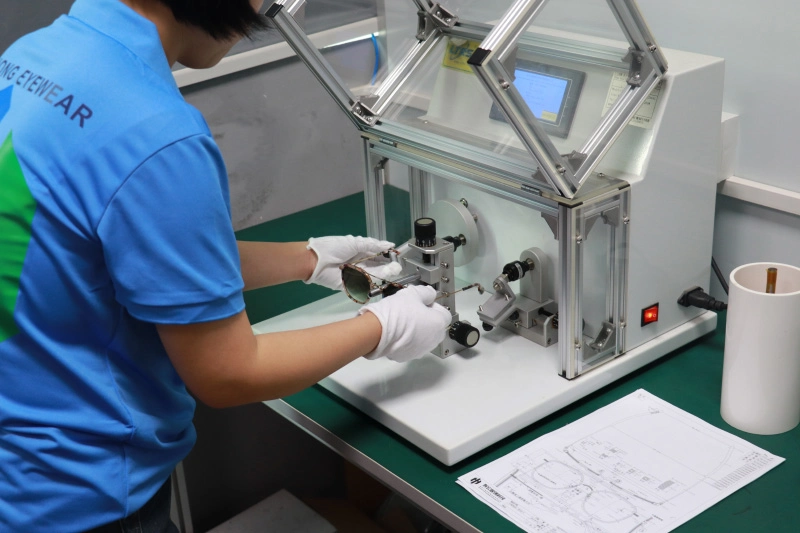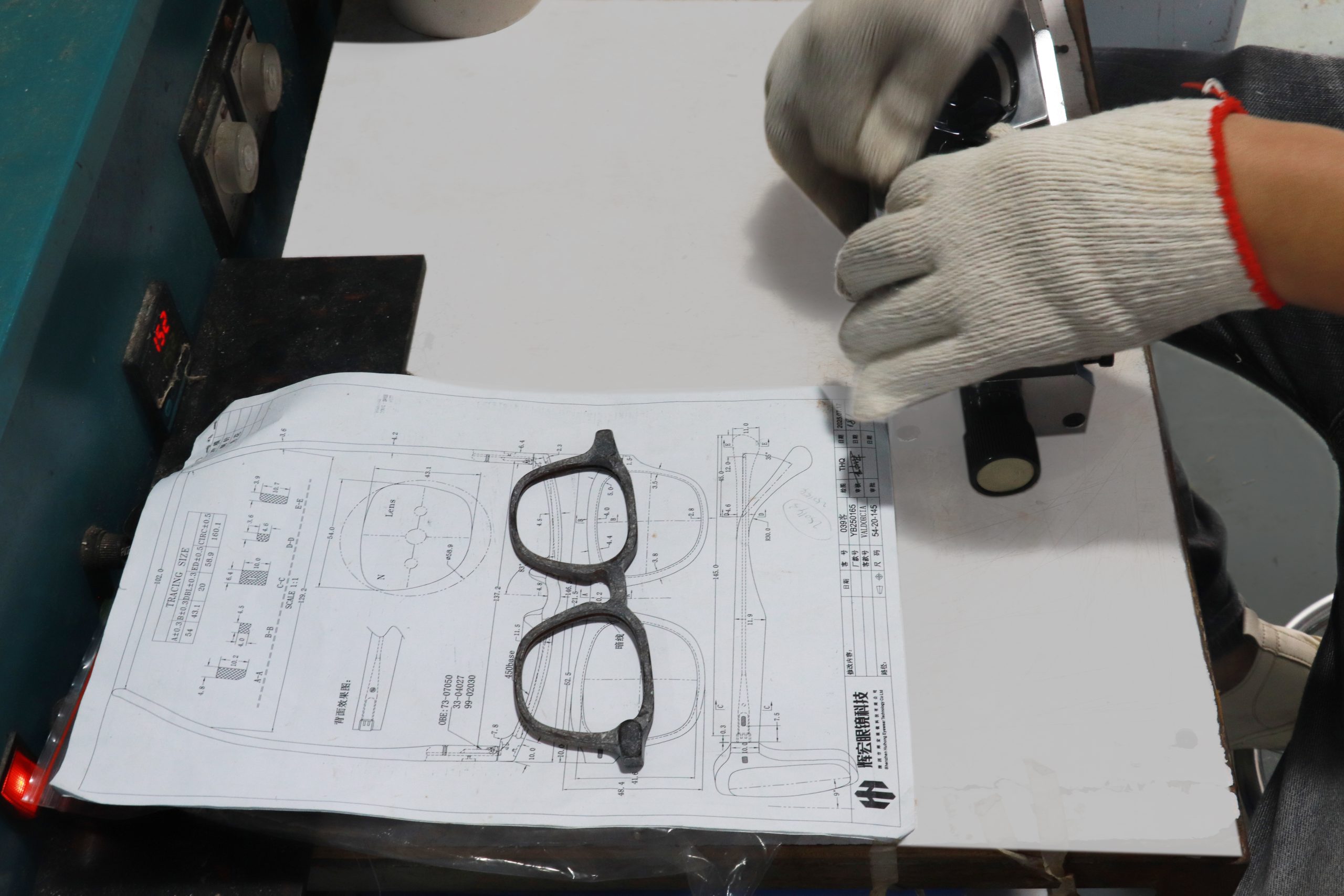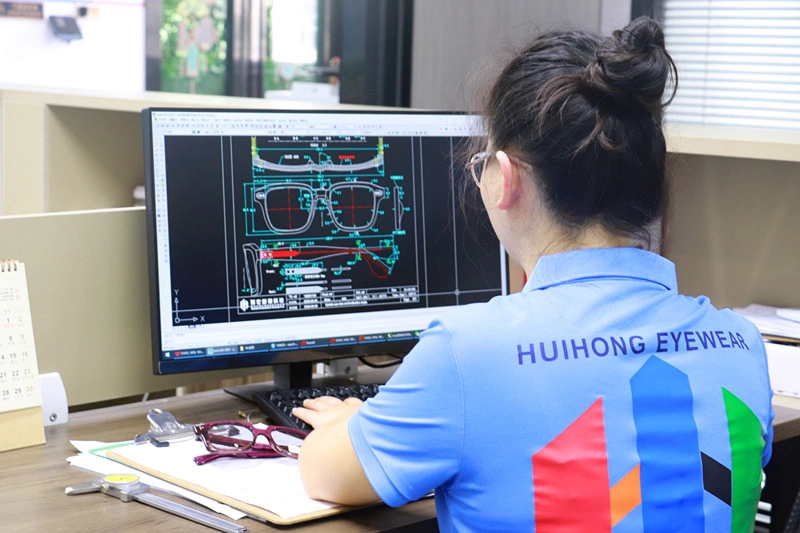
Metal frame glasses remain one of the most sought-after categories in the global eyewear market, valued for their timeless aesthetics, structural durability, and premium wear experience. From professional optical prescriptions to fashion-forward everyday styles, metal eyewear frames deliver a unique balance of functionality and refined design that plastic alternatives often cannot match. This guide breaks down everything you need to know about metal frame glasses—from material properties and style variations to practical selection tips—so you can make informed decisions for your product lineup or personal use.
Core Advantages of Metal Frame Glasses
When evaluating eyewear frame options, metal constructions stand out for several measurable benefits that drive long-term user satisfaction.
First, exceptional durability and shape retention. High-quality metal frames resist warping, cracking, and deformation far better than acetate or plastic frames. Even when accidentally bent, most metal frames can be readjusted back to their original shape without permanent damage, extending product lifespan significantly.
Second, precision adjustability for personalized fit. Metal temples and bridge structures can be finely tuned by optical professionals to match individual face contours, nose shapes, and ear positions. This adjustability reduces sliding, pressure points, and discomfort during all-day wear—a critical factor for prescription glasses users.
Third, hypoallergenic material options. Premium metal frame glasses crafted from pure titanium, beta-titanium, or nickel-free stainless steel minimize skin irritation and allergic reactions, making them suitable for sensitive skin users who cannot comfortably wear plastic or alloy frames.
Finally, sleek, lightweight aesthetics. Thin-wire metal frames create a minimalist, sophisticated look that works across business, casual, and formal settings. Advanced manufacturing techniques allow ultra-slim frame profiles without sacrificing structural strength.
Common Metal Frame Materials and Their Properties
Not all metal optical frames are created equal. The choice of base material directly impacts weight, durability, corrosion resistance, and price point.
Titanium & Beta-Titanium
Titanium is the gold standard for high-end metal frame glasses. It is approximately 40% lighter than stainless steel, fully corrosion-resistant, and naturally hypoallergenic. Beta-titanium offers added flexibility and memory-like shape retention, ideal for active users and those prone to accidentally bending their frames. This material category dominates premium and luxury eyewear segments due to its superior comfort and longevity.
Stainless Steel
Stainless steel frames deliver excellent strength-to-weight ratio at a more accessible price point. They offer good corrosion resistance, clean polishing finishes, and reliable structural rigidity. Most mid-range metal prescription glasses use medical-grade stainless steel for stable lens mounting and consistent fit over time.
Monel & Nickel-Free Alloys
Monel, a nickel-copper alloy, was historically widely used for its malleability and affordability. Modern manufacturing has shifted toward nickel-free alloy formulations to address allergy concerns while retaining the material’s easy adjustability and cost efficiency for entry to mid-tier collections.
Aluminum
Aluminum frames are ultra-lightweight and highly corrosion-resistant, often used in bold, contemporary frame designs. They offer a distinctive matte or anodized finish and are popular in fashion-forward metal eyewear collections targeting style-conscious consumers.
Popular Metal Frame Styles and Face Shape Matching
Metal frame glasses come in a wide range of silhouettes, each flattering different facial structures.
Rectangular & Square Metal Frames: Best for round and oval faces, adding angular definition and balancing softer facial contours. This is the most universally wearable style for professional and daily use.
Round & Oval Metal Frames: Complement square and heart-shaped faces by softening strong jawlines. Thin wire round frames carry a vintage, intellectual aesthetic that remains perennially popular.
Aviator Metal Frames: A unisex classic with teardrop lens shapes, aviators work well on oval, square, and heart faces. They transition seamlessly from optical glasses to sunglass applications.
Semi-Rimless & Rimless Metal Frames: Features minimal metal framing along the top or only at the lens mounting points, creating an almost invisible look. These are ideal for users who prefer lightweight, understated eyewear and want to minimize frame visibility on their face.
Browline Metal Frames: Combine a bold upper metal brow line with lower rimless or thin-rim construction. This style adds visual weight to the upper face and works particularly well on round and diamond face shapes.

Metal vs Plastic Frames: Which Should You Choose?
A common question among buyers is whether metal frame glasses are better than plastic or acetate alternatives. The answer depends on usage priorities:
Choose metal frame glasses if you value:
Long-term durability and shape retention
Precise, adjustable fit
Hypoallergenic wear
Slim, minimalist aesthetics
Suitable for daily prescription use
Choose plastic/acetate frames if you prioritize:
Bold colors and pattern variations
Lower price points for trend-driven styles
Warmer tactile feel
Wider styling flexibility for bold frame shapes
For brands building optical collections, offering both categories covers broader customer preferences, but metal frames typically command higher average selling prices and lower return rates due to their perceived quality and durability.
Practical Care Tips for Metal Eyeglass Frames
To maximize the lifespan of metal frame glasses, follow these simple maintenance practices:
Clean frames regularly with mild soap and warm water, wiping dry with a microfiber cloth to prevent water spots and mineral buildup
Avoid leaving metal frames in high-heat environments (such as car dashboards) which can weaken solder joints
Have fit adjustments performed by a trained optical professional rather than bending frames by hand
Inspect screws and nose pads periodically for tightness and wear, replacing components as needed
Store glasses in a hard case when not in use to prevent bending and scratching
Final Thoughts
Metal frame glasses continue to dominate the premium optical segment for good reason: they combine lasting durability, refined comfort, and timeless style in a category that rewards quality manufacturing. For eyewear brands and retailers, curating a well-structured metal frame collection across different material tiers and style silhouettes is a reliable way to meet diverse customer needs while building perceived value.
As an eyewear manufacturer specializing in high-end metal frame design and precision OEM/ODM production, we develop custom metal eyewear solutions for global brands—from prototype development and material selection to full-scale mass production with strict quality control standards.