The eyewear industry has reached a turning point. After years of chasing seasonal trends and logo-heavy designs, consumers are demanding something different: eyewear that actually lasts. In 2026, durability has quietly become the most coveted status signal. The message is clear—substance, not novelty, is what matters now.
For brands looking to stand out, the conversation always comes back to two essential pillars: premium lenses and durable frame construction. Here’s what that really means—and how to get it right.
What Makes a Lens “Premium”?
A premium lens does more than just darken the sun. It protects, enhances, and endures.
100% UV Protection—Non-Negotiable
This is the baseline. Quality lenses must block 100% of harmful UVA and UVB rays. In premium sunglasses, UV400 protection has become the industry standard—filtering out all ultraviolet radiation up to 400 nanometers. Any lens that doesn’t meet this threshold simply doesn’t belong in a premium product.
Polarization: From Optional to Essential
Polarized lenses are rapidly becoming the default choice, not an upgrade. They eliminate blinding glare from water, roads, and reflective surfaces while delivering spectacular contrast and reduced eye fatigue. For driving, outdoor activities, or daily urban wear, polarization transforms the visual experience. In 2026, compromising on polarization means compromising on quality.
Scratch Resistance and Coatings
Premium lenses feature advanced hard coatings that resist surface marks from everyday handling. Proprietary vacuum coating technologies are now standard in high-end lens production, significantly extending the useful life of the lens. Combined with hydrophobic and oleophobic treatments that repel water and oils, these coatings keep lenses clearer for longer.
Lens Material Matters
Not all lens materials are created equal. High-end manufacturers are increasingly turning to advanced copolyester materials that deliver superior optical clarity, impact resistance, and structural stability—without compromising on visual sophistication. Polycarbonate remains dominant for its durability and lightweight properties, while glass lenses offer unmatched optical clarity and scratch resistance for the premium segment.
The Frame: Where Durability Begins
A premium lens is only as good as the frame that holds it. In 2026, three materials dominate the durable eyewear conversation:
Acetate: The Premium Classic
Acetate frames offer a warm, premium hand-feel and unmatched depth of gloss. High-quality acetate—particularly Italian or Japanese-sourced—can be polished to a brilliant shine, layered with rich tortoise patterns, and adjusted with heat for a perfect fit. Thicker acetate profiles are central to the “Robust Luxury” trend, delivering substance and permanence that ultra-thin frames simply cannot match.
Titanium: Featherlight Strength
Titanium is widely considered the premium option in metal frames. It’s lightweight, exceptionally strong, corrosion-resistant, and hypoallergenic. Aerospace-grade titanium offers durability with a featherweight feel, making it ideal for wearers who want strength without bulk. Titanium frames can weigh as little as 3.3 grams while remaining highly robust—a remarkable engineering achievement.
Stainless Steel and Alloys
For brands seeking a balance of strength, flexibility, and price point, stainless steel offers proven durability in slim, refined profiles. Modern alloys continue to evolve, with bio-based metals and recycled materials gaining traction among sustainability-focused brands.
What “Durable” Really Means
Durability isn’t just about material choice—it’s about engineering.
Hinges are the most common failure point in eyewear. Premium frames use screwless hinge systems, reinforced barrel hinges, or flex hinges that withstand thousands of opening and closing cycles without loosening.
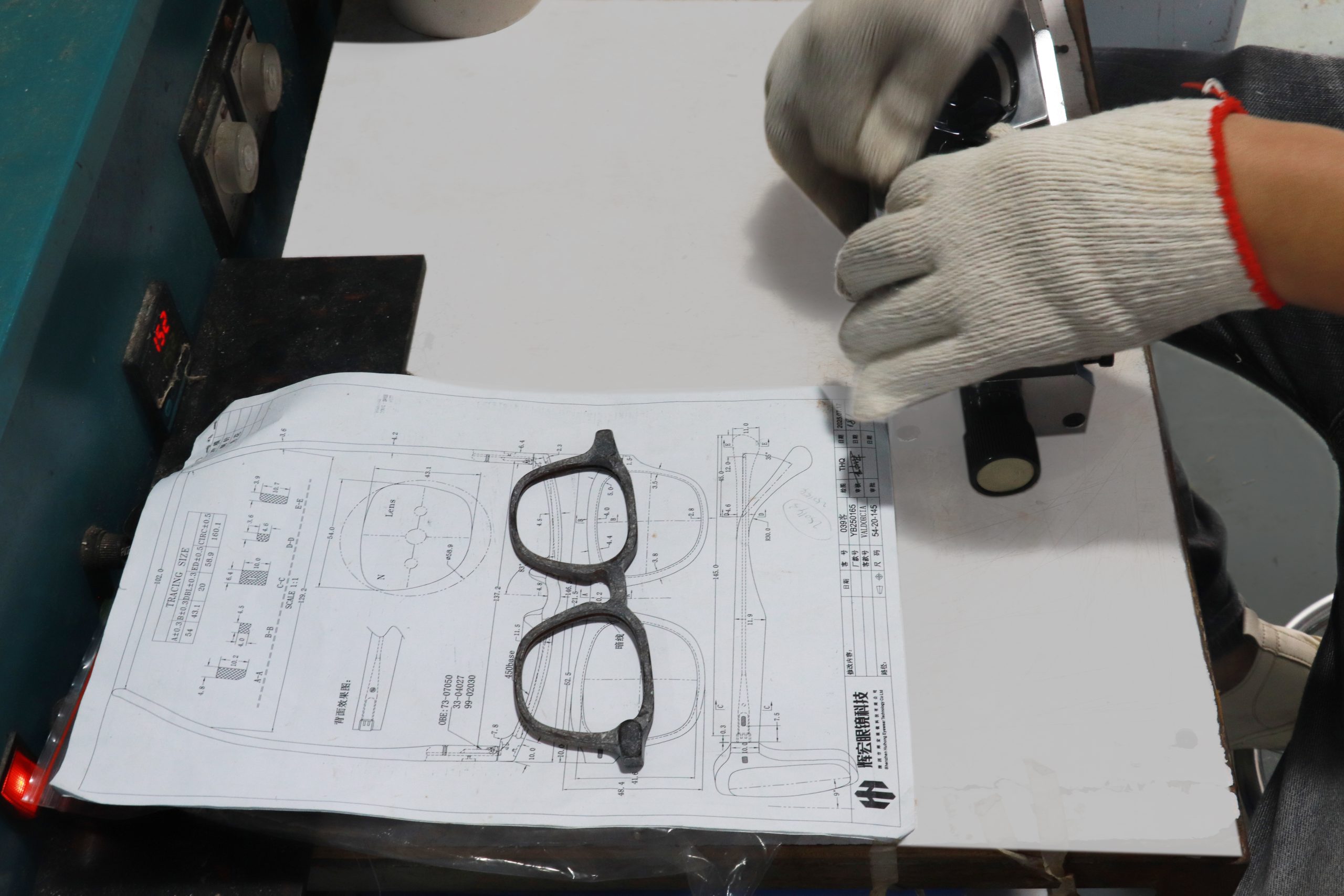
Construction quality separates lasting eyewear from disposable fashion. Solid metal constructions with genuine weight and structure, precisely milled acetate blocks, and meticulous polishing all contribute to frames that stay true to their shape over years of use.
Fit systems matter too. Adjustable nose pads, tailored grip accents, and custom fit architectures ensure that durable frames are also comfortable enough to wear every day.
The 2026 Shift: Sustainability Meets Durability
Today’s premium eyewear buyers expect more than quality—they expect responsibility. The industry is responding with tangible action:
Bio-based acetates derived from FSC-certified wood pulp and natural cotton now offer up to 70% bio-based content. Regenerated acetates, bioplastics from organic waste, and advanced resins are taking centre stage in frames that combine comfort, durability, and sustainability. Titanium, inherently recyclable and long-lasting, aligns perfectly with the durability-first mindset.
The message is simple: eyewear that lasts is inherently more sustainable than eyewear that doesn’t.
Partnering with the Right Manufacturer
For independent brands, designer labels, and premium retailers, bringing durable, high-quality eyewear to market requires a manufacturing partner who understands both craft and reliability.
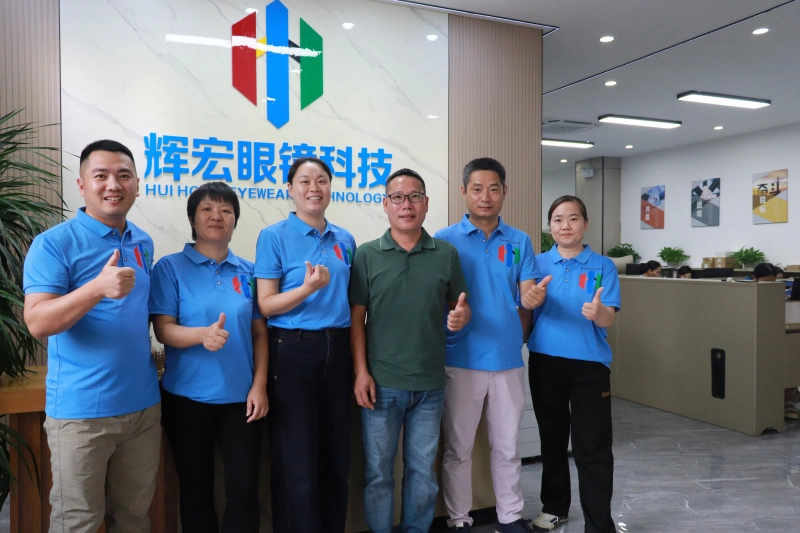
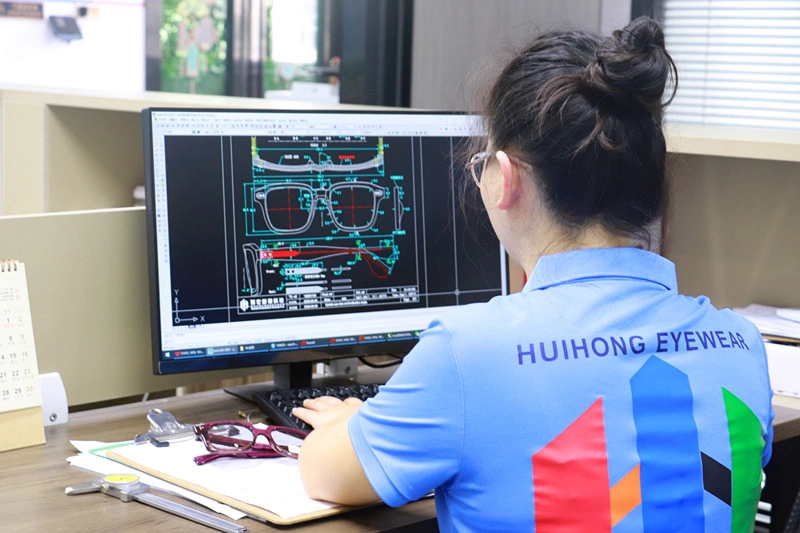
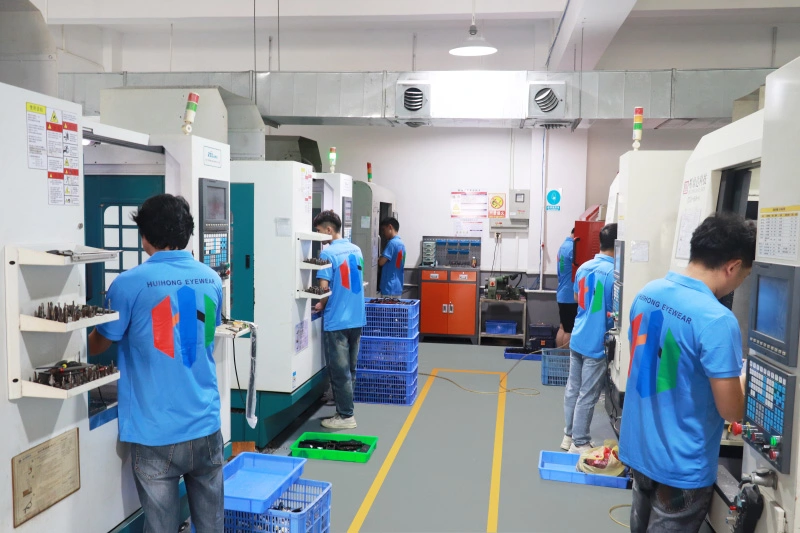
Shenzhen Huihong Eyewear Technology Co., Ltd. specializes in acetate, titanium, and metal frames—with a strong capability in low-volume, high-quality custom production. From concept prototyping to bulk delivery, the right OEM/ODM partner supports brands through every step of the journey with flexibility, speed, and precision.
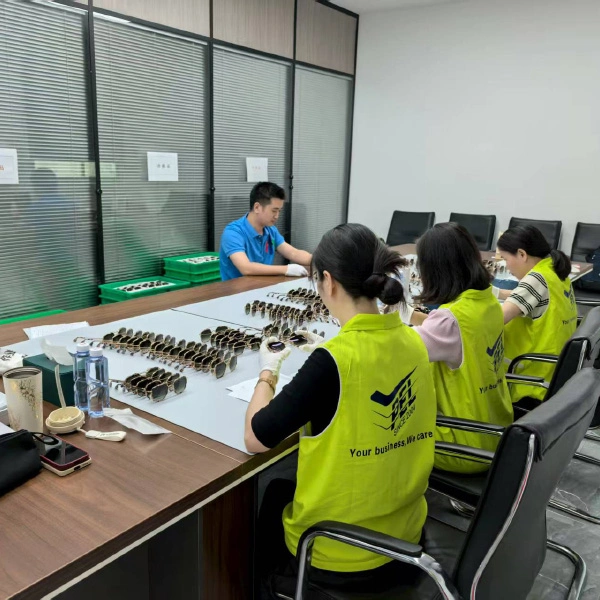
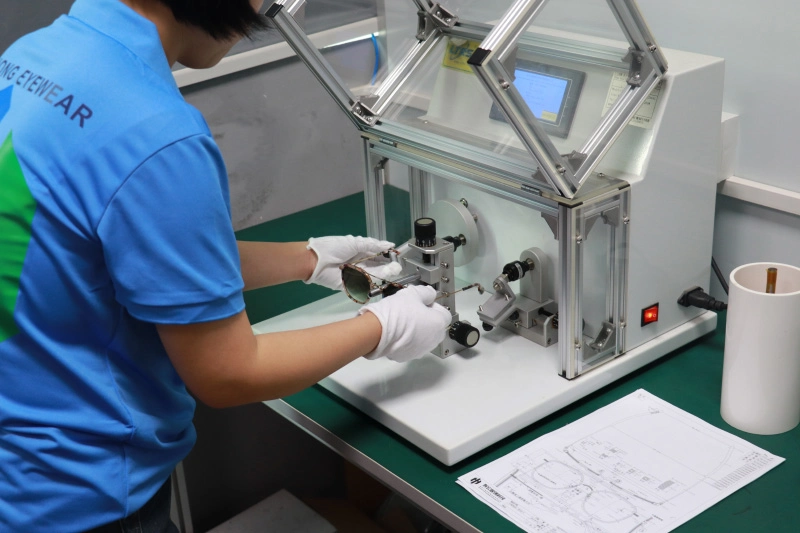
Quality assurance should include UV400 validation, optical clarity checks, and mechanical stress testing. Look for partners who maintain in-house testing labs and comply with international standards including CE, FDA, and RoHS certifications.
The Takeaway
Premium lenses and durable sunglasses aren’t about luxury for luxury’s sake. They’re about making eyewear that earns its place—that protects eyes, performs daily, and lasts for years rather than seasons. In 2026, that’s what consumers are looking for. And that’s what quality manufacturing delivers.