The eyewear market is crowded, and for independent brands, designer labels, and premium retailers, choosing the right OEM sunglasses manufacturer is one of the most consequential decisions you’ll make. A great partner does more than produce frames—they protect your brand, enable creative flexibility, and help you scale without headaches.
Here’s a concise, practical framework to evaluate suppliers and avoid costly mistakes.
1. Get Your Own Requirements Straight First
Before contacting any factory, define your project clearly. This saves you from comparing apples to oranges.
Project type: OEM (your design), ODM (manufacturer designs), or private label (ready-made styles)?
Materials: Acetate, titanium, metal, or mixed?
MOQ: Are you a startup needing low volume, or an established brand placing large orders?
Target markets: U.S., EU, Japan, Korea—each has different compliance rules.
Timeline: From concept to bulk delivery—how fast?
A professional manufacturer will ask about these details before giving pricing. If a supplier quotes a fixed price immediately without reviewing your style, lens, logo, or packaging, treat it as a red flag.
2. Assess Material Expertise & Manufacturing Capability
Not all factories are equal. Some chase high-volume, low-cost; others focus on craftsmanship and premium materials. Choose one that matches your brand positioning.
Key materials to consider:
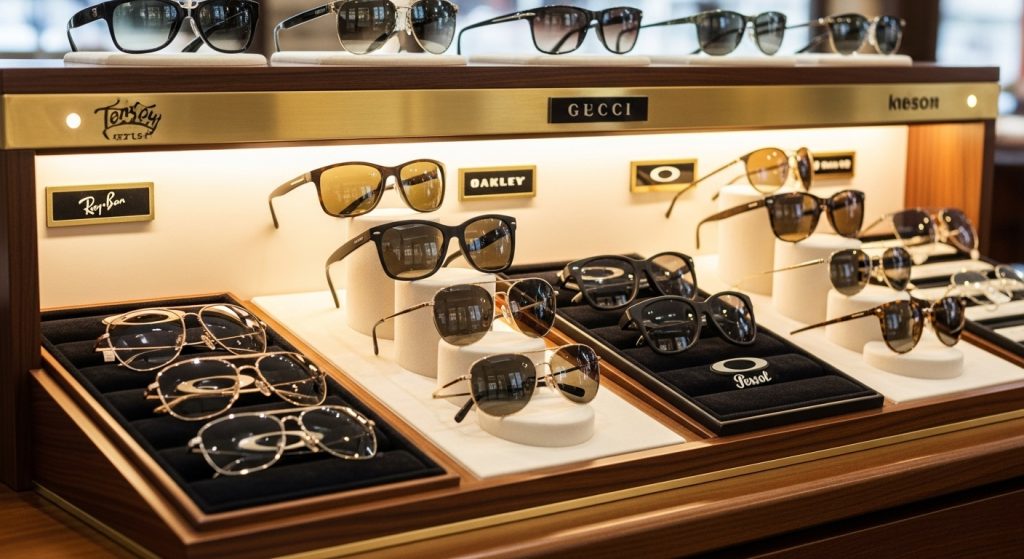
Acetate – Premium, plant-based, requires hand-polishing and artisan skill. Look for suppliers using high-grade Italian acetate.
Titanium – Lightweight, hypoallergenic, demands precision welding and finishing.
Metal – Sleek and modern; pay attention to hinge quality, plating adhesion, and corrosion resistance.
Huihong Eyewear specializes in all three—acetate, titanium, and metal frames. This means you can mix materials across a collection without juggling multiple suppliers, a major advantage for brand consistency.
3. Verify Quality Systems & Certifications
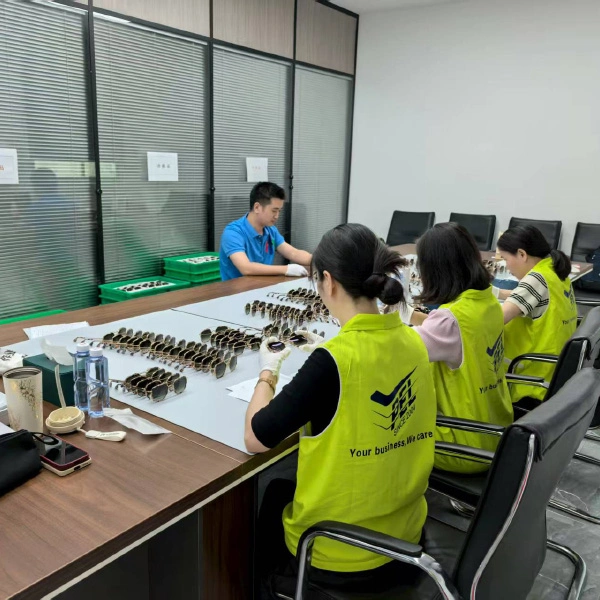
Quality failures hurt your reputation and can block shipments. Beyond certificates, request physical samples and inspect them thoroughly.
Core certifications to ask for:
ISO 9001:2015 – consistent quality management
FDA registration – required for U.S. sales
CE marking – mandatory for EU exports
UV400 protection – verify with lab reports
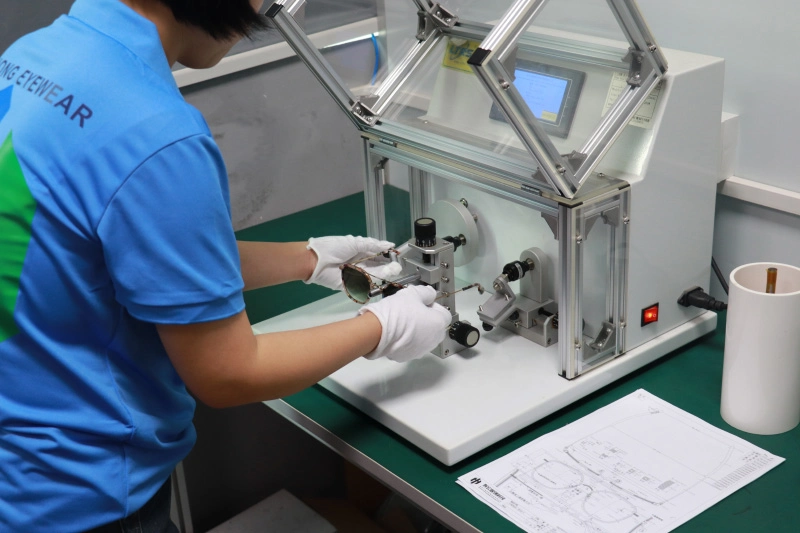
On-site checks (or virtual walkthroughs) should cover:
Hinge stress tests and durability
Lens distortion and coating uniformity
Plating adhesion for metal frames
Logo precision and finishing quality
Huihong Eyewear supports brands from concept prototyping to bulk delivery, with a track record of repeat clients across Japan, Korea, Europe, and North America—a strong indicator of consistent quality and trust.
4. Evaluate Customization & Low-Volume Flexibility
For independent and designer brands, off-the-shelf frames won’t differentiate you. You need real customization.
What true OEM customization includes:
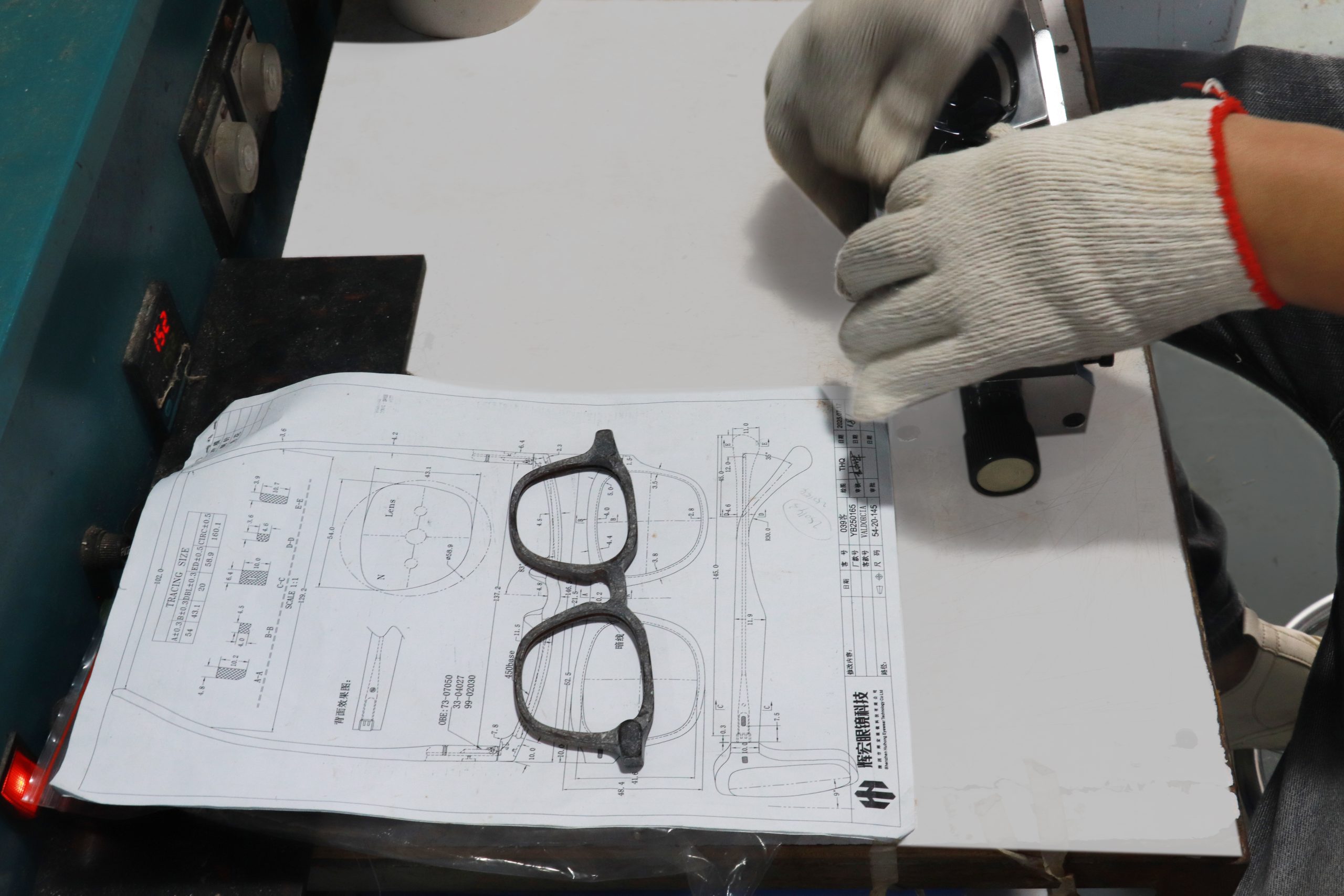
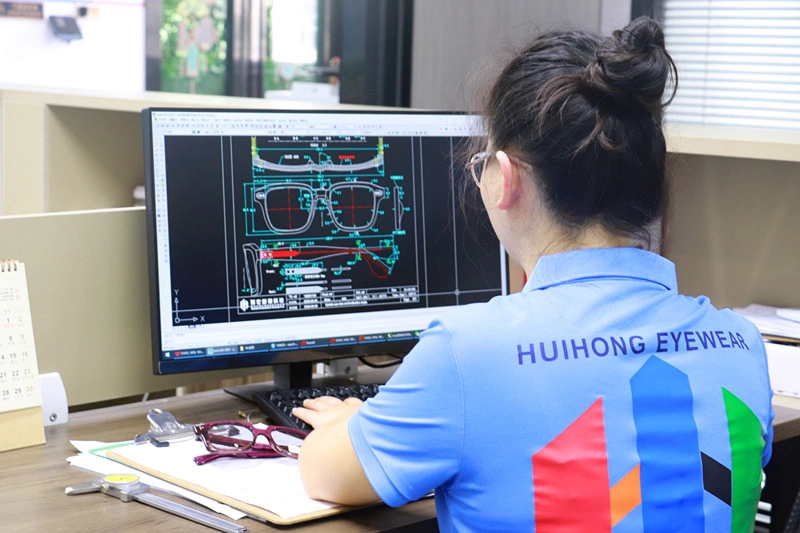
Frame shape prototyping (CAD to physical samples)
Mold creation for unique geometries
Laser engraving, hot stamping, custom logos
Lens treatments: polarized, mirror, gradient, blue-light blocking
Custom packaging – cases, pouches, boxes, hang tags
Pantone-accurate color matching
Critical for smaller brands: Many factories require thousands of units per style. That forces you to over‑invest before validating your market. Huihong Eyewear excels in low‑volume, high‑quality custom production—ideal for startups, limited editions, or curated drops. You get premium craftsmanship without punishing MOQs.
5. Test Communication, Samples & Due Diligence
Communication is the backbone of a smooth partnership. Slow replies before you order almost guarantee slow replies afterward.
What to look for in initial contact:
Response time under 5 hours (proactive, clear)
They ask about structure, material, MOQ, sample steps, and production limits—not just price
They can explain how changes affect timing and feasibility
They describe specific QC checkpoints (finishing, logo, assembly, packing)
Always order samples before bulk production. Use samples to verify:
Dimensional accuracy and fit
Surface finish and lens performance
Batch-to-batch consistency
Additional due diligence:
Request live video factory tours or on‑site audits
Ask for references from clients in your segment—confirm lead times, reliability, and after‑sales support
Red flags: vague MOQ explanations, generic quality claims, fixed promises without reviewing your project, or reluctance to share sample costs/timelines.
Bonus: Manufacturing Location Matters
China remains the world’s eyewear production hub, with distinct regional strengths:
Wenzhou – high‑end acetate craftsmanship
Shenzhen – advanced lens tech, rapid prototyping, and integration
Yiwu – fast‑fashion and ultra‑low MOQs
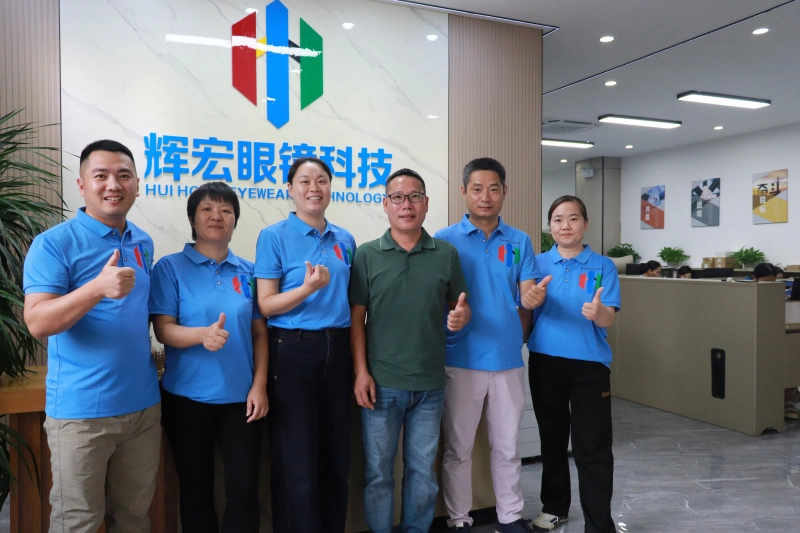
Huihong Eyewear is headquartered in Shenzhen, leveraging its advanced infrastructure, skilled workforce, and export efficiency for faster turnarounds and cutting‑edge production methods.
Final Thought: Choose a Partner, Not Just a Supplier
The best OEM manufacturer isn’t the cheapest or fastest—it’s the one whose capabilities align with your brand’s quality expectations and operational rhythm. Price‑only decisions often lead to inconsistent quality, delayed deliveries, or IP risks.
Huihong Eyewear embodies what to look for: specialized expertise in acetate, titanium, and metal; low‑volume high‑quality production; end‑to‑end support from design to logistics; and a global client base that returns for trust and shared value. When you choose Huihong, you’re choosing a partner dedicated to bringing your eyewear vision to life with craftsmanship and reliability.