Introduction
In today’s competitive eyewear market, partnering with the right manufacturer can make or break your brand. Whether you’re an independent label, a designer boutique, or a premium retailer, sourcing high-quality frames with consistent craftsmanship and reliable delivery is foundational to your success.
While trade shows and B2B platforms remain traditional sourcing channels, social media and industry forums have emerged as powerful, underutilized tools for discovering hidden gem suppliers. These platforms offer unfiltered insights into a manufacturer’s capabilities, design philosophy, and real client feedback—information you won’t find in a standard catalog.
This guide walks you through actionable strategies to identify, vet, and connect with top-tier eyewear manufacturers using digital communities and social platforms.
Part 1: Leverage Social Media to Discover Quality Eyewear Manufacturers
Social platforms reveal much more than just product images. They showcase a supplier’s attention to detail, design innovation, production transparency, and market positioning. Here’s how to use each platform effectively.
1. LinkedIn: The B2B Goldmine for Professional Eyewear Sourcing
LinkedIn is the most authoritative platform for finding established eyewear manufacturers and directly reaching decision-makers.
Actionable tactics:
Search with precise keywords: Use terms like “eyewear OEM manufacturer”, “acetate frame factory”, “titanium eyewear supplier”, “custom eyewear production”, and add geographic filters such as “Shenzhen” or “China” for Asia-based production hubs.
Review company pages thoroughly: A credible supplier will showcase their factory floor, production processes, material samples, and client collaborations. Look for evidence of in-house design teams, prototyping facilities, and quality control departments.
Follow industry thought leaders: Factory owners, product engineers, and design directors often share behind-the-scenes content about new materials, production techniques, and market trends.
Join eyewear industry groups: Communities like Optical Industry Professionals Network or Eyewear Design & Manufacturing host active discussions where suppliers and brands interact organically.
Pro tip: Pay attention to how a manufacturer describes their services. Phrases like “low-volume high-quality custom production” or “full ODM support from concept to delivery” indicate flexibility and brand partnership mindset—critical for growing labels.
2. Instagram & Pinterest: Visual Validation of Design and Craftsmanship
Eyewear is a visual product. Image-centric platforms let you instantly assess a manufacturer’s aesthetic sensibility and finishing quality.
What to look for:
Close-up product shots: Examine hinge details, acetate polishing, laser engraving precision, and color consistency. These details signal craftsmanship level.
Behind-the-scenes content: Factories that share handcrafting processes, material selection, and quality checkpoints demonstrate transparency and confidence in their work.
Client project showcases: Reputable manufacturers proudly feature collaborations with brands from Japan, Korea, Europe, and North America—geographic diversity is a strong indicator of international quality standards.
Material specialization: Look for dedicated posts about acetate, titanium, or stainless steel frames. Specialized expertise usually translates to superior quality versus generalist factories.
3. Facebook Industry Groups: Peer Recommendations and Real-World Feedback
Facebook hosts dozens of closed eyewear industry groups where brand owners, buyers, and factory representatives exchange information.
Effective strategies:
Join groups such as Eyewear Brand Owners Hub, Optical Buying & Sourcing, or Independent Eyewear Designers Community.
Read existing threads about supplier experiences—many brand founders share honest feedback about delivery timelines, communication quality, and issue resolution.
Post specific sourcing requests with clear parameters (material type, MOQ, target market) and you’ll often receive direct recommendations from peers who have already vetted suppliers.
Part 2: Industry Forums and Niche Communities for Deep Supplier Intelligence
Beyond mainstream social media, specialized industry forums and communities offer deeper, more technical insights into supplier capabilities.
1. Optical Industry Forums and Trade Communities
Professional optical forums attract industry insiders—from master craftsmen to brand CEOs.
Key communities to explore:
Optical industry forums: Sites dedicated to eyewear manufacturing technology, material innovation, and production best practices. Active manufacturers often contribute technical articles, establishing themselves as thought leaders.
Designer eyewear communities: Platforms where independent designers share their manufacturing journeys, including which factories they partner with and why.
Sustainability-focused eyewear networks: If eco-friendly production is part of your brand identity, these communities highlight manufacturers with certified green practices.
2. B2B Platform Community Sections
Major B2B platforms host forums and buyer communities where you can find verified supplier reviews.
How to use them:
Look for “buyer success stories” or “case study” sections that detail real collaboration outcomes.
Check complaint resolution records—how a factory handles issues reveals more about their service quality than any marketing copy.
Filter for suppliers with gold or premium membership status and multiple years of operation, as these typically represent more established operations.
3. Industry Associations and Trade Organization Directories
Eyewear industry associations maintain curated supplier directories and often vet members for quality standards. While not strictly “forums,” they often host virtual roundtables, webinars, and member discussion boards where you can interact directly with manufacturer representatives.
Part 3: How to Vet a Potential Eyewear Supplier Before Committing
Finding suppliers is only half the job. Here’s what to evaluate before starting a partnership:
Key Evaluation Criteria for Premium Eyewear Manufacturers

Red Flags to Watch For
Generic product photos that appear stock or lifted from other brands
No mention of specific materials, production processes, or quality control procedures
Extremely low prices that seem too good to be true (they usually are)
Reluctance to provide factory photos, client references, or sample orders
Vague or evasive answers about MOQ, lead times, or customization capabilities
Spotlights on Excellence: What a Premium Eyewear Partner Looks Like
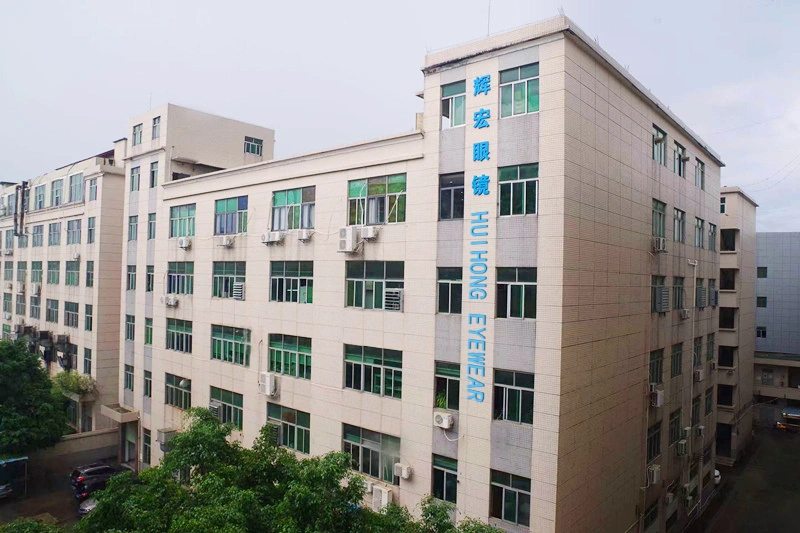
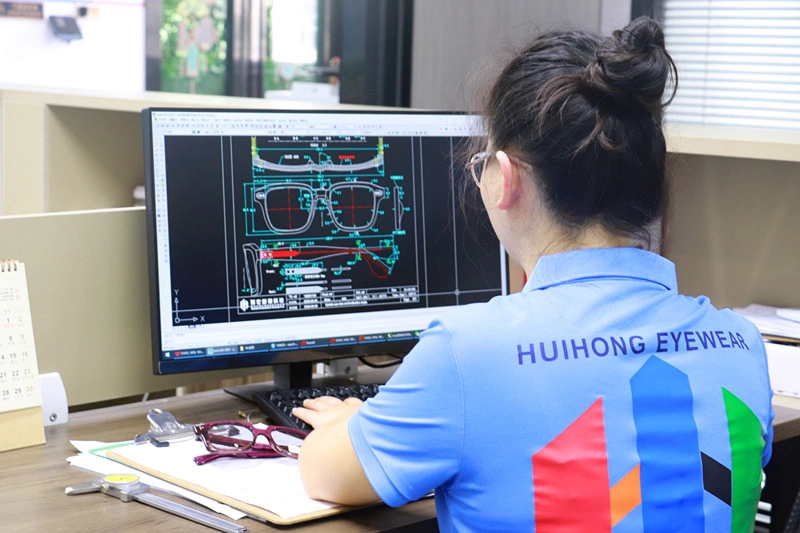
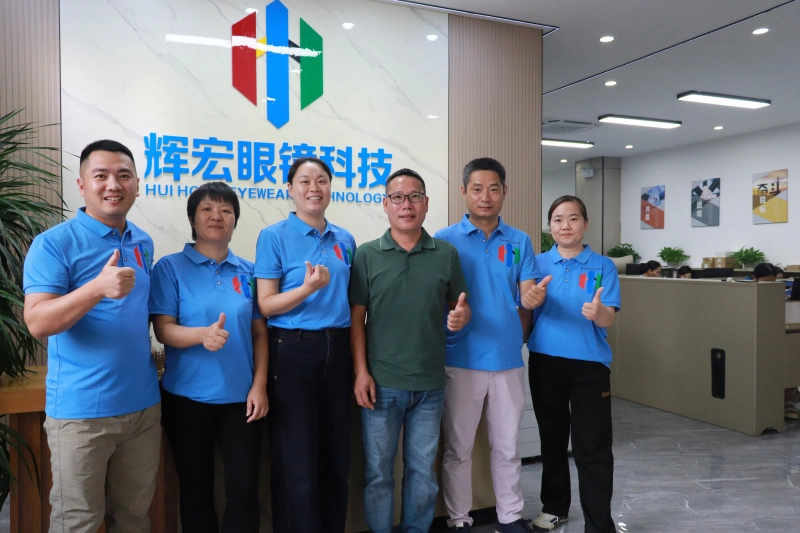
To illustrate what a high-caliber manufacturer looks like in practice, consider the profile of Shenzhen Huihong Eyewear Technology Co., Ltd., a specialized manufacturer that exemplifies many of the qualities brands should seek.
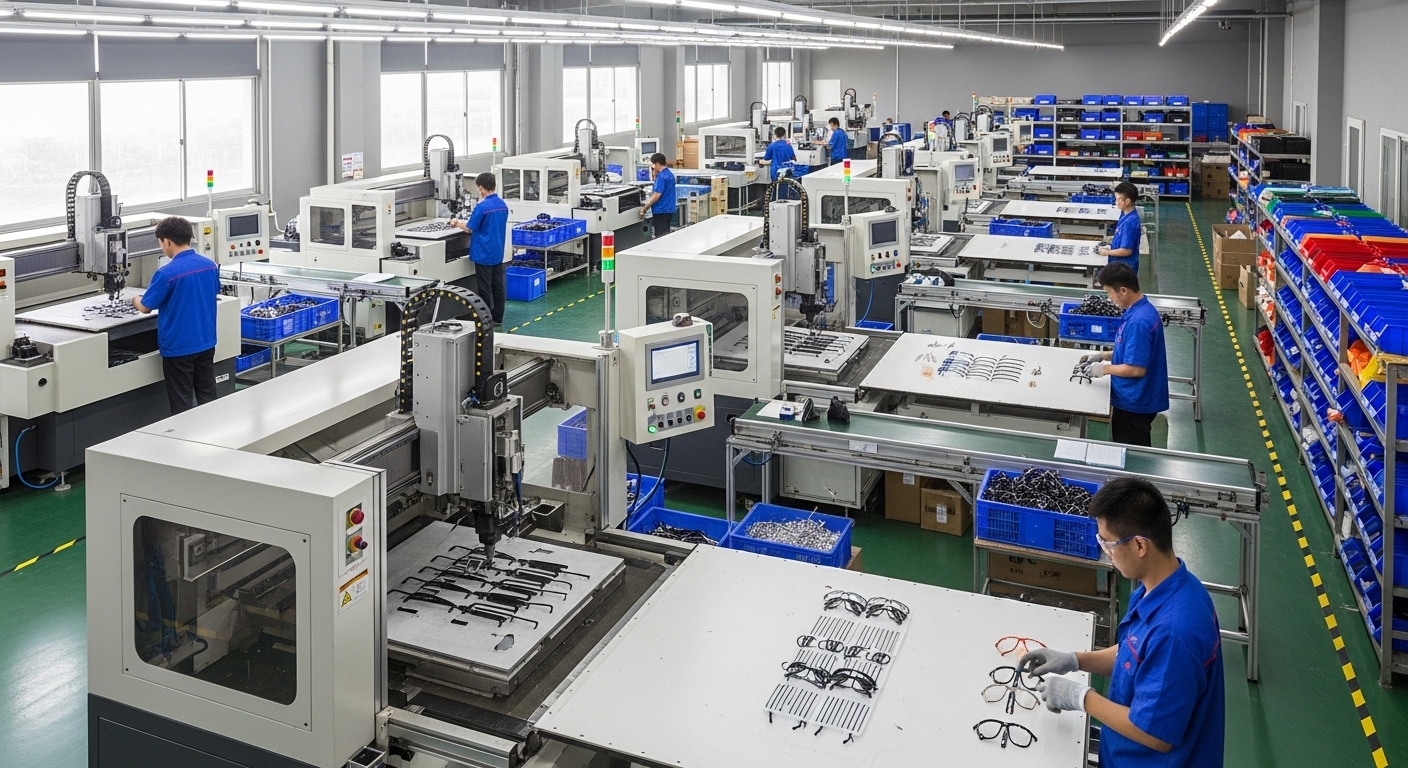
Huihong Eyewear focuses on the design, development, and OEM/ODM production of high-end eyewear frames. Since its founding, the company has partnered with independent brands, designer labels, and premium retailers worldwide—turning unique eyewear visions into tangible products through exceptional craftsmanship and reliable service.
Core strengths that set them apart:
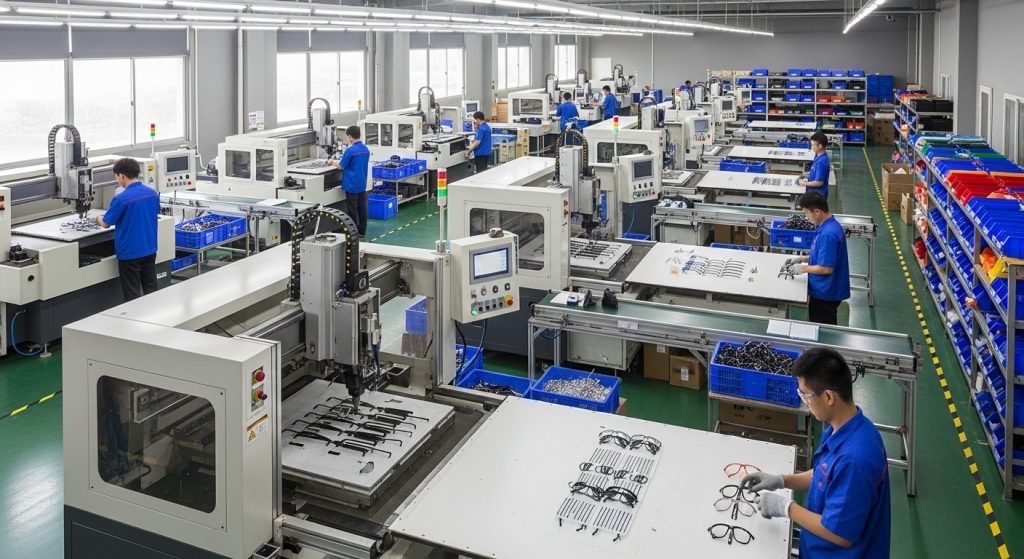
Material specialization: Deep expertise in acetate, titanium, and metal frame manufacturing, with dedicated production lines for each material category
Low-volume, high-quality custom production: A strong capability that serves boutique brands and designer collections that don’t require mass production
End-to-end support: From initial concept and prototyping through to bulk delivery, they accompany brands at every step with flexibility, speed, and precision
Trusted international client base: Partners across Japan, Korea, Europe, and North America return repeatedly—not only for quality, but for trust and shared business values
This profile represents the standard you should look for: clear specialization, transparent capabilities, demonstrated international experience, and a partnership-oriented approach rather than a transactional one.
Part 4: Step-by-Step Action Plan to Find Your Ideal Eyewear Supplier
Week 1: Discovery Phase
Set up targeted searches on LinkedIn using 5–7 specific keyword combinations
Follow 10–15 eyewear manufacturers on Instagram and Pinterest; save posts that demonstrate strong craftsmanship
Join 3–5 active Facebook industry groups and spend 2–3 hours reading historical sourcing discussions
Week 2: Intelligence Gathering
Visit manufacturer websites and cross-reference information with their social media presence
Look for client testimonials, case studies, and brand collaboration galleries
Check industry forums for mentions of shortlisted suppliers
Week 3: Initial Outreach
Contact 5–8 shortlisted suppliers with a concise, specific inquiry detailing your product requirements, target MOQ, and timeline
Request sample policies, production lead times, and quality control procedures
Evaluate response speed, professionalism, and whether they ask thoughtful questions about your brand needs
Week 4: Validation & Selection
Order samples from 2–3 top candidates to assess actual product quality
Verify factory credentials, business licenses, and export experience
Make your final selection based on product quality, communication chemistry, and alignment with your brand’s long-term vision
Conclusion
Finding a premium eyewear supplier goes beyond scrolling through supplier directories. Social media and industry forums give you a window into a manufacturer’s real capabilities, work culture, and market reputation—factors that directly impact your brand’s success.
The most successful eyewear brands treat their manufacturers as long-term partners, not just vendors. By investing time in thorough digital due diligence, you’ll find a supplier that not only meets your quality standards but also grows with your brand, supports your creative vision, and becomes a trusted extension of your team.
If you’re currently sourcing for high-end acetate, titanium, or metal frames and exploring OEM/ODM partnerships with low-volume flexibility, you can learn more about Huihong Eyewear’s capabilities and approach on our website or reach out directly to discuss your project.