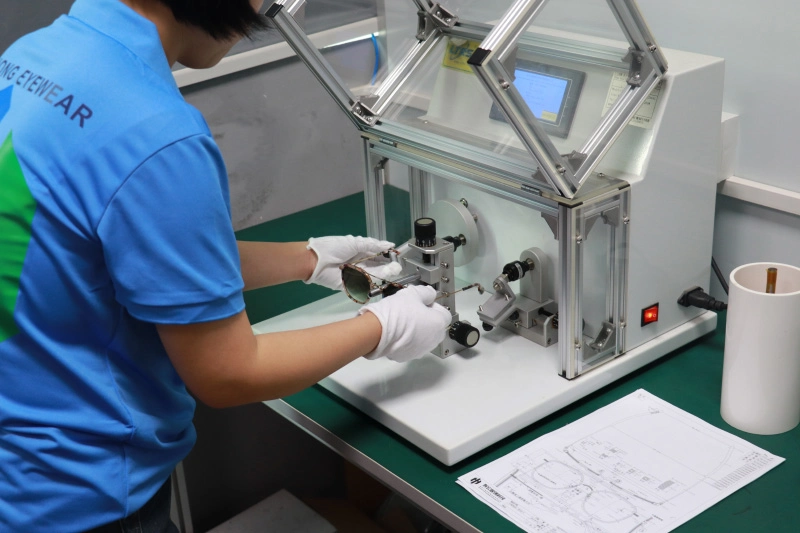
In today’s fast-paced digital world, the demand for high-quality eyeglass lenses has never been higher. With over 2.5 billion people worldwide requiring vision correction and an increasing number of consumers seeking specialized lenses for digital eye strain, UV protection, and sports activities, partnering with reliable glasses lens manufacturers has become critical for eyewear brands, optical chains, and eye care professionals globally.
This comprehensive guide will walk you through everything you need to know about sourcing optical lenses, from understanding different lens materials and technologies to evaluating manufacturers based on key performance metrics. Whether you’re a startup eyewear brand or an established optical retailer, this article will help you make informed decisions that enhance your product offerings and customer satisfaction.
Understanding the Global Optical Lens Market Landscape
The global eyeglass lens market reached approximately $41.4 billion in 2025 and is projected to grow at a CAGR of 5.8% through 2030, driven by several key factors:
Rising prevalence of myopia and presbyopia worldwide
Increasing adoption of digital devices leading to higher demand for blue light blocking lenses
Growing consumer awareness about eye health and UV protection
Technological advancements in free-form surfacing and customized lens solutions
Expansion of the premium eyewear segment in emerging markets
As an optical business, your success depends on your ability to source lenses that meet the diverse needs of your customers while maintaining competitive pricing and consistent quality. This is where choosing the right optical lens manufacturer becomes your most strategic business decision.
Essential Lens Materials: A Complete Breakdown
The foundation of any high-quality eyeglass lens lies in its material. Different materials offer distinct advantages in terms of optical clarity, weight, thickness, durability, and cost. Leading glasses lens manufacturers offer a comprehensive range of materials to suit various prescription strengths and lifestyle requirements.
1. CR-39 Plastic (1.499 Index)
CR-39 remains the most widely used lens material globally, accounting for approximately 40% of all prescription lenses produced. Introduced in the 1940s, this thermoset plastic offers:
Excellent optical clarity with minimal chromatic aberration
Good impact resistance compared to glass
Cost-effective production
Easy to coat and tint
CR-39 lenses are ideal for patients with mild to moderate prescriptions (up to ±3.00 diopters) who prioritize affordability and basic optical performance.
2. Polycarbonate (1.586 Index)
Polycarbonate has revolutionized the optical industry with its exceptional impact resistance—up to 10 times stronger than standard plastic. Key benefits include:
Built-in 100% UV400 protection
Lightweight construction (20% lighter than CR-39)
Thin profile for moderate prescriptions
Shatterproof properties making it ideal for children, athletes, and safety applications
All reputable prescription lenses wholesale suppliers offer polycarbonate lenses as a standard option for active lifestyles and safety eyewear.
3. High-Index Resins (1.60, 1.67, 1.74 Index)
High-index lenses are specifically designed for patients with strong prescriptions who want thinner, lighter eyewear. The higher the refractive index, the thinner the lens required to achieve the same corrective power:
1.60 Index: 20% thinner than CR-39, ideal for prescriptions up to ±6.00 diopters
1.67 Index: 30% thinner than CR-39, perfect for prescriptions up to ±8.00 diopters
1.74 Index: The thinnest plastic lens available, 50% thinner than CR-39, recommended for prescriptions over ±8.00 diopters
Premium optical lenses manufacturers use advanced high-index materials that balance thinness with optical clarity, ensuring patients with strong prescriptions can enjoy comfortable, aesthetically pleasing eyewear.
4. Trivex (1.53 Index)
Trivex is a relatively new material that combines the best properties of polycarbonate and CR-39:
Superior optical clarity compared to polycarbonate
Excellent impact resistance
Lightweight and comfortable
Good chemical resistance
Ideal for rimless and drill-mount frames
While slightly more expensive than polycarbonate, Trivex offers better visual performance, making it a popular choice for discerning patients.
5. Glass Lenses (1.523, 1.7, 1.8, 1.9 Index)
Although glass lenses have largely been replaced by plastic materials in mainstream use, they still offer unmatched optical clarity and scratch resistance. Glass lenses are primarily used for:
Patients with extremely high prescriptions
Specialized optical applications
Customers who prioritize scratch resistance above all else
However, their heavy weight and low impact resistance make them unsuitable for most everyday applications.
Advanced Lens Technologies and Coatings
Modern glasses lens manufacturers invest heavily in research and development to create innovative lens technologies that enhance visual performance and comfort. These value-added features have become essential differentiators in today’s competitive optical market.
1. Free-Form Digital Surfacing
Free-form surfacing technology has transformed the way progressive and customized lenses are manufactured. Unlike traditional molded lenses, free-form lenses are digitally surfaced on both sides using computer-controlled CNC machines, allowing for:
Precise customization based on individual prescription, frame fit, and viewing habits
Wider fields of view with minimal distortion
Improved visual acuity at all distances
Better adaptation to progressive lenses
Top optical lab suppliers use state-of-the-art free-form surfacing equipment to produce lenses with tolerances as tight as 0.01 diopters, ensuring exceptional optical performance.
2. Anti-Reflective (AR) Coatings
AR coatings are one of the most popular lens enhancements, reducing reflections from the front and back surfaces of the lens. High-quality AR coatings offer:
Improved visual clarity by eliminating glare
Reduced eye strain, especially during computer use and night driving
Better cosmetic appearance by making lenses appear almost invisible
Increased light transmission (up to 99.5% compared to 92% for uncoated lenses)
Leading manufacturers offer multi-layer AR coatings that also include scratch-resistant, hydrophobic, and anti-static properties for enhanced durability and ease of cleaning.
3. Blue Light Blocking Technology
With the average person spending over 7 hours daily in front of digital screens, blue light blocking lenses have become a necessity for many consumers. These lenses filter out harmful high-energy blue light (400-450nm) while allowing beneficial blue-turquoise light (450-500nm) to pass through, providing:
Reduced digital eye strain and fatigue
Improved sleep quality by minimizing disruption to circadian rhythms
Long-term protection against potential retinal damage
Custom lens solutions providers offer various blue light blocking options, from clear lenses with subtle blue filters to specialized lenses for heavy digital users.
4. Photochromic Lenses
Photochromic lenses automatically darken when exposed to UV light and clear up indoors, offering the convenience of both eyeglasses and sunglasses in one pair. Modern photochromic technologies provide:
Fast activation and fade-back times
Consistent performance across different temperatures
100% UV protection
Compatibility with all lens materials and prescriptions
5. Polarized Lenses
Polarized lenses are essential for outdoor activities, as they eliminate glare reflected from horizontal surfaces such as water, snow, and roads. Benefits include:
Reduced eye fatigue in bright sunlight
Improved visual comfort and clarity
Enhanced contrast and color perception
Better safety for driving and outdoor sports
Aspheric lens wholesale suppliers offer polarized lenses in various materials and tints, making them suitable for both prescription and non-prescription sunglasses.
7 Critical Factors to Evaluate When Choosing Glasses Lens Manufacturers
With hundreds of optical lens manufacturers operating globally, selecting the right partner can be overwhelming. The following seven factors will help you evaluate potential suppliers and find one that aligns with your business needs and quality standards.
1. Material Quality and Sourcing
The quality of raw materials directly impacts the performance and durability of finished lenses. Look for manufacturers who:
Source optical-grade materials from reputable suppliers
Conduct rigorous incoming material inspection
Provide material certification and traceability
Use consistent material batches to ensure product uniformity
Avoid suppliers who cut corners by using inferior materials, as this can lead to issues such as yellowing, cracking, and inconsistent optical performance.
2. Technological Capabilities
A manufacturer’s technological capabilities determine their ability to produce advanced lens solutions. Key technologies to look for include:
Digital free-form surfacing equipment
Automated coating lines with multi-layer coating capabilities
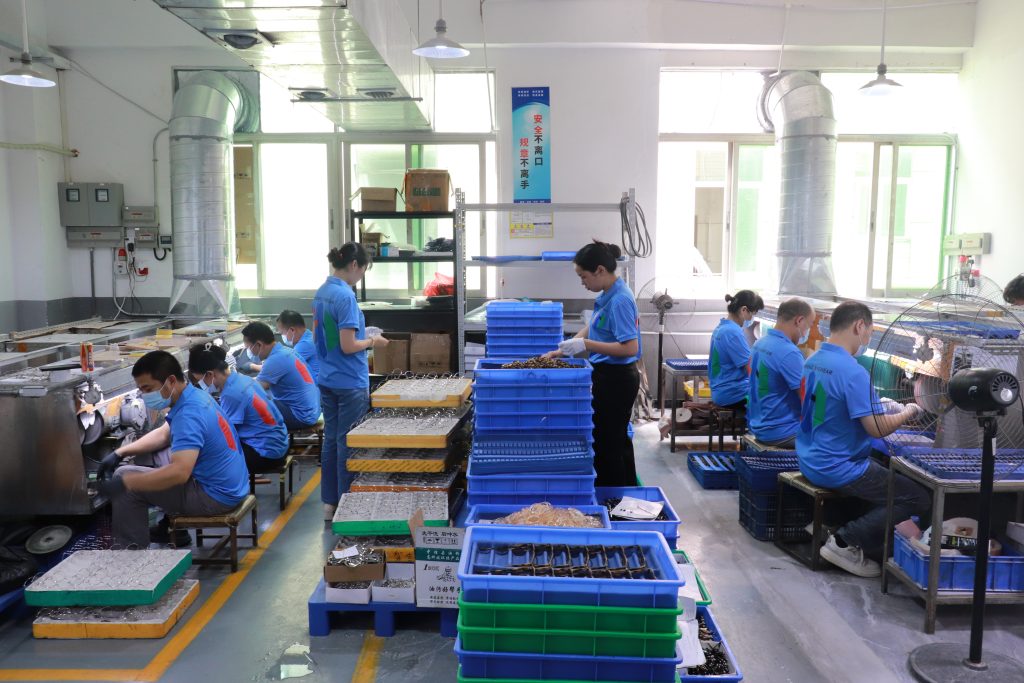
Precision lens cutting and edging machines
Integrated quality control systems
Digital prescription management software
Manufacturers who invest in the latest technology can produce higher-quality lenses with tighter tolerances and faster turnaround times.
3. Comprehensive Product Range
Partnering with a manufacturer that offers a complete range of lens products simplifies your supply chain and allows you to meet all your customers’ needs from a single source. Your supplier should offer:
Single vision, bifocal, and progressive lenses
All major lens materials (CR-39, polycarbonate, high-index, Trivex)
A full range of coatings and treatments
Specialty lenses (blue light blocking, photochromic, polarized, safety)
Both finished lenses and lens blanks for in-house surfacing
4. Customization Options
Today’s market demands personalized solutions that cater to individual customer needs. The best glasses lens manufacturers offer extensive customization options, including:
Custom lens designs for specific frame styles
Personalized progressive lenses based on lifestyle and viewing habits
Custom tints, gradients, and mirror coatings
Specialized lens treatments for occupational use
Private labeling and packaging options
Customization capabilities allow you to differentiate your products and create unique value propositions for your customers.
5. Production Capacity and Scalability
For businesses with high-volume demands or seasonal fluctuations, production capacity is a critical consideration. Evaluate manufacturers based on:
Daily production volume for different lens types
Number of production lines and shifts
Ability to scale production during peak periods
Lead times for standard and custom orders
Global warehousing and distribution capabilities
Request production reports or schedule factory audits to verify claimed capacity and ensure the manufacturer can meet your current and future demand.
6. Quality Control and Certification
Rigorous quality control processes are essential to ensure consistent product quality and compliance with international standards. Look for manufacturers who:
Hold ISO 9001 and ISO 13485 certifications
Implement comprehensive quality management systems
Conduct 100% inspection of finished lenses
Have dedicated quality control laboratories
Provide detailed quality reports and documentation
Additionally, ensure the manufacturer’s products meet regional regulatory requirements, such as CE marking for the European market and FDA clearance for the United States.
7. Customer Service and Support
A strong partnership with your lens manufacturer goes beyond just product delivery. Excellent customer service and support are crucial for long-term success. Key support services to look for include:
Dedicated account managers
Technical support for lens fitting and troubleshooting
Training programs for your staff
Flexible ordering and payment terms
Efficient returns and replacement processes
Proactive communication about product updates and industry trends
Manufacturers who prioritize customer service will work with you to resolve issues quickly and help you grow your business.
Emerging Trends in Optical Lens Manufacturing (2026-2027)
The optical lens industry is constantly evolving, with new technologies and trends shaping the future of vision correction. Staying ahead of these trends will give your business a competitive edge and allow you to offer the latest innovations to your customers.
1. AI-Powered Lens Design and Manufacturing
Artificial intelligence is revolutionizing lens design and production processes. AI algorithms can:
Analyze millions of patient data points to create optimized lens designs
Predict and prevent manufacturing defects before they occur
Personalize lenses based on individual facial features and viewing habits
Optimize production schedules to reduce lead times and waste
Leading glasses lens manufacturers are already integrating AI into their operations, resulting in better-performing lenses and more efficient production.
2. Smart Lenses and Wearable Technology
Smart lenses that integrate digital technology into traditional eyewear are gaining traction. While still in the early stages of adoption, these lenses offer exciting possibilities, including:
Augmented reality displays
Health monitoring capabilities (glucose levels, blood pressure)
Automatic focus adjustment
Blue light and UV protection with real-time monitoring
Integration with smartphones and other devices
As this technology matures, it will create new opportunities for eyewear brands and optical professionals.
3. Sustainable Manufacturing Practices
Environmental sustainability is becoming increasingly important to consumers and businesses alike. Forward-thinking optical lens manufacturers are adopting eco-friendly practices, such as:
Using recycled and bio-based materials
Reducing water and energy consumption in production
Implementing waste reduction and recycling programs
Offering carbon-neutral shipping options
Designing products for end-of-life recycling
Partnering with sustainable manufacturers not only helps protect the environment but also appeals to eco-conscious consumers.
4. Advanced Coating Technologies
Coating technology continues to advance, with manufacturers developing coatings that offer enhanced performance and durability. Emerging coating innovations include:
Super-hydrophobic coatings that repel water, oil, and dirt
Anti-fog coatings that last the lifetime of the lens
Self-healing coatings that repair minor scratches
Antimicrobial coatings that reduce bacteria growth on lens surfaces
Multi-functional coatings that combine multiple benefits in a single layer
These advanced coatings add significant value to lenses and improve the overall user experience.
Conclusion: Building a Successful Partnership with Your Lens Manufacturer
Choosing the right glasses lens manufacturer is one of the most important decisions you will make for your optical business. A reliable manufacturer will provide you with high-quality products, competitive pricing, and exceptional support, allowing you to focus on growing your business and serving your customers.
When evaluating potential suppliers, remember to look beyond just price. Consider factors such as material quality, technological capabilities, product range, customization options, production capacity, quality control, and customer service. A manufacturer who shares your commitment to quality and customer satisfaction will be a valuable long-term partner.
As the optical industry continues to evolve, staying informed about the latest trends and technologies will help you make strategic decisions that keep your business ahead of the competition. By partnering with a forward-thinking optical lens manufacturer, you can offer your customers the most advanced vision solutions available and build a successful, sustainable business.
Whether you’re looking for prescription lenses wholesale, custom lens solutions, or optical lab supplies, investing the time to find the right manufacturing partner will pay dividends in the form of increased customer satisfaction, repeat business, and long-term profitability.