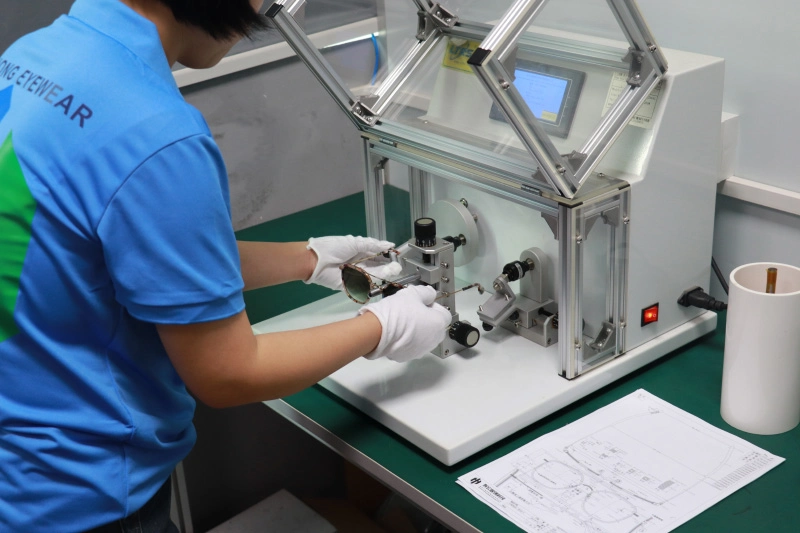
Introduction: The Shift From Glass to Resin Lens Technology
For decades, glass lenses were the standard for vision correction—valued for their hardness and optical stability. Today, however, optical resin lenses command over 70% of the global eyewear market, having become the default choice for independent brands, designer labels, premium retailers, and consumers alike. This seismic shift is not a passing trend; it is driven by three measurable, user-centric advantages that resin material delivers: exceptional lightness, superior light transmission, and outstanding impact resistance.
In this guide, we break down the technical and practical benefits behind resin lenses’ market dominance, and explain how forward-thinking eyewear manufacturers are leveraging this material to build higher-quality, safer, and more comfortable products.
1. Unmatched Lightweight Comfort for All-Day Wear
The most immediately noticeable benefit of resin lenses is their dramatically reduced weight—a quality that directly translates to better wearer comfort and long-term user satisfaction.
The Numbers Behind the Lightness
Optical resin has a density ranging from 0.83 to 1.5 g/cm³, while traditional optical glass weighs in at 2.27 to 5.95 g/cm³. In practical terms, a standard resin lens weighs roughly 50–60% less than an equivalent glass lens of the same power and size. For wearers with moderate to high prescriptions, this weight difference is even more pronounced.
Real-World Comfort Benefits
Reduced facial pressure: Lighter lenses eliminate the common complaints of nose bridge indentations, ear soreness, and headaches caused by heavy eyewear worn for 8+ hours daily.
Ideal for long-wear scenarios: Professionals, students, and seniors who wear glasses from morning to night experience far less fatigue with resin lenses.
Better frame compatibility: Lighter lenses place less stress on frame hinges and structures, extending the lifespan of acetate, titanium, and metal frame designs.
Suitable for children and active users: Young wearers are far more likely to keep their glasses on consistently when they do not feel heavy or restrictive.
This comfort factor alone has made resin lenses the preferred choice for everyday prescription eyewear, driving mass adoption across consumer segments.
2. Superior Optical Clarity & Light Transmission Performance
Contrary to common misconceptions, high-quality resin lenses deliver optical performance that meets or exceeds standard glass lenses—especially when paired with modern coating technologies.
Light Transmission Metrics
Standard uncoated resin lenses offer a visible light transmittance of 84–90%, on par with basic optical glass. With advanced multi-layer anti-reflective (AR) coatings, premium resin lenses can achieve light transmission rates of 92% or higher, with top-tier products exceeding 95%. This means more natural light reaches the eye, resulting in brighter, sharper vision with less glare.
Beyond Basic Clarity: Functional Versatility
Resin material’s chemical structure allows it to be engineered with additional optical benefits that are difficult or expensive to achieve with glass:
UV protection: Quality resin lenses inherently absorb nearly 100% of UVA and UVB rays, protecting ocular health without additional tinting.
Blue light filtering: Resin can be infused or coated with blue-light-blocking properties, making it ideal for digital device users.
Consistent color rendering: With proper formulation, resin lenses maintain natural color perception, avoiding the tint or distortion found in lower-quality materials.
Aspheric design compatibility: Resin is easily molded into aspheric profiles, which reduce edge distortion and create thinner, more aesthetically pleasing lenses for high prescriptions.
For brands and retailers, this versatility means resin lenses can be customized to match every use case—from office eyewear to sunwear to safety glasses—without compromising visual quality.
3. Exceptional Impact Resistance for Daily Safety
Safety is the most critical functional advantage of resin lenses, and the primary reason they have replaced glass in most consumer and professional eyewear applications.
Measurable Impact Strength
Standard optical resin has an impact resistance of 8–10 kg/cm²—several times stronger than ordinary glass, and in many formulations up to 10 times more shatter-resistant. In standardized drop-ball impact tests, quality resin lenses reliably withstand the force of a 16-gram steel ball dropped from 1.27 meters, a benchmark set by global safety standards.
Why Safety Matters for Every Wearer
The safety benefit extends far beyond sports and industrial use cases:
Daily drop and bump protection: Accidental drops, knocks, and impacts are the leading cause of lens damage. Resin lenses rarely shatter, reducing replacement costs for consumers.
No sharp fragmentation: If a resin lens does break, it tends to crack rather than shatter into sharp shards, drastically reducing the risk of eye and facial injury.
Suitable for active lifestyles: For children, athletes, and workers in dynamic environments, resin lenses provide reliable eye protection without sacrificing visual clarity.
Regulatory compliance: Many markets now recommend or require shatter-resistant lenses for children’s eyewear and safety glasses, making resin the logical compliant choice.
This safety profile has not only won over consumers but has also become a standard requirement for eyewear brands committed to product liability and user well-being.
Beyond the Big Three: Additional Advantages of Resin Lenses
While lightweight design, optical clarity, and impact resistance are the three pillars of resin’s market dominance, the material offers secondary benefits that further solidify its position:
Design flexibility: Resin can be easily tinted, mirrored, photochromic, or shaped into complex curves, enabling creative frame and lens designs.
Cost-efficient manufacturing: Injection-molding and precision casting processes allow for consistent, scalable production—from small custom batches to large volume runs.
High-index options: Modern high-index resin materials (1.67, 1.74) produce ultra-thin lenses for strong prescriptions, combining aesthetics with comfort.
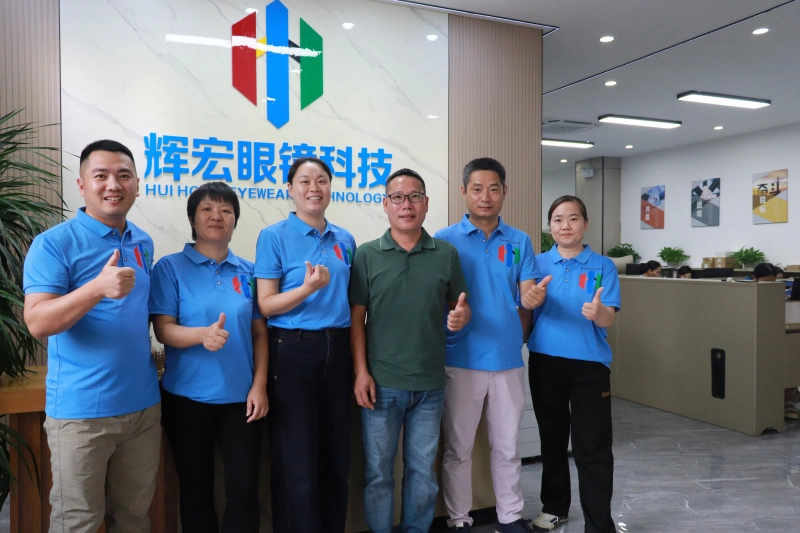
About Shenzhen Huihong Eyewear Technology Co., Ltd.
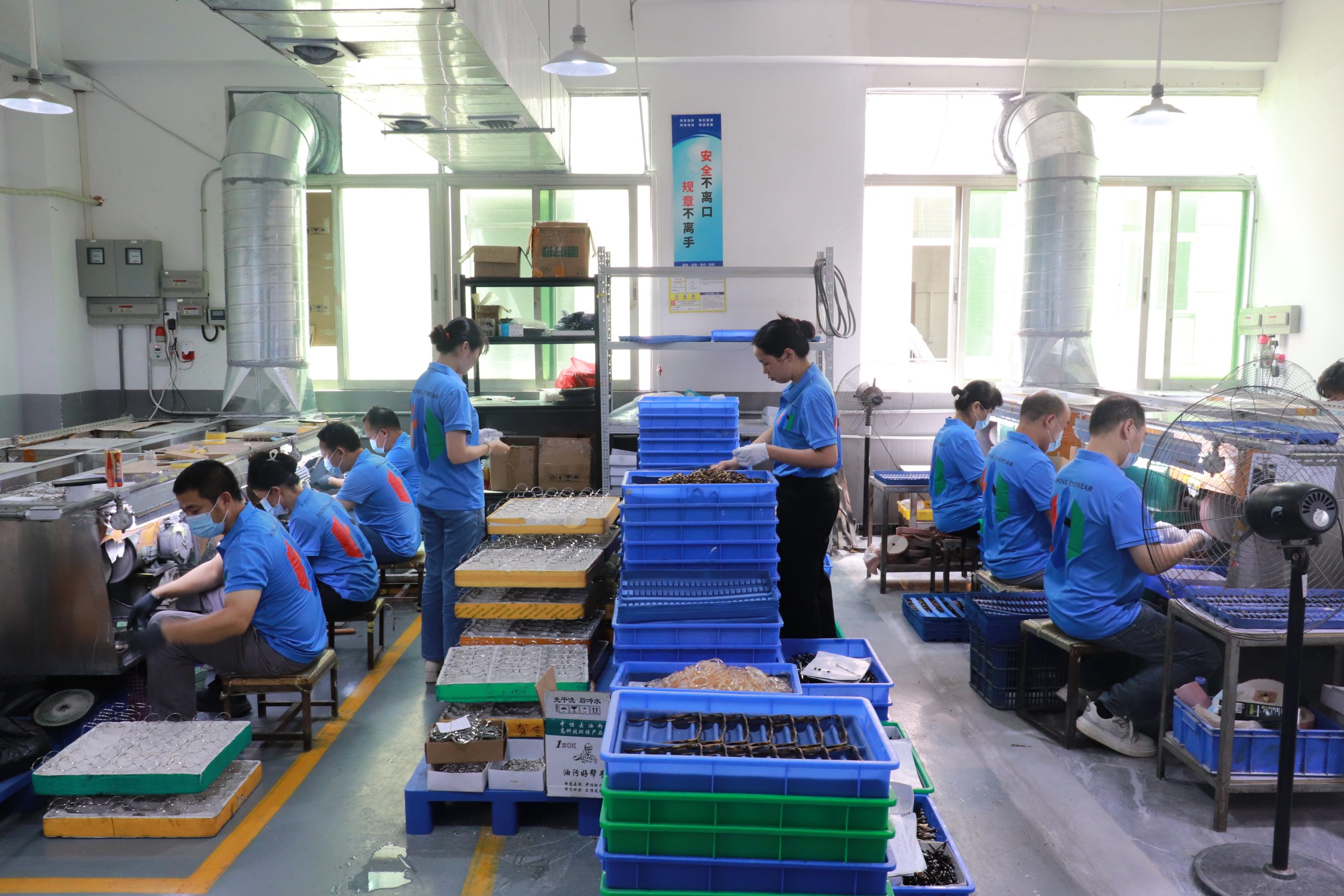
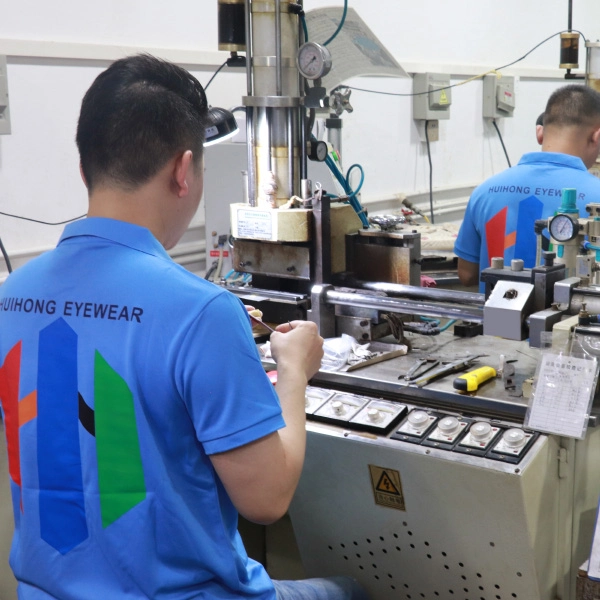
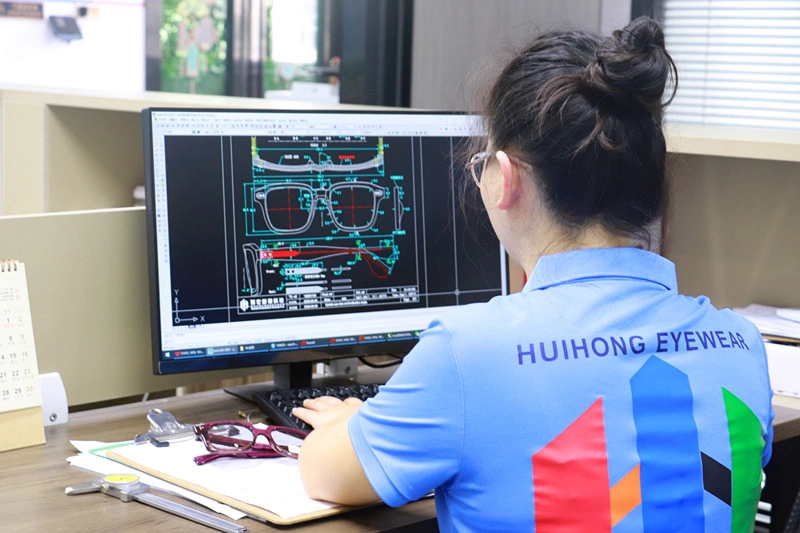
At Shenzhen Huihong Eyewear Technology Co., Ltd., we specialize in the design, development, and OEM/ODM production of high-end eyewear. Since our founding, we have partnered with independent brands, designer labels, and premium retailers worldwide—bringing unique eyewear visions to life through exceptional craftsmanship and reliable service.
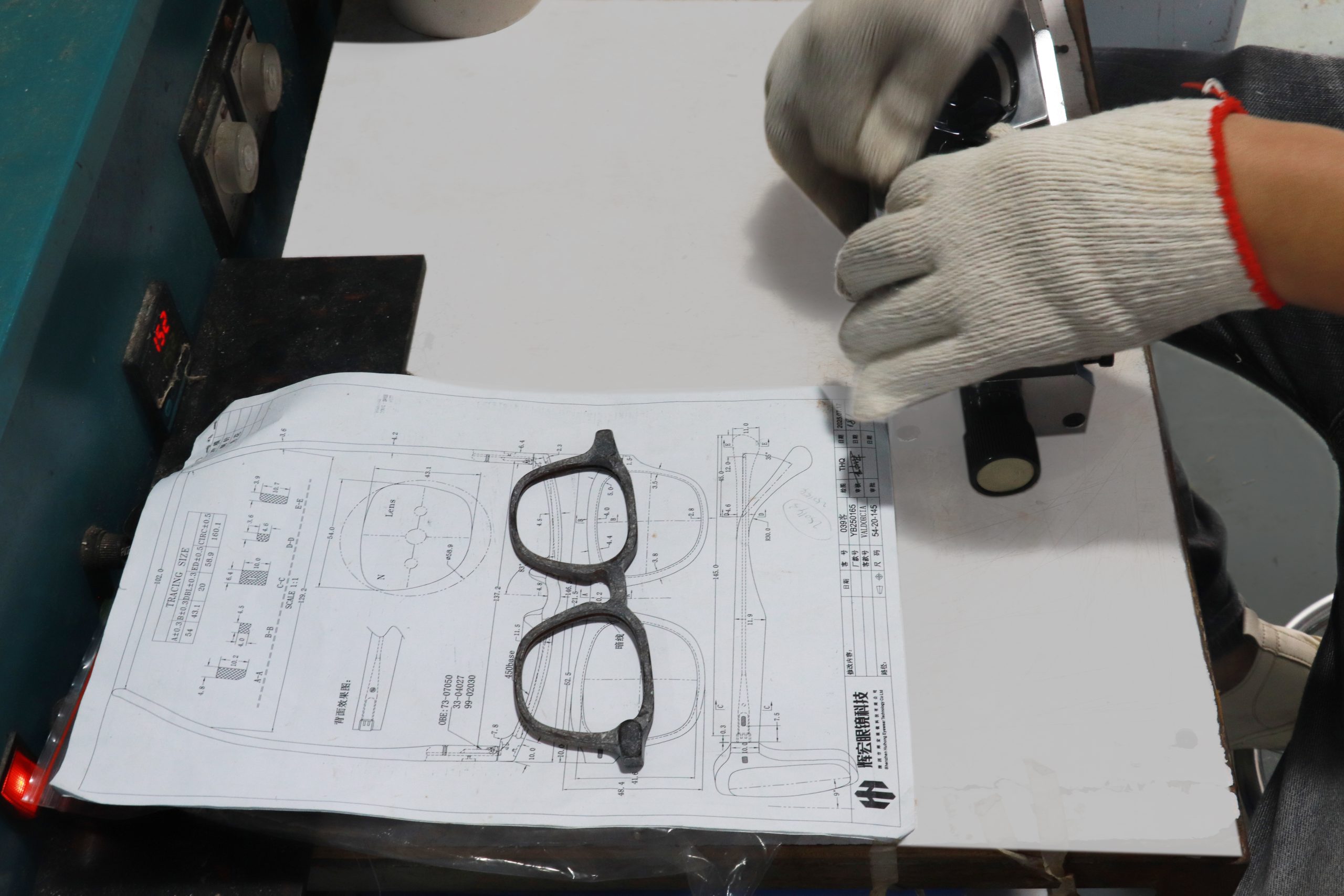
We work extensively with premium resin lens solutions to complement our acetate, titanium, and metal frame collections. Our strong capability in low-volume, high-quality custom production means we can match every frame design with the optimal resin lens specification—from standard clear prescriptions to functional coated lenses. From concept prototyping to bulk delivery, we support brands through every step of the journey with flexibility, speed, and precision.
Our clients span Japan, Korea, Europe, and North America, many of whom return to us not just for quality, but for trust and shared value. If you are looking for an eyewear manufacturing partner that understands material science and delivers consistent, market-ready products, we welcome the opportunity to collaborate.
Conclusion: Resin Lenses Remain the Future of Eyewear
Resin lenses did not become the global market standard by accident. Their combination of lightweight comfort, excellent optical performance, and life-enhancing safety addresses the three most important needs of eyewear users: comfort, clarity, and confidence. As material science continues to advance—with improvements in scratch resistance, high-index formulations, and sustainable bio-based resins—this material will only extend its lead in the years ahead.
For eyewear brands and retailers, offering quality resin lenses is no longer a differentiator—it is the baseline expectation of informed consumers. Partnering with a manufacturer that understands how to optimize frame and lens integration is the key to standing out in a competitive market.