In today’s rapidly evolving global eyewear market, finding a reliable manufacturer of eyeglass frames and sunglasses is more critical than ever for brands looking to establish a competitive edge. With consumer expectations shifting toward higher quality, sustainable materials, and personalized designs, partnering with the right eyewear production partner can make or break your business success. This comprehensive guide will walk you through everything you need to know about eyewear manufacturing, from material selection to production processes, and provide actionable insights for choosing the ideal manufacturing partner for your brand.

Understanding the Core Materials in Eyeglass Frame Manufacturing
The foundation of any exceptional pair of glasses lies in the materials used. A professional manufacturer of eyeglass frames and sunglasses will offer a diverse range of high-quality materials, each with unique properties suited to different applications and target markets.
Acetate and Bio-Acetate
Acetate remains the most popular material for fashion eyeglass frames due to its versatility, rich color options, and premium feel. Traditional acetate is derived from wood pulp and cotton fibers, offering excellent durability and hypoallergenic properties. In 2026, bio-acetate has emerged as the leading sustainable alternative, containing approximately 65% bio-content and being biodegradable under industrial conditions within 115 days . Premium manufacturers use high-density acetate sheets with consistent thickness and no internal imperfections to ensure frame stability and longevity.
Metal Alloys
Metal frames continue to dominate the sleek, modern eyewear segment. The most commonly used metals include:
Stainless Steel: Affordable, durable, and corrosion-resistant, ideal for everyday wear
Titanium: Ultra-lightweight, hypoallergenic, and exceptionally strong, perfect for premium and sports eyewear
Beta-Titanium: Offers superior flexibility and memory properties, ensuring frames retain their shape even after bending
Aluminum: Lightweight and corrosion-resistant, popular for minimalist designs
Advanced Thermoplastics
TR-90 and other advanced thermoplastics have revolutionized the eyewear industry with their remarkable impact resistance and flexibility. These materials are particularly well-suited for children’s eyewear and sports sunglasses, where durability and safety are paramount. Modern manufacturing techniques allow for intricate designs and vibrant colors while maintaining the material’s structural integrity.
Sustainable Innovations
As environmental consciousness grows among consumers, leading manufacturers are investing heavily in sustainable materials. These include recycled ocean-bound plastics, repurposed metals, and plant-based composites. Market research from 2026 indicates that 52 percent of eyewear shoppers now cite “material sustainability” as a top purchasing consideration , making eco-friendly manufacturing capabilities a crucial differentiator for brands.
The Complete Eyeglass Frame and Sunglasses Manufacturing Process
A reputable manufacturer of eyeglass frames and sunglasses follows a rigorous, multi-step production process to ensure every pair meets the highest quality standards. While specific techniques may vary depending on the material and design, the core process remains consistent across the industry.
1. Design and Prototyping
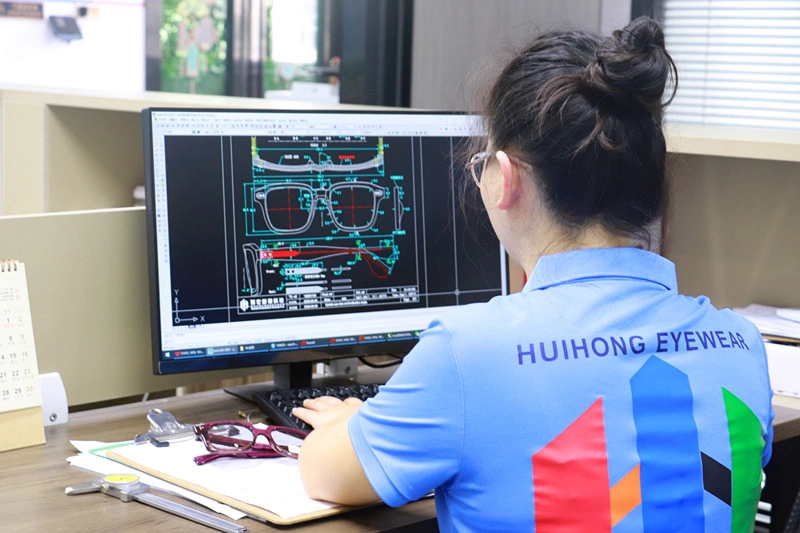
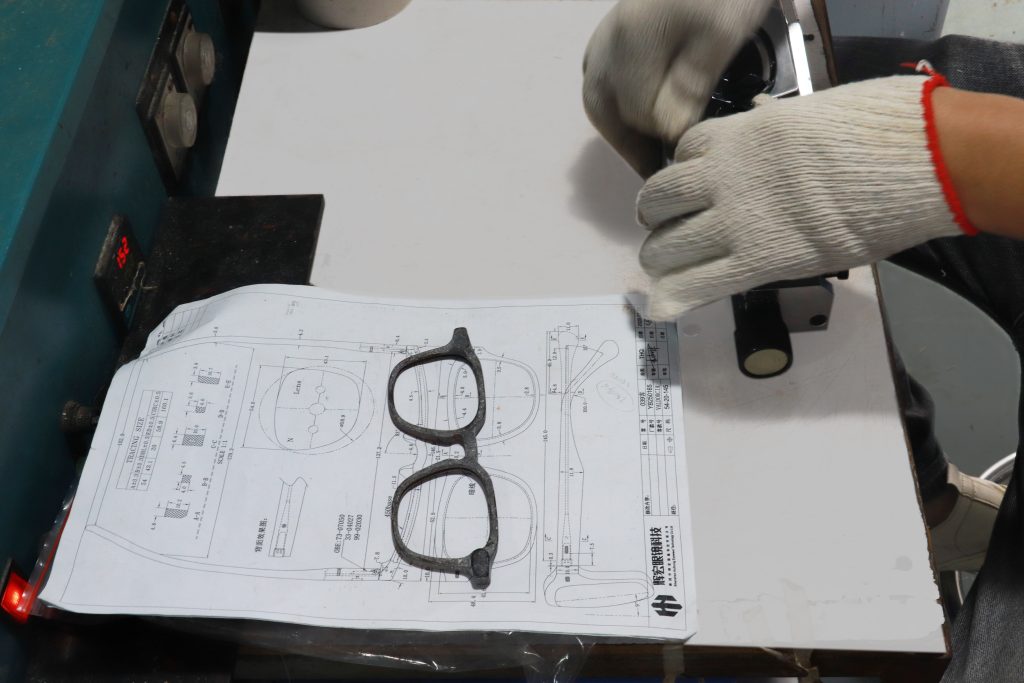
The manufacturing journey begins with concept development. Experienced designers create sketches and 3D CAD models based on fashion trends, ergonomic principles, and functional requirements. Advanced manufacturers use state-of-the-art 3D printing technology to produce rapid prototypes, allowing for quick iterations and precise fit testing before full-scale production begins. This stage typically takes 7-14 days and ensures that the final design meets both aesthetic and performance criteria.
2. Material Preparation
Once the design is finalized, raw materials are carefully inspected and prepared for production. For acetate frames, large sheets are cut into smaller blocks, while metal frames start with wire or sheet stock. Premium manufacturers implement strict quality control measures at this stage, rejecting any materials that do not meet their specifications for thickness, color consistency, or structural integrity.
3. Frame Fabrication
Acetate Frame Production
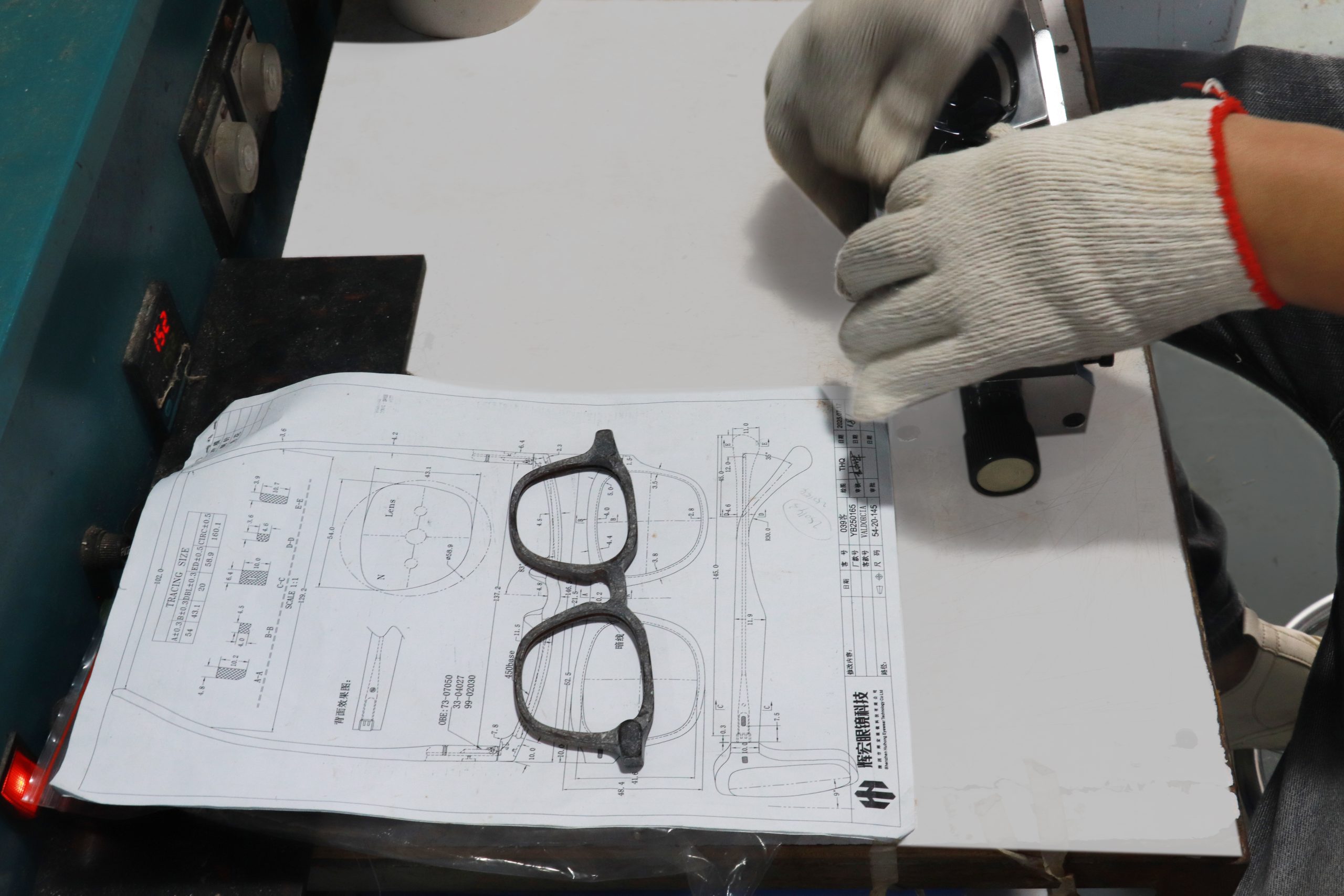
CNC Milling: Computer-controlled milling machines cut the frame front and temples from acetate blocks with pinpoint accuracy
Tumbling: Rough-cut frames are placed in rotating drums with abrasive materials to smooth edges and remove imperfections
Polishing: Frames undergo multiple stages of polishing, from coarse to fine, to achieve a high-gloss finish
Hand-Finishing: Skilled artisans manually buff and refine details for a premium look and feel
Metal Frame Production
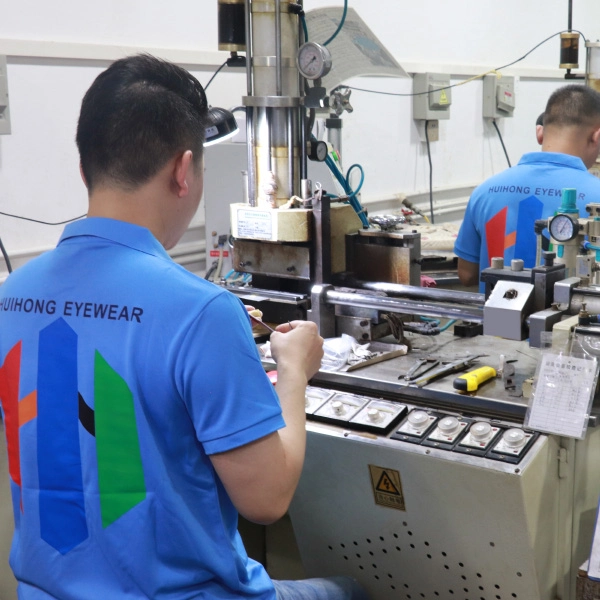
Wire Cutting and Bending: CNC machines precisely cut and bend metal wires into the desired frame shapes
Welding: Laser welding technology joins frame components with exceptional precision and strength
Surface Treatment: Frames receive plating, powder coating, or anodizing to enhance corrosion resistance and aesthetic appeal
Polishing: Metal frames are polished to achieve a smooth, reflective finish
4. Assembly and Quality Control
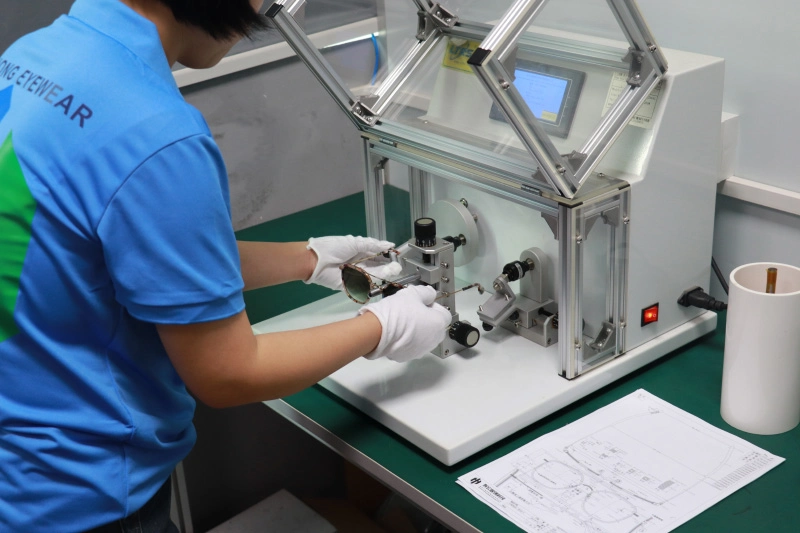
Once the frame components are ready, they move to the assembly line where hinges, nose pads, and other hardware are attached. Each frame undergoes rigorous quality control checks at multiple stages, including:
Dimensional accuracy verification
Hinge function testing
Surface finish inspection
Symmetry and alignment checks
Durability testing
A professional manufacturer of eyeglass frames and sunglasses will have dedicated quality control teams that inspect every frame before it leaves the factory, ensuring compliance with international standards such as CE and FDA regulations.
5. Lens Integration and Final Inspection
For complete sunglasses production, lenses are cut to size and inserted into the frames. Lenses undergo their own quality control process, including UV protection testing, optical clarity verification, and impact resistance testing. The final assembled product receives a comprehensive inspection to ensure perfect fit, function, and appearance.
How to Choose a Reliable Manufacturer of Eyeglass Frames and Sunglasses
Selecting the right manufacturing partner is one of the most important decisions you will make for your eyewear brand. With so many options available, it can be challenging to distinguish between genuine factories and trading companies. Here are the key factors to consider when evaluating potential partners:
1. Verify Factory Authenticity
Not all companies claiming to be manufacturers actually own production facilities. To ensure you are working directly with a factory:
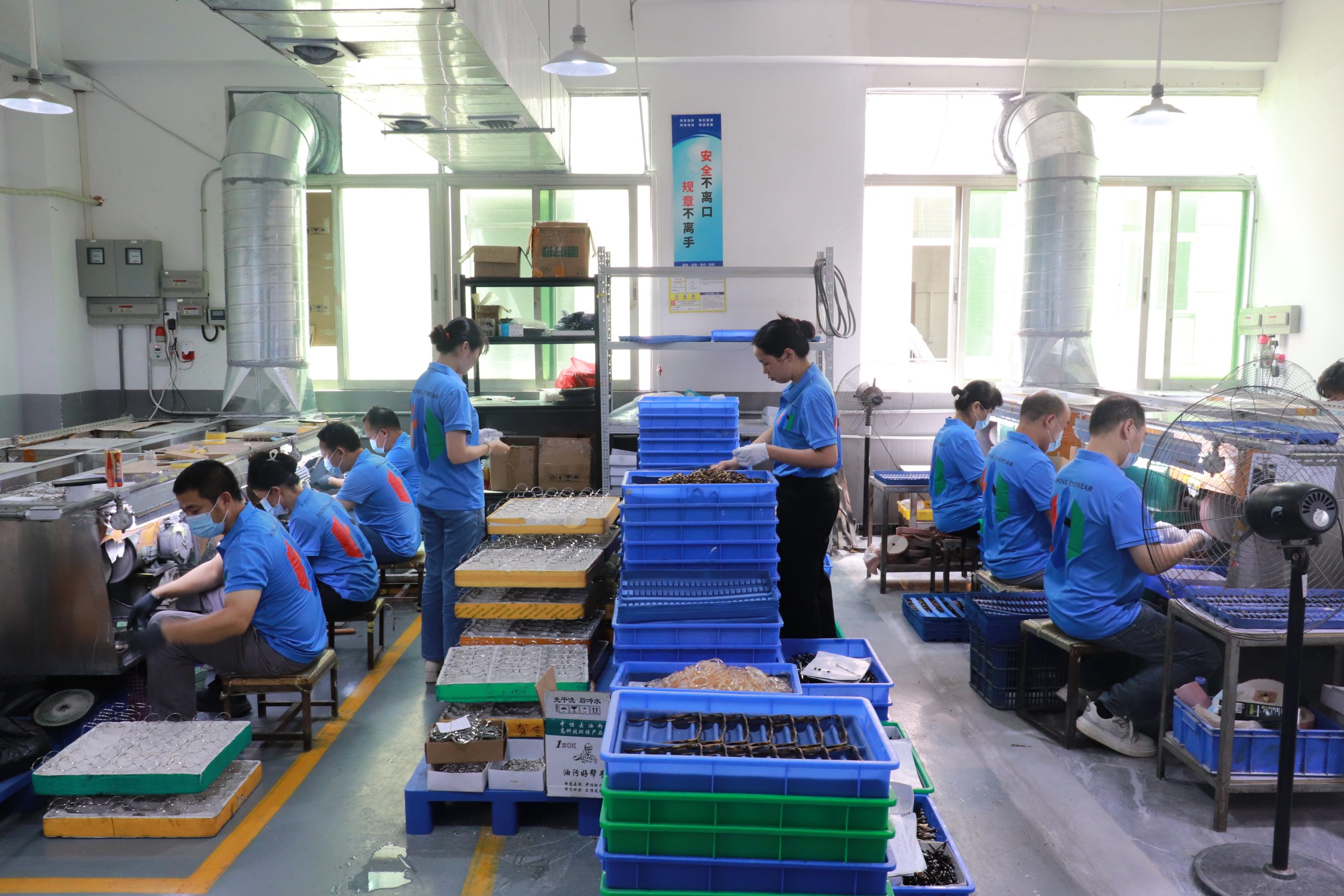
Request a video tour of their production facilities
Ask for real-time photos of current production runs
Verify their business license and export registration
Inquire about their production capacity and equipment
Working directly with a factory offers numerous advantages, including better pricing control, faster communication, shorter lead times, and greater consistency in product quality .
2. Evaluate Material Quality and Sourcing
The quality of raw materials directly impacts the final product. A reliable manufacturer will be transparent about their material sources and provide detailed information about the specifications of the materials they use. Look for manufacturers who:
Source materials from reputable suppliers
Offer a wide range of material options
Can provide material safety data sheets
Have strict incoming quality control procedures
3. Assess Customization Capabilities
In today’s competitive eyewear market, customization is essential for brand differentiation. The best manufacturers of eyeglass frames and sunglasses offer comprehensive OEM and ODM services, including:
Custom frame designs and shapes
Exclusive color combinations and patterns
Branding integration (engraved logos, custom temple designs)
Proprietary mold development
Custom packaging solutions
4. Check Compliance and Certifications
International compliance is non-negotiable for eyewear products sold in global markets. Ensure your chosen manufacturer holds all necessary certifications, including:
ISO 9001 Quality Management System
CE certification for the European market
FDA registration for the United States market
BSCI certification for ethical manufacturing practices
These certifications demonstrate that the manufacturer adheres to international standards for quality, safety, and social responsibility .
5. Consider Production Capacity and Scalability
Your manufacturing partner should be able to scale production to meet your growing business needs. When evaluating capacity, consider:
Minimum order quantities (MOQs)
Maximum production capacity per month
Lead times for sample development and bulk production
Ability to handle rush orders
Supply chain resilience and contingency planning
6. Evaluate Quality Control Processes
A rigorous quality control system is essential for ensuring consistent product quality. Ask potential manufacturers about:
Their quality control procedures at each production stage
The equipment they use for testing
Their defect rate
Their warranty and return policy
How they handle quality issues
7. Assess Communication and Customer Service
Effective communication is crucial for a successful manufacturing partnership. Look for manufacturers who:
Provide prompt and clear responses to inquiries
Have English-speaking staff
Assign dedicated account managers
Keep you updated on production progress
Are proactive in addressing potential issues

2026 Innovations Shaping the Eyewear Manufacturing Industry
The eyewear manufacturing industry is undergoing rapid transformation driven by technological advancements and changing consumer preferences. Here are the key innovations that are shaping the industry in 2026:
3D Printing Technology
3D printing has revolutionized eyewear manufacturing, enabling unprecedented levels of customization and design freedom. Selective Laser Sintering (SLS) technology allows manufacturers to produce complex, lightweight frames with minimal material waste . In 2026, 3D printing is being used for both rapid prototyping and small-batch production, reducing lead times and enabling brands to offer truly personalized eyewear.
Sustainable Manufacturing Practices
Sustainability has become a core focus for the eyewear industry. Leading manufacturers are implementing circular economy models, including:
Using recycled and bio-based materials
Reducing waste in production processes
Implementing take-back programs for old frames
Investing in renewable energy sources
These practices not only benefit the environment but also resonate with eco-conscious consumers, giving brands a competitive advantage.
Digitalization and Automation
Advanced automation and digitalization are improving production efficiency and quality consistency. Computer-controlled machines ensure precise manufacturing, while digital quality control systems detect defects with greater accuracy than human inspection. Artificial intelligence is also being used to predict production issues and optimize supply chain management.
Smart Eyewear Integration
As smart technology becomes more mainstream, manufacturers are developing capabilities to integrate digital features into traditional eyewear designs. This includes incorporating sensors, microphones, and speakers into frames while maintaining a stylish, wearable appearance. The focus has shifted from flashy innovation to meaningful integration, with features such as AI assistance, translation, and health monitoring becoming increasingly popular .
Customization and Personalization
Consumer demand for personalized products continues to grow. Modern manufacturing techniques allow brands to offer customized eyewear at scale, including:
Frame shapes tailored to individual facial measurements
Custom color combinations and patterns
Engraved personalization
Prescription lenses integrated with fashion frames
According to market research, the global custom eyewear market is expected to grow at a CAGR of 18.5% through 2031, driven by advancements in 3D scanning and manufacturing technology .
Conclusion
Choosing the right manufacturer of eyeglass frames and sunglasses is a critical decision that will impact every aspect of your eyewear business. By understanding the manufacturing process, evaluating material quality, assessing customization capabilities, and verifying compliance standards, you can find a reliable partner who will help you bring your vision to life.
As the eyewear industry continues to evolve, partnering with a forward-thinking manufacturer who embraces innovation and sustainability will position your brand for long-term success. Whether you are launching a new eyewear line or expanding your existing collection, investing time in finding the right manufacturing partner will pay dividends in product quality, customer satisfaction, and business growth.
Remember, the best manufacturing partners are not just suppliers—they are strategic collaborators who are invested in your success. By building a strong, long-term relationship with a reputable manufacturer, you can create exceptional eyewear products that stand out in the competitive global market.