Launching or scaling a sunglasses brand hinges on one critical decision: choosing the right manufacturing partner. A capable sunglasses manufacturer does more than produce frames—it transforms your design vision into market-ready products that uphold quality, compliance, and brand reputation. Whether you are exploring OEM production, custom ODM development, or private label solutions, understanding the manufacturing landscape will help you avoid costly missteps and build a lasting supply chain advantage.
OEM vs. ODM Sunglasses Manufacturing: Which Model Fits Your Brand?
Before reaching out to any eyewear manufacturer, clarify which collaboration model aligns with your business goals. The distinction directly impacts cost, lead time, design ownership, and minimum order quantities.
OEM (Original Equipment Manufacturing) means you provide complete design specifications—including technical drawings, material specs, and branding details—and the factory produces the sunglasses according to your exact requirements. This model is ideal for established brands with finalized designs, as it gives you full intellectual property control and product uniqueness. A seasoned OEM sunglasses manufacturer will handle tooling, material sourcing, sample making, and mass production while following your quality benchmarks.
ODM (Original Design Manufacturing) is a more collaborative approach. The manufacturer provides pre-developed design concepts, frame molds, and material options, and you select and customize them with your logo, colorways, or minor structural adjustments. This route accelerates time-to-market, reduces development costs, and works exceptionally well for new brands or seasonal collections that do not require fully bespoke engineering. Many premium suppliers offer both OEM and ODM sunglasses services under one roof, giving brands flexibility as they grow.
6 Non-Negotiable Factors When Evaluating a Sunglasses Manufacturer
Not all factories are created equal. A high-end sunglasses manufacturer distinguishes itself through design capability, material science, craftsmanship rigor, and transparent communication. Below are the core criteria you should assess during your selection process.
1. In-House Design and Product Development Capability
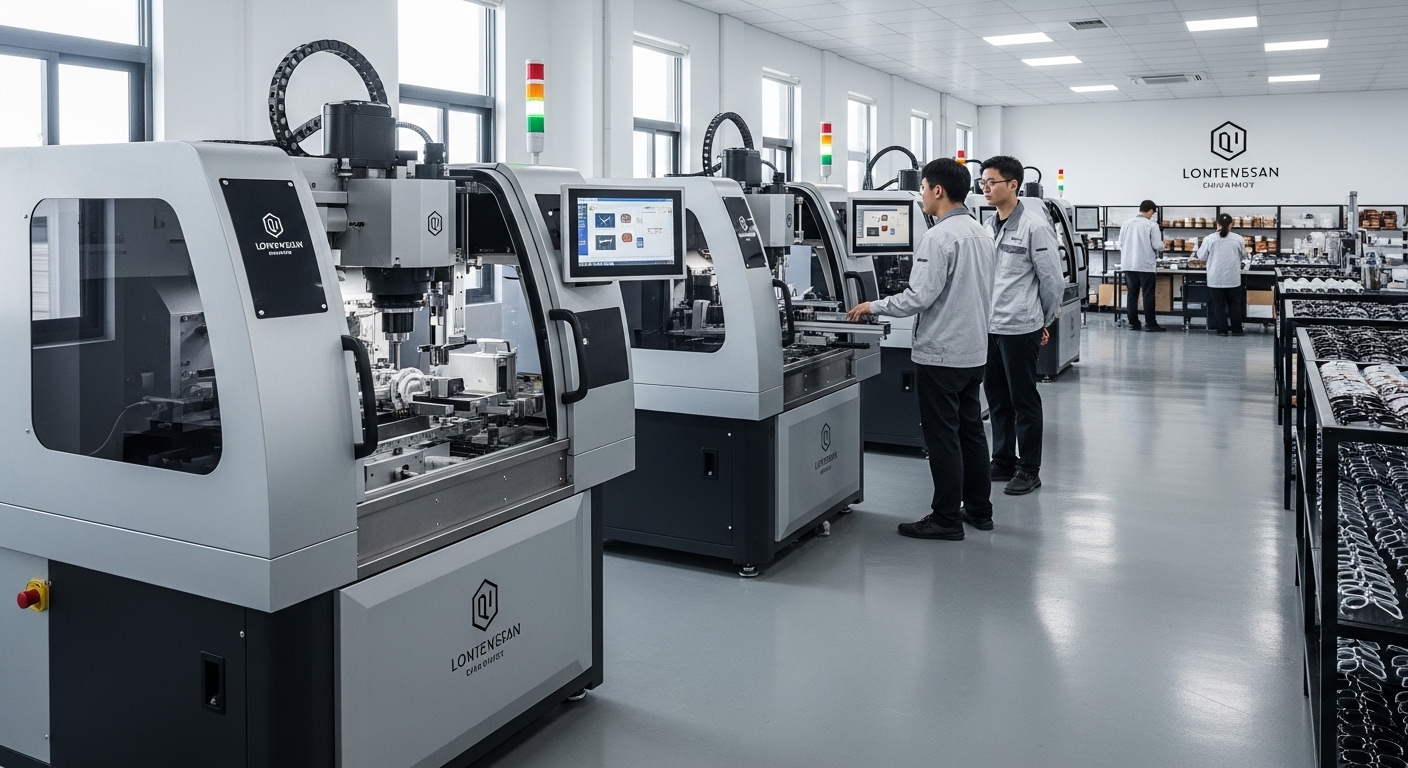
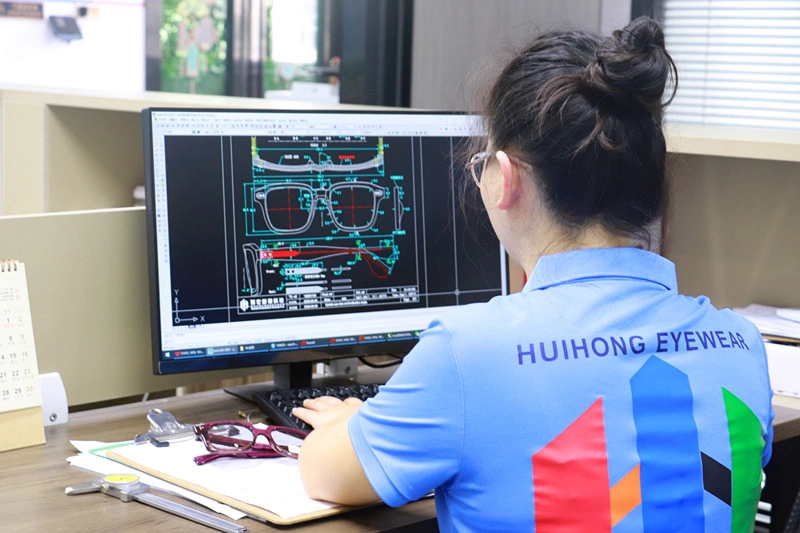
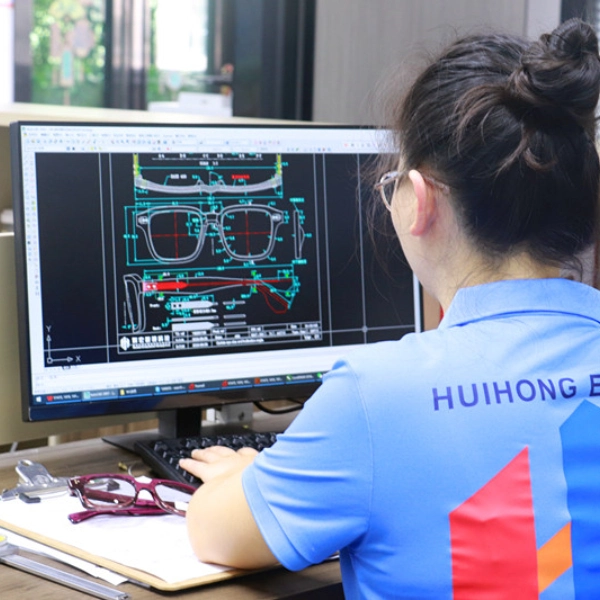
A factory that only executes drawings without engineering input will limit your product potential. Look for a partner with an in-house R&D team that can translate conceptual sketches into production-ready files, recommend material substitutions, solve structural challenges, and prototype rapidly. Advanced manufacturers use 3D modeling, CNC prototyping, and rapid sample iteration to shorten development cycles. Strong development support is especially valuable if you are building a sunglasses brand from scratch and need guidance on what is technically feasible and cost-effective.
2. Premium Material Selection and Sourcing Expertise
The raw materials define the feel, durability, and perceived value of your eyewear. A reputable custom sunglasses manufacturer should offer deep expertise across core frame materials:
Acetate: The gold standard for luxury frames. Premium cellulose acetate delivers rich color depth, excellent polishability, and hypoallergenic properties. Higher-quality acetate sheets come from renowned suppliers and feature consistent pigmentation without streaks or bubbles.
Titanium & Beta-Titanium: Ultra-lightweight, corrosion-resistant, and exceptionally strong. Titanium frames command a premium price point and suit performance, marine, and high-end lifestyle collections.
Stainless Steel & Monel: Widely used in metal frame construction. Quality manufacturers use medical-grade or high-purity alloys with proper plating layers to meet nickel-release regulations.
Sustainable materials: Bio-acetate, recycled plastics, and plant-based composites are fast-growing categories. Verify that eco-friendly claims are backed by certified material sources.
For lenses, confirm that the factory works with polarized, CR-39, nylon, and polycarbonate options, and can apply anti-reflective, hydrophobic, and mirror coatings to your specifications. UV400 protection should be standard and verifiable through spectrometer testing.
3. Precision Manufacturing Process and Craftsmanship
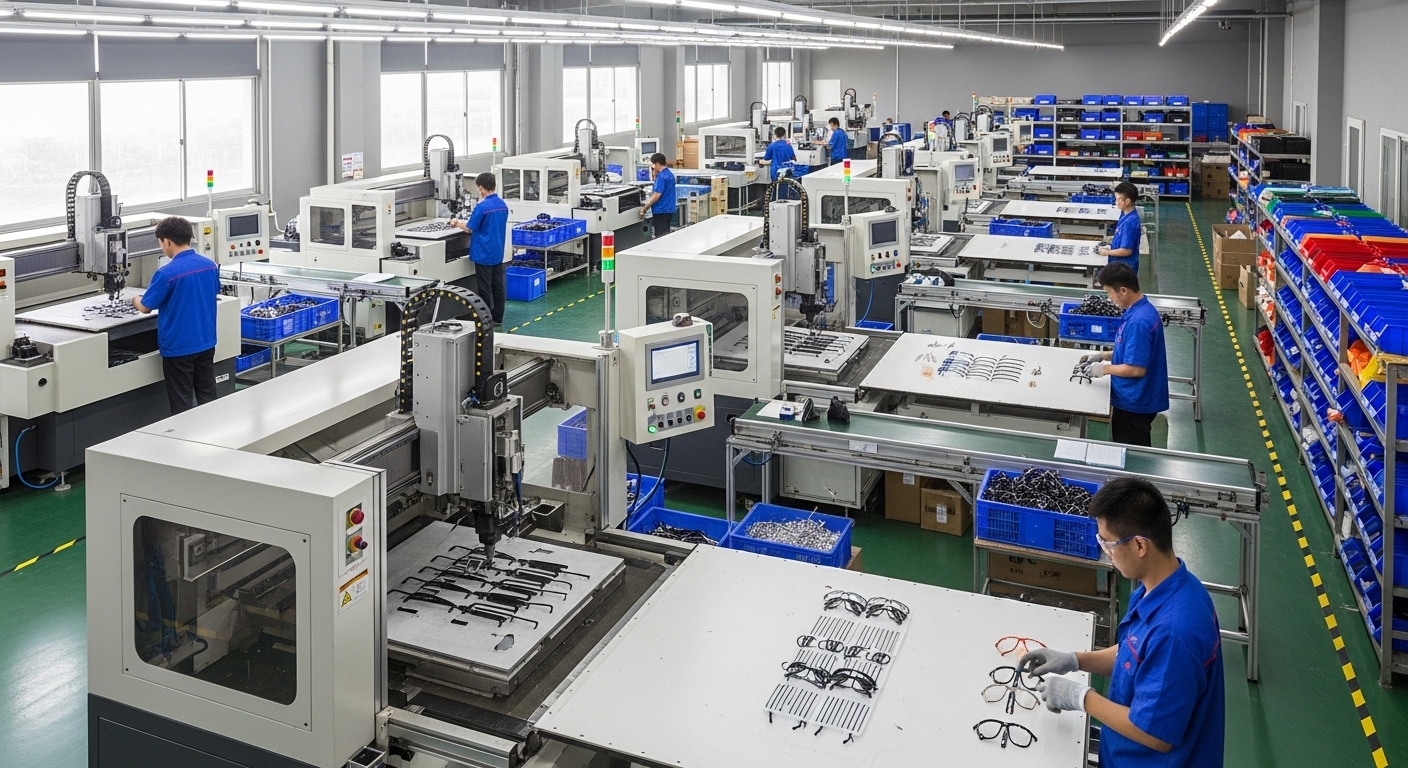
High-end sunglasses production is part automation, part handcraft. Walk through the production workflow with any potential partner to understand their process maturity:
Frame forming: Acetate frames go through cutting, milling, tumbling, and multi-stage polishing. Metal frames involve stamping, welding, plating, and assembly.
Hinge installation: Five-barrel stainless steel hinges with reinforced core wires are a mark of quality. The hinge insertion must be precise to prevent loosening over time.
Lens cutting and fitting: Lenses should be edged to match frame groove geometry exactly. For acetate frames, controlled heating during lens insertion prevents stress cracking.
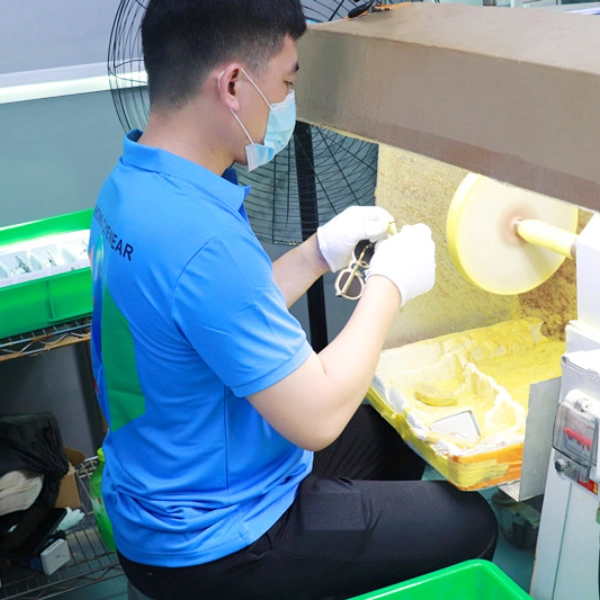
Finishing and polishing: Hand polishing is what separates premium acetate frames from mass-produced injection-molded ones. Multiple polishing stages produce a deep, glass-like luster.
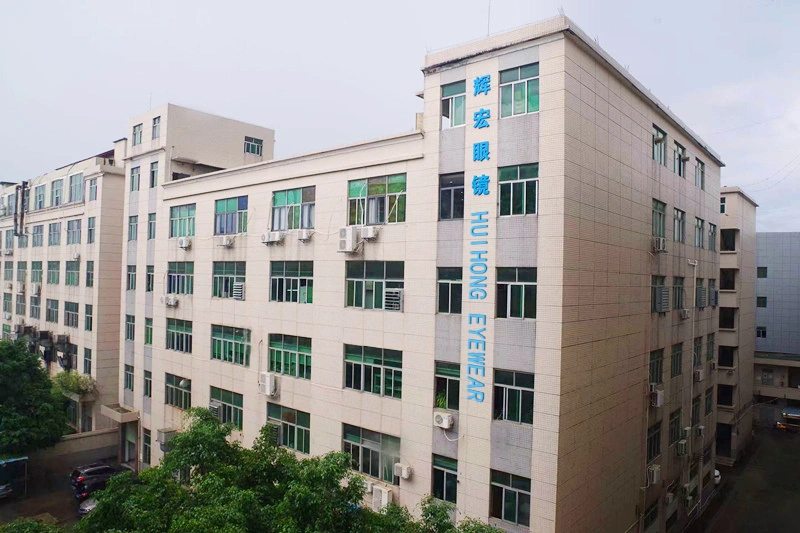
A transparent sunglasses factory will welcome factory audits, share production photos, and explain each step openly.
4. Systematic Quality Control at Every Stage
Quality cannot be inspected only at the end of production—it must be built into each process stage. A professional eyewear manufacturer implements multiple QC checkpoints:
Incoming material inspection: Verification of sheet thickness, color consistency, lens UV performance, and hardware specifications before production begins.
In-process QC: Dimensional checks after cutting, plating adhesion tests, hinge tension verification, and symmetry alignment during assembly.
Final finished goods inspection: A comprehensive point-by-point check covering lens centering, temple alignment, surface finish, logo application, and packaging integrity.
Reliability testing: Salt spray corrosion testing, impact resistance, sweat resistance, and simulated wear-cycle testing for hinges.
Ask about defect rates, inspection sampling standards, and corrective action procedures when defects are found. Factories with mature QC systems maintain records and can share quality reports with clients.
5. MOQ Flexibility and Reliable Lead Times
Minimum order quantity and production timeline are practical realities that shape your inventory planning. A premium sunglasses manufacturer typically sets MOQs based on whether new tooling is required. Fully custom OEM projects with new molds naturally carry higher MOQs than ODM selections from existing frame libraries.
Lead times vary by project complexity. Sample development usually takes 2 to 4 weeks. Mass production for acetate collections commonly ranges from 45 to 75 days, while metal frames may require longer due to plating cycles. A reliable supplier provides clear timelines, updates you on production milestones, and communicates delays early rather than letting them surprise you at the delivery stage.
6. International Compliance and Certification Support
Products destined for global markets must meet regional regulatory standards. Your manufacturing partner should understand and support compliance with major market requirements:
CE marking for the European Union
FDA compliance for the United States
REACH regulations regarding chemical restrictions and nickel release
ANSI Z80.3 and ISO 12312 standards for sunglasses performance
Prop 65 for California market entry
Experienced manufacturers handle required testing coordination, provide technical documentation, and advise on labeling and packaging requirements for different destinations. This support drastically reduces your administrative workload and compliance risk.
The High-End Sunglasses Production Workflow, Step by Step
Understanding the production journey helps you set realistic expectations and ask the right questions. Below is a typical end-to-end process with a full-service sunglasses manufacturer.
Step 1 – Design Brief and Consultation
You share your brand direction, target audience, reference styles, material preferences, and volume expectations. The manufacturer’s design team reviews feasibility, suggests technical improvements, and provides initial cost estimates.
Step 2 – 3D Rendering and Technical Specification
Industrial designers create detailed 3D models and engineering drawings, specifying every dimension, material, color code, and hardware component. You review and approve before physical prototyping begins.
Step 3 – Prototype and Sample Approval
The factory produces one or more prototype pairs for your evaluation. You test fit, finish, color, lens performance, and branding details. Revisions are made until the sample fully matches your vision. This stage is critical—locking the sample before mass production prevents costly rework later.
Step 4 – Tooling and Material Preparation
Once the sample is approved, production molds and jigs are fabricated. Raw materials are sourced, inspected, and prepared for the production run.
Step 5 – Mass Production with In-Line QC
Production proceeds through frame fabrication, surface treatment, component assembly, lens installation, and final finishing. QC checkpoints run throughout to catch issues early.
Step 6 – Final Inspection, Packaging, and Shipment
Finished units undergo final quality review, are carefully packed with protective materials, and prepared for shipping. The manufacturer coordinates logistics or hands goods over to your nominated freight forwarder according to agreed Incoterms.
Costly Mistakes to Avoid When Sourcing Sunglasses
Many brands, especially newer ones, fall into predictable traps when selecting a manufacturing partner. Awareness of these pitfalls will save you time, money, and brand damage.
Choosing based on price alone. The lowest quote almost always cuts corners on materials, plating thickness, QC, or labor skill. What appears cheaper per unit often results in higher defect rates, delayed shipments, and customer returns that erase any initial savings.
Skipping the sample stage. Never approve mass production from photos alone. Always evaluate physical samples for weight, balance, finish quality, hinge feel, and lens clarity. What looks good in a render may reveal flaws in hand.
Ignoring communication quality. Language barriers, slow response times, and evasive answers during the sales stage predict worse support once production begins. Your sunglasses manufacturer should be responsive, transparent, and proactive in sharing updates.
Overlooking after-sales support. A responsible partner stands behind its work. Clarify policies for defective units, reorders, and spare parts before you commit. Factories that vanish after shipment create enormous operational headaches.
Failing to protect intellectual property. For custom OEM projects, confirm that the factory will not reuse your molds for other clients and will respect design confidentiality. Written agreements protect both parties.
Final Thoughts: Build a Long-Term Manufacturing Partnership
A great sunglasses manufacturer is more than a supplier—it is a strategic partner that grows with your brand. The best partnerships combine technical excellence, creative collaboration, consistent quality, and open communication. By evaluating design capability, material expertise, craftsmanship rigor, QC systems, and compliance knowledge upfront, you can select a partner that delivers premium eyewear your customers will trust and wear for years.
Whether you are ready to launch your first collection or seeking to elevate an existing line with higher-quality production, investing time in selecting the right manufacturing partner will remain one of the highest-return decisions you make for your eyewear brand.