Developing a successful luxury eyewear collection is a complex, multi-stage process that requires a perfect blend of creativity, engineering expertise, and manufacturing precision. For new entrants to the market, and even for established brands, mismanaging any stage of this process can lead to project delays, cost overruns, and products that fail to meet expectations. A clear understanding of the complete development lifecycle is essential for bringing your vision to market efficiently and profitably.
The process begins with market research and strategy development. Before putting pen to paper, it’s critical to understand your target audience, their needs and preferences, and the competitive landscape. This involves analyzing market trends, studying consumer behavior, and identifying gaps in the market that your brand can fill. For example, if your target audience is young professionals who value both style and comfort, you might focus on developing lightweight titanium frames with minimalist designs. This research phase should also include defining your brand positioning, price point, and distribution strategy, as these will influence all subsequent design and development decisions.
Once you have a clear strategy in place, the next stage is concept development. This is where your creative team translates your brand vision into initial design concepts. Designers will create sketches and mood boards that explore different shapes, materials, colors, and details. At this stage, it’s important to generate a wide range of ideas, as many concepts will be refined or discarded as the process progresses. The best concepts are those that balance aesthetic appeal with brand identity and practical considerations.
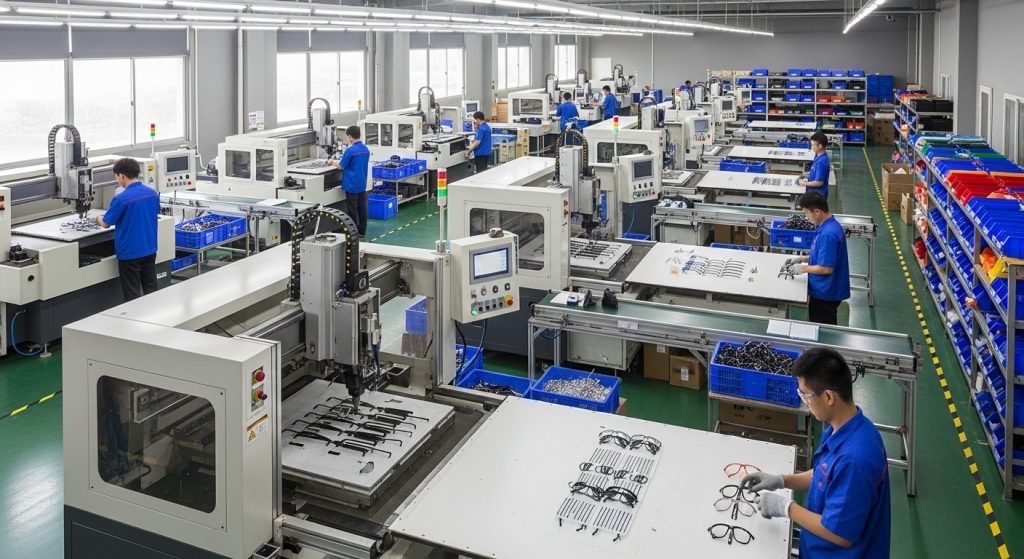
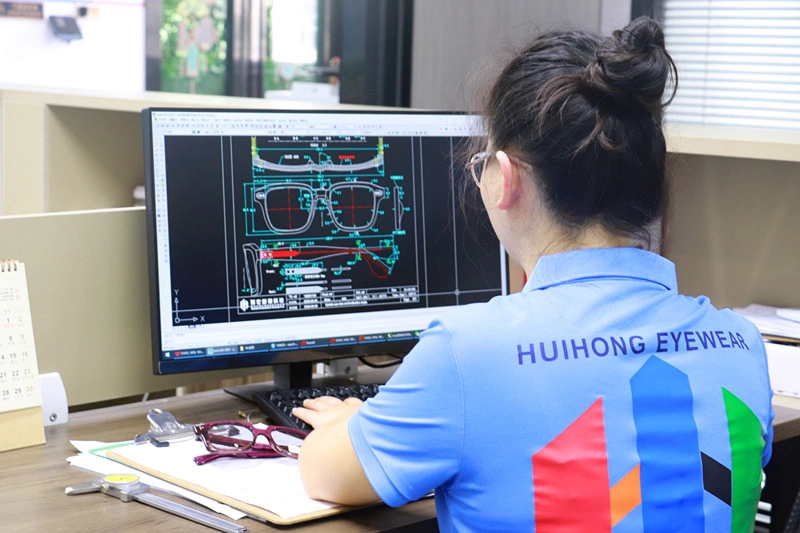
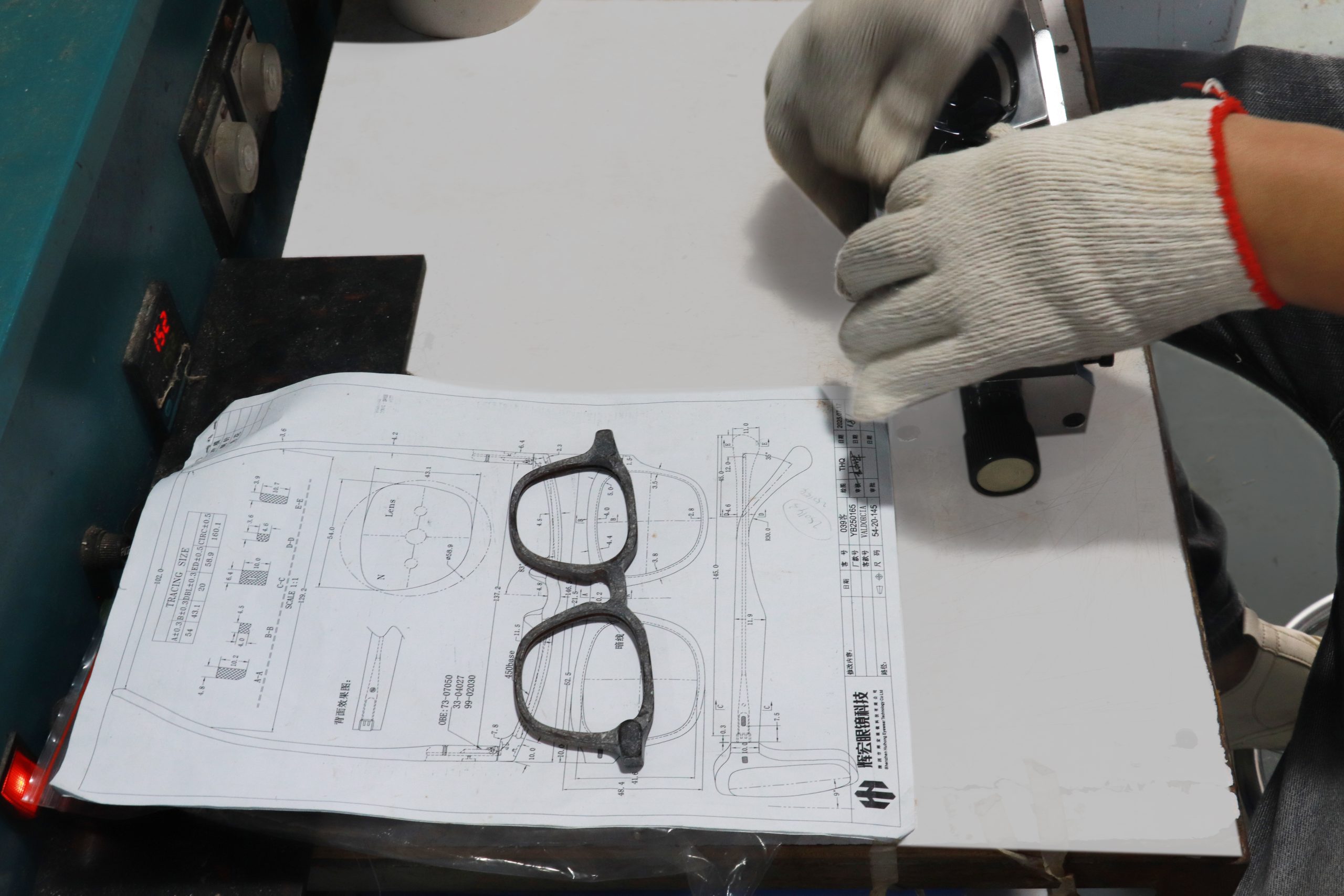
After selecting the most promising concepts, the process moves to detailed design and engineering. This is where the collaboration between designers and engineers becomes critical. Designers will create detailed 2D drawings and 3D models of the frames, specifying every dimension, material, and finish. Engineers will then review these designs for manufacturability, structural integrity, and ergonomics. They will make recommendations for modifications that improve production efficiency, enhance durability, and ensure a comfortable fit. For example, an engineer might suggest adjusting the angle of the nose pads to distribute weight more evenly across the nose, or modifying the temple design to prevent slipping.
Once the design is finalized, the next stage is prototyping. This is one of the most important steps in the development process, as it allows you to see and feel the actual product before committing to mass production. Advanced luxury eyewear manufacturers use a combination of 3D printing and CNC machining to create high-quality prototypes quickly. 3D printing is ideal for creating initial concept models that allow you to evaluate the overall shape and proportions of the frame. CNC machining, on the other hand, produces functional prototypes made from the actual materials that will be used in production, allowing you to test fit, comfort, and durability.
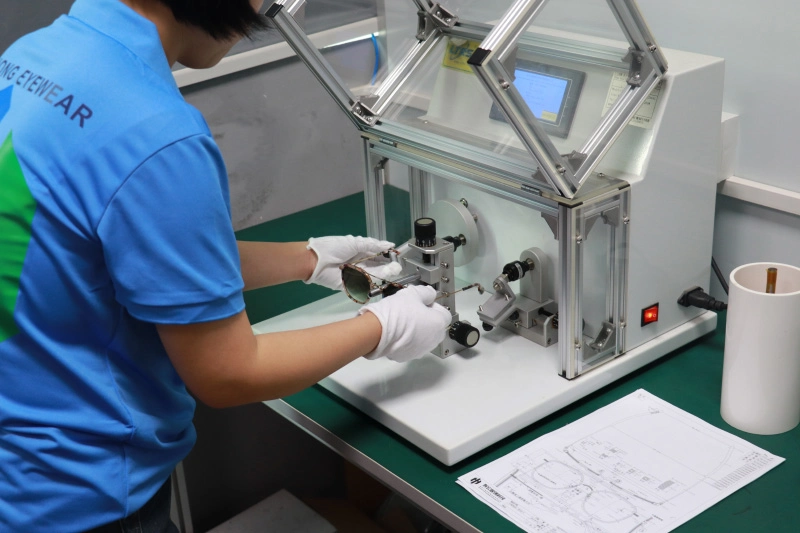
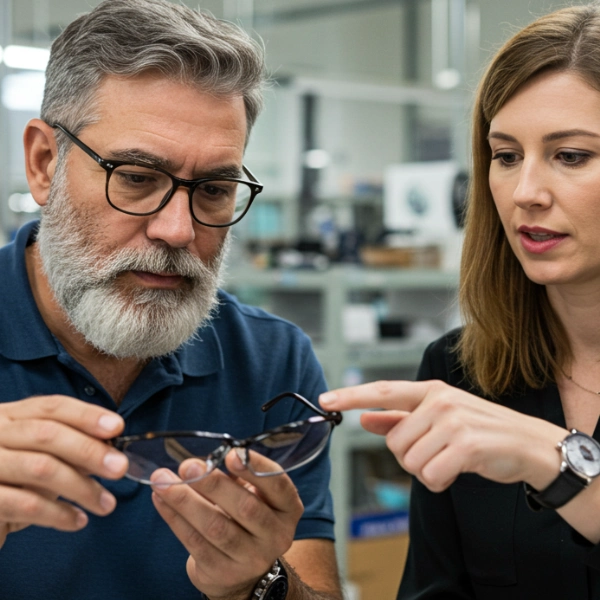
Prototyping is not a one-time process. Most designs go through multiple rounds of prototyping and refinement before they are finalized. After creating the first prototype, you should conduct extensive wear testing with a diverse group of people to identify any issues with fit, comfort, or functionality. Feedback from wear testing should be used to modify the design, and a new prototype should be created for further testing. This iterative process continues until the prototype meets all your requirements for aesthetics, comfort, and performance.
Once the prototype is approved, the process moves to tooling and pre-production. The manufacturer will create the production molds and fixtures needed to manufacture the frames. This is a critical stage, as any errors in the molds will be replicated in every unit produced. After the molds are completed, the manufacturer will produce a small pre-production run of 20-50 units to test the production process and ensure that the molds are working correctly. These pre-production units should be inspected carefully to ensure that they match the approved prototype in every detail.
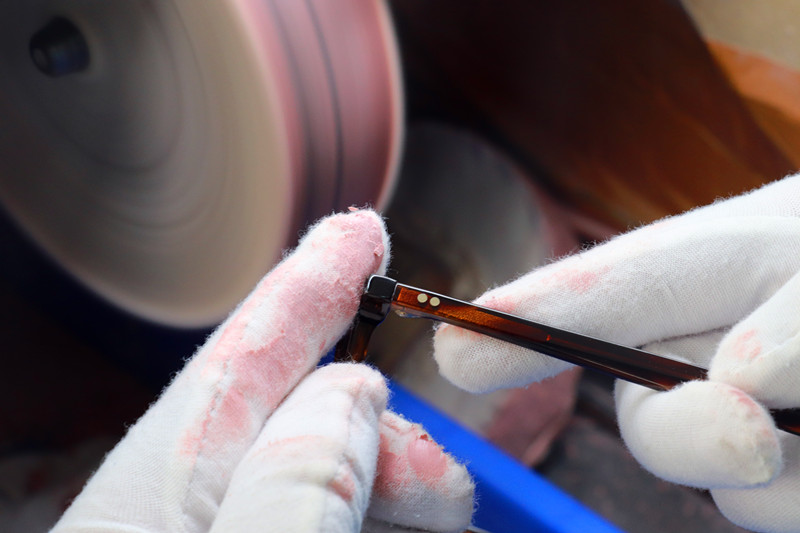
The final stage is mass production. During this phase, the manufacturer will produce the full order according to the agreed-upon specifications and delivery schedule. A professional high-end eyewear manufacturer will implement strict quality control processes throughout production, with inspections at every stage from raw material incoming to final packaging. They will also provide regular production updates, including photos and progress reports, so you can track the status of your order.
After production is complete, the products will undergo a final quality inspection before being packaged and shipped to you. Most manufacturers also offer after-sales support, including warranty repairs and replacement parts, to ensure that your customers are satisfied with their purchases.
By partnering with an experienced high-end eyewear ODM manufacturer, you can streamline this entire development process. A good ODM partner will guide you through every stage, from market research to mass production, providing expert advice and support along the way. They will handle all the technical details, allowing you to focus on what you do best—building your brand and connecting with your customers. With the right partner, you can bring your luxury eyewear vision to market faster, with lower risk, and with the highest possible quality.