Introduction
Frame material determines comfort, durability, style, and value. Acetate, metal, and TR90 are the three most widely used materials in premium eyewear, each with distinct strengths and ideal applications. This guide breaks down their key differences to help brands and buyers make informed sourcing decisions.
1. Acetate Frames: Premium Aesthetics & Craftsmanship
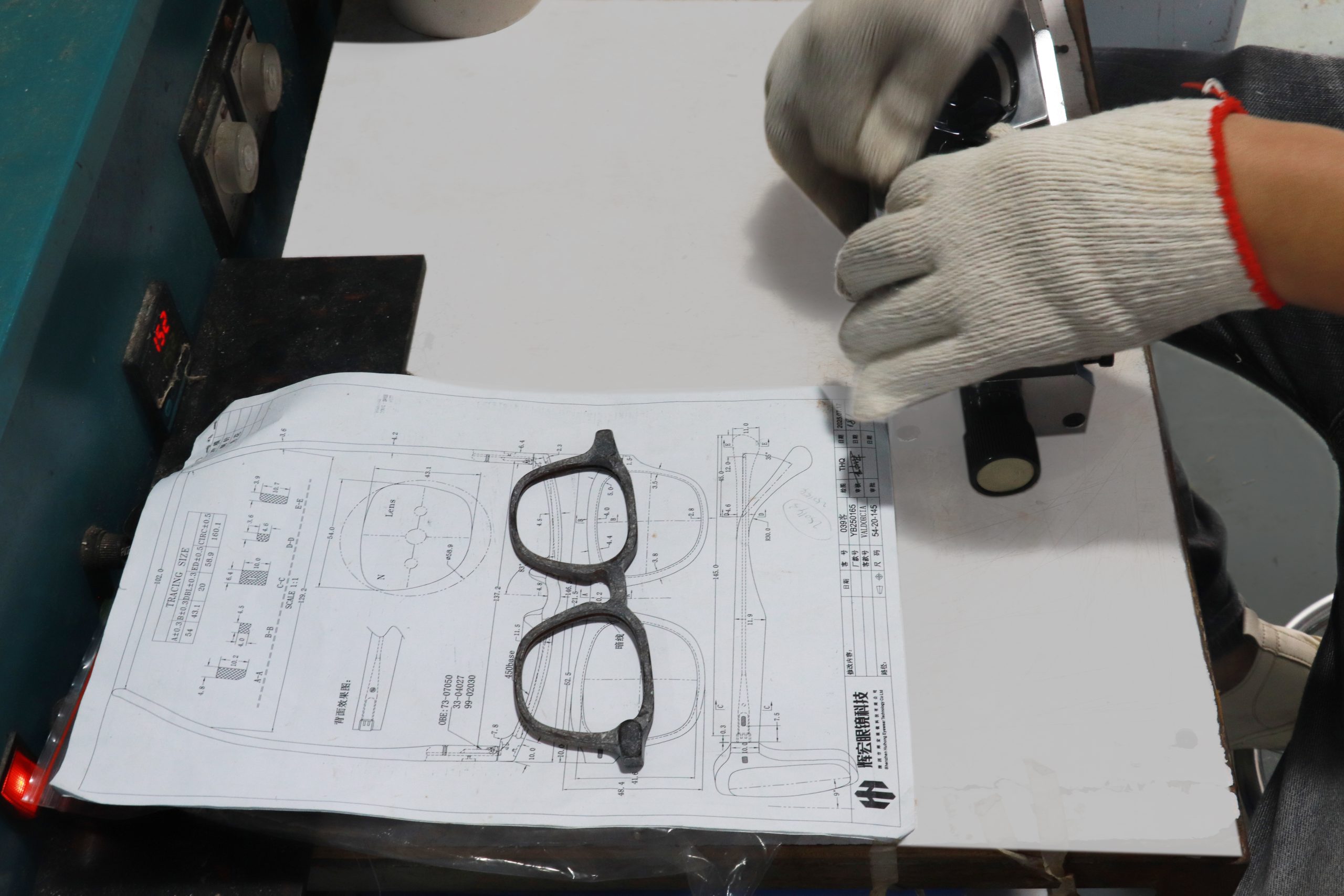
Cellulose acetate is a plant-based thermoplastic cut from solid laminated sheets and hand-polished. It is the standard for high-end designer eyewear.
Pros
Rich depth of color, marbled and tortoiseshell effects impossible with injection molding
Naturally hypoallergenic, nickel-free
Stable shape retention and premium tactile feel
Supports bold shapes, lamination, and custom finishing
Cons
Heavier than TR90 and titanium
Can warp under prolonged high heat
Requires professional heating for adjustments
Higher labor and production cost
Best for: Designer collections, boutique retail, classic fashion, sensitive skin
2. Metal Frames: Sleek Precision & Durability
Metal frames range from budget monel alloys to premium pure titanium and beta-titanium. Titanium is the gold standard for lightweight, corrosion-resistant performance.
Pros
Ultra-thin, minimalist profiles ideal for professional wear
Highly adjustable for precise fitting
Excellent structural strength and longevity
Titanium is hypoallergenic and exceptionally light
Cons
Lower-grade alloys may contain nickel and cause skin irritation
Plated finishes can wear at high-contact points
Solder joints are vulnerable to impact
Titanium commands a premium price
Best for: Minimalist/professional lines, rimless designs, daily comfort-focused wearers
3. TR90 Frames: Ultra-Light Flexibility & Value
TR90 is a high-performance polyamide polymer known for extreme flexibility and memory rebound. Often called “plastic titanium,” it is a top choice for active lifestyles.
Pros
Roughly half the weight of acetate, all-day wearing comfort
Highly flexible, impact-resistant, and returns to shape
Heat and sweat resistant, hypoallergenic
Cost-efficient injection molding production
Cons
Lacks the deep polished luster of premium acetate
Limited adjustability due to memory properties
Perceived as less premium than acetate or titanium
Surface coatings may show wear over time
Best for: Sports, kids’ eyewear, casual everyday lines, value collections
Side-by-Side Comparison

How to Choose the Right Material
Premium designer lines – Choose acetate for perceived luxury and brand differentiation
Professional/minimalist collections – Choose titanium for light weight and refined appeal
Sports/kids/value lines – Choose TR90 for durability, comfort, and price efficiency
Hybrid strategy – Combine materials (e.g., acetate front + titanium temples) for differentiated SKUs
Custom Eyewear Manufacturing by Huihong Eyewear
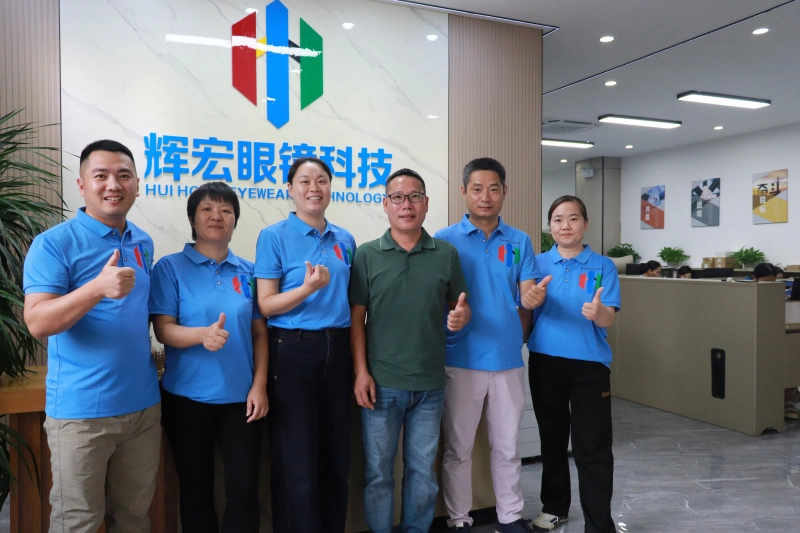
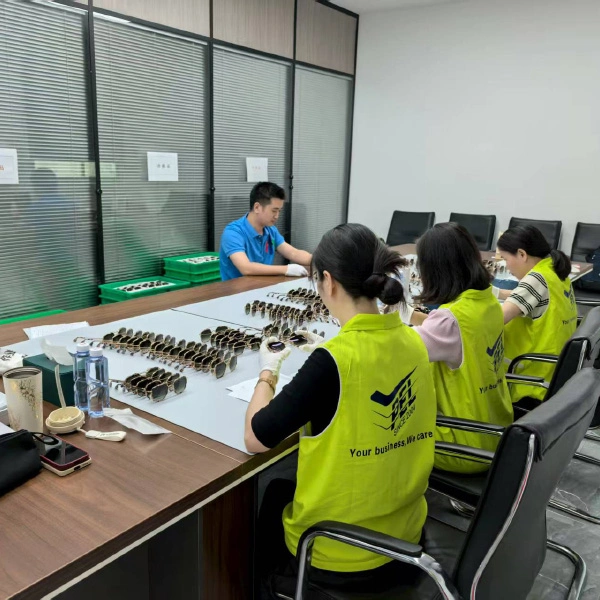
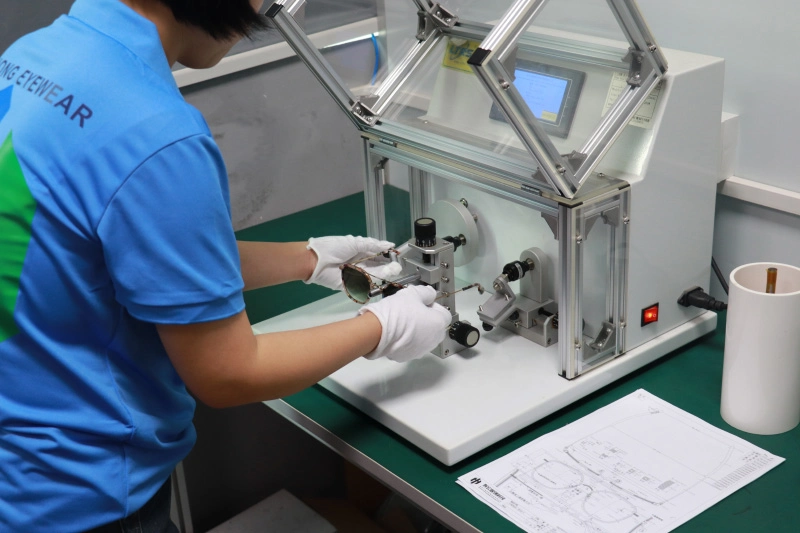
Shenzhen Huihong Eyewear Technology Co., Ltd. is a specialized manufacturer focused on design, development, and OEM/ODM production of high-end eyewear. We work with independent brands, designer labels, and premium retailers worldwide, delivering exceptional craftsmanship and reliable service from prototyping to bulk delivery.
Our core expertise covers acetate, titanium, and metal frames, with strong capabilities in low-volume, high-quality custom production. Clients across Japan, Korea, Europe, and North America partner with us for quality, trust, and shared value.
If you are sourcing a manufacturing partner with deep material expertise and brand-level execution, we welcome the opportunity to discuss your next collection.
Final Takeaway
Acetate excels in luxury aesthetics, metal/titanium in sleek precision and longevity, and TR90 in lightweight durability and value. Top assortments match each material to its intended use case rather than relying on one universal solution.