If you’re sourcing eyewear for retail, distribution, or private label in 2026, the rules of the game have shifted. MOQs are dropping, compliance requirements are tightening, and supply chains are being restructured in real time. Here are the five trends reshaping eyewear procurement this year—and what they mean for your sourcing strategy.
1. Low-MOQ Production Is the New Standard
The most significant shift in B2B eyewear sourcing this year is the collapse of traditional minimum order quantities. E-commerce brands and independent creators have driven demand for smaller, testable production runs, and forward-thinking suppliers are responding.
Typical private-label MOQs historically ran around 1,200 pieces per style. Today, a growing number of factories now offer runs starting at just 100 pieces per style/color, enabling brands to test, grow, and scale with greater efficiency. For basic injection-molded frames, many factories set MOQs at 300–500 pieces per color/style, while acetate frames—which are more labor-intensive to finish and lathe—typically require 300–1,000 per SKU.
What this means for buyers: You no longer need to commit to massive inventory to test a new design direction. But be selective—suppliers who genuinely support low-volume, high-quality custom production are still relatively rare.
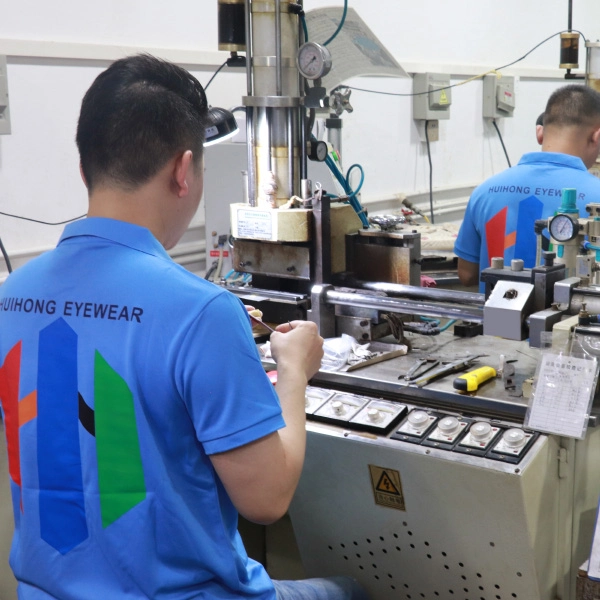
2. Supply Chain Resilience Is Reshaping Sourcing Strategy
The U.S. spectacles and goggles market faces potential supply chain recalibration heading into 2026. While China’s dominance as a supplier remains entrenched, geopolitical tensions and trade policy shifts are incentivizing gradual diversification to Vietnam, India, and Mexico.
The emerging model is bifurcated: high-volume, cost-sensitive goods remain in Asia, while faster-turnaround, premium, or tariff-sensitive production moves closer to home. China still produces 38% of global spectacle and goggle volume, and supplies 50% of U.S. imports by value—but buyers are increasingly building dual-sourcing strategies.
What this means for buyers: Diversification is smart, but China’s integrated manufacturing ecosystem—particularly in specialized clusters like Wenzhou and Shenzhen—remains hard to replicate for premium eyewear. The key is choosing partners who offer both scale and agility.
3. Material Innovation Is Accelerating
Beyond traditional cellulose acetate and metals like stainless steel and titanium, 2026 has seen a notable rise in unique frame materials. Sustainable alternatives including wood, stone, and 3D-printed options are gaining prominence—driven by rising consumer demand for more sustainable products.
The pursuit of ultimate lightness continues with next-generation materials such as HD acetate and beta-titanium, delivering a barely-there feel for premium frames. Acetate itself is evolving with retro-inspired tortoise, marble, and horn textures, plus multi-layered gradients in neutral and vibrant palettes.
What this means for buyers: Material expertise at the factory level matters more than ever. Suppliers who can advise on trade-offs between weight, durability, color depth, and cost across acetate, titanium, and emerging materials will save you months of trial-and-error.
4. Compliance Requirements Are Getting Stricter
For buyers selling into regulated markets, the compliance bar keeps rising. In the U.S., sunglasses are FDA Class I medical devices—lenses must pass the 21 CFR 801.410 drop-ball impact test, with certification and three years of test records required. EU markets demand CE marking and EN ISO 12312-1 compliance, while metal frames require nickel release testing under EN 1811.
Beyond product compliance, sustainability reporting is shifting from a “nice-to-have” to a mandatory operational requirement. Reporting aligned with global standards and stronger due diligence across value chains is becoming standard procurement practice.
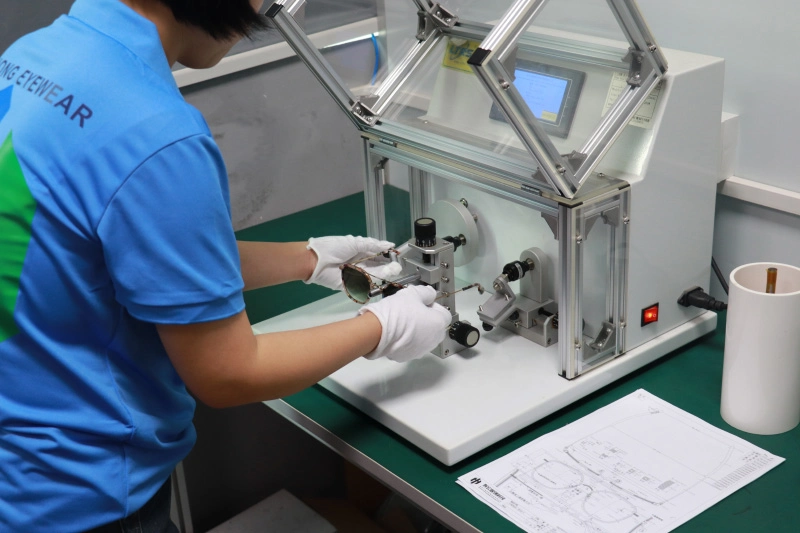
What this means for buyers: Request test reports and compliance documentation before placing orders. Suppliers with in-house QC labs and documented testing protocols will save you regulatory headaches down the line.
5. Premium Positioning Is Where the Growth Is
The two fastest-growing eyewear markets are at opposite ends: high-end and low-end. Brands stuck in the middle are facing the toughest conditions. This polarization means that for private-label and independent brands, the real opportunity lies in premium positioning—distinctive designs, better materials, and a story that justifies a higher price point.
What this means for buyers: Competing on price alone is a race to the bottom. Partnering with a manufacturer who can execute premium craftsmanship at accessible volumes gives you a defensible market position.
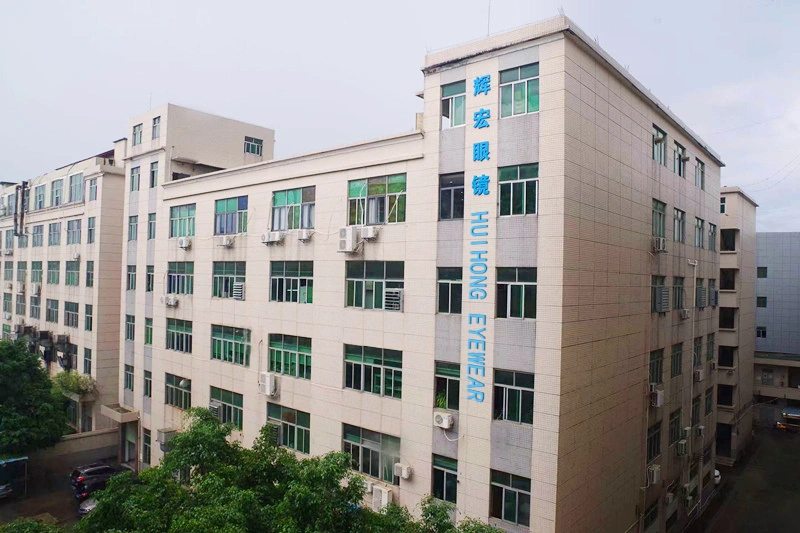
Where Huihong Eyewear Fits
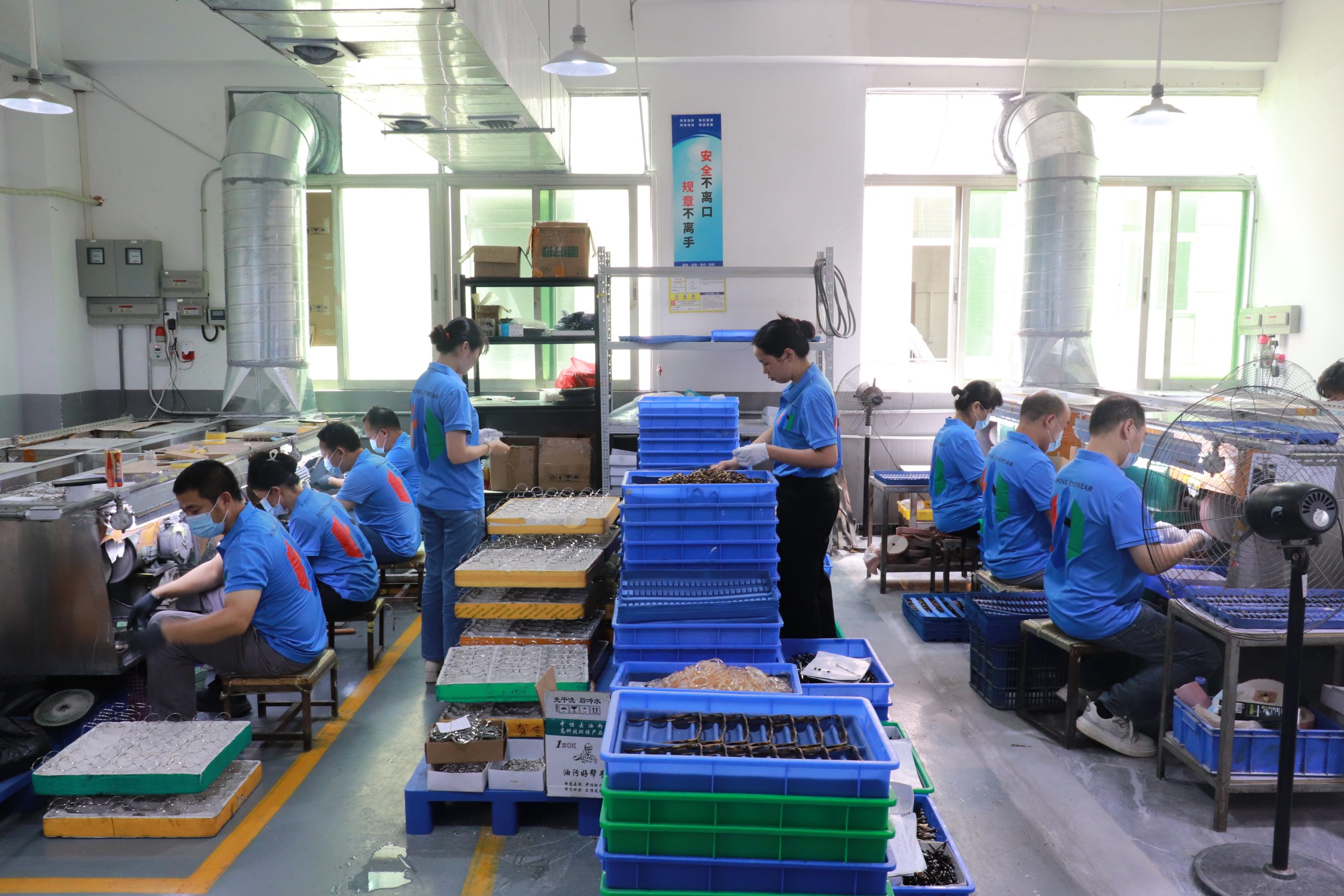
Huihong Eyewear is a specialized manufacturer dedicated to the design, development, and OEM/ODM production of high-end eyewear. Since its founding, the company has collaborated with independent brands, designer labels, and premium retailers worldwide—bringing unique eyewear visions to life through exceptional craftsmanship and reliable service.
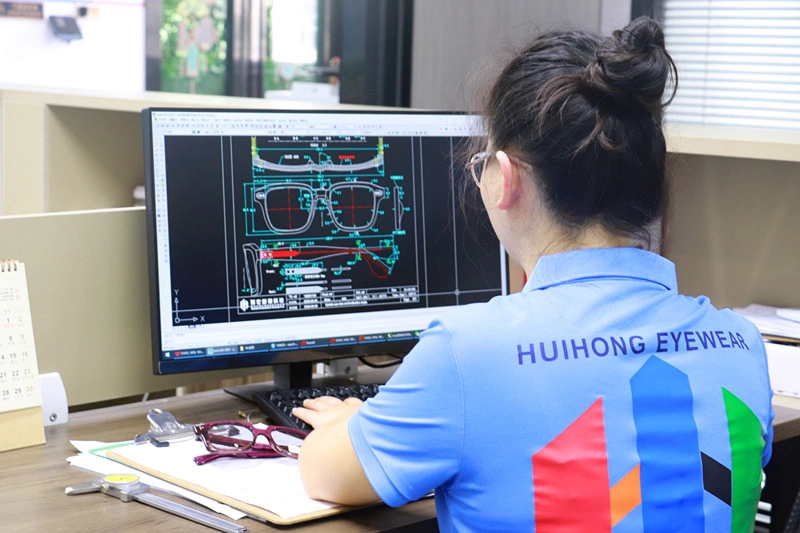
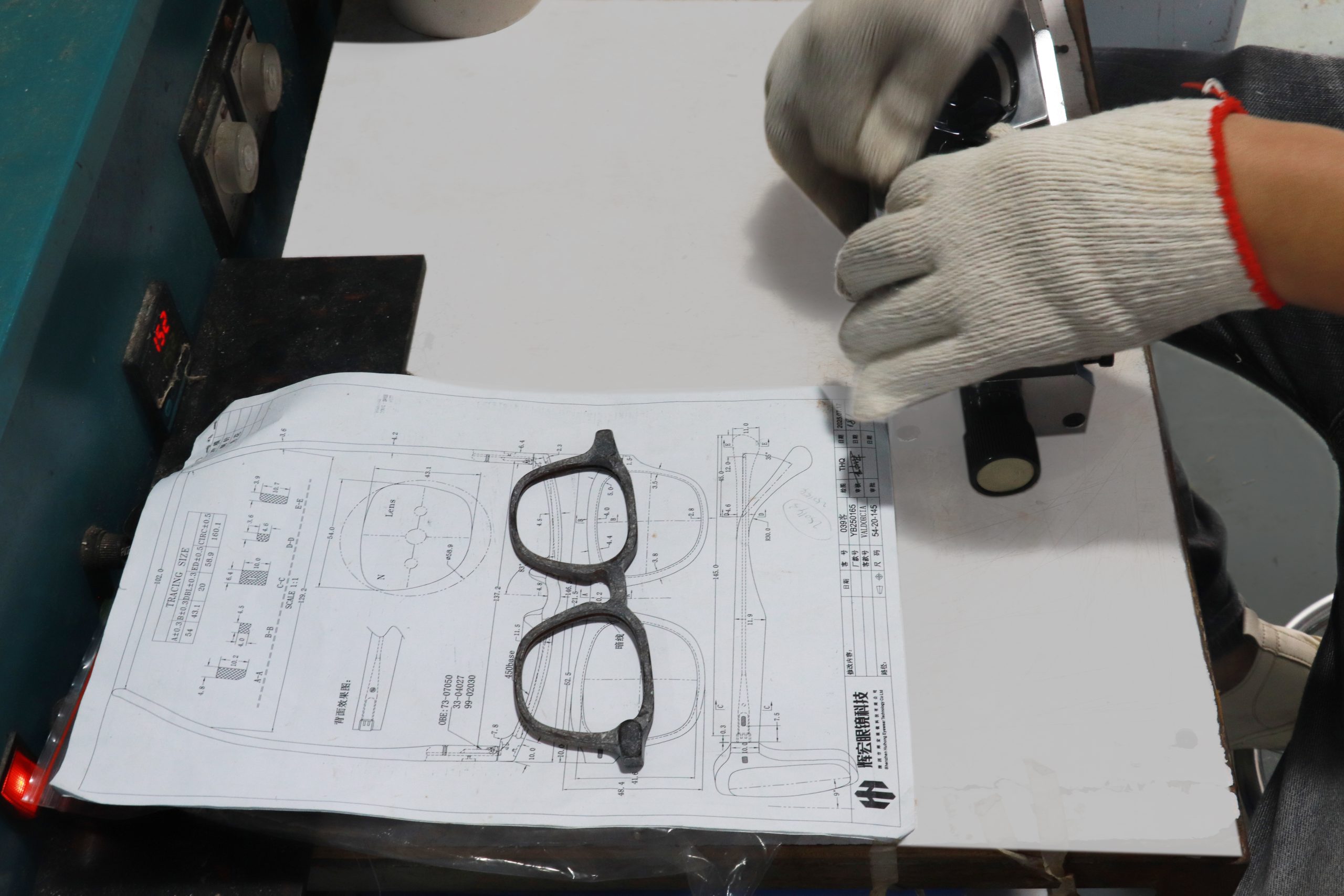
The company specializes in acetate, titanium, and metal frames, with a strong capability in low-volume, high-quality custom production. From concept prototyping to bulk delivery, Huihong supports brands through every step of the journey—with flexibility, speed, and precision.
What sets Huihong apart is its alignment with the trends shaping 2026 sourcing:
Low-MOQ capability that lets brands test new designs without committing to large inventory
Deep material expertise across acetate, titanium, and metal—the three core frame categories driving premium demand
Compliance-ready production with quality control checkpoints at every stage
A partnership model built on trust, not transactions
Clients across Japan, Korea, Europe, and North America return to Huihong not just for the quality of the frames, but for the trust and shared value that define the working relationship.
Practical Takeaways for Your Next Sourcing Decision
Ask about real MOQs for your specific material and design—not generic catalog numbers
Request compliance documentation for your target market upfront
Test with a small batch first before committing to volume
Evaluate response time as a leading indicator of operational reliability
Prioritize suppliers who can grow with you from prototype to full-scale production
The eyewear brands that win in 2026 won’t be the ones who found the cheapest pair. They’ll be the ones who built a supply chain that can adapt to shifting market demands without sacrificing quality. Choose your manufacturing partner accordingly.