Choosing the right lenses is just as important as picking the perfect frame—here’s everything you need to know.
When it comes to eyewear, the frames get all the attention. But the lenses? They do the real work. Modern lens technology has evolved dramatically, offering a wide array of materials, designs, and coatings that can make your glasses thinner, lighter, more durable, and significantly more comfortable to wear. Whether you’re an independent brand developing a new collection or simply looking to understand your options, this guide breaks down everything you need to know about eyeglass lenses.
Lens Types: Finding the Right Vision Correction
Lenses are first categorized by the type of vision correction they provide.
Single Vision Lenses are the most common type. They have a single prescription power to correct one field of vision—distance (nearsightedness), near (farsightedness or reading), or intermediate (computer use). Simple, effective, and widely used.
Bifocal Lenses contain two distinct powers separated by a visible line. The top portion corrects distance vision, while the bottom segment is for near vision. They’re a classic solution for those who need both distance and reading correction.
Trifocal Lenses take it a step further with three segments—distance, intermediate, and near—separated by two visible lines.
Progressive Lenses (also called no-line bifocals) are the modern upgrade. They offer a seamless, gradual transition between distance, intermediate, and near vision without any visible lines. This provides a more natural visual experience and a cleaner aesthetic—no lines, no limits.
Lens Materials: The Foundation of Your Lenses
The material of your lenses affects their thickness, weight, optical clarity, and durability. Two key properties define a lens material: refractive index (how efficiently it bends light—higher index means thinner lenses) and Abbe value (a measure of optical clarity—higher Abbe value means less color fringing and better visual quality).
CR-39 (Standard Plastic) – With a refractive index of 1.50 and an Abbe value of 58, CR-39 offers excellent optical clarity at an affordable price. It’s a great choice for lower-strength prescriptions but can become thick and heavy with higher prescriptions.
Polycarbonate – At a refractive index of 1.59, polycarbonate lenses are thin, lightweight, and exceptionally impact-resistant—up to 30% thinner than standard plastic. They also offer built-in UV protection. This makes them the material of choice for children’s eyewear, safety glasses, and sports goggles.
Trivex – With an index of 1.53 and an Abbe value of 43–45, Trivex combines excellent impact resistance with superior optical clarity compared to polycarbonate. It’s lightweight, offers 100% UV blockage, and performs exceptionally well in rimless or drill-mount frames. Recent studies show Trivex lenses exhibit less damage during impact testing and better chemical resistance than polycarbonate.
High-Index Plastics – These are game-changers for people with strong prescriptions. Available in indices from 1.60 to 1.74, high-index materials bend light more efficiently, allowing for significantly thinner and lighter lenses. They reduce the “coke bottle” effect and make glasses much more comfortable and cosmetically appealing.
Glass Lenses – While glass offers excellent optical clarity and scratch resistance, it’s heavier and more prone to breaking. Today, the vast majority of lenses are made from advanced plastics that are lighter, thinner, and more impact-resistant.
Lens Coatings: Enhancing Performance and Protection
Coatings are ultra-thin layers applied to the lens surface that add a variety of performance-enhancing features. They can make the difference between a good pair of glasses and a great one.
Anti-Reflective (AR) Coating – This is arguably the most important coating you can get. AR coating dramatically reduces reflections from the front and back surfaces of your lenses. The benefits are substantial: more light passes through for sharper, clearer vision; distracting glare is reduced (especially when driving at night); and your lenses become nearly invisible so people can see your eyes clearly. Modern AR coatings often include hydrophobic and oleophobic layers that make lenses easier to clean and more resistant to smudging.
Blue Light Filtering Coating – We’re constantly surrounded by digital screens that emit high-energy blue light. A blue light coating selectively blocks a portion of this light, which many find helps reduce digital eye strain, fatigue, and headaches associated with long hours of screen time. For heavy screen users—office workers, students, and gamers—this can be a valuable addition.
Scratch-Resistant Coating – While no lens is completely scratch-proof, this hard, clear layer makes the lens surface much more durable and resistant to the minor scratches that occur from daily wear and cleaning. It’s now a standard feature on most quality lenses.
UV Protective Coating – Just as sunscreen protects your skin, your eyes need protection from ultraviolet radiation. A UV treatment blocks 100% of UVA and UVB rays, protecting your eyes and the delicate skin around them. Polycarbonate and Trivex lenses offer built-in UV protection, while CR-39 typically requires an add-on treatment.
Hydrophobic and Oleophobic Coatings – These work together to repel water, oils, and fingerprints. The result: lenses that stay cleaner longer and are much easier to wipe clean.
Photochromic Lenses – These lenses darken automatically when exposed to UV light and return to clear indoors. They’re perfect for people who frequently move between indoor and outdoor environments.
Polarized Coating – This cuts glare from horizontal light waves, making it ideal for sunglasses and driving.
Making the Right Choice
The best lens combination depends on your prescription, lifestyle, and budget. A few quick guidelines:
Everyday eyewear: Anti-reflective + scratch-resistant + UV protection
Screen-heavy use: Anti-reflective + blue light filtering
Active lifestyle or children: Polycarbonate or Trivex for impact resistance
Strong prescription: High-index materials for thinner, lighter lenses
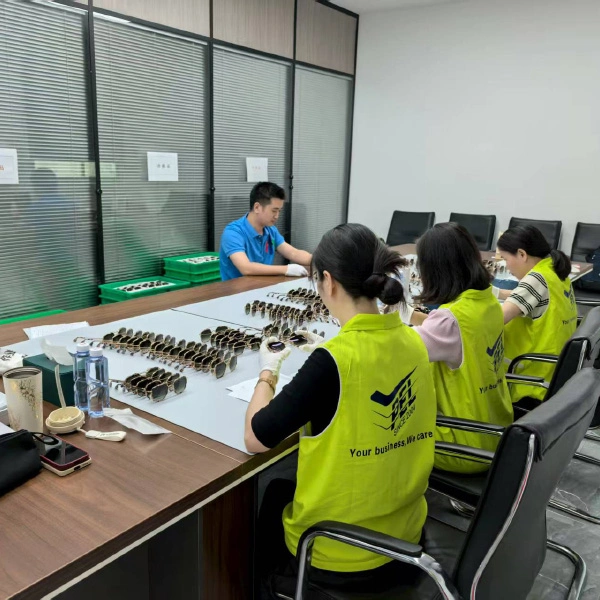
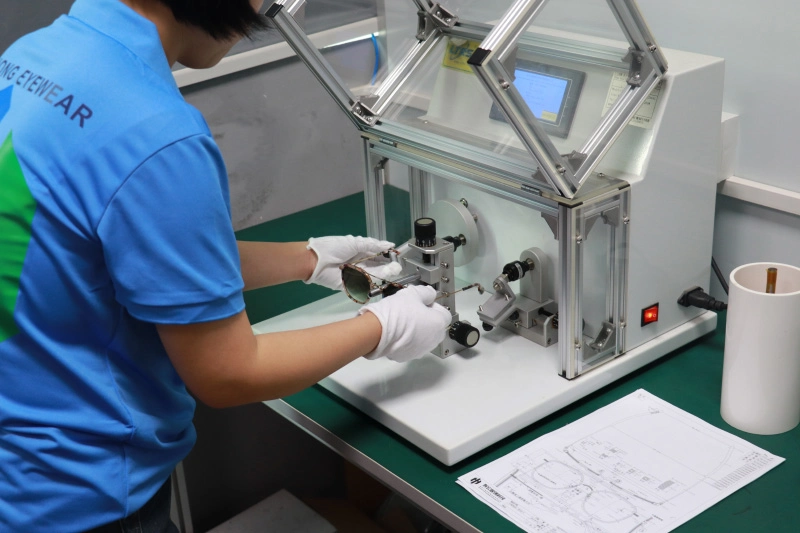
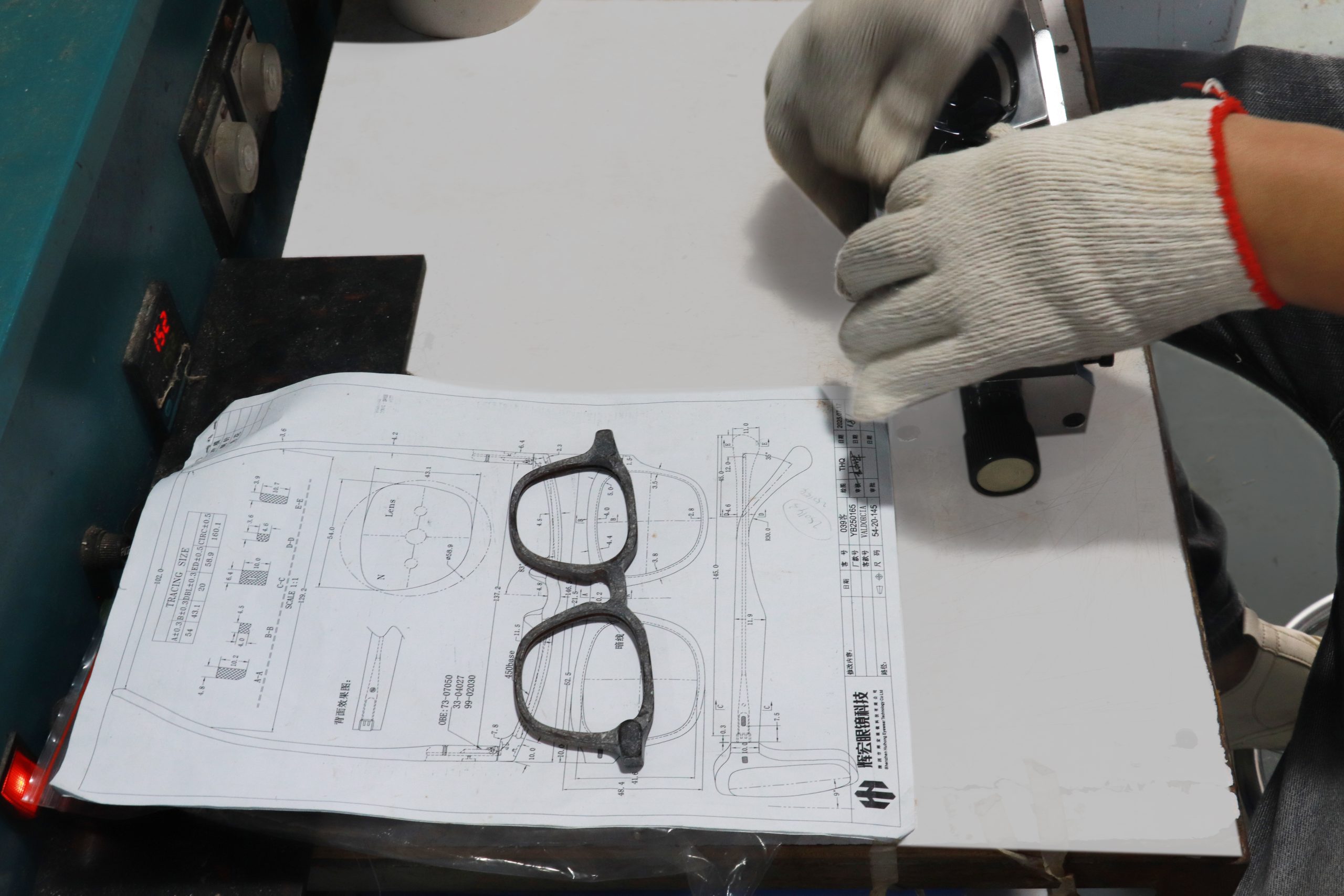
At Shenzhen Huihong Eyewear Technology Co., Ltd., we specialize in bringing unique eyewear visions to life. From acetate and titanium to metal frames, we support independent brands, designer labels, and premium retailers worldwide with exceptional craftsmanship, low-volume custom production, and reliable service. Whether you’re developing a new collection or refining an existing one, we’re here to help—from concept prototyping to bulk delivery, with flexibility, speed, and precision.