Introduction
The global eyewear market is projected to exceed $180 billion by 2028, with the Asia-Pacific region leading the charge driven by urbanization and expanding digital lifestyles. For brands looking to capture their share, speed to market has become a competitive necessity rather than a luxury.
Yet for many eyewear brands—especially emerging labels and DTC players—the journey from concept to retail shelf remains painfully slow. Traditional manufacturing approaches often stretch timelines to 16–20 weeks or more, burning through budgets and missing seasonal windows.
The difference between market leaders and followers often comes down to one strategic decision: the OEM partner you choose. The right manufacturing partner doesn’t just produce glasses—it transforms your vision into a market-ready product while you focus on building your brand.
This article explores how the right OEM partnership can cut your eyewear launch timeline in half, the key stages where time is most often wasted, and what to look for in a manufacturing partner that prioritizes speed without compromising quality.
The Hidden Costs of a Fragmented Supply Chain
Many brands, particularly those new to eyewear manufacturing, fall into the trap of managing multiple vendors independently. A typical fragmented approach looks something like this:
One supplier for design and prototyping
Another for material sourcing
A third for component manufacturing
A fourth for assembly and quality control
This model creates a cascade of inefficiencies:
Fragmented communication becomes the norm. Design changes must be relayed across multiple touchpoints, each with its own processes and timelines. Quality inconsistencies emerge when different vendors interpret specifications differently. Extended timelines are almost guaranteed—each handoff introduces delays, and each revision cycle requires coordinating across siloed teams.
A single pair of glasses can involve over 200 individual manufacturing steps. Managing this complexity across multiple vendors adds layers of coordination overhead that directly impact your launch timeline.
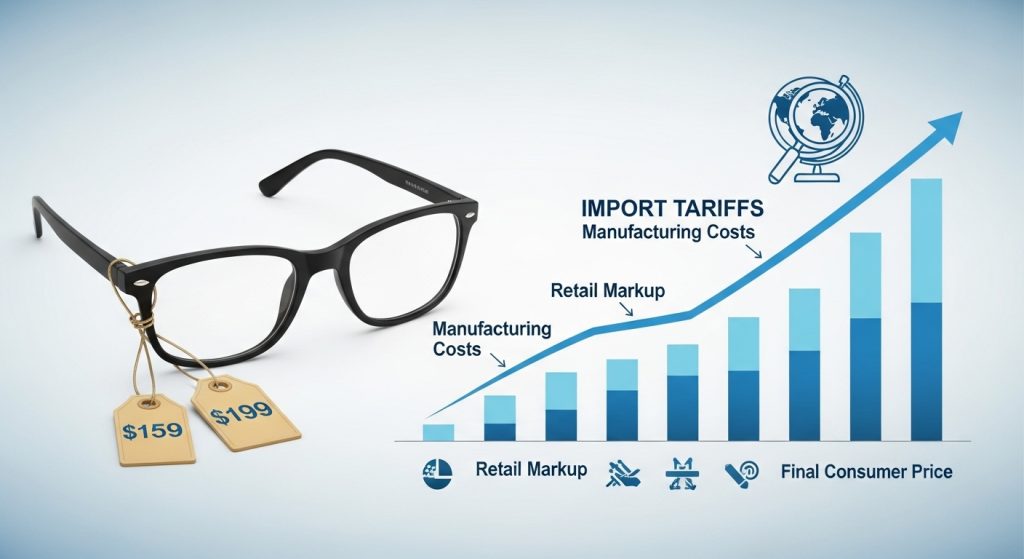
The result? What should take 10–12 weeks often stretches to 16–20 weeks or more. For seasonal products or trend-driven collections, these delays can destroy profitability before a single unit is sold.
The One-Stop OEM Advantage: Cutting Timeline by 40–50%
A true one-stop OEM solution consolidates design, sourcing, prototyping, production, and quality control under a single, accountable partner. This integrated approach delivers measurable time savings at every stage of the journey.
1. Concept Development & Design Consultation (1–2 Weeks)
The journey begins with translating your brand vision into manufacturable designs. A professional OEM partner brings market intelligence to these conversations—offering insights into trending styles, emerging materials, and regional preferences.
With a one-stop partner, design feedback loops are immediate. There’s no waiting for external vendors to interpret your brief. The team that designs your product is the same team that will engineer and produce it—eliminating miscommunication from the start.
2. Technical Drawing & Engineering (1–2 Weeks)
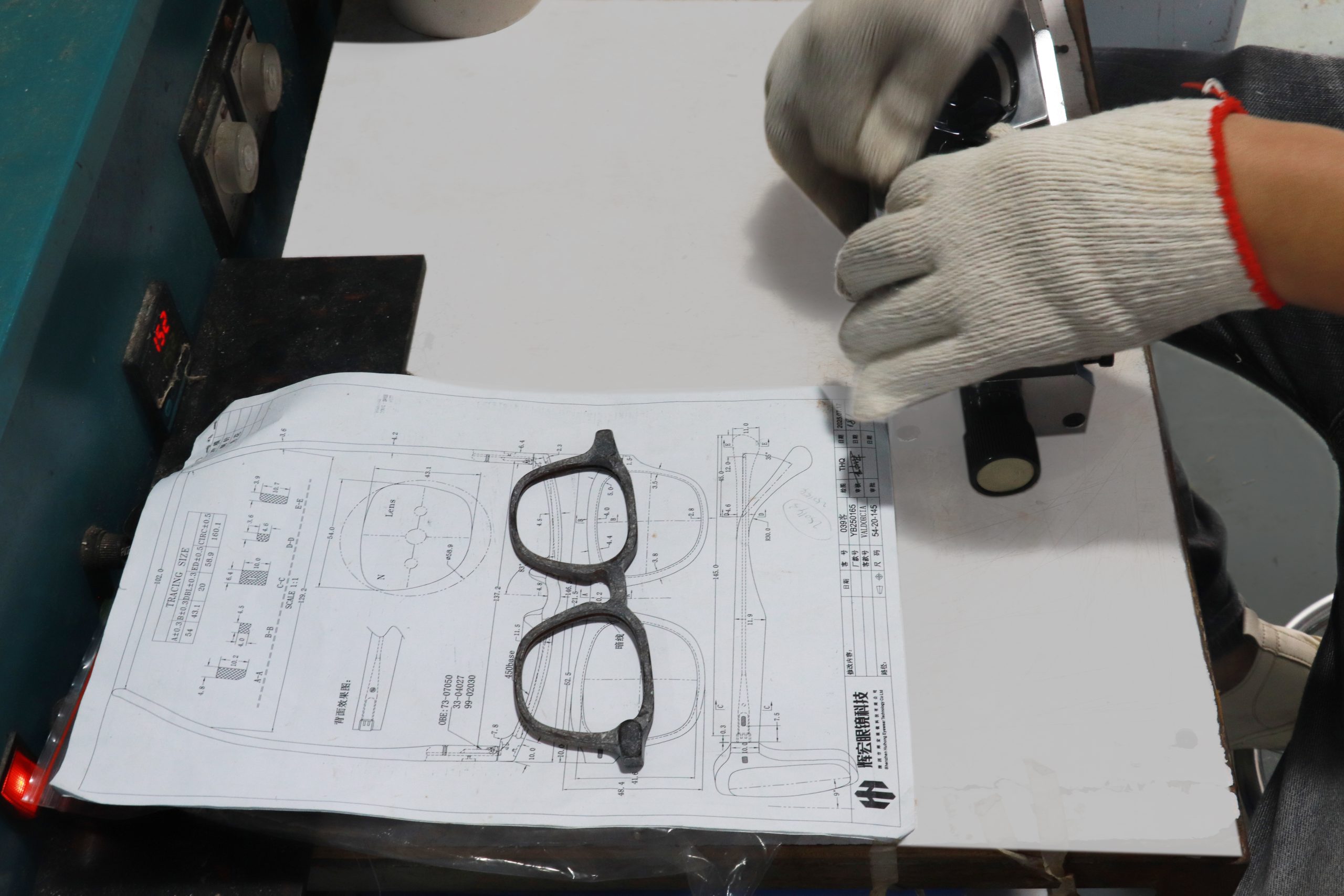
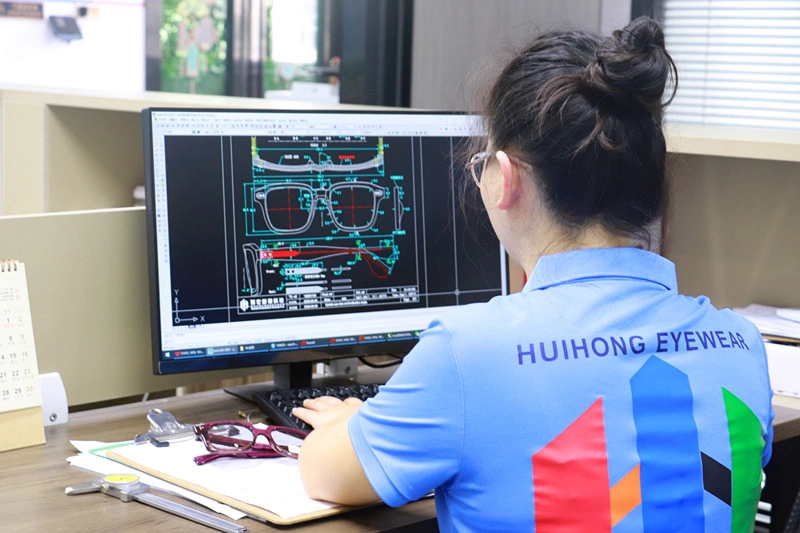
Approved concepts are transformed into precise technical specifications using CAD/CAM software. Every dimension is calibrated to ensure both aesthetic appeal and functional performance.
When engineering and production are under one roof, technical revisions happen in real time. There’s no back-and-forth between separate design and manufacturing teams. This integrated workflow typically compresses this stage from 3–4 weeks to just 1–2 weeks.
3. Prototype Development & Iteration (2–4 Weeks)
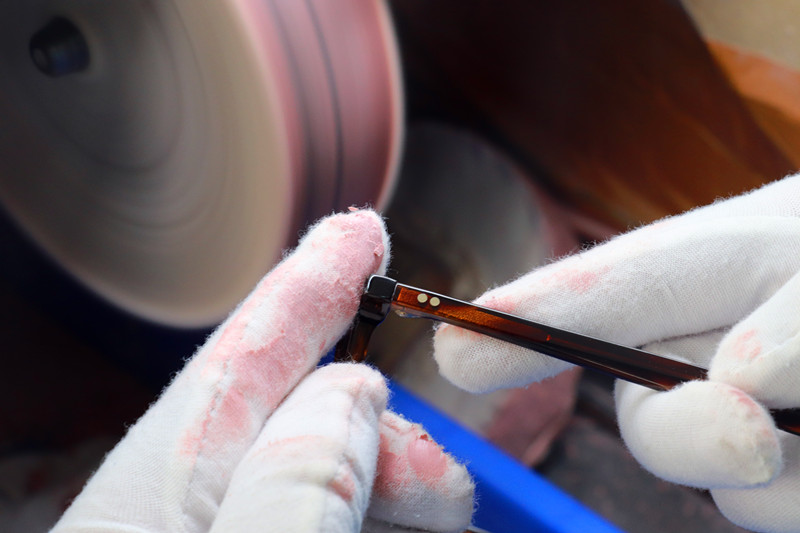
Physical prototypes bring designs to life, allowing for hands-on evaluation of fit, weight, and functionality. Modern OEM facilities utilize both rapid prototyping technologies (3D printing) for initial concepts and traditional tooling for production-representative samples.
With a one-stop partner, the iteration cycle is dramatically shorter. Instead of sending designs out to a separate prototyping vendor and waiting weeks for feedback, revisions happen in-house. The typical 2–3 revision cycle that might take 6–8 weeks in a fragmented model is completed in 2–4 weeks.
4. Material Sourcing & Production (4–8 Weeks)
Quality eyewear begins with quality materials. Established OEM partners maintain relationships with certified material suppliers, ensuring consistent access to premium acetates, medical-grade metals, and specialized components.
When sourcing is integrated with production, there’s no waiting for materials to arrive from external suppliers before production can begin. The OEM’s established supply chain and inventory management mean materials are ready when production starts.
5. Quality Control & Delivery
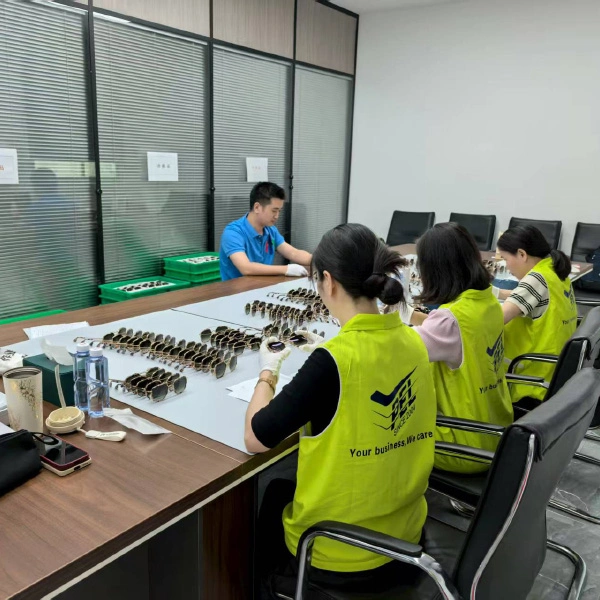
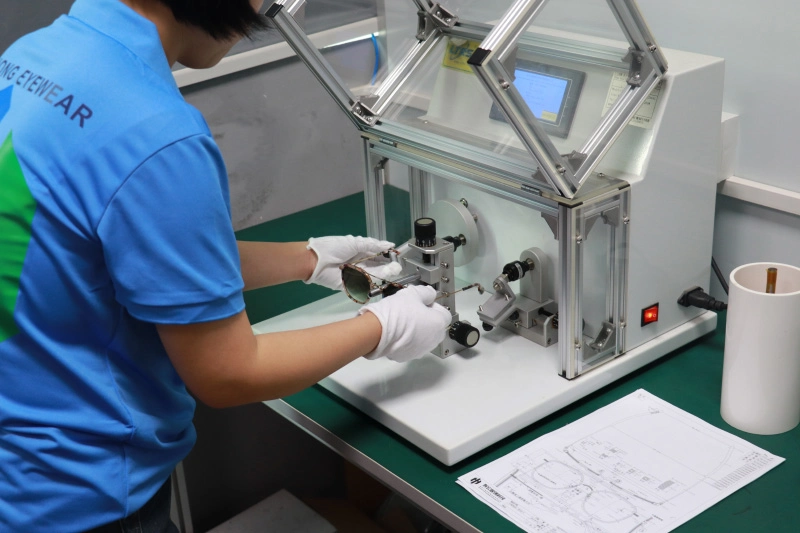
With a one-stop partner, quality control is baked into every stage—not just a final checkpoint. This proactive approach catches issues early, when they’re cheap to fix, rather than at the end of the line when they’re expensive to correct.
What Traditionally Required 16–20 Weeks Can Be Done in 10–12
The math is compelling. A fragmented approach across multiple vendors typically requires 16–20 weeks from concept to delivery. A one-stop OEM partnership can often accomplish the same in 10–12 weeks.
That’s a 40–50% reduction in time-to-market.
For a brand launching a seasonal collection, this difference can mean capturing the market peak versus missing it entirely. For a DTC brand testing a new product line, it can mean getting customer feedback and iterating before competitors even launch.
Beyond Speed: What Else the Right OEM Partner Delivers
While timeline reduction is the headline benefit, the right OEM partnership delivers advantages that compound over time.
Consistent Quality Standards
When production is consolidated under one partner, quality standards are consistent across every unit. There’s no variation between batches from different suppliers. This consistency builds brand trust and reduces returns.
Reduced Total Cost of Ownership
A one-stop solution reduces coordination costs, eliminates redundant processes, and minimizes the risk of costly errors. The total cost of ownership is often lower than managing multiple vendors—even if the per-unit cost appears slightly higher.
Faster Iteration for Future Collections
Once you’ve established a partnership with an integrated OEM, future collections move even faster. Your partner already understands your brand aesthetic, quality expectations, and target price points. The learning curve is behind you.
Market Intelligence and Design Support
The best OEM partners bring more than manufacturing capability—they bring market intelligence. They can advise on trending styles, emerging materials, and regional preferences. This insight helps you design products that resonate with your target audience from day one.
How to Choose the Right OEM Partner
Not all OEM partners are created equal. When evaluating potential manufacturing partners, consider these criteria:
1. Vertical Integration
Does the partner control the entire production process in-house, or do they outsource key stages? Vertical integration is the foundation of timeline compression. Partners who outsource critical functions cannot offer the same speed or accountability.
2. In-House Design and Engineering Capability
Can the partner support you from concept through production? Partners with in-house design teams can provide valuable input on manufacturability, cost optimization, and material selection before you commit to tooling.
3. Material Sourcing Capabilities
Does the partner have established relationships with certified material suppliers? Access to premium materials—acetates, metals, specialized components—directly impacts product quality and production lead times.
4. Quality Control Infrastructure
How does the partner ensure quality throughout the production process? Look for partners with multi-stage quality control—incoming material inspection, in-process inspection, final QC, and outgoing QC.
5. Communication and Transparency
Does the partner provide clear timelines, regular updates, and responsive communication? Transparency throughout the production process reduces friction and builds trust.
6. Compliance and Certification
Does the partner have experience with international markets and regulatory requirements? Compliance with CE, FDA, ISO, and other certifications is essential for global distribution.
Common Pitfalls and How to Avoid Them
Even with the right partner, there are pitfalls to avoid.
Pitfall 1: Rushing the Design Phase
While speed is important, rushing design compromises can create costly problems later. Invest time upfront in thorough design reviews and prototyping. A well-executed design phase prevents expensive revisions during production.
Pitfall 2: Incomplete Specifications
Vague or incomplete specifications lead to misinterpretation and rework. Provide your OEM partner with detailed design briefs, material preferences, and quality expectations from the start.
Pitfall 3: Ignoring Regulatory Requirements
Different markets have different regulatory requirements. Ensure your OEM partner understands the compliance standards for your target markets and builds them into the production process from the beginning.
Pitfall 4: Focusing Only on Unit Cost
The lowest unit cost rarely delivers the lowest total cost of ownership. Factor in coordination costs, quality risks, and timeline implications when evaluating partners.
Conclusion
In the competitive eyewear industry, speed to market is a strategic advantage that separates market leaders from followers. A fragmented manufacturing approach with multiple vendors typically stretches timelines to 16–20 weeks or more. A true one-stop OEM partnership can accomplish the same in 10–12 weeks—cutting your launch timeline in half.
But the benefits extend beyond speed. Consistent quality standards, reduced coordination costs, faster iteration for future collections, and access to market intelligence all compound over time.
The right OEM partner doesn’t just produce glasses—they become a strategic extension of your brand, helping you bring better products to market faster, season after season.