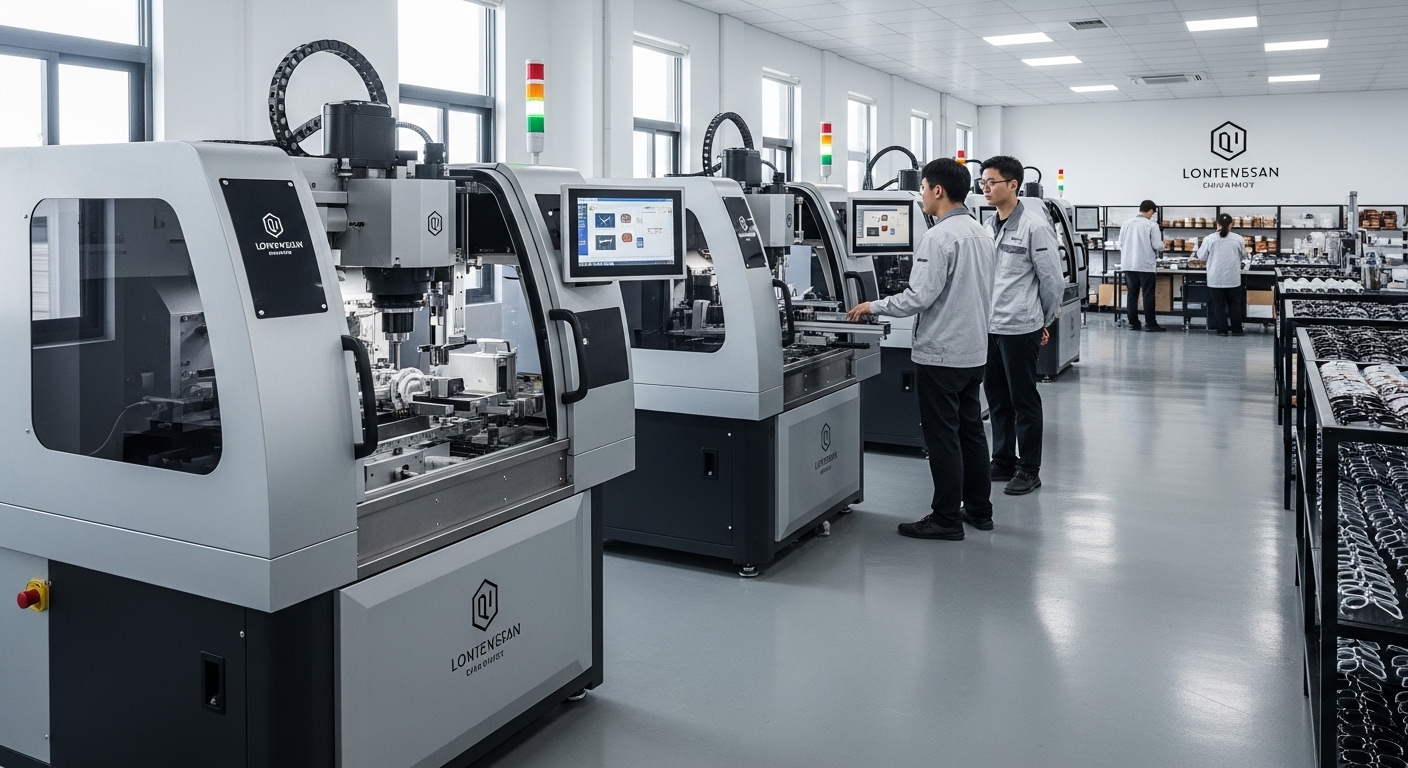
Launching a premium eyewear brand is exciting—but the journey from concept to shelf can be daunting. Between design development, material sourcing, prototyping, tooling, and mass production, timelines can stretch to 16–20 weeks or more when working with multiple vendors. In a market projected to reach nearly $200 billion by 2030, speed matters. The right OEM partner doesn’t just manufacture your frames—they accelerate your entire go‑to‑market timeline.
Here’s how to choose an OEM partner that helps you launch faster, without compromising on quality.
1. Understand the OEM vs. ODM Advantage
Before you start searching, know which manufacturing model fits your timeline.
OEM (Original Equipment Manufacturing) means you bring your own designs, drawings, or reference samples, and the manufacturer produces exactly to your specifications. This gives you complete control over frame structure, materials, and unique design elements—but it typically requires more development time for sampling, revisions, and approvals.
ODM (Original Design Manufacturing) means the manufacturer already has existing frame designs, molds, and material options. You select a style and customize logos, colors, lenses, and packaging. This path is significantly faster—ideal for startups, seasonal collections, or brands testing the market.
The takeaway: If speed is your priority and you’re open to working with proven silhouettes, ODM can get you to market in weeks rather than months. If your brand demands a truly original design, OEM offers deeper customization—just build in extra time for development.
2. Choose a One‑Stop Partner, Not Multiple Vendors
One of the biggest drains on launch timelines is managing multiple suppliers: one for frames, another for lenses, another for packaging, and yet another for assembly. Each vendor introduces its own lead times, communication channels, and quality standards.
A one‑stop OEM partner consolidates everything—design consultation, material sourcing, tooling, production, branding, and packaging—under a single accountable relationship. What traditionally requires 16–20 weeks across multiple vendors can often be accomplished in 10–12 weeks with an integrated partner.
What to look for in a one‑stop facility:
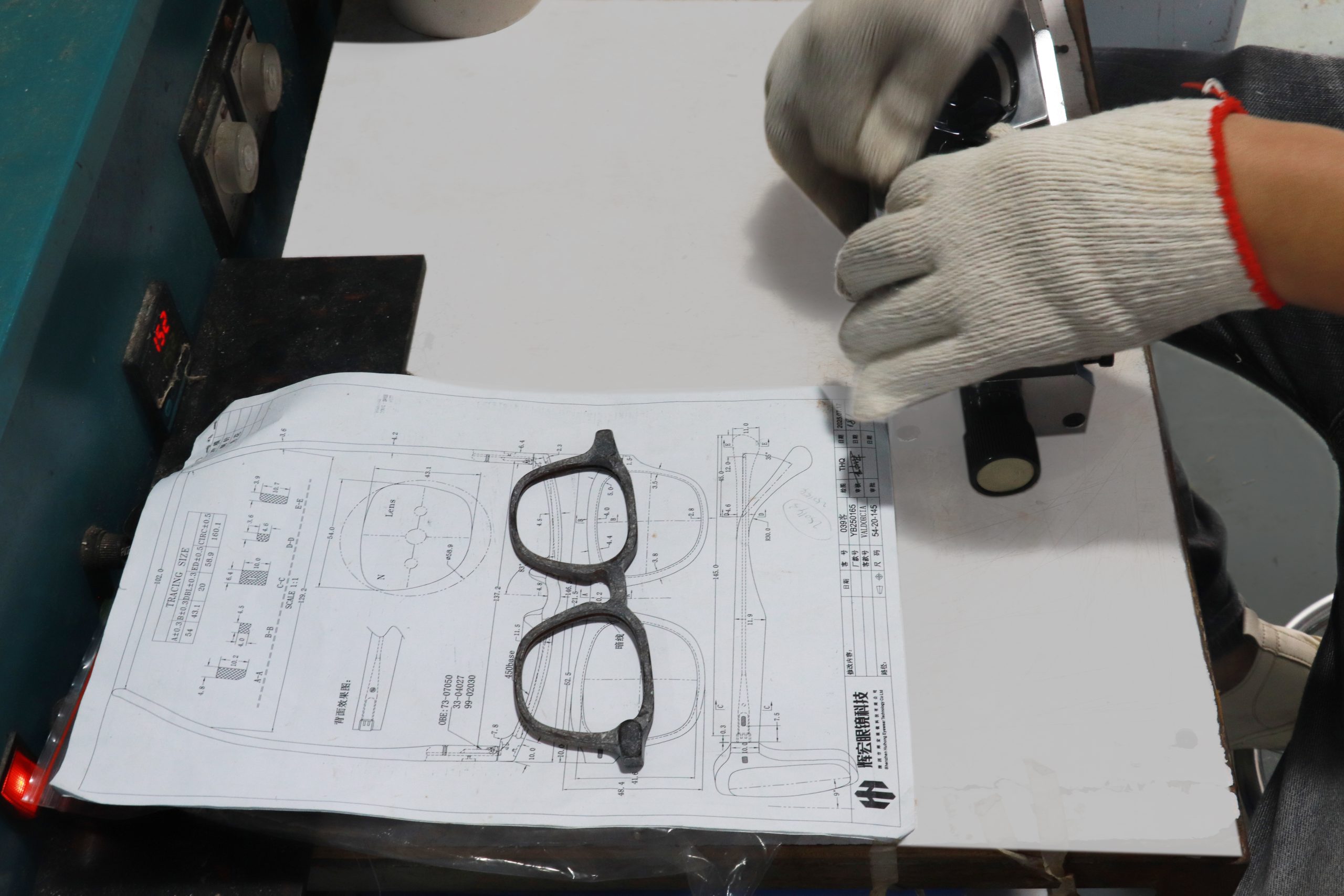
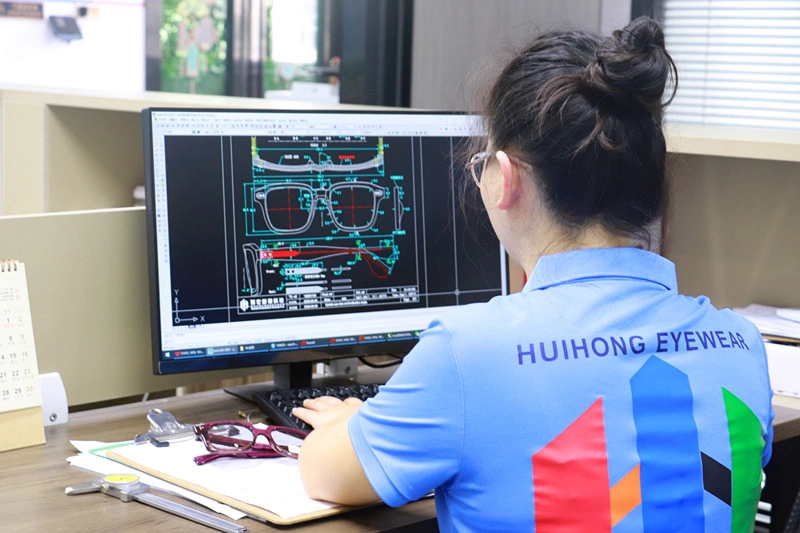
In‑house design and engineering teams (CAD/CAM capabilities)
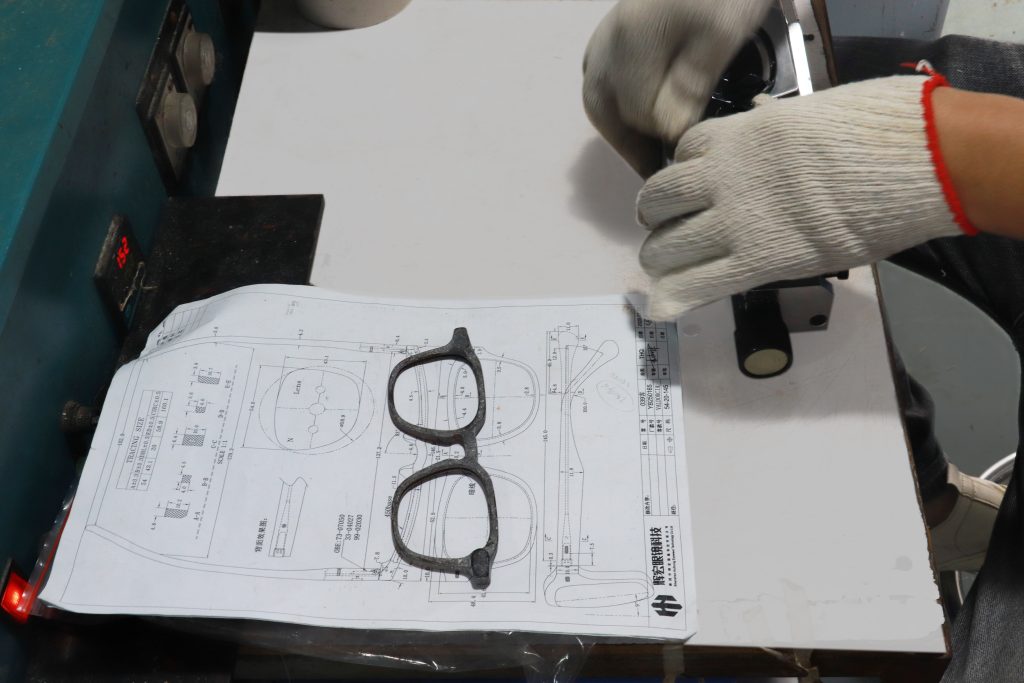
On‑site tooling and mold‑making equipment
Vertically integrated production from material to finished goods
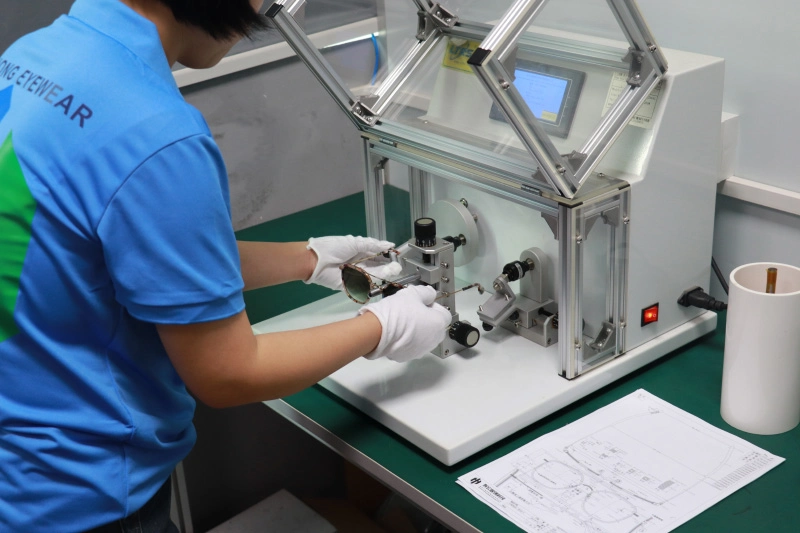
In‑house quality control and inspection
A vertically integrated facility eliminates the friction of coordinating between suppliers, reduces miscommunication, and ensures consistent quality from prototype to final shipment.
3. Evaluate Lead Times and Production Capacity Honestly
Not all manufacturers operate at the same speed. When evaluating potential OEM partners, ask specific questions about their production timeline.
A typical breakdown for a premium eyewear project looks like this:
Design & technical drawing: 1–2 weeks
Prototype development: 2–4 weeks (including revisions)
Tooling & mold making: 10–14 days
Mass production: 15–30 days (depending on complexity)
Sample adjustments: 3–5 business days
A transparent partner will give you realistic timelines and explain exactly where bottlenecks typically occur. Avoid manufacturers who promise impossibly fast delivery—rushed production often means compromised quality.
4. Verify Quality Systems and Certifications
Speed is meaningless if the final product fails quality standards. A reputable OEM partner should demonstrate:
ISO 9001 certification (quality management systems)
Compliance with regional regulations: CE marking for Europe, FDA registration for the U.S.
REACH and RoHS compliance for materials (especially important for EU‑bound shipments)
UV400 protection verification through documented lab reports
Third‑party inspection reports from agencies like SGS or TÜV
These certifications aren’t just paperwork—they indicate structured processes, traceable documentation, and consistent output. A manufacturer with robust quality systems catches issues early, preventing costly delays later.
5. Assess Material Sourcing and Supply Chain Reliability
Premium eyewear depends on premium materials—acetate, titanium, TR90, and specialized components. The best OEM partners maintain long‑term relationships with certified material suppliers, ensuring consistent access to quality inputs.
Red flags to watch for:
Vague answers about material origins
Inability to provide batch‑specific documentation
No transparency about alternative suppliers if primary sources are disrupted
A partner with a resilient supply chain keeps production on schedule even when raw material markets fluctuate.
6. Clarify MOQ Flexibility Early
Minimum Order Quantities (MOQs) can make or break your launch plans—especially if you’re a new brand testing the market.
Some manufacturers require 300–600 pieces per style for custom frames
Others offer flexible MOQs starting at 50–100 units for customization
For ODM collections, MOQs may be lower since existing tooling eliminates development costs
Choose a partner whose MOQ aligns with your budget and market entry strategy. Many manufacturers now support small‑batch production and split‑MOQ models, allowing you to test multiple styles without overcommitting inventory.
7. Prioritize Communication and Responsiveness
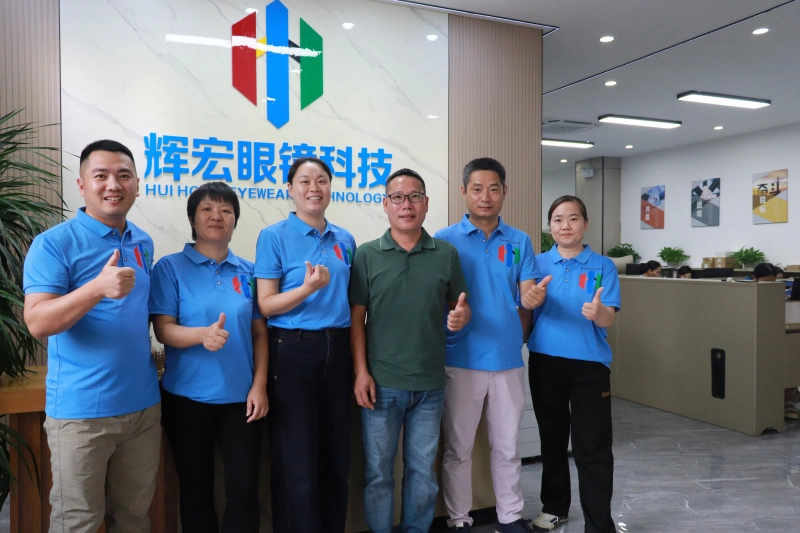
A common but overlooked factor: how quickly does the manufacturer respond to your inquiries? Platform‑verified metrics suggest that response times under 5 hours reflect operational agility and communication efficiency. A partner who is slow to reply during the negotiation phase is unlikely to become more responsive during production.
Before committing:
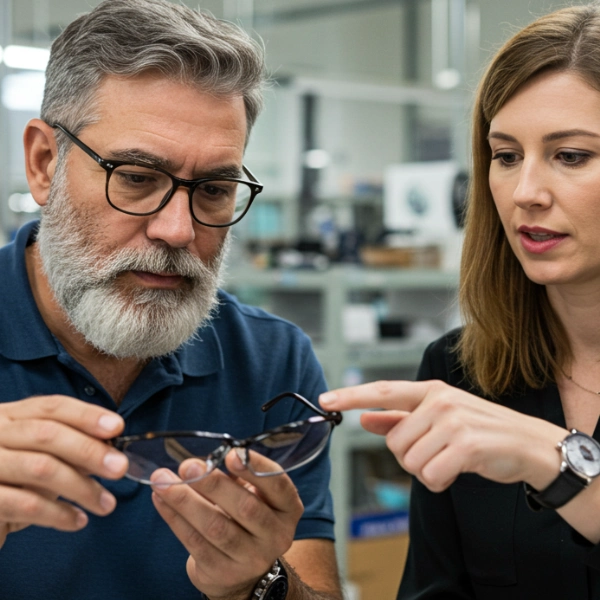
Request samples and evaluate quality firsthand
Ask for references from other premium brands they’ve worked with
Clarify the point of contact and escalation process for issues
Clear, responsive communication prevents misunderstandings that derail timelines.
Common Mistakes That Slow Down Launches
Avoid these pitfalls when selecting your OEM partner:
Choosing based on price alone – Low cost often means compromised materials, slower service, or hidden fees.
Ignoring MOQ requirements – You may be locked into quantities you can’t sell.
Skipping sample approval – Rushing to production without thorough sampling leads to costly revisions.
No quality control or certifications – You discover quality issues only after receiving bulk shipments.
Poor communication – Misunderstandings about specs cause rework and delays.
Final Thoughts
Launching a premium eyewear line faster doesn’t mean cutting corners—it means choosing the right OEM partner who brings integrated capabilities, transparent timelines, rigorous quality systems, and real manufacturing expertise to the table.
Whether you go the ODM route for speed or the OEM route for full design control, the right partner transforms your vision into a market‑ready product while you focus on what matters most: building your brand.
Take the time to evaluate potential partners thoroughly. The upfront investment in due diligence pays off in faster launches, higher quality, and a stronger brand reputation from day one.