Introduction: Why Metal Eyewear Is Making a Strong Comeback
If you have searched for a “wholesale metal glasses frames supplier” recently, you have likely noticed something: metal frames are everywhere again. After years of oversized acetate dominating the market, lighter, sharper, and more refined metal designs have emerged as a compelling counterpoint. Industry observers have noted a stronger emphasis on metal, particularly at the premium end, where brands are incorporating handcrafted details that feel both artisanal and modern. The global eyewear frames market is valued at over USD 32 billion in 2025 and is projected to grow at a CAGR of 7.1%—and metal frames are capturing an increasing share of that growth.
For retail buyers, optical chain owners, and emerging brands, this presents a significant opportunity. But sourcing metal eyewear frames at wholesale quantities is not simply about finding the lowest price. It is about finding a manufacturer that understands your margins, your inventory turnover, and your customers’ expectations. This guide cuts through the noise and gives you a practical framework for evaluating and partnering with the right supplier.
The Supplier Landscape: What Most Buyers Get Wrong
On major B2B platforms, thousands of suppliers all promise the same things: competitive pricing, fast production, and global shipping. The product images often come from identical catalogs. The descriptions are interchangeable.
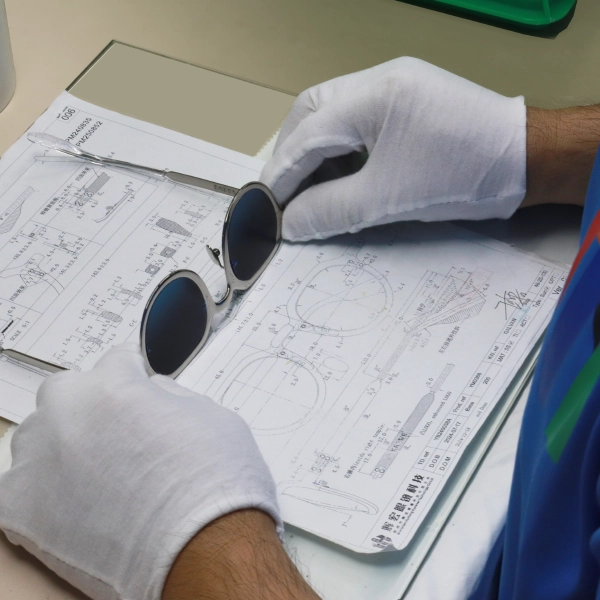
But what you cannot see in a listing matters far more: the grade of metal actually used, the internal hinge construction, the thickness consistency of the plating, and the robustness of the quality control system. These invisible differences define the actual product that arrives at your warehouse—and determine whether your customers return the frames or return to your store.
A reliable wholesale glasses frames supplier should be able to provide documentation for materials, specify the exact grade of titanium or stainless steel used, explain plating specifications including thickness tolerances and alloy composition, and share test reports for any materials requiring compliance documentation. If your potential partner cannot give clear, direct answers to these questions, you are absorbing their operational risk.
How to Evaluate a Metal Glasses Frames Manufacturer
1. Certifications and Compliance
Before discussing MOQs or pricing, verify the supplier’s credentials. Key certifications to look for include:
ISO 9001 – Quality management systems
CE marking – European safety compliance
FDA registration – U.S. market access
BSCI audits – Ethical labor practices
ISO 12870 – International standard for ophthalmic frames, covering durability, dimensional accuracy, and labeling
These credentials ensure adherence to international benchmarks for durability, hypoallergenic coatings, and optical accuracy. A manufacturer that invests in certifications is a manufacturer that takes quality seriously.
2. Production Capability and Scalability
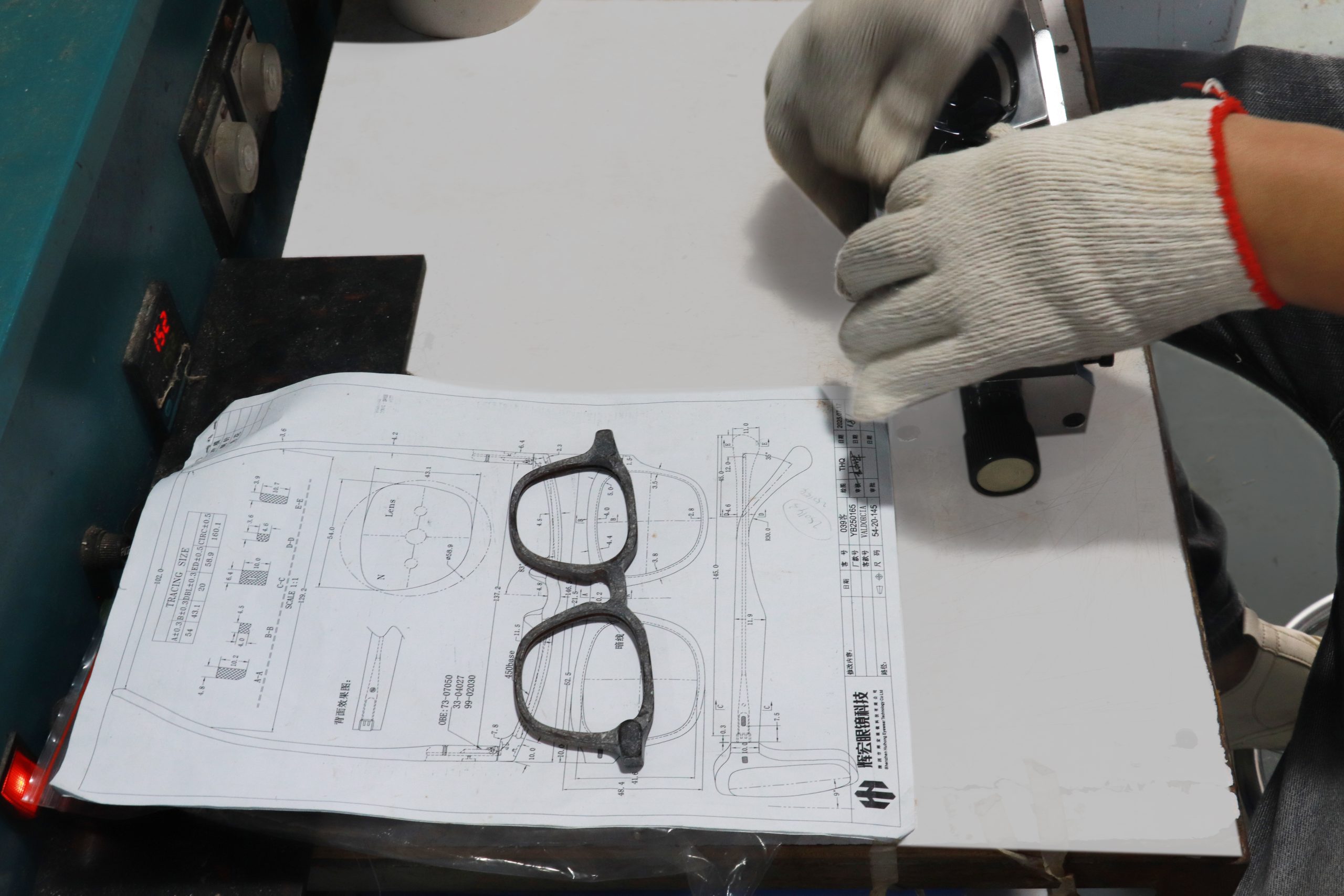
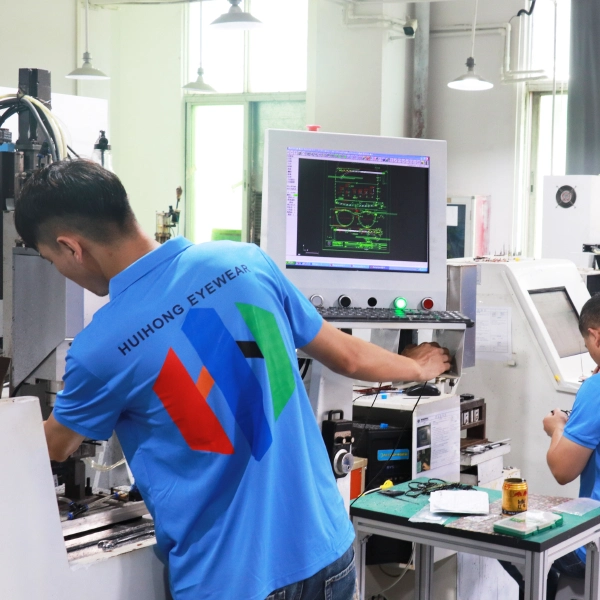
Assess the manufacturer’s physical capacity, workforce size, and equipment sophistication. Facilities exceeding 3,000–4,000 m² with 50+ employees typically offer better scalability and process stability. Look for investments in:
CNC machining for precision metal frame production
Laser welding for durable metal joints
Advanced plating technologies for consistent finish quality
Manufacturers with vertically integrated supply chains—covering alloy sourcing, electroplating, hinge assembly, and finishing—can reduce lead times and support cost-effective customization.
3. On-Time Delivery and Communication
Top-performing suppliers maintain on-time delivery rates above 95%, with the best exceeding 98%. Response time is another critical indicator: leading suppliers respond within 1–6 hours, enabling agile collaboration across time zones.
But communication goes beyond language fluency. A supplier who only speaks in MOQs and price breaks understands manufacturing. A supplier who also asks about your retail timing, your sales channels, and your reorder velocity understands partnership.
Key Material Choices: Titanium vs. Stainless Steel
One of the most important decisions when sourcing metal frames is material selection. Two options dominate the wholesale market:
Titanium is the premium choice. It is remarkably lightweight—often described as feeling like it “disappears” on the face—while being as strong as steel. Titanium is also hypoallergenic and corrosion-resistant, making it ideal for customers with sensitive skin. The global titanium metal glasses frames market was estimated at USD 3.49 billion in 2025 and continues to grow.
Stainless steel offers a compelling alternative. It is lightweight and strong, though not quite as light as titanium, and typically comes at a lower price point. Stainless steel supports modern, minimal styling and is considered a durable option among common metal frame materials.
Premium metal frames often utilize lightweight and hypoallergenic materials such as titanium, beta-titanium, and high-grade stainless steel. Understanding these distinctions helps you position your product offering appropriately—whether you are targeting the premium segment with titanium or the value-conscious market with stainless steel.
OEM vs. ODM: Understanding Your Options
If you are developing a private label or custom eyewear line, you will encounter two manufacturing models:
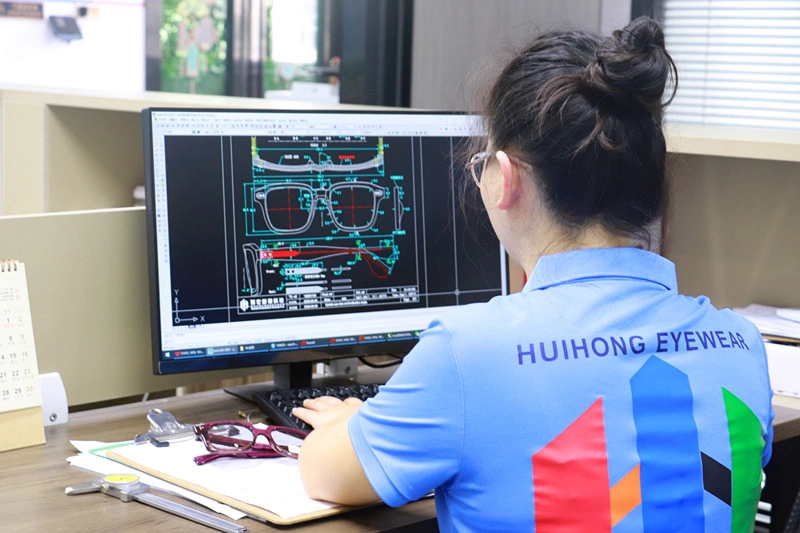
OEM (Original Equipment Manufacturing): You provide complete designs, technical specifications, and branding guidelines; the manufacturer produces exactly to your blueprints under your brand name. This is ideal when you have a distinct design vision and want full control over the final product.
ODM (Original Design Manufacturing): The manufacturer offers existing designs or collaborates on new designs, handling the development process from concept to production-ready samples. This can accelerate time-to-market and reduce upfront design costs.
A professional OEM/ODM eyewear manufacturer should support custom glasses development from concept to shipment—whether you choose ready-made frames for faster wholesale orders or develop custom styles with unique colors, logos, packaging, and fit adjustments.
The Sample-to-Bulk Consistency Challenge
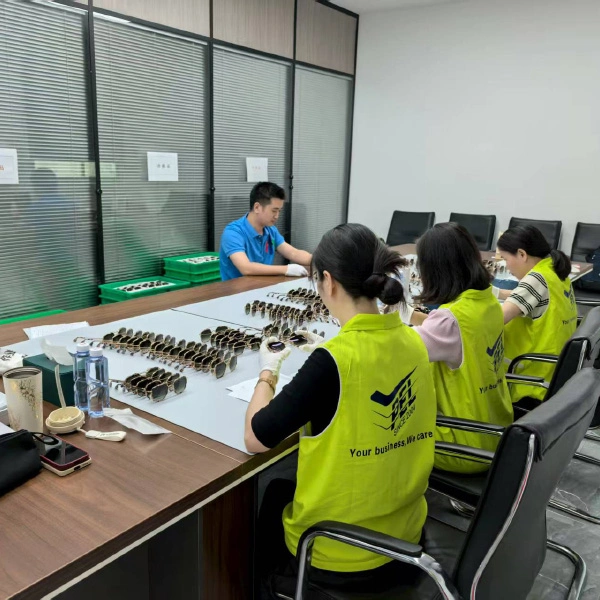
One of the most common and costly mistakes in wholesale eyewear sourcing is assuming the sample you approved will match the bulk shipment you receive. A polished sample reflects what a supplier is capable of producing when attention and care are applied. Bulk production runs under different pressures: time, cost, and margin optimization.
Always request physical samples before bulk ordering—especially for hinges, nose pads, and lens compatibility. Evaluate:
Hinge durability and smoothness
Surface finish uniformity and color accuracy
Frame weight and balance
Plating consistency and thickness
A supplier willing to provide samples demonstrates confidence in their product and openness to long-term partnerships.
Quality Control: What to Look For
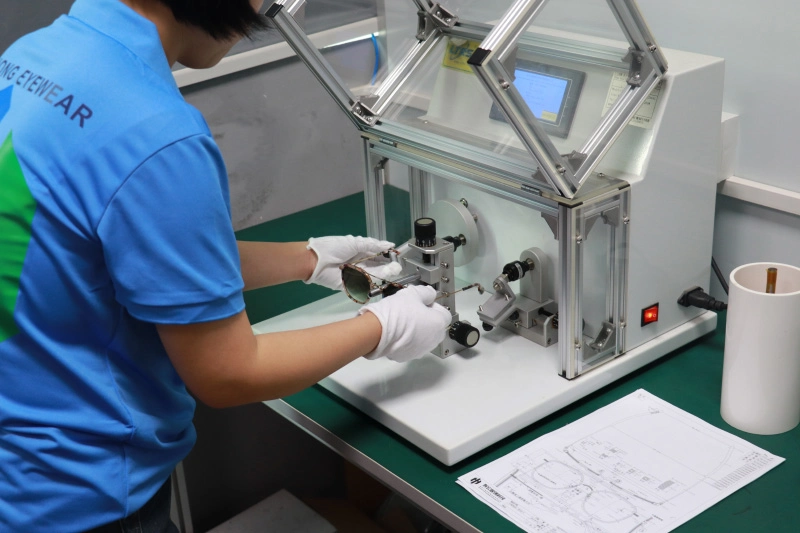
A robust quality control system is non-negotiable. Verify whether the supplier conducts third-party lab testing for:
Nickel-free or low-nickel plating – critical for skin-sensitive markets
Hinge fatigue resistance – minimum 5,000 open/close cycles
Lens retention under stress – impact and drop tests
Anti-sweat corrosion resistance – especially important for metal frames
Standards such as ISO 12870, ANSI Z80.3, and EN 16128 specify requirements for impact resistance, chemical resistance, and dimensional accuracy. A manufacturer that can document compliance with these standards is a manufacturer you can trust.

Minimum Order Quantities: What to Expect
MOQs vary significantly across suppliers. For stock wholesale, some suppliers offer MOQs starting from as low as 12 pieces per color. For custom optical frames, typical MOQs range from 300 to 600 pieces per model with 2–3 colors, depending on the style and decoration plan. Sampling—for validation purposes—can be as low as 2 pieces.
When evaluating a supplier, understand their MOQ structure and whether it aligns with your business scale and growth trajectory.
Final Checklist: Before You Commit
Before signing a contract with any wholesale metal glasses frames supplier, run through this checklist:
Request physical samples and test them thoroughly
Verify certifications – ISO 9001, CE, FDA, ISO 12870
Assess production capacity – facility size, equipment, workforce
Check delivery performance – on-time delivery rate and response time
Review material specifications – titanium grade, stainless steel quality, plating details
Confirm OEM/ODM capabilities – design collaboration, branding, customization
Understand the MOQ – and whether it fits your business model
Ask about quality control protocols – third-party testing, hinge fatigue, corrosion resistance
Conclusion: Building a Partnership, Not Just a Transaction
Choose a manufacturer that asks the right questions. Choose one that can document its materials, its processes, and its compliance. And most importantly, choose one that treats your brand’s success as its own.