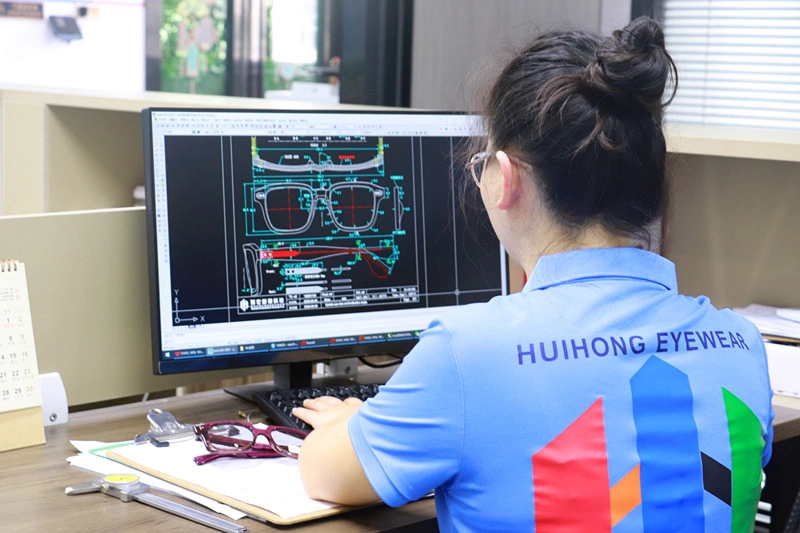
Metal eyewear is experiencing a remarkable resurgence. After years of oversized acetate dominance, the industry is shifting toward lighter constructions, sharper geometry, and refined metal frames that emphasize balance, proportion, and careful finishing. For brands looking to develop their own distinctive collections, bespoke metal eyewear offers unparalleled opportunities for differentiation, quality, and timeless appeal. This guide explores everything you need to know about custom metal frame development—from material selection and manufacturing processes to OEM/ODM partnerships and quality standards.
Why Bespoke Metal Eyewear?
Custom metal frames deliver advantages that off-the-shelf products simply cannot match. Metal frames are highly adjustable, allowing opticians to custom-fit frames to individual face shapes and sizes. With proper care, they can last for many years, making them a durable investment. For brands, bespoke development means complete creative control—every curve, finish, and detail can be tailored to your exact specifications.
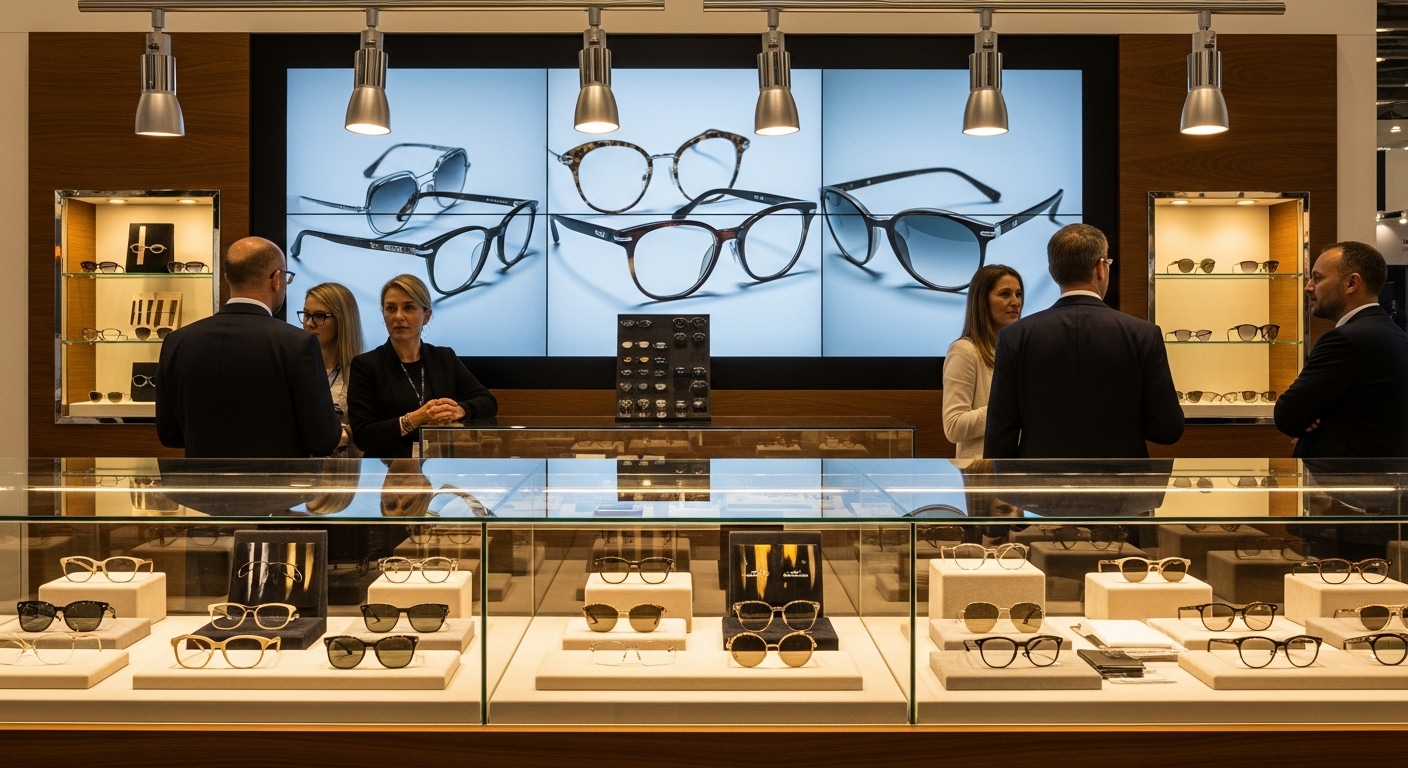
The market is responding. Metal frames are once again setting the direction for eyewear, offering a clean, considered counterpoint to oversized styles. Designers are updating familiar shapes with subtle variations—hexagonal lenses, perfectly round frames, and slim rectangular silhouettes that tap into modern minimalism.
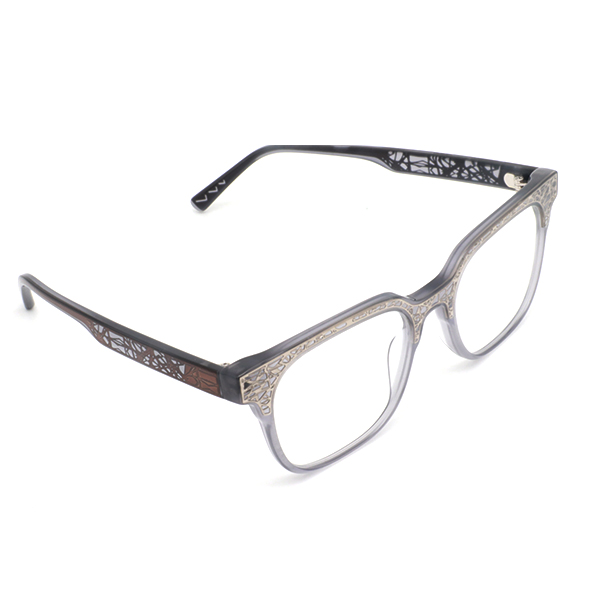
Choosing the Right Metal for Your Frames
Material selection is the foundation of any bespoke metal eyewear project. Each metal offers distinct properties that affect comfort, durability, and aesthetics.
Titanium stands as the premium choice. Extremely resilient and corrosion-resistant, titanium is hypoallergenic and weighs approximately 40% lighter than other metals. It offers high tensile strength and flexibility, outperforming most metals in bending and drop resistance. Beta titanium—an alloy mixed with aluminum and vanadium—provides even greater flexibility, making fit adjustments easier.
Stainless steel allows for incredibly thin, featherlight frames without sacrificing strength. Its natural flexibility ensures frames adapt to facial contours while maintaining shape over time. Available in both matte and polished finishes, stainless steel is strong, flexible, corrosion-resistant, and lightweight—offering an excellent balance of quality and affordability.
Beryllium offers corrosion-resistance at a lower cost than titanium. It’s six times stronger than steel and more than 30% lighter than aluminum, making it ideal for wearers with high skin acidity or those who spend time around salt water. It doesn’t tarnish and comes in a range of colors.
Memory metal—a titanium-nickel alloy—is exceptionally bendable and returns to its original shape even after twisting and turning. This makes it an excellent choice for active wearers or children’s eyewear.
The Manufacturing Process: From Design to Finished Frame
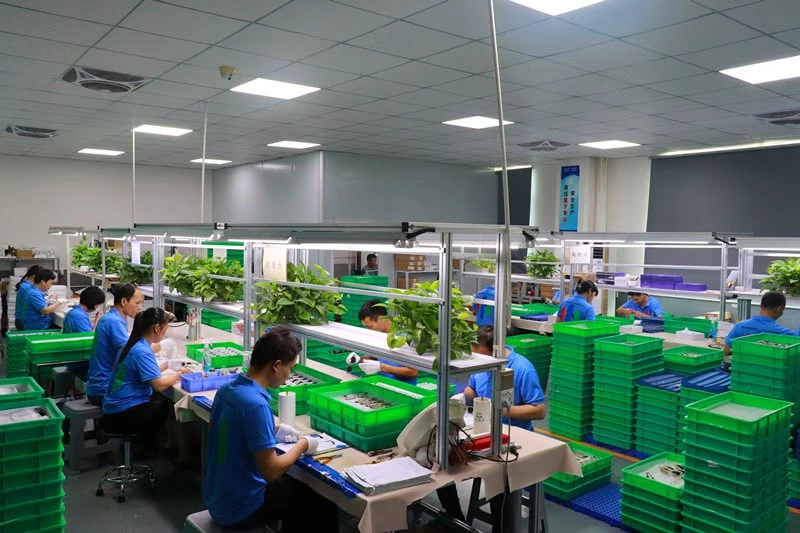
Creating bespoke metal eyewear involves a multi-stage process that combines precision engineering with skilled craftsmanship. A handcrafted metal frame typically takes about four hours to produce, encompassing cutting, forming, polishing, soldering, galvanizing, and finishing—often performed by hand.
Design and Technical Development. The journey begins with design specifications—whether sketches, CAD drawings, physical samples, or reference photos. Manufacturers review structure, feasibility, and development direction before discussing materials, lens requirements, logo details, and packaging. For full custom development involving new frame shapes, special structures, or custom metal parts, new molds are typically required.
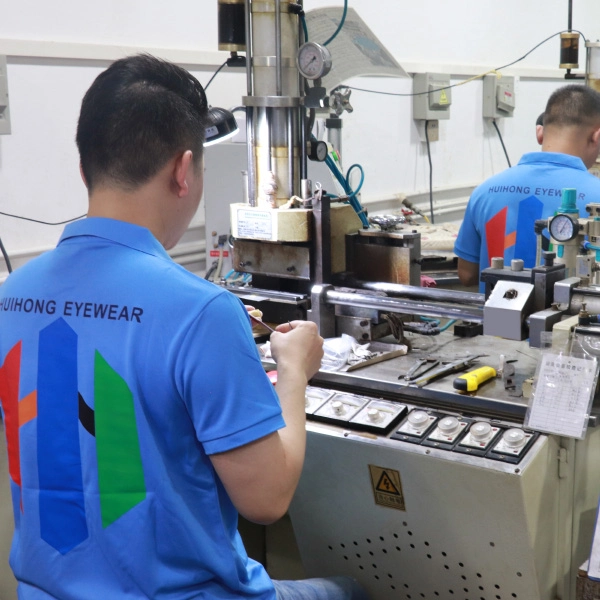
Precision Manufacturing. Metal frames are produced through several techniques. Laser cutting precisely shapes metal sheets according to design drawings. CNC machining delivers precision shaping with tolerances as tight as ±0.1mm. Components are then formed, bent, and assembled through processes including brazing and laser welding.
Surface Treatment and Finishing. This stage defines both durability and aesthetics. Physical Vapour Deposition (PVD) coats frame pieces with a thin layer of precious metal alloy in a vacuum chamber. Nickel-free IP vacuum plating ensures hypoallergenic properties—critical because surface treatment is what actually touches the skin. Frames undergo ultrasonic cleaning, coloring, and protective coating applications. Quality testing includes 24-48 hour sweat tests, cross-cut adhesion tests, and bend tests to ensure no cracking.
OEM vs. ODM: Understanding Your Manufacturing Options
When developing bespoke metal eyewear, brands typically choose between two manufacturing models.
OEM (Original Equipment Manufacturing) means you provide complete designs, technical specifications, and branding guidelines. The manufacturer produces exactly to your blueprints under your brand name. This model gives you full creative control and design exclusivity—ideal for brands with in-house design teams.
ODM (Original Design Manufacturing) involves manufacturers providing pre-designed frame styles or developing designs based on your creative direction. You then customize with your logo, colors, and packaging. ODM accelerates time-to-market and reduces R&D costs while still allowing brand customization.
Some projects require deeper review before quotation—typically those involving complex structures, very low quantities, unusual materials, custom metal parts, or new frame shapes. Clear project specifications—including target style, quantity, material direction, lens requirements, and logo method—make development faster and more efficient.
Quality Standards and Compliance
Reputable manufacturers follow rigorous quality standards. ISO 12870 specifies fundamental requirements and test methods for spectacle frames. ISO/TS 24348 addresses nickel release testing from metal frames. EN 16128 provides the reference method for testing spectacle frame parts that come into direct and prolonged contact with skin.
Quality control extends throughout production—from raw material inspection to frame fitting, lens installation, and final pre-shipping inspection. Consistent quality is the foundation of any eyewear brand.
Current Trends in Bespoke Metal Eyewear
The market is moving toward lighter constructions and sharper geometry. Softened geometric shapes better complement the face, while high-end metals like titanium, ultra-light stainless steel, and polished rose gold are increasingly popular. Angular metal frames with calming tones like matte black and dark olive green are rising in prominence. Two-tone plating commands a premium of 15–25% over single-color equivalents while adding only modest production cost.
Building Your Bespoke Metal Eyewear Collection
Developing a successful bespoke metal eyewear collection requires partnering with a manufacturer that understands your customization needs. Look for demonstrated experience with your chosen materials, examples of past custom projects, and the ability to handle your required order volumes. Define clear lead times and milestones from the outset—sample development, mass production timelines, quality control checkpoints, and final inspection.
With the right manufacturing partner, bespoke metal eyewear offers brands the opportunity to create distinctive, high-quality collections that stand out in an increasingly competitive market. The combination of premium materials, precision craftsmanship, and thoughtful design delivers eyewear that is not only beautiful but comfortable to wear and built to last.