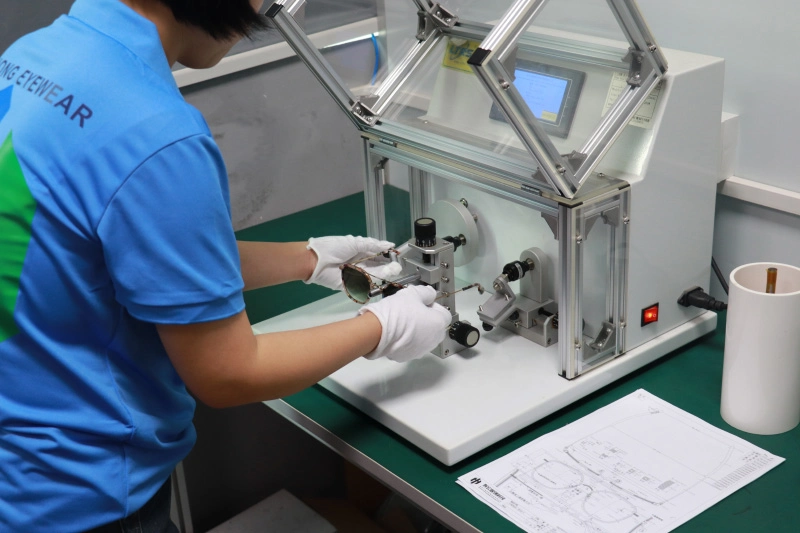
Introduction: A Transformative Era for Eyewear Manufacturing
The global eyewear industry stands at an inflection point. As consumer expectations evolve and regulatory pressures mount, traditional supply chain models are giving way to a new paradigm defined by three interconnected forces: automation, intelligence, and green manufacturing. For premium eyewear brands navigating today’s competitive landscape, understanding and embracing these trends is no longer optional—it is the foundation of long-term resilience and market leadership.
From Shenzhen’s dynamic optical manufacturing hub to the design studios of Europe and Japan, forward-thinking manufacturers are reengineering every link in the production chain. At Shenzhen Huihong Eyewear Technology Co., Ltd., we have witnessed firsthand how these three pillars are reshaping high-end acetate, titanium, and metal frame production—delivering superior precision, faster turnaround, and responsible manufacturing that aligns with the values of our global client partners.
This article explores each trend in depth, examines real-world industry advancements, and outlines what premium eyewear brands should demand from their manufacturing partners to thrive in 2025 and beyond.
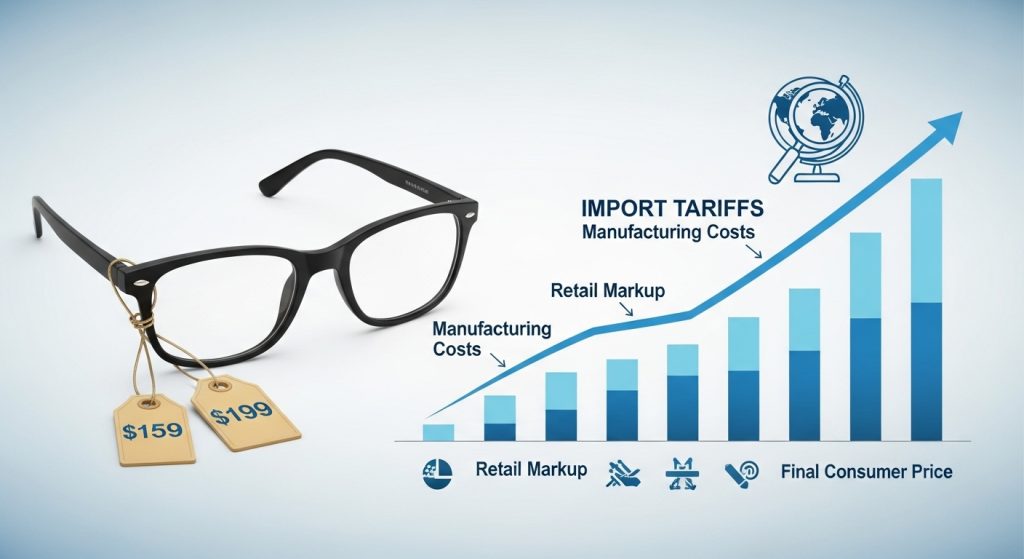
1. Automation: Precision Engineering at Scale
Why Automation Is Reshaping Eyewear Production
Eyewear manufacturing is inherently intricate. A single frame can require over 100 individual production steps, and even minute deviations in optical alignment or finishing can compromise quality. Traditional manual workflows, while craft-driven, face inherent limitations in consistency, throughput, and cost efficiency—especially for low-volume, high-mix custom orders that define the premium segment.
Modern automation solves these challenges by standardizing precision across every production stage:
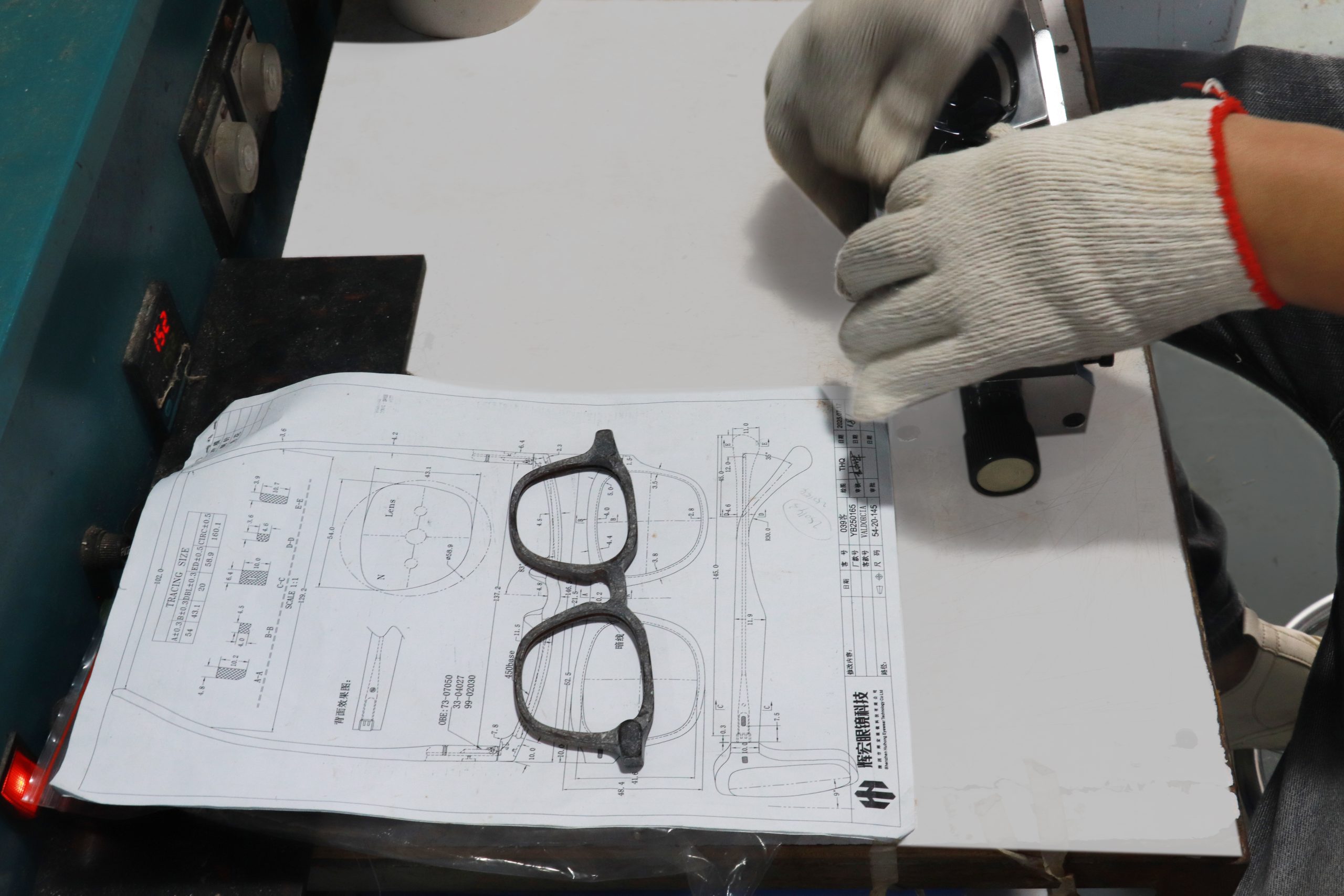
CNC-controlled cutting and milling deliver dimensional accuracy within 0.2mm tolerances, far exceeding traditional manual benchmarks
Robotic material handling reduces human error in delicate processes such as polishing, tumbling, and assembly
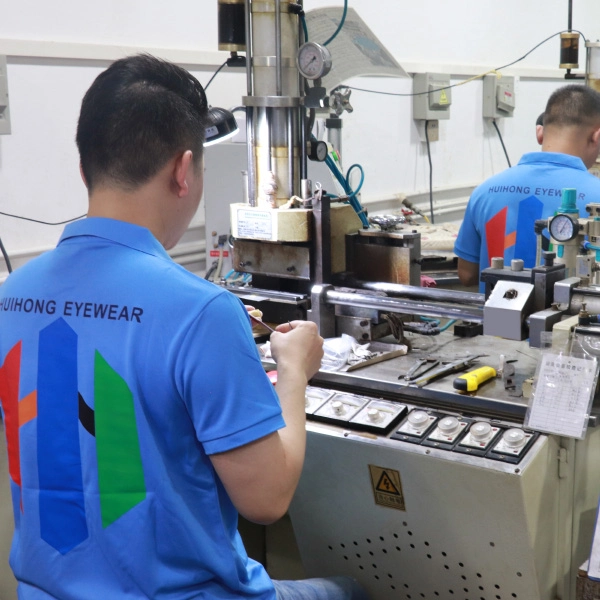
Automated injection molding stations enable one operator to manage 5–6 machines simultaneously, boosting labor productivity by 300%+
Integrated production lines compress lead times by 40% or more compared to conventional batch manufacturing
The Rise of Flexible Automation
Crucially, today’s automation is not the rigid, high-volume-only system of the past. Advanced manufacturing lines now support flexible automation—the ability to switch seamlessly between multiple frame styles, materials, and specifications without lengthy retooling. This is transformative for premium eyewear brands that rely on small-batch, high-variety collections.
For brands specializing in acetate, titanium, and metal frames, flexible automation means:
Rapid prototyping iterations from concept to physical sample
Cost-effective low MOQ production runs that preserve design exclusivity
Consistent quality across repeat orders, regardless of batch size
Shorter time-to-market for seasonal collections and limited editions
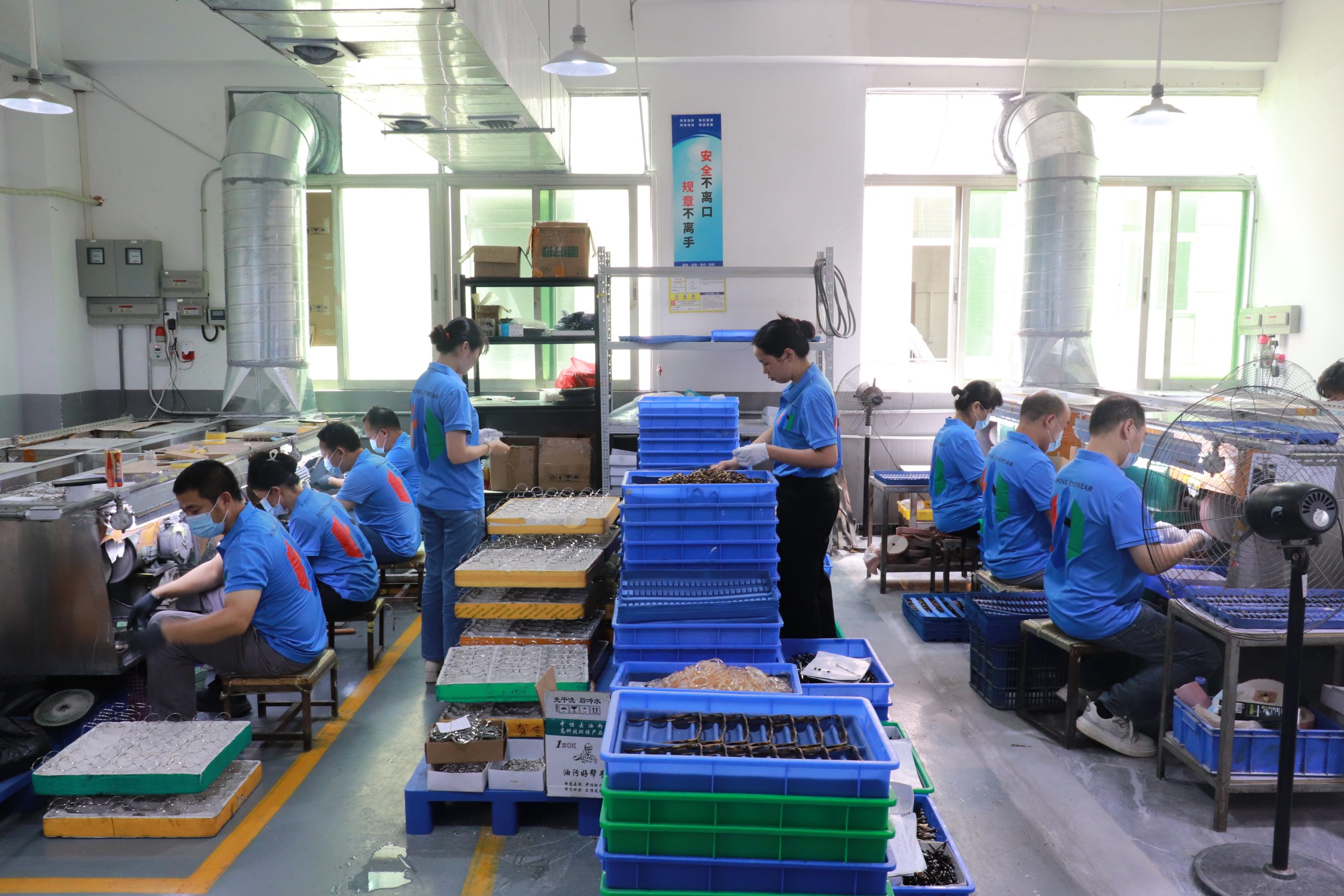
At Huihong Eyewear, we have invested heavily in automated precision equipment tailored to high-end frame manufacturing, enabling us to deliver custom, low-volume production with the speed and consistency once reserved for mass-market lines.
2. Intelligence: Data-Driven Manufacturing Excellence
AI and Machine Vision: The Digital Quality Inspector
If automation handles the “doing,” intelligence handles the “seeing, deciding, and optimizing.” The second major shift transforming eyewear supply chains is the integration of AI-powered quality control and data-driven production management.
Machine vision systems, trained on millions of frame images, now perform quality inspections that surpass human capabilities in both speed and consistency:
Surface defect detection identifies micro-scratches, material inconsistencies, and finishing imperfections invisible to the naked eye
Dimensional verification confirms optical center distance (OCD), hinge alignment, and frame geometry with sub-millimeter precision
Real-time process monitoring analyzes production data to predict equipment maintenance needs before downtime occurs
Yield optimization algorithms identify root causes of defects and recommend process adjustments automatically
Leading optical manufacturers report that AI-driven quality systems have raised production yields to 99%+ while reducing inspection labor costs by up to 70%.
Smart Supply Chain Orchestration
Beyond the factory floor, intelligence is transforming end-to-end supply chain visibility. Modern manufacturing partners deploy integrated digital platforms that connect:
Real-time production dashboards showing order status, material consumption, and quality metrics
Predictive inventory management that anticipates material requirements based on order pipelines
Digital traceability from raw material batch to finished product, supporting compliance and quality accountability
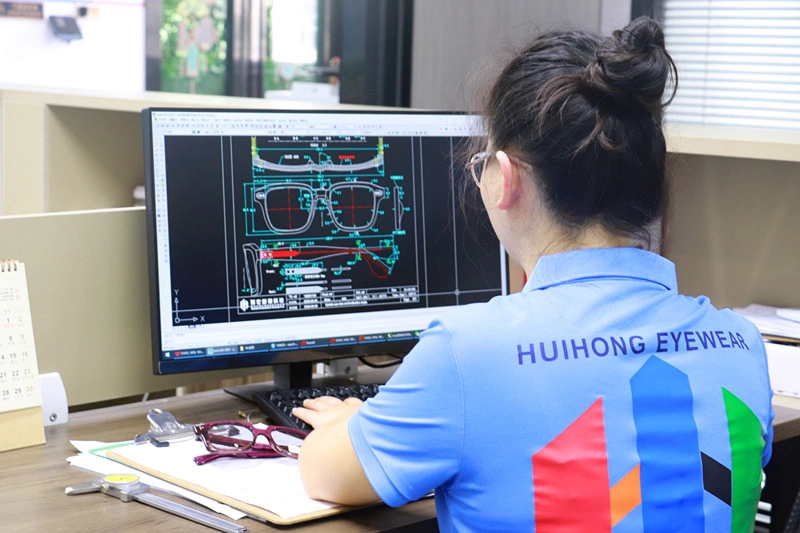
Collaborative design portals that streamline communication between brand teams and manufacturing engineers
For brands operating across Japan, Korea, Europe, and North America, this level of transparency turns a distant supply chain into an extension of their own operations—enabling faster decisions, fewer surprises, and stronger partnership trust.
3. Green Manufacturing: Sustainability as a Competitive Imperative
The Regulatory and Consumer Push for Eco-Responsible Eyewear
Sustainability has moved from corporate social responsibility checkbox to core business driver in the eyewear industry. Two forces are accelerating this transition:
Regulatory pressure: The EU’s Packaging and Packaging Waste Regulation (PPWR), REACH restrictions, and global carbon reporting requirements are raising the compliance bar. Brands that fail to source from environmentally certified manufacturers face market access barriers and reputational risk.
Consumer demand: Studies consistently show that 70%+ of premium eyewear buyers are willing to pay a 10–15% price premium for products with verified sustainable credentials. Environmental transparency is now a purchase driver, not just a brand story.
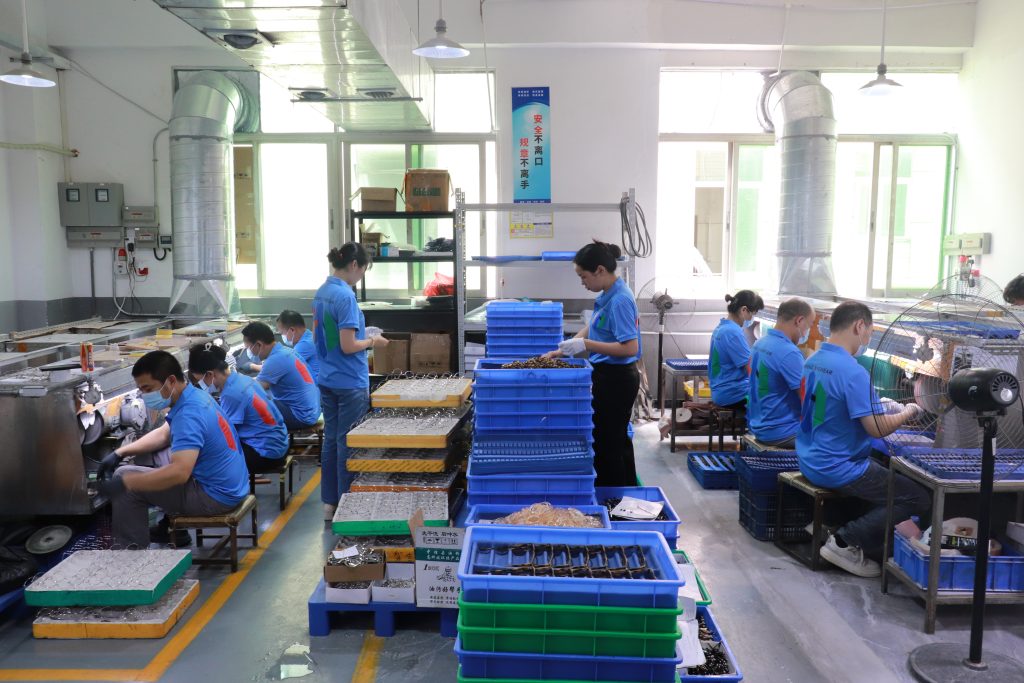
Three Pillars of Green Eyewear Supply Chains
Material Innovation
The most visible green transformation is in raw materials:
Bio-based acetate derived from FSC-certified wood pulp and renewable sources reduces carbon footprint by up to 50% compared to fossil-fuel-based alternatives
Recycled titanium and metal alloys close the material loop while maintaining structural performance
Water-based dyes and solvent-free coatings eliminate hazardous VOC emissions from the production process
Leading material innovators like Eastman and Mazzucchelli are advancing molecular recycling technologies that can process post-industrial and post-consumer acetate waste back into high-quality raw material—creating true circularity.
Energy and Process Optimization
Green manufacturing goes beyond materials. Forward-thinking factories are:
Installing solar power systems to reduce grid energy consumption by 20%+
Implementing water recycling systems for polishing and surface treatment processes
Optimizing production layouts and equipment scheduling to minimize energy waste per unit
Adopting ISCC, GRS, and other third-party sustainability certifications for full-chain traceability
Circular Economy Design
The most advanced green supply chains design for circularity from the outset:
Frames engineered for easy disassembly and material separation at end-of-life
Take-back and recycling programs that recover used frames for reprocessing
Reduced, recyclable packaging that meets EU PPWR requirements while protecting premium products in transit
At Huihong Eyewear, we work closely with material suppliers and brand partners to source certified sustainable materials and implement cleaner production processes—helping our clients meet their ESG targets without compromising on craftsmanship or quality.
The Convergence: How All Three Trends Work Together
The true power of these trends emerges when automation, intelligence, and green manufacturing intersect. They are not separate initiatives—they reinforce each other:
Automation + Intelligence = Predictive efficiency. Smart automation adjusts production parameters in real time, minimizing material waste and energy consumption while maximizing output. This is inherently green.
Intelligence + Green = Data-driven sustainability. AI analytics identify exactly where carbon emissions and waste occur in the supply chain, enabling targeted reduction strategies rather than generic greenwashing.
Green + Automation = Scalable sustainability. Automated processes ensure that eco-friendly production methods—often more exacting than conventional methods—can be executed consistently at commercial scale.
For premium eyewear brands, this convergence means sustainable manufacturing no longer requires trade-offs on quality, speed, or cost. The best manufacturing partners deliver all three simultaneously.
What This Means for Premium Eyewear Brands
Evaluating Your Manufacturing Partner
As you assess your supply chain strategy, consider whether your manufacturing partner demonstrates genuine capability across all three dimensions:

The Huihong Eyewear Advantage
At Shenzhen Huihong Eyewear Technology Co., Ltd., we have built our manufacturing philosophy around these three pillars. As a specialized high-end eyewear manufacturer dedicated to design, development, and OEM/ODM production, we partner with independent brands, designer labels, and premium retailers worldwide to bring unique eyewear visions to life.
Our expertise in acetate, titanium, and metal frames, combined with strong low-volume, high-quality custom production capabilities, positions us uniquely at this intersection of trends. From concept prototyping to bulk delivery, we support brands through every step of the journey—with flexibility, speed, and precision. Our clients across Japan, Korea, Europe, and North America return to us not just for quality, but for trust and shared value.
As the industry continues its transformation, we remain committed to investing in advanced automation, intelligent systems, and sustainable practices—ensuring that our brand partners are always ahead of the curve.
Conclusion: Building the Supply Chain of Tomorrow, Today
The eyewear supply chain of the future is already taking shape. It is automated for precision and speed, intelligent for quality and visibility, and green for responsibility and resilience. Brands that align with manufacturing partners who master all three dimensions will gain clear competitive advantage—delivering better products faster, with full transparency, and with a lighter environmental footprint.
The transition requires investment, expertise, and a long-term commitment to excellence. But for premium eyewear brands serving discerning global consumers, the question is not whether to embrace these trends—it is how quickly and how thoroughly.
Ready to elevate your eyewear production with an automated, intelligent, and sustainable manufacturing partner? Explore how Huihong Eyewear’s OEM/ODM capabilities can support your brand’s next collection. Contact our team to discuss your project requirements.