As sustainability moves from a niche trend to a core business requirement in the global eyewear industry, material selection has become the single most impactful decision brands can make to reduce their environmental footprint. Cellulose acetate has long been the gold standard for premium frames, prized for its rich color depth, superior workability and timeless aesthetic. But not all acetate is created equal.
Today, a growing number of forward-thinking brands are replacing conventional acetate with bio-based acetate as a cornerstone of their carbon reduction strategies. This guide breaks down the CO₂ footprint differences between bio acetate and traditional acetate across the full product lifecycle, and explains what the shift means for eyewear brands, manufacturers and end consumers.
Understanding Traditional Cellulose Acetate
Traditional cellulose acetate is a thermoplastic material derived from cellulose pulp — typically sourced from softwood trees or cotton linters. While its base feedstock is plant-based, the conversion process is chemically intensive and energy-heavy.
Production process & emission hotspots
To produce standard acetate flakes and sheets, raw cellulose undergoes esterification with acetic anhydride in the presence of catalysts and solvents. The process requires high-temperature steam, large volumes of water and significant electrical and thermal energy input. It also generates volatile organic compound (VOC) emissions and chemical byproducts that require treatment before disposal.
Because most conventional acetate production relies on fossil-fuel-derived energy and industrial-grade chemical inputs, even though the raw material is biological, the overall manufacturing carbon footprint remains substantial. The material is also often blended with fossil-based plasticizers to improve flexibility, further increasing its fossil carbon content.
What Is Bio-Acetate, Exactly?
Bio-acetate (also called bio-based acetate) is an advanced iteration of cellulose acetate that maximizes renewable carbon content while minimizing fossil-fuel inputs across the supply chain.
Key differentiators
Higher bio-based carbon content: Premium bio-acetate grades achieve a minimum 54% bio-based carbon content measured under the ASTM D-6866 standard, with some formulations reaching even higher ratios. This means a majority of the carbon in the material comes from recently living biomass rather than fossil reserves.
Renewable feedstock sources: Bio-acetate uses cellulose from FSC-certified sustainably managed forests, and in some advanced formulations incorporates agricultural and forestry byproducts that would otherwise go to waste.
Cleaner production pathways: Leading bio-acetate suppliers optimize production with renewable energy, closed-loop solvent recovery systems and reduced chemical intensity, cutting process emissions at the source.
Crucially, bio-acetate retains the same optical clarity, color versatility and machining properties as traditional acetate, so brands do not have to trade performance for sustainability.
CO₂ Footprint Comparison: Full Life Cycle Analysis
A meaningful carbon comparison must cover three stages: raw material sourcing, manufacturing and end-of-life. Below is a structured breakdown based on industry lifecycle assessment (LCA) data and material supplier benchmarks.
1. Raw material sourcing phase
Traditional acetate: Relies on commodity wood pulp and fossil-derived plasticizers and processing chemicals. Supply chains are often long and energy-intensive to transport.
Bio-acetate: Uses certified sustainable biomass and bio-derived plasticizers. Plant-based feedstocks absorb CO₂ during growth, creating a natural carbon sink that offsets a portion of later processing emissions.
2. Manufacturing phase
This is where the biggest emission gap appears.
Traditional acetate production: The esterification, drying and sheet-forming processes are highly energy-intensive. Conventional factories running on fossil fuel electricity generate significant scope 1 and scope 2 emissions.
Bio-acetate production: Modern bio-acetate facilities powered by renewable energy can reduce manufacturing-phase carbon emissions by 50% to 60% compared to fossil-fuel-powered conventional acetate production, according to leading material developers. Closed-loop chemical recovery also reduces waste and the emissions associated with producing virgin chemicals.
Across the broader polymer industry, bio-based materials typically reduce full-lifecycle greenhouse gas emissions by up to 80% compared to equivalent fossil-based plastics. While acetate is partially plant-based even in its traditional form, the bio-acetate upgrade still delivers a material step-change in carbon performance.
3. End-of-life impact
Traditional acetate: Is technically biodegradable under industrial composting conditions, but breaks down very slowly in natural environments and standard landfills. Most frames ultimately end up in landfill or incineration, releasing stored carbon.
Bio-acetate: Maintains biodegradability profiles and, because a larger share of its carbon is biogenic rather than fossil, carbon released at end-of-life is part of the short-term biological carbon cycle rather than adding new fossil carbon to the atmosphere.
Beyond Carbon: Additional Advantages of Bio-Acetate for Eyewear
Lower CO₂ output is the headline benefit, but bio-acetate delivers value across multiple dimensions that matter to premium eyewear brands:
Regulatory and market compliance: With the EU’s Renewable Carbon Initiative and growing carbon border adjustment mechanisms, materials with verified bio-based content help brands meet upcoming regulatory requirements and avoid carbon-related tariffs.
Certification readiness: Bio-acetate is fully compatible with ISCC, FSC and other sustainability certification schemes that brands increasingly need for retail partnerships and consumer trust.
Equal or better aesthetics: Bio-acetate accepts the same full range of colors, laminations and surface finishes as traditional acetate. Consumers cannot tell the difference by look or feel — only by the environmental story behind the frame.
Hypoallergenic skin compatibility: Like high-grade traditional acetate, bio-acetate is skin-friendly and low-allergenic, making it suitable for all-day wear.
Why Premium Eyewear Brands Are Making the Switch
Across Japan, Korea, Europe and North America — the world’s largest premium eyewear markets — brands are transitioning to bio-acetate for three core reasons:
Consumer demand: A growing share of eyewear buyers, especially in the mid-to-premium segment, actively seek out products with verified sustainability credentials and are willing to pay a price premium for them.
Brand differentiation: In a crowded market, bio-acetate frames give brands a tangible, data-backed sustainability story rather than vague green marketing claims.
Long-term risk mitigation: Reducing fossil material dependence insulates brands against future carbon pricing, fossil fuel price volatility and tightening environmental regulation.

Bio-Acetate Eyewear Production: Your OEM/ODM Partner
Shifting to bio-acetate does not require brands to sacrifice craftsmanship, customization or lead times — when you work with a manufacturer experienced in sustainable materials.
At Shenzhen Huihong Eyewear Technology Co., Ltd., we specialize in high-end acetate, titanium and metal frame production with full OEM/ODM capabilities. We support independent brands, designer labels and premium retailers worldwide in bringing sustainable eyewear visions to life — from initial concept prototyping through to bulk delivery.
Our bio-acetate manufacturing capabilities include:
Low-volume, high-quality custom production runs tailored to brand-specific designs
Full compatibility with premium bio-acetate sheet materials from leading global suppliers
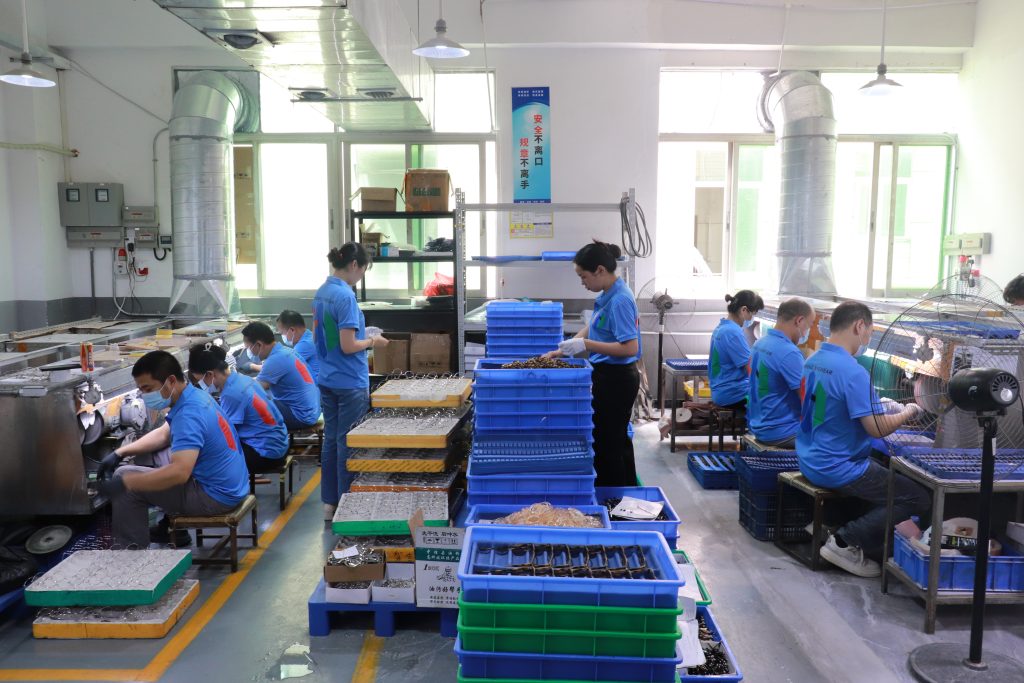
Precision cutting, polishing and assembly craftsmanship matching traditional acetate quality standards
Flexible, fast and precise production support across every stage of product development
We work closely with clients across Japan, Korea, Europe and North America, many of whom partner with us not just for quality, but for shared values around responsible manufacturing and long-term trust.
Final Thoughts
Bio-acetate is not a distant future technology — it is a mature, drop-in upgrade for premium eyewear frames that delivers meaningful carbon reduction without compromising on quality, aesthetics or manufacturability. For brands building a sustainability strategy, switching from traditional acetate to bio-acetate is one of the highest-impact, lowest-risk improvements you can make to your product line.
As consumer expectations and regulatory requirements continue to rise, working with an experienced manufacturing partner who can guide your material transition will be key to staying competitive in the global premium eyewear market.