The global sunglasses market is projected to reach $49.3 billion by 2034, growing at a steady 4.9% CAGR as consumers increasingly prioritize both eye protection and fashion-forward design. Among all frame materials, metal-frame sunglasses continue to dominate the premium segment—valued for their sleek aesthetics, structural durability, and timeless appeal. For brands, designers, and retailers worldwide, partnering with the right metal-frame sunglasses manufacturers can make or break product quality, profit margins, and customer loyalty.
This comprehensive guide breaks down everything you need to know about sourcing high-quality metal sunglass frames, comparing material options, evaluating manufacturing partners, and building successful OEM/ODM collaborations.
Why Metal-Frame Sunglasses Lead the Premium Eyewear Market
Metal frames have maintained their premium status for decades, and for good reason. Unlike acetate or plastic alternatives, metal constructions offer a unique combination of benefits that resonate with both brands and end consumers.
Key Advantages of Metal Sunglass Frames
Superior durability: Metal frames resist warping, cracking, and deformation far better than acetate or plastic, delivering a longer product lifespan.
Sleek, refined aesthetics: Thin metal wireframes, aviator styles, and geometric metal designs offer a lightweight, sophisticated look that remains perennially fashionable.
Adjustable fit: Metal temples and nose bridges can be precisely adjusted for individual face shapes, improving wear comfort and reducing return rates.
Premium perceived value: Metal frames naturally signal higher quality and command higher price points in retail environments.
Design versatility: From ultra-thin titanium aviators to bold stainless steel square frames, metal supports an enormous range of style expressions.
While acetate frames excel in color variety and bold shapes, metal frames remain the material of choice for brands targeting the mid-to-premium market segment with products built for daily wear and lasting quality.
Core Metal Materials Used by Top Sunglasses Manufacturers
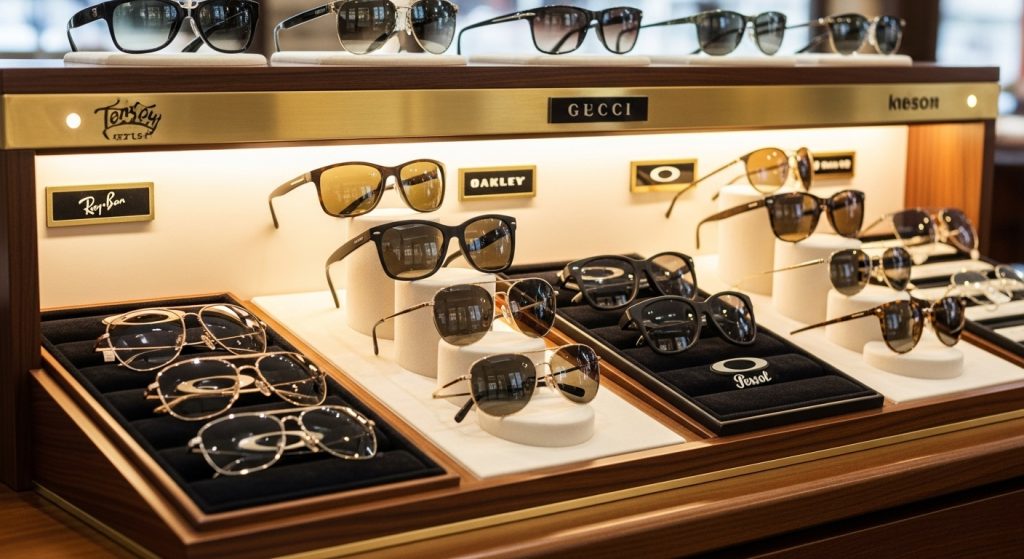
Not all metal frames are created equal. Experienced metal-frame sunglasses manufacturers work with multiple metal alloys, each with distinct properties, price points, and target markets. Understanding these materials helps you specify the right product for your brand positioning.
1. Stainless Steel Frames
Stainless steel is the workhorse of mid-premium metal eyewear. It offers excellent corrosion resistance, good strength, and reliable structural integrity at an accessible cost point. High-quality 304 and 316 grade stainless steel provides hypoallergenic properties and maintains its polished finish for years.
Best for: Everyday premium collections, aviator styles, brands balancing quality and cost efficiency.
2. Titanium & Beta-Titanium Frames
Titanium represents the pinnacle of metal eyewear technology. Pure titanium frames are approximately 48% lighter than steel, exceptionally corrosion-resistant, and fully hypoallergenic—making them ideal for sensitive skin and all-day comfort. Beta-titanium adds superior flexibility and memory characteristics, allowing frames to flex and return to their original shape.
Best for: Luxury and designer collections, lightweight performance sunglasses, premium Japanese and European markets.
3. Monel & Copper Alloy Frames
Monel and various copper-nickel-zinc alloys offer excellent malleability and plating adhesion, making them popular for intricate designs and decorative detailing. Quality manufacturers use advanced electroplating and PVD coating technologies to ensure long-lasting finish and address nickel-release concerns.
Best for: Fashion-forward collections with decorative elements, brands prioritizing design detail.
4. Aluminum Frames
Aluminum delivers extreme lightness and a distinctive modern aesthetic. While less common in traditional eyewear, it offers unique design opportunities for contemporary and sport-oriented collections.
What to Look for When Evaluating Metal-Frame Sunglasses Manufacturers
Selecting a manufacturing partner is one of the most critical decisions for an eyewear brand. The difference between a reliable factory and an inconsistent supplier shows up in plating quality, solder joint integrity, dimensional accuracy, and long-term durability.
Here are the non-negotiable criteria to assess:
1. Material Sourcing & Traceability
Premium metal-frame sunglasses manufacturers maintain transparent supply chains for raw materials. Reputable factories source certified metal alloys from established suppliers and can provide material specifications upon request. Beware of factories that cannot verify material grades—substandard alloys lead to premature corrosion, skin irritation, and structural failure.
2. Surface Treatment Capabilities
The quality of plating and coating is where most metal frame production fails. Look for manufacturers that offer:
Vacuum ion plating (PVD) for superior wear resistance
Nickel-free plating options for EU and North American compliance
Multiple finish options: polished, matte, brushed, antique, and colored coatings
Sweat-resistance testing protocols (48-hour minimum is industry-leading standard)
3. In-House Tooling & Prototyping
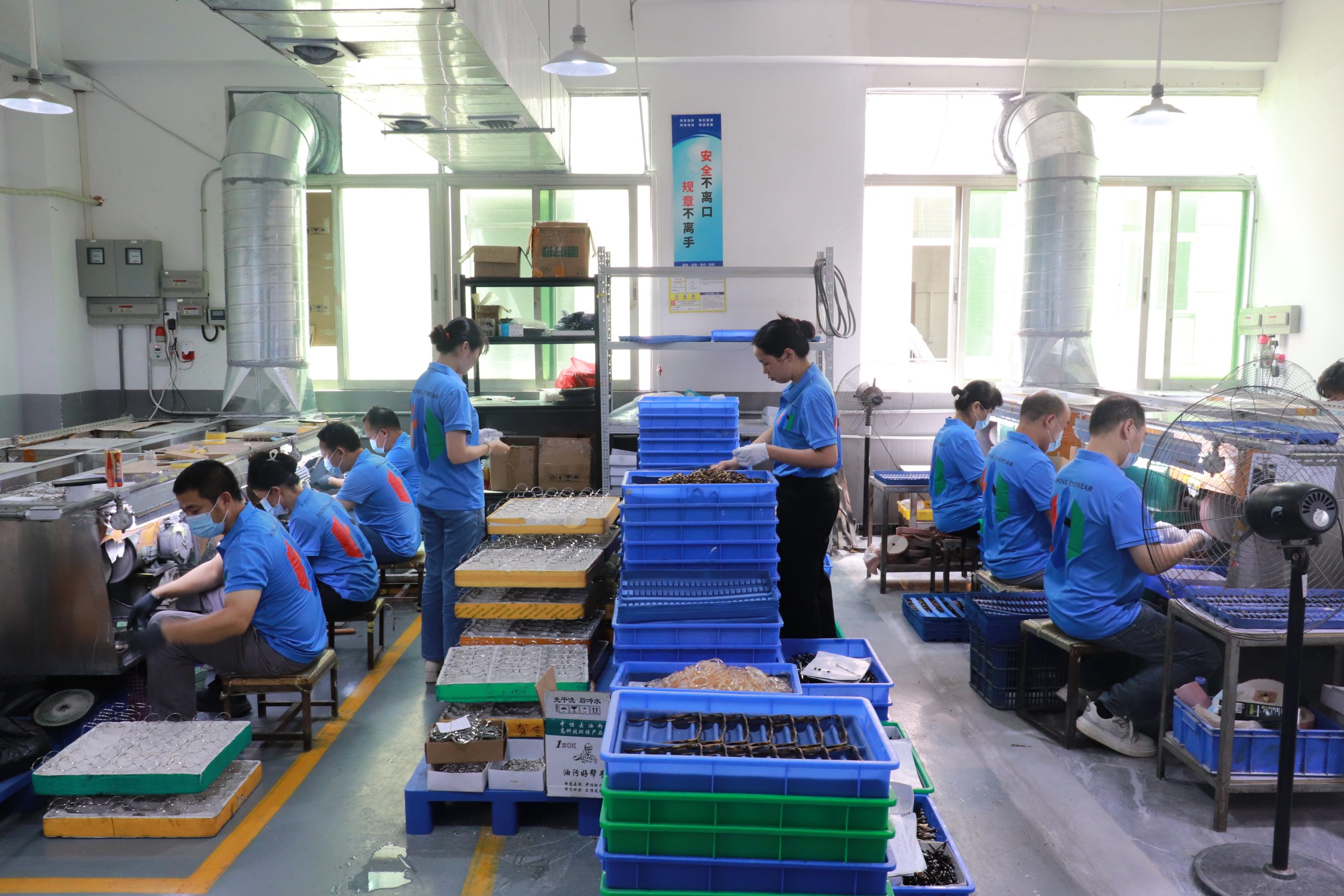
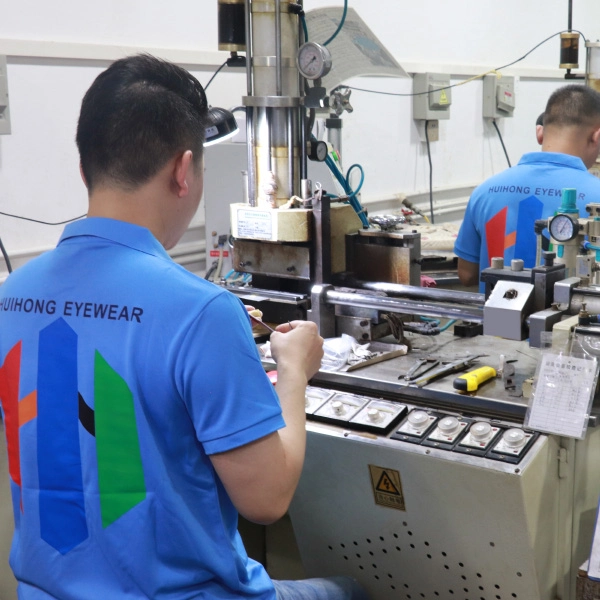
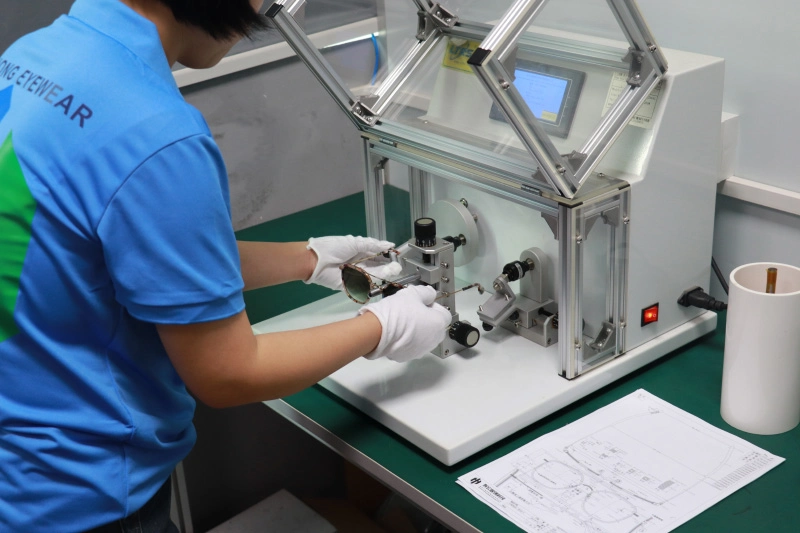
Factories with in-house mold-making and prototyping capabilities deliver faster development cycles and better quality control. From initial wireframe bending to laser welding and hand polishing, the ability to control every production step in-house ensures consistency and reduces lead times.
4. Quality Control Protocols
Professional metal-frame sunglasses manufacturers implement multi-stage QC throughout production, not just at final inspection. Key checkpoints include:
Raw material incoming inspection
Dimensional verification after frame forming
Solder joint integrity testing
Plating adhesion and thickness testing
Hinge fatigue testing (premium standards exceed 20,000 cycles)
Salt spray and sweat simulation corrosion testing
5. Certification & Compliance
For international distribution, verify that your manufacturer holds relevant certifications:
ISO 9001 quality management system
CE certification for EU market access
FDA compliance for US distribution
REACH compliance for restricted substances
Nickel release testing per EN 16128:2011
The OEM/ODM Advantage for Metal Frame Collections
For emerging brands and established labels alike, partnering with an experienced OEM/ODM eyewear manufacturer offers substantial advantages over in-house production.
OEM (Original Equipment Manufacturing)
OEM production allows you to leverage the manufacturer’s existing frame designs and technical expertise while customizing branding details, colors, and lens specifications. This approach dramatically reduces development costs and time-to-market—ideal for brands building out their core collection efficiently.
ODM (Original Design Manufacturing)
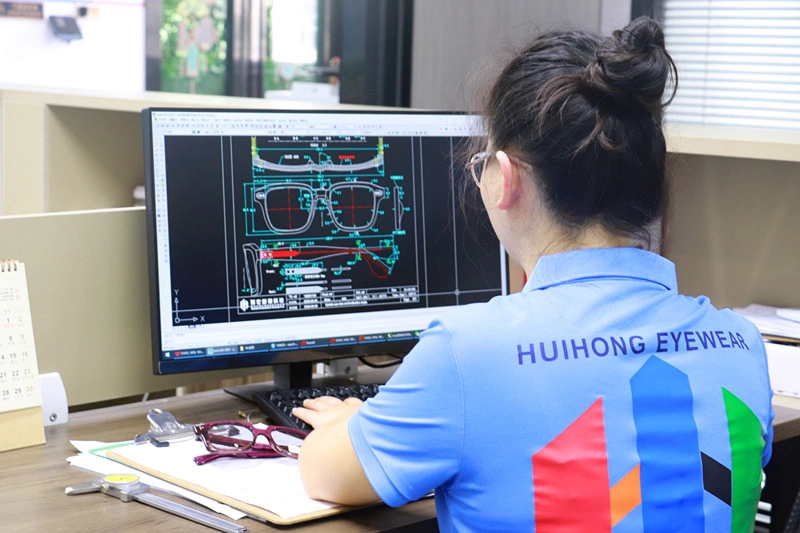
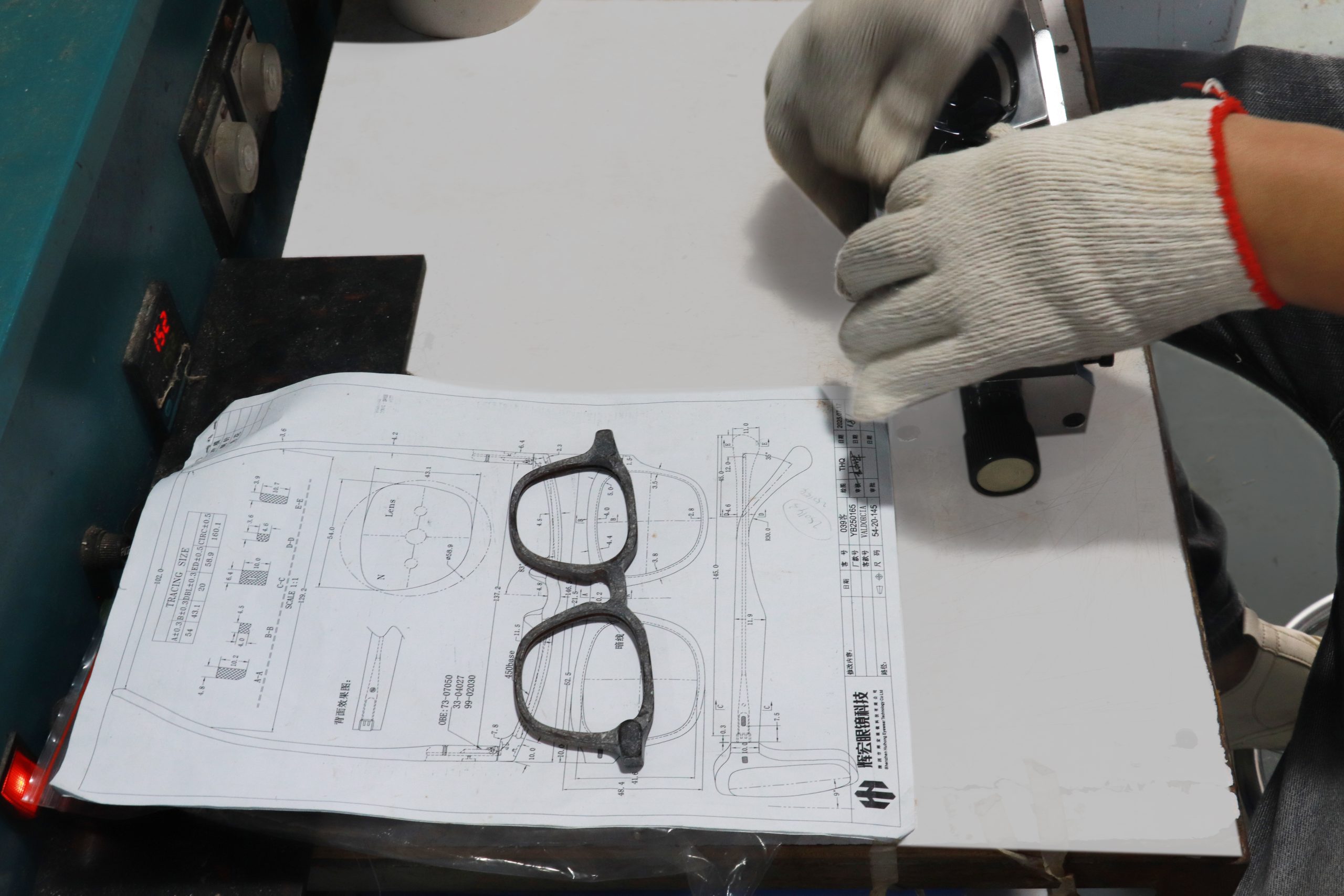
ODM partnerships go a step further, enabling fully custom frame development from concept to production. A capable ODM partner will have in-house designers who can translate your brand vision into production-ready technical drawings, handle prototyping, and manage the entire manufacturing process.
Low-Volume, High-Quality Production Capability
Many premium brands—especially independent designers and boutique retailers—do not require mass production quantities. The best metal-frame sunglasses manufacturers specialize in flexible, low-volume custom production, delivering boutique-level quality without imposing prohibitive minimum order quantities. This flexibility allows brands to test new styles, produce limited editions, and manage inventory more efficiently.
The Shenzhen Advantage: China’s Premium Eyewear Hub
When sourcing high-end metal and titanium eyewear, Shenzhen and the greater Guangdong region stand out as China’s premium eyewear manufacturing cluster. Unlike mass-production centers focused on volume and low cost, Shenzhen-based factories specialize in craftsmanship, premium materials, and export-quality finishes.
Shenzhen’s advantages include:
Proximity to Hong Kong for efficient international logistics
Skilled artisans with decades of experience in premium eyewear production
Advanced surface treatment and plating facilities
Strong supply chains for titanium, stainless steel, and premium acetate
Deep experience serving Japanese, Korean, European, and North American brand clients
Final Tips for Successful Metal Frame Sourcing
Always request physical samples before placing bulk orders. Photos cannot reveal plating quality, solder finish, or weight balance.
Test for real-world conditions. Wear test samples for multiple days to evaluate comfort, finish durability, and adjustment retention.
Ask about minimum order quantities. Premium manufacturers often offer flexible MOQs for custom projects.
Clarify lead times upfront. Custom metal frame development typically takes 30–60 days for tooling and sampling, plus bulk production time.
Build long-term partnerships. Consistent quality comes from working with the same manufacturing team over multiple seasons.
About Shenzhen Huihong Eyewear Technology Co., Ltd.
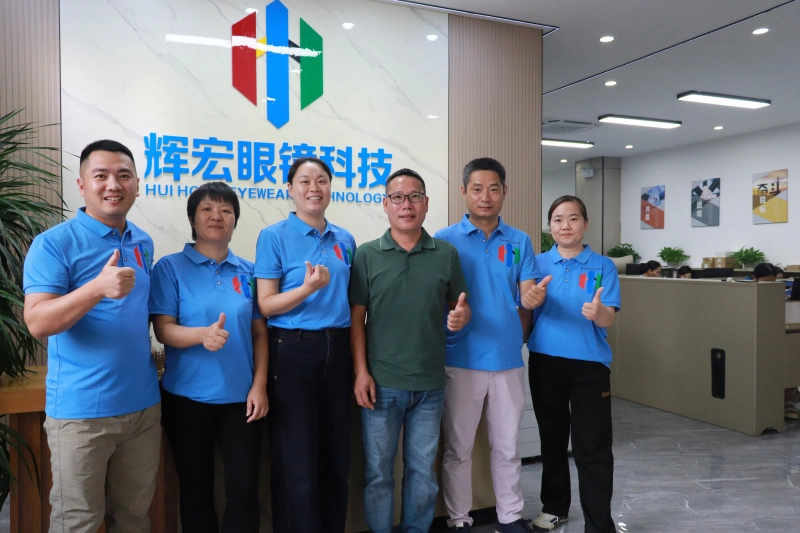
Huihong Eyewear is a specialized manufacturer dedicated to the design, development, and OEM/ODM production of high-end eyewear. Since our founding, we have collaborated with independent brands, designer labels, and premium retailers worldwide—bringing unique eyewear visions to life through exceptional craftsmanship and reliable service.
We specialize in acetate, titanium, and metal frames, with a strong capability in low-volume, high-quality custom production. From concept prototyping to bulk delivery, we support brands through every step of the journey—with flexibility, speed, and precision.
Our clients span Japan, Korea, Europe, and North America, many of whom return to us not just for quality, but for trust and shared value. If you are seeking a trusted metal-frame sunglasses manufacturer for your next collection, we welcome the opportunity to discuss your project and demonstrate what premium Chinese eyewear manufacturing can deliver.