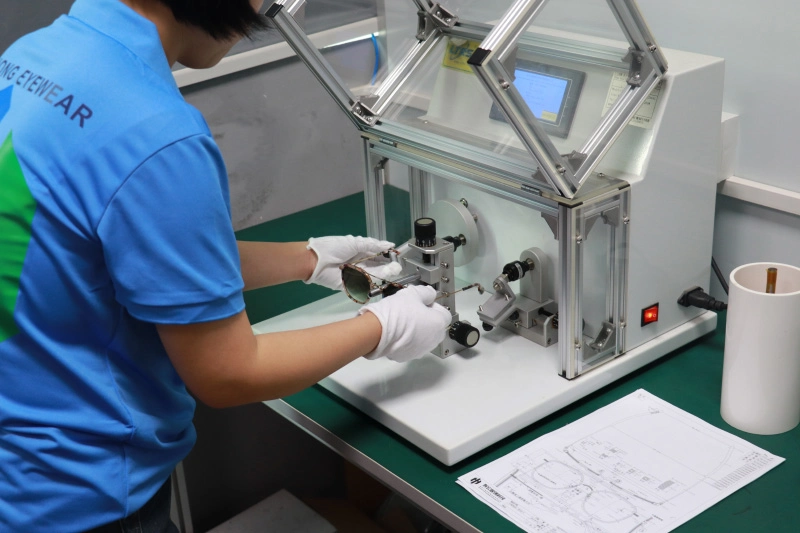
Why China Remains the Global Hub for Premium Eyewear Manufacturing
For independent brands, designer labels, and premium retailers worldwide, sourcing eyewear from China is no longer just a cost-saving strategy—it’s a strategic decision that unlocks access to world-class craftsmanship, advanced material science, and end-to-end production capabilities that are hard to match anywhere else.
China’s eyewear industry, particularly in Shenzhen’s Henggang district, has evolved far beyond basic mass production. Today, the region is home to over 600 specialized manufacturing enterprises and supplies more than 50% of the world’s mid-to-high-end eyewear market, with a dominant 60% share of Europe’s premium segment. This concentration creates an unrivaled ecosystem: from raw material processing to precision tooling, from hand-finished acetate frames to laser-welded titanium constructions, every component and process is available within a 50-kilometer radius.
If you’re building or scaling an eyewear brand, understanding how to navigate this landscape, select the right manufacturing partner, and structure a collaboration that protects quality while maximizing flexibility is critical. This guide breaks down everything you need to know.
How to Evaluate and Select a Top-Tier Eyewear Manufacturer
Not all eyewear factories are created equal. When vetting potential partners, focus on these five core dimensions to ensure alignment with your brand’s quality standards, product positioning, and growth trajectory.
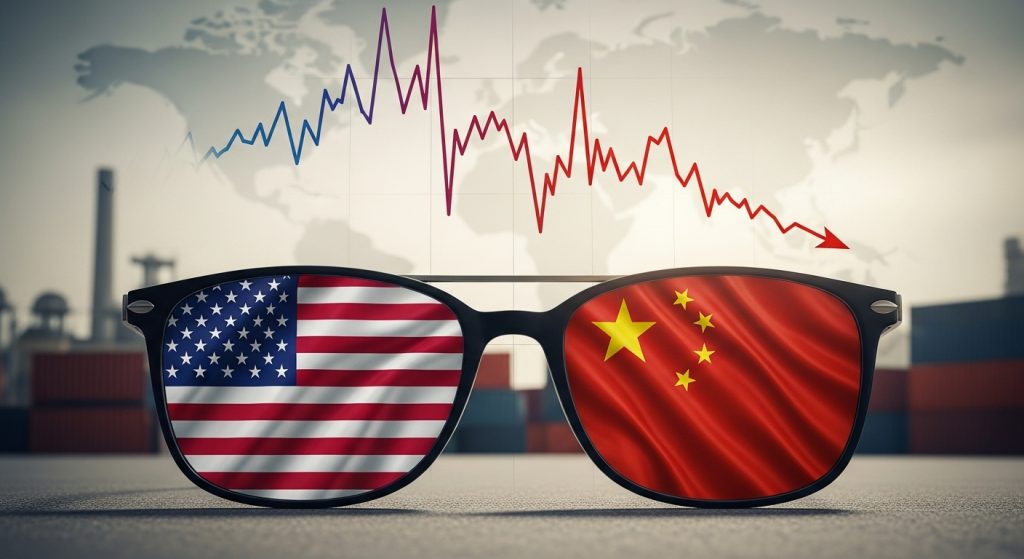
1. Material Expertise and Production Specialization
Premium eyewear stands or falls on material mastery. Look for manufacturers with deep, demonstrated expertise in your core frame materials:
Acetate frames (cellulose acetate): The gold standard for luxury optical frames and sunglasses. High-quality acetate production requires skilled hand craftsmanship, precise milling, polishing, and lamination techniques. Top factories work with premium Italian and Japanese acetate sheets and offer custom color lamination, patterns, and hand-finished details.
Titanium eyewear: Pure titanium (Ti-P) and beta-titanium (β-Titanium) frames demand specialized welding, surface treatment, and precision engineering expertise. Titanium is prized for its ultra-lightweight properties, corrosion resistance, hypoallergenic composition, and exceptional durability.
Metal frames: Stainless steel, monel, and aluminum alloy frames require advanced stamping, plating, and soldering capabilities. Premium manufacturers use IP (ion plating) vacuum coating technology for long-lasting, fade-resistant finishes and strict nickel-release compliance.
A manufacturer that specializes in your material category will have better process control, more experienced artisans, and stronger quality consistency than a generalist factory that tries to do everything.
2. OEM/ODM Capabilities and Design Support
The best manufacturing partners do more than just execute your designs—they help you improve them.
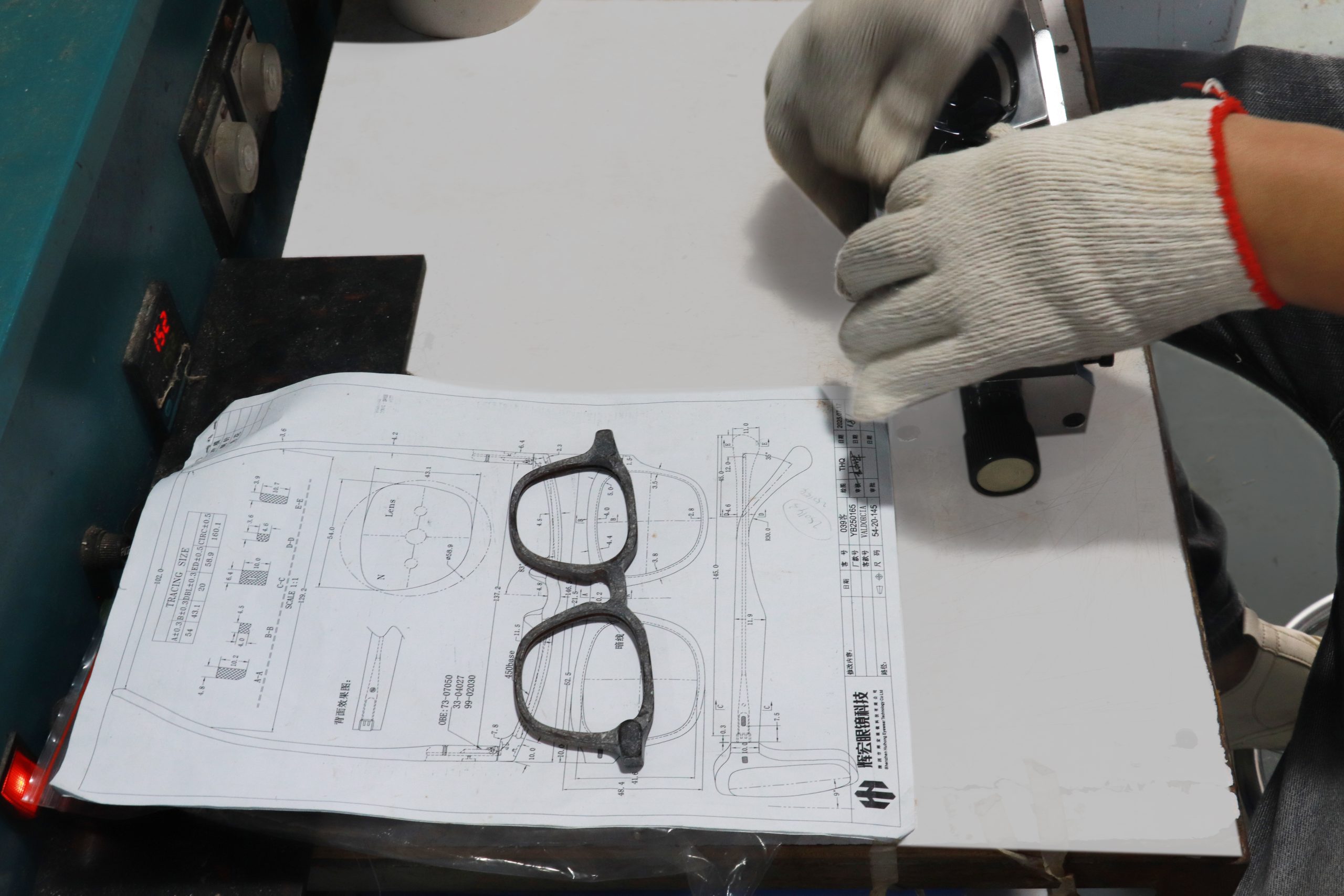
OEM (Original Equipment Manufacturing) is ideal if you have fully developed designs, technical drawings, and specifications. Your partner handles prototyping, tooling, and production to your exact standards.
ODM (Original Design Manufacturing) is invaluable for brands that want to leverage the factory’s existing design library, technical expertise, and market insight. A strong ODM partner can help you refine concepts, select appropriate materials, optimize for manufacturability, and reduce development time and costs.
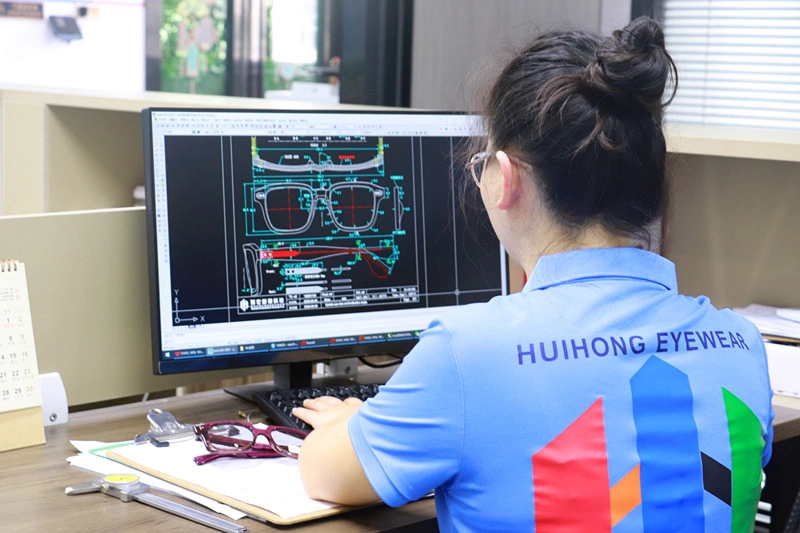
Look for partners that support the full journey: from initial concept sketches and 3D prototyping to sample approval and bulk delivery. This end-to-end capability eliminates handoff risks and streamlines your entire product development cycle.
3. Low-Volume, High-Quality Production Flexibility
One of the biggest pain points for emerging and boutique eyewear brands is rigid minimum order quantities (MOQs). Many large factories require 500+ pieces per style, which creates enormous inventory risk for smaller brands or limited-edition collections.
Top-tier strategic manufacturers offer flexible low-MOQ custom production without compromising on quality. This allows you to:
Test new designs with smaller production runs
Launch limited-edition collections
Maintain broader style assortments without excess inventory
Scale up gradually as demand grows
True low-volume premium production is a hallmark of a sophisticated, customer-centric manufacturer. It requires lean production systems, skilled multi-tasking artisans, and efficient changeover processes—capabilities that only experienced, well-managed factories possess.
4. Quality Control Systems and Compliance Certifications
Quality inconsistency is the number one risk in overseas manufacturing. Reputable manufacturers build quality into every stage of the process, not just final inspection.
A robust quality control framework includes:
Incoming raw material inspection and material certification verification
In-process quality checks at every key production stage
Final finished goods inspection covering dimensional accuracy, optical alignment, surface finish, hinge function, and durability testing
Independent third-party testing for compliance standards
Key international certifications and standards to look for:
CE certification (EU market access)
FDA compliance (US market)
BSCI certification (ethical and social compliance)
ISO 9001 quality management systems
Nickel release testing (EU REACH regulation)
5. Communication, Reliability, and Long-Term Partnership Value
Technical capability means nothing without reliable communication and consistent execution. The best manufacturing partners act as an extension of your team, not just a vendor.
Evaluate:
Response speed and clarity during the inquiry and sampling phase
Proactive problem-solving when issues arise
Transparency in pricing, lead times, and production updates
Willingness to accommodate adjustments and improvements
Track record of repeat business with international clients
A manufacturer that prioritizes trust and shared value over one-off transactions will invest in your success, help you avoid costly mistakes, and grow with your brand over time.
The Full Production Journey: From Concept to Delivery
Understanding the standard production workflow helps you set realistic timelines and collaborate more effectively with your manufacturing partner.
Phase 1: Design and Development
Design consultation and technical review
Material and hardware selection
2D technical drawings and 3D rendering
Prototype tooling and first sample production
Sample review, adjustments, and final approval
Phase 2: Pre-Production
Final specification confirmation
Production tooling and mold preparation
Raw material sourcing and quality verification
Production sample (golden sample) sign-off
Phase 3: Bulk Manufacturing
Frame production across cutting, forming, and assembly stages
Surface treatment (polishing, plating, coating)
Component assembly and fitting
In-line quality inspection at key checkpoints
Phase 4: Quality Assurance and Delivery
Final full inspection according to agreed AQL standards
Packaging and branding application
Shipping preparation and documentation
Logistics coordination (air freight, sea freight, or express)
Total lead times vary by material complexity and order volume. Acetate frames typically require 45–60 days for bulk production, while titanium frames may take 60–90 days due to more complex machining and treatment processes.
Why Shenzhen Is the Premier Destination for Premium Eyewear Sourcing
While China has several eyewear production clusters, Shenzhen’s Henggang district stands apart as the global capital for high-quality, mid-to-premium eyewear manufacturing.
Unmatched Industrial Ecosystem
Four decades of industry development have created a vertically integrated supply chain that is second to none. Everything from premium acetate sheets, titanium wire, and precision hinges to specialized surface treatment facilities is available locally. This proximity reduces lead times, lowers logistics costs, and enables faster problem-solving when technical issues arise.
Craftsmanship Heritage
Shenzhen’s eyewear industry traces its roots to Hong Kong manufacturers relocating in the 1980s, bringing with them rigorous quality standards and refined craftsmanship techniques that were originally developed for European luxury brands. This legacy lives on today in the region’s highly skilled workforce of veteran artisans, technicians, and design engineers.
Design and Innovation Leadership
Shenzhen is home to China’s top eyewear designers and hosts the country’s leading design innovation ecosystem. The International Eyewear Designers Alliance, annual design competitions, and dedicated intellectual property protection infrastructure all contribute to a culture that values original design and technical innovation.
Global Quality Reputation
Products from Shenzhen dominate the European and North American premium eyewear markets precisely because of their consistent quality, precision engineering, and finish quality. For brands targeting discerning customers, sourcing from Shenzhen sends a clear signal about your commitment to quality.
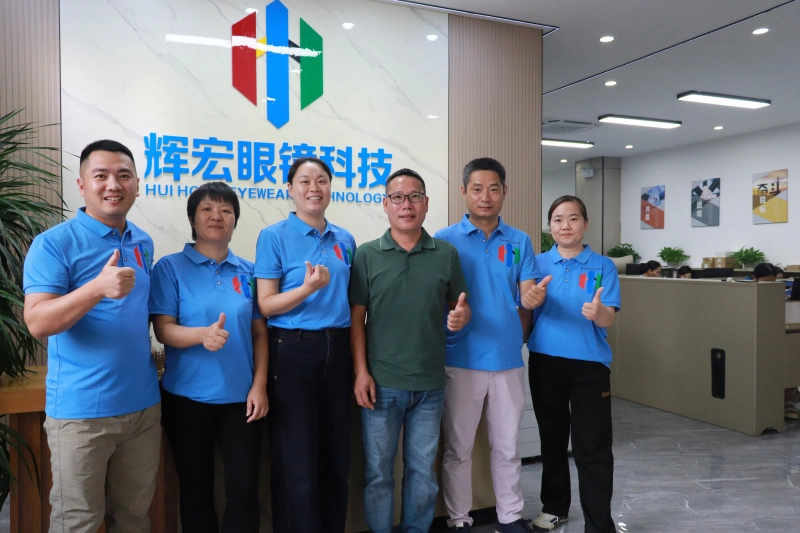
About Shenzhen Huihong Eyewear Technology Co., Ltd.
Huihong Eyewear is a specialized manufacturer dedicated to the design, development, and OEM/ODM production of high-end eyewear. Since our founding, we have collaborated with independent brands, designer labels, and premium retailers worldwide—bringing unique eyewear visions to life through exceptional craftsmanship and reliable service.
Our Core Capabilities
We specialize in acetate, titanium, and metal frames, with a particularly strong capability in low-volume, high-quality custom production that is rare in the industry. From concept prototyping to bulk delivery, we support brands through every step of the journey—with flexibility, speed, and precision.
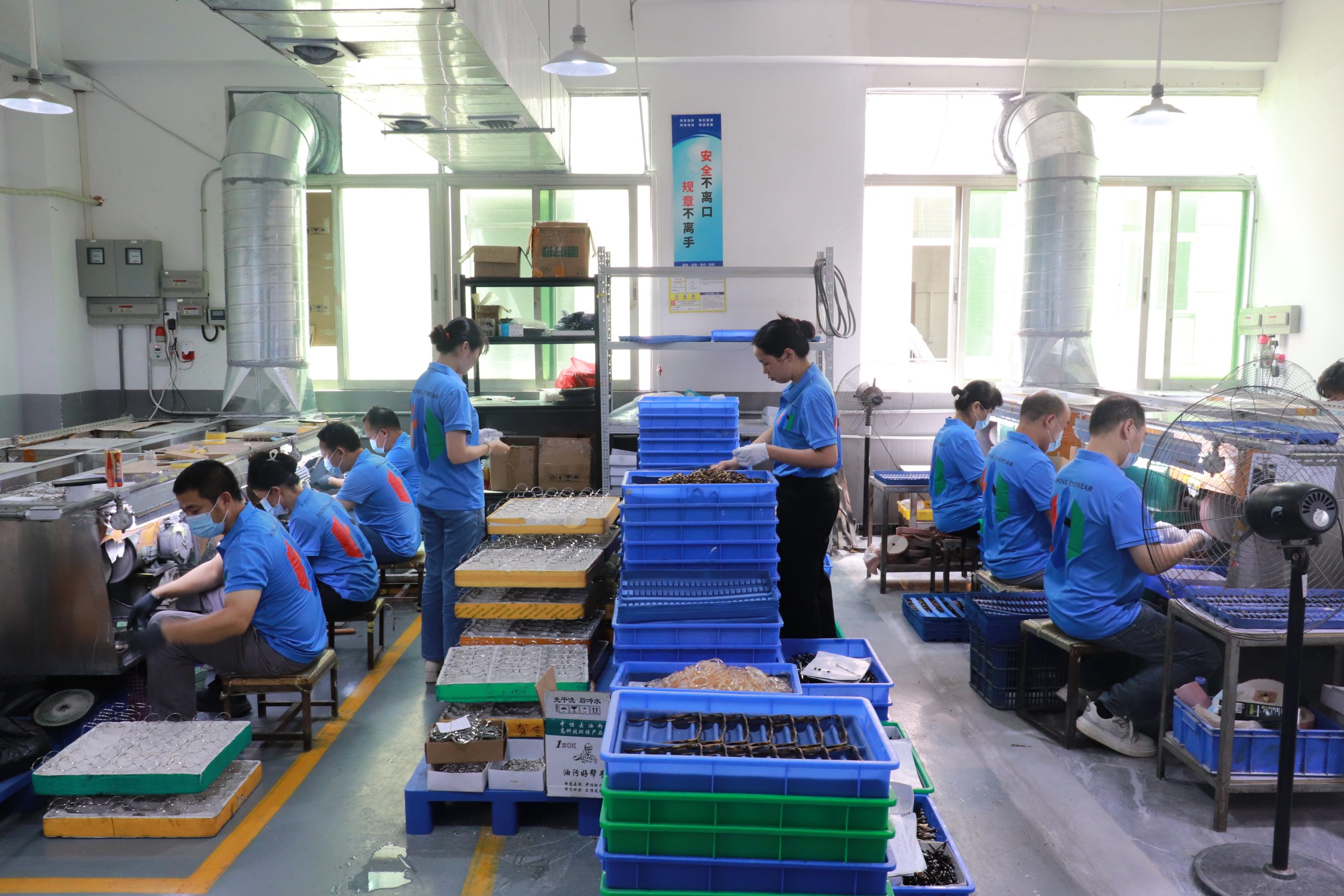
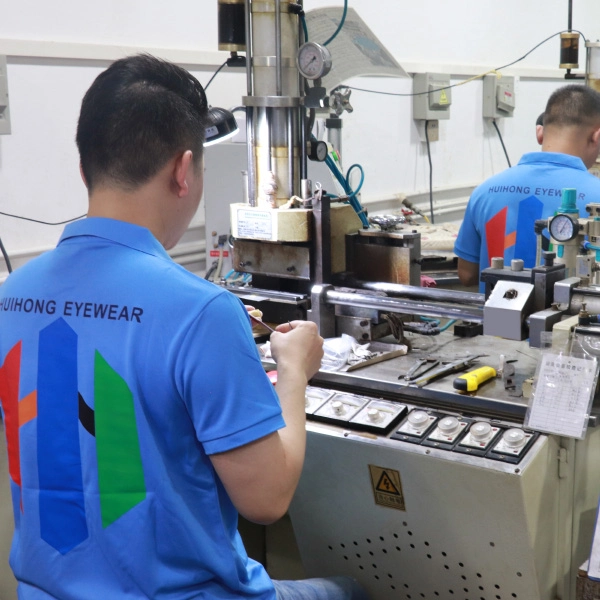
Our production facility combines modern precision machinery with skilled hand-finishing artisans, ensuring that every frame meets exacting quality standards while preserving the subtle details that make premium eyewear distinctive. We work with carefully selected raw material suppliers, including premium Italian acetate and Japanese titanium, to deliver the material quality that premium brands demand.
Who We Work With
Our clients span Japan, Korea, Europe, and North America, many of whom return to us not just for quality, but for trust and shared value. We build long-term partnerships by being transparent, responsive, and genuinely invested in our clients’ success.
Whether you’re an emerging independent brand launching your first collection, an established designer label expanding your assortment, or a premium retailer developing exclusive lines, Huihong Eyewear has the expertise, flexibility, and commitment to quality to bring your eyewear vision to life.
Final Recommendations for Successful Strategic Sourcing
Start with samples, not bulk orders. Always evaluate a manufacturer’s actual product quality, finishing standards, and attention to detail through physical samples before committing to large production runs.
Be clear about your quality standards upfront. Define your acceptance criteria, inspection protocols, and tolerance levels at the beginning of the partnership to avoid misunderstandings later.
Prioritize specialization over low price. A factory that specializes in your product category and price tier will deliver far better consistency and value than a cheaper generalist.
Build the relationship. The best manufacturing partnerships are collaborative. Treat your factory as a strategic partner, not a commodity supplier, and you’ll gain access to better pricing, priority scheduling, and proactive problem-solving.
Consider a phased approach. Start with a small trial order to validate quality, communication, and delivery reliability before scaling up to larger production volumes.
Strategic eyewear sourcing from China offers enormous potential for brands that choose the right partners. By focusing on material expertise, production flexibility, quality systems, and long-term partnership value, you can build a supply chain that supports your brand’s growth, protects your reputation, and delivers the premium quality your customers expect.
If you’re looking for a reliable, quality-focused eyewear manufacturing partner in Shenzhen with deep expertise in acetate, titanium, and metal frames and flexible low-volume custom production capabilities, Huihong Eyewear welcomes the opportunity to discuss your project and explore how we can bring your designs to life.