In today’s global marketplace, the eyewear industry continues to experience remarkable growth, driven by increasing vision correction needs, rising fashion consciousness, and growing awareness of eye health. Whether you’re launching a new eyewear brand, expanding an existing product line, or sourcing for retail distribution, finding the right manufacturer eyewear partner is critical to your success. This comprehensive guide will walk you through everything you need to know about eyewear manufacturing, from materials and processes to quality standards and selecting the ideal production partner.
The Global Eyewear Manufacturing Landscape
The global eyewear market is projected to grow steadily through 2026, with several key trends shaping the industry. Approximately 65% of the world’s population requires some form of vision correction, creating a constant demand for prescription eyewear. Simultaneously, nearly 50% of consumers now view eyewear as an essential lifestyle accessory rather than just a medical device, driving demand for fashionable and customizable options .
Digital transformation has also significantly impacted the industry. With over 70% of working professionals experiencing digital eye strain, blue light blocking eyewear has transitioned from a niche product to a standard feature. Additionally, advancements in manufacturing technology have made custom eyewear more accessible and affordable than ever before .
Essential Materials Used in Eyewear Manufacturing
The quality and performance of eyewear depend heavily on the materials used. A reputable eyewear manufacturer will offer a range of premium materials to suit different brand identities, target markets, and functional requirements.
Frame Materials
Acetate – A durable, flexible cellulose-based material that allows for vibrant colors and unique patterns. Acetate frames are hypoallergenic, comfortable to wear, and can be easily adjusted for a perfect fit. They are particularly popular for fashion-forward optical frames and sunglasses.
Titanium – The gold standard for premium eyewear, titanium is incredibly lightweight, strong, and corrosion-resistant. Titanium frames are ideal for those with sensitive skin or allergies, as they are completely nickel-free. They also offer exceptional durability and can last for many years with proper care.
Stainless Steel – A versatile and cost-effective material that offers good strength and corrosion resistance. Stainless steel frames can be crafted into thin, elegant designs while maintaining structural integrity. They are available in a variety of finishes, including polished, matte, and colored coatings.
TR90 – A revolutionary thermoplastic material produced using Swiss technology. TR90 is extremely lightweight, flexible, and impact-resistant. It has memory properties, meaning it can flex under pressure and return to its original shape. This makes it perfect for active lifestyles and children’s eyewear .
Aluminum-Magnesium Alloy – A lightweight yet strong material that offers excellent durability and a modern, sleek appearance. Aluminum-magnesium frames are often used for sports sunglasses and high-performance eyewear.
Lens Materials and Coatings
Polycarbonate – The most widely used lens material for safety and sports eyewear. Polycarbonate is highly impact-resistant, lightweight, and provides 100% UV protection.
CR-39 – A standard plastic lens material that offers excellent optical clarity and scratch resistance. CR-39 lenses are affordable and suitable for most prescription needs.
High-Index Lenses – Designed for people with strong prescriptions, high-index lenses are thinner and lighter than traditional plastic lenses. They are available in various indexes, with higher indexes resulting in thinner lenses.
Essential Coatings – Modern lenses typically include multiple coatings to enhance performance:
Anti-reflective (AR) coating to reduce glare
UV protection coating to block harmful UVA and UVB rays
Scratch-resistant coating to improve durability
Blue light blocking coating to reduce digital eye strain
Hydrophobic coating to repel water and smudges
The Complete Eyewear Manufacturing Process
A professional eyewear manufacturer follows a rigorous, multi-step process to ensure every pair of glasses meets the highest quality standards. Here’s a detailed look at how eyewear is made:
1. Design and Development
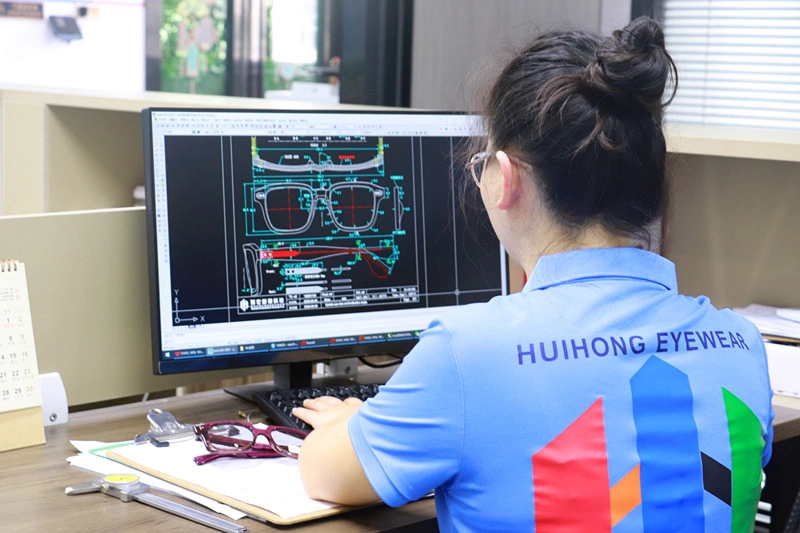
The process begins with design conceptualization. Experienced designers create detailed sketches and 3D models using computer-aided design (CAD) software. This stage allows for precise control over every aspect of the frame, from dimensions and proportions to material selection and color options.
2. Prototype Creation
Once the design is finalized, a prototype is created to test the fit, comfort, and functionality. Prototypes can be made using traditional methods or advanced 3D printing technology, which allows for rapid iteration and customization.
3. Material Preparation
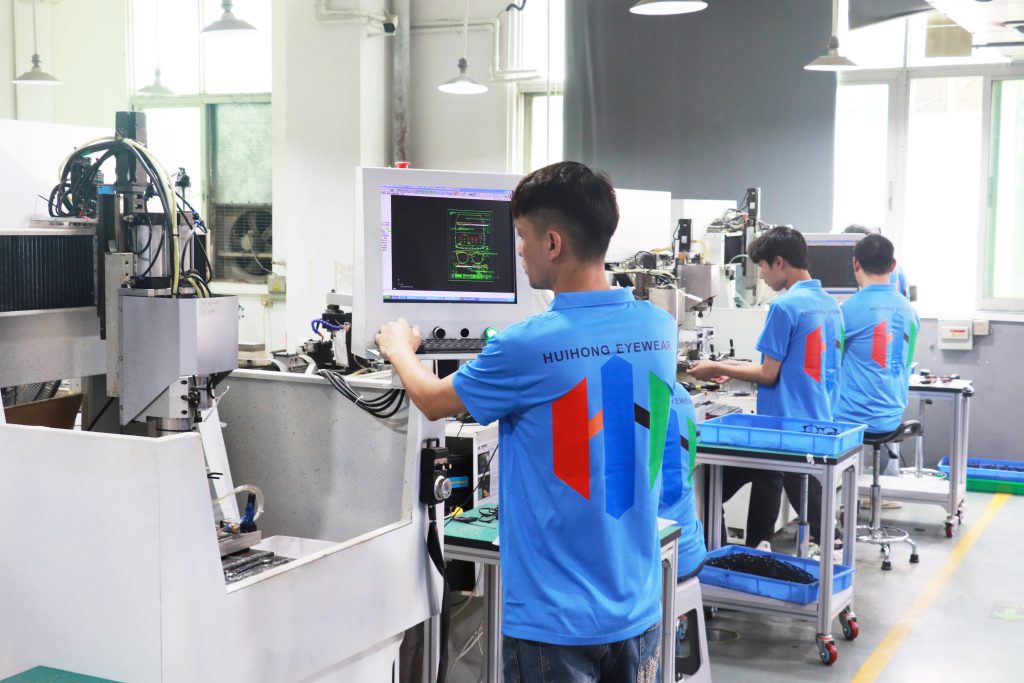
Raw materials are carefully inspected and prepared for production. For acetate frames, sheets are cut into blanks of the appropriate size. For metal frames, wires and sheets are cut and shaped according to the design specifications.
4. Frame Production
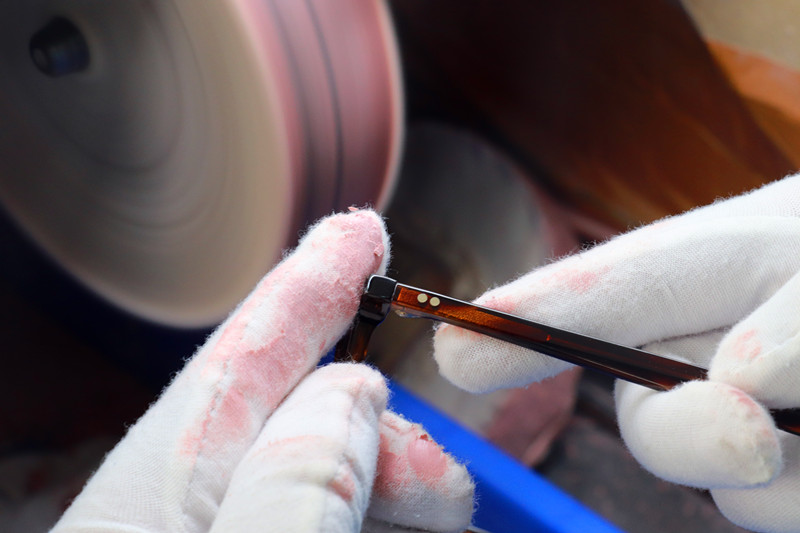
Acetate Frames: The acetate blanks are milled using CNC machines to create the frame front and temples. The parts are then polished, assembled, and fitted with hinges and nose pads.
Metal Frames: The metal components are cut, bent, and welded together. The frames are then polished, plated or painted, and assembled with hinges and nose pads.
Injection-Molded Frames: Molten plastic is injected into precision molds, cooled, and then removed. The frames are trimmed, polished, and assembled.
5. Lens Production
Lenses are manufactured separately and then fitted into the frames. The process involves:
Cutting lenses to the exact shape of the frame
Applying any necessary coatings
Verifying optical parameters using precision instruments
Inserting lenses into the frames and securing them
6. Quality Control and Testing
Every pair of glasses undergoes rigorous quality control checks at multiple stages of production. This includes:
Visual inspection for defects
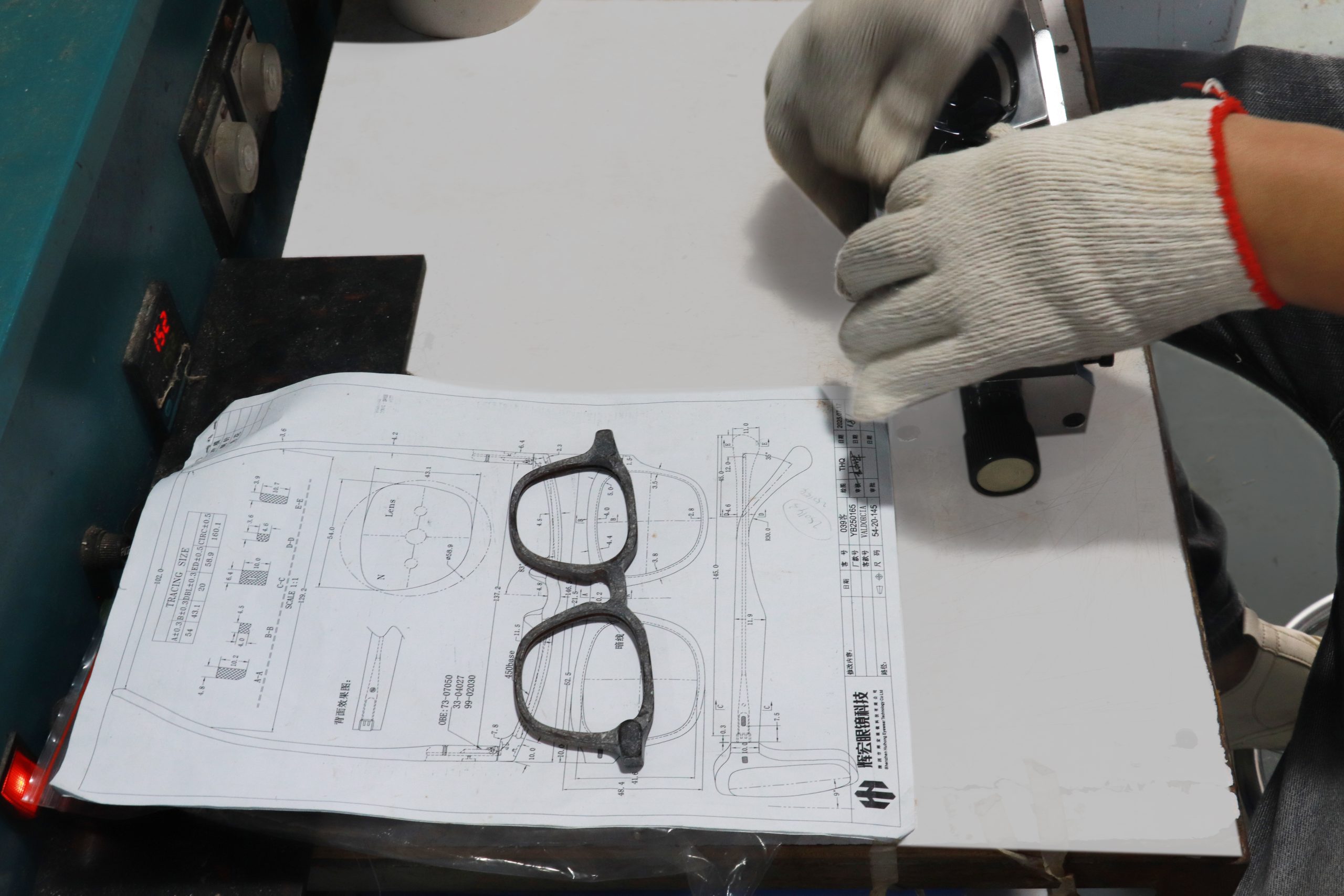
Dimensional verification using calipers and other precision tools
Optical performance testing
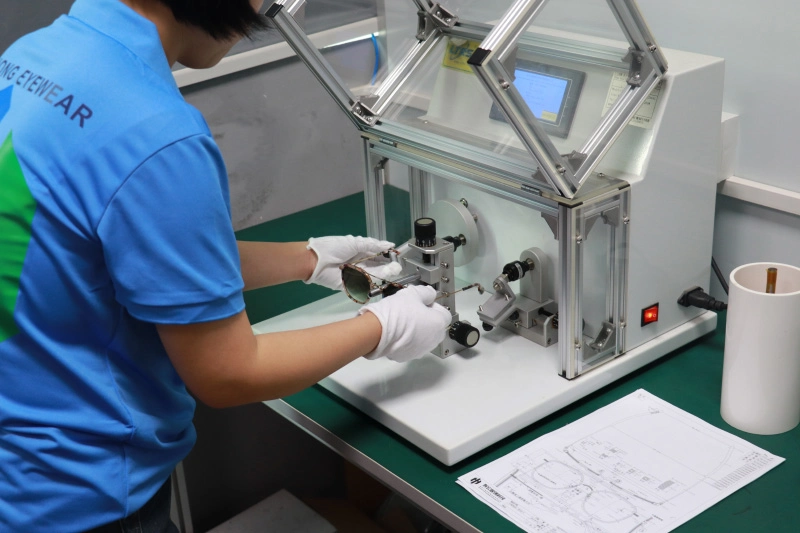
Mechanical strength testing (hinge durability, frame flexibility)
UV protection and blue light blocking verification
Compliance testing according to international standards
7. Packaging and Shipping
After passing all quality checks, the eyewear is cleaned, inspected one final time, and packaged. Packaging typically includes a protective case, microfiber cleaning cloth, and any necessary documentation. The finished products are then prepared for shipping to customers worldwide.
Key Quality Standards and Certifications
When evaluating an eyewear manufacturer, it’s essential to verify that they adhere to international quality and safety standards. These certifications ensure that the products you receive are safe, reliable, and compliant with regulations in your target market.
Essential Certifications
ISO 9001:2015 – The international standard for quality management systems. This certification demonstrates that the manufacturer has implemented processes to consistently deliver products that meet customer and regulatory requirements.
ISO 13485 – Specifically for medical devices, this standard is crucial for manufacturers producing prescription eyewear. It ensures that the manufacturing processes meet strict medical device quality requirements.
CE Marking – Required for all products sold in the European Economic Area (EEA). CE marking indicates that the product complies with EU health, safety, and environmental protection standards. For eyewear, this typically includes compliance with EN ISO 12312-1 for sunglasses and EN ISO 8980 for prescription lenses .
FDA Registration – Required for manufacturers selling eyewear in the United States. The FDA regulates eyewear as a medical device, and manufacturers must comply with the Quality System Regulation (QSR).
REACH Compliance – Ensures that products sold in the EU do not contain harmful chemicals in concentrations that could pose a risk to human health or the environment.
CPSIA Compliance – Required for children’s products sold in the United States. This regulation sets strict limits on lead and phthalate content and includes safety testing requirements .
Performance Standards
In addition to certifications, reputable manufacturers test their products against specific performance standards:
ANSI Z80.3 – American National Standard for nonprescription sunglasses and fashion eyewear
EN 166 – European standard for personal eye protection
ISO 12870 – International standard for ophthalmic frames, specifying requirements and test methods
How to Choose a Reliable Eyewear Manufacturer
Selecting the right eyewear manufacturer is one of the most important decisions you’ll make for your business. A good partner can help you create high-quality products, meet deadlines, and grow your brand, while a poor one can lead to delays, quality issues, and lost revenue. Here are 8 key factors to consider:
1. Experience and Expertise
Look for a manufacturer with extensive experience in the eyewear industry. An established manufacturer will have the knowledge, skills, and processes to produce high-quality products consistently. They should also have experience working with brands similar to yours and understand the specific requirements of your target market.
2. Production Capabilities
Verify that the manufacturer has the production capabilities to meet your needs. This includes:
The ability to produce the types of eyewear you require (optical frames, sunglasses, prescription eyewear, etc.)
Experience working with your preferred materials
Sufficient production capacity to handle your order volume
Flexible minimum order quantities (MOQs) to accommodate both small-batch testing and high-volume orders
3. OEM and ODM Services
The best eyewear manufacturers offer both OEM (Original Equipment Manufacturer) and ODM (Original Design Manufacturer) services. OEM allows you to provide your own designs and have them manufactured to your specifications. ODM means the manufacturer provides both design and manufacturing services, which can be particularly helpful if you don’t have an in-house design team .
4. Quality Control Processes
A commitment to quality is non-negotiable. Ask about the manufacturer’s quality control processes, including:
How many inspection stages they have
What types of tests they perform
Whether they have in-house testing facilities
How they handle defective products
Whether they provide quality guarantees
5. Certifications and Compliance
As mentioned earlier, verify that the manufacturer holds all necessary certifications and can ensure compliance with the regulations in your target market. Ask to see copies of their certifications and inquire about their compliance processes.
6. Communication and Support
Effective communication is essential for a successful partnership. The manufacturer should be responsive, provide regular updates on your order status, and be willing to address any questions or concerns you may have. Look for a manufacturer that assigns a dedicated project manager to your account to ensure clear and consistent communication .
7. Pricing and Value
While price is an important consideration, it should not be the only factor. The cheapest option may not provide the best value in the long run if it results in poor quality or delays. Instead, look for a manufacturer that offers competitive pricing while maintaining high quality standards.
8. Intellectual Property Protection
Protecting your designs and brand identity is crucial. Ensure that the manufacturer respects your intellectual property rights and is willing to sign a non-disclosure agreement (NDA) before you share any sensitive information. Ask about their policies regarding design protection and whether they have measures in place to prevent unauthorized use of your designs .
OEM vs ODM: Which Model is Right for Your Brand?
When working with an eyewear manufacturer, you’ll typically have two main options: OEM and ODM. Understanding the differences between these models will help you choose the one that best suits your brand’s needs.
OEM (Original Equipment Manufacturer)
In the OEM model, you provide the manufacturer with your complete design specifications, and they produce the products according to your requirements. This gives you full creative control over the design, materials, and features of your eyewear.
Best for:
Brands with established design teams
Brands that want to create completely unique products
Brands that have specific technical requirements
Brands that want to maintain full control over their product identity
ODM (Original Design Manufacturer)
In the ODM model, the manufacturer provides pre-designed products that you can customize with your branding and minor modifications. The manufacturer handles the design process, which can save you time and resources.
Best for:
New brands without in-house design teams
Brands looking to launch products quickly
Brands that want to take advantage of the manufacturer’s design expertise
Brands with limited design resources
Many manufacturers offer both OEM and ODM services, allowing you to choose the model that works best for each product line. Some brands even use a combination of both, using ODM for basic styles and OEM for signature designs.

2026 Eyewear Manufacturing Trends to Watch
The eyewear manufacturing industry is constantly evolving, driven by technological advancements and changing consumer preferences. Here are the key trends shaping the industry in 2026:
1. Sustainable Manufacturing
Sustainability has become a major priority for both consumers and manufacturers. More and more eyewear manufacturers are adopting eco-friendly practices, such as using recycled materials, reducing waste, and implementing energy-efficient production processes. Expect to see an increase in eyewear made from recycled plastic, biodegradable materials, and sustainable wood .
2. Advanced Customization
Advancements in 3D printing and digital manufacturing have made highly customized eyewear more accessible. Consumers can now choose from a wide range of customization options, including frame shape, color, material, and even personalized engravings. Some manufacturers are also offering made-to-measure frames that are custom-fitted to the individual’s face .
3. Smart Eyewear
Smart eyewear is no longer just a novelty. As technology continues to improve, we’re seeing more functional and stylish smart glasses that integrate features like fitness tracking, audio playback, and augmented reality. Manufacturers are investing heavily in R&D to create smart eyewear that is both technologically advanced and aesthetically pleasing .
4. Digital Transformation
Digital technologies are transforming every aspect of eyewear manufacturing, from design and prototyping to production and quality control. Manufacturers are using AI and machine learning to optimize production processes, improve quality, and reduce costs. Virtual reality (VR) and augmented reality (AR) are also being used to enhance the design process and provide customers with virtual try-on experiences .
5. Focus on Eye Health
With increasing awareness of eye health issues, consumers are demanding eyewear that provides more than just vision correction or style. Manufacturers are responding by developing products with advanced eye health features, such as blue light blocking, UV protection, and anti-fatigue lenses. There is also growing interest in eyewear that can monitor and improve eye health .
Conclusion
Choosing the right eyewear manufacturer is a critical decision that can have a significant impact on the success of your brand. By understanding the manufacturing process, quality standards, and key factors to consider when selecting a partner, you can make an informed decision that will help you create high-quality products that meet the needs of your customers.
Whether you’re looking for an OEM eyewear manufacturer to bring your unique designs to life or an ODM partner to help you launch a new product line quickly, the right manufacturer will be more than just a supplier—they will be a strategic partner invested in your success.
As the eyewear industry continues to evolve, staying informed about the latest trends and technologies will help you stay ahead of the competition and build a successful, sustainable brand. By partnering with a forward-thinking manufacturer that is committed to quality, innovation, and customer satisfaction, you can position your brand for long-term growth in this dynamic and exciting industry.