Introduction
The global eyewear market is projected to exceed USD 160 billion in 2025, with the luxury segment alone estimated at USD 34.21 billion—growing at a 4.3% CAGR through 2032. But what actually makes a pair of glasses “high-end”? Is it the price tag, the brand name, or something far more fundamental?
For buyers, brand owners, and procurement professionals sourcing premium eyewear, understanding the substance behind the label is essential. This guide breaks down the materials, manufacturing processes, and quality markers that define genuine high-end glasses—helping you make informed sourcing decisions without getting lost in marketing hype.
What Defines High-End Glasses?
High-end eyewear is not merely about aesthetics—it requires structural integrity, long-term durability, and precision engineering. Today’s premium consumers are increasingly drawn to craftsmanship, comfort, and connection—values that resonate more deeply than logos or licensing deals.
The market is polarizing: at one end, consumers seek affordable premium products; at the other, luxury buyers expect high-quality materials, exclusivity, and innovation. This divergence makes it more critical than ever to understand what truly constitutes premium quality.
Key Materials That Define Premium Eyewear
Cellulose Acetate
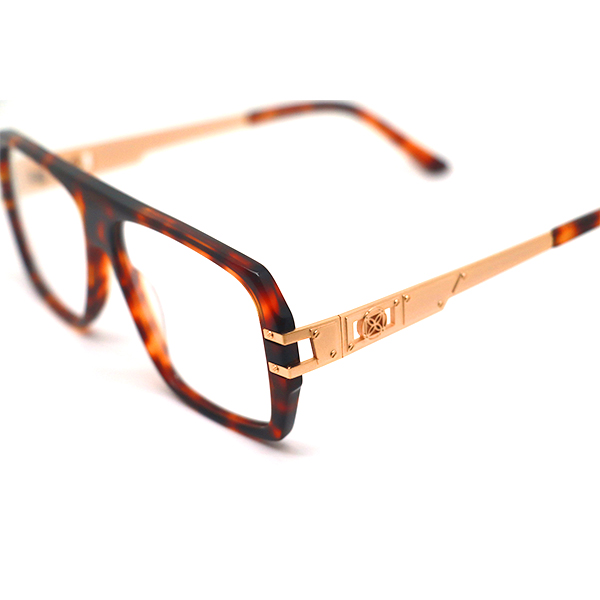
Acetate is the gold standard for high-end frames. Derived from wood pulp or cotton fibers combined with acetic anhydride, it offers strength, depth of color, and remarkable versatility. Premium acetate frames reveal their color gradually through a hand-mopping technique that builds layers of pigment intensity—creating a vibrancy that mass-produced plastics cannot replicate.
What to look for: Mazzucchelli acetate (Italian) is widely regarded as the industry benchmark. High-end manufacturers use bio-acetate and cellulose acetate that can be dyed in nuanced shades with excellent batch consistency.
Titanium
Titanium offers exceptional lightness, flexibility, and breakage resistance. It allows for ultra-slim profiles while maintaining structural integrity. Premium titanium frames often combine experimental structures with refined detailing, creating unexpected material contrasts.
What to look for: Italian titanium sheets and precision-milled titanium components are markers of quality. High-end frames feature screwless hinge designs and custom-milled nose pads—details that significantly enhance comfort and longevity.
TR90 and Advanced Alloys
While acetate dominates fashion frames, TR90 and titanium are preferred for durability and lightweight comfort. TR90 is a flexible thermoplastic that offers excellent resilience—ideal for active lifestyles and sport-inspired designs.
The Manufacturing Process: Where Quality Is Made
Creating a single pair of premium eyewear involves 100 to 200 manual steps, especially around shaping and finishing. Here’s what the process typically entails:
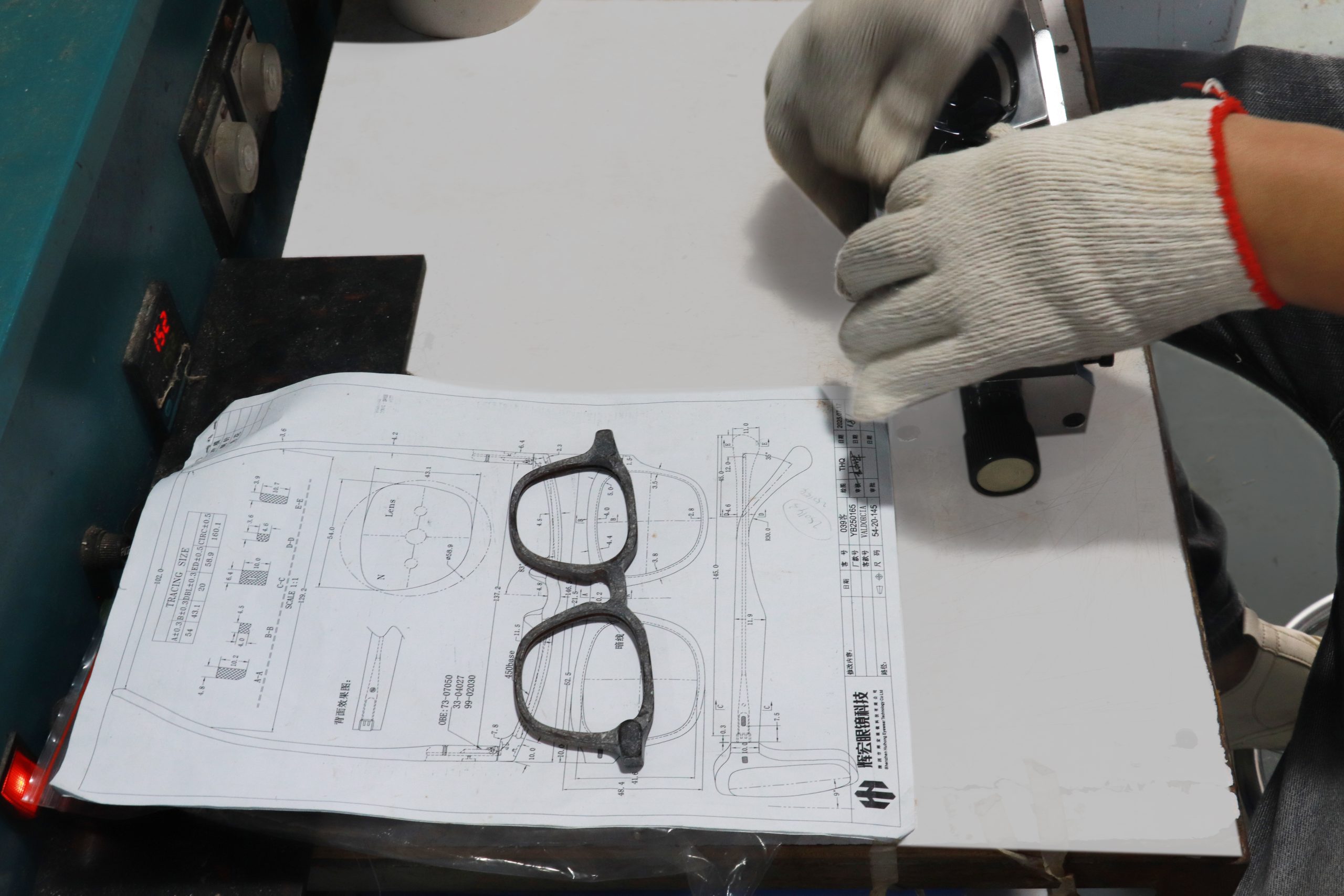
1. Precision CNC Cutting
Computer Numerical Control (CNC) machining enables precision tolerances suitable for luxury-grade products. For complex geometric shapes—such as softened hexagons, octagons, and architectural cat-eyes—tighter tolerances, more complex tooling, and additional quality control steps are required.
2. Multi-Stage Finishing
After CNC cutting, edges remain sharp, surfaces show tool marks, and contact points are not yet comfortable for all-day wear. Premium manufacturers employ multi-stage tumbling and polishing to achieve the smooth, refined finish that distinguishes high-end eyewear.
3. Laser Welding and Engraving
Top-tier manufacturers use laser welding for hinge joints and multi-axis CNC engraving for logo precision. These techniques ensure durability and brand identity without compromising structural integrity.
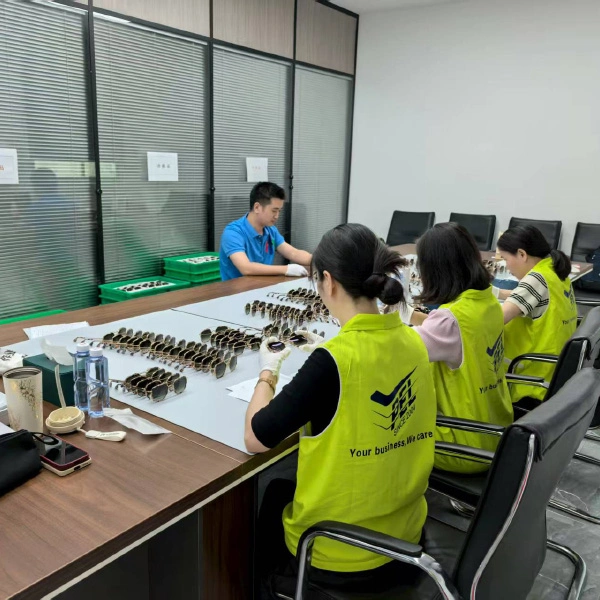
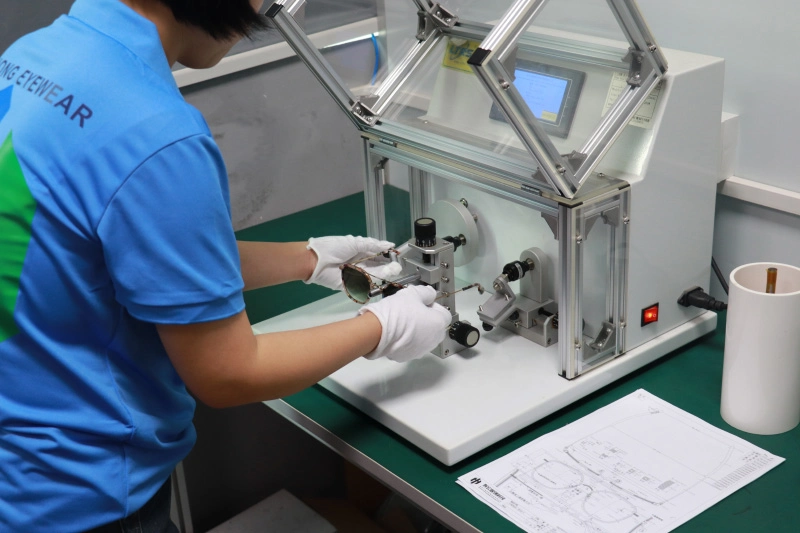
4. Rigorous Quality Control
Every stage of production should include 100% quality inspection. Premium manufacturers implement systems like Advanced Product Quality Planning (APQP) combined with Lean Six Sigma (LSS) to maintain consistency across batches.
Industry Trends Shaping High-End Eyewear in 2025–2026
Experimental Geometric Shapes
Luxury brands are emphasizing experimental geometries—softened hexagons, octagons, and architectural cat-eyes that create distinctive silhouettes while maintaining balanced proportions. These designs are ideal for limited runs and capsule collections.
Sustainable Materials
Eco-conscious consumers are willing to pay for products that align with their values. Suppliers are responding with biodegradable acetates, recycled metals, and waterless lens coatings. Over 61% of global consumers actively try to have a positive environmental impact—a figure that has remained consistent.
Translucent and Pastel Aesthetics
Dark, opaque frames are giving way to airy, translucent designs in shades like digital lavender, sage green, and soft honey. Transparent crystal frames remain a timeless choice, while lightly tinted lenses add a subtle wash of color.
Smart Eyewear Integration
The smart eyewear market is projected to reach USD 10.42 billion by 2030, growing at a 10.2% CAGR. Some 34% of Gen Z consumers are planning to spend more on technology in the future. For OEM manufacturers, this means developing capabilities to integrate AR and health-tracking features into fashionable frames.
What to Look for When Sourcing High-End Eyewear
Production Capabilities
Top-tier manufacturers offer end-to-end services, including:
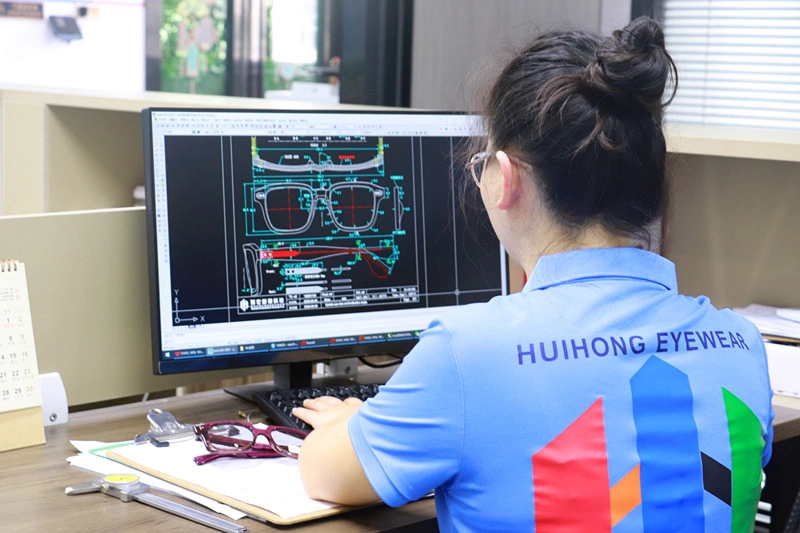
Mold development and 3D modeling
Custom color matching (Pantone/CMYK)
Laser engraving and logo embossing
Functional lens integration (blue light filtering, polarization)
Material Authenticity and Sourcing Transparency
Verify that suppliers use premium raw materials—including certified acetate, titanium sheets, and hinge mechanisms. Blockchain technology is increasingly being used by luxury eyewear brands to record every step of a product’s journey, verifying sustainable material claims.
Quality Assurance and Compliance
Prioritize suppliers with:
On-time delivery rates above 97%
Documented compliance with UV400, CE, and RoHS standards
Transparent testing procedures for lens clarity and frame durability
Confirm that metal components are lead-free and nickel-safe, especially for direct-contact items like nose pads and temples.
Final Thoughts
The high-end glasses market is defined not by logos or price tags, but by materials, craftsmanship, and manufacturing precision. As the industry continues to polarize between affordable premium and true luxury, buyers who understand these fundamentals will be best positioned to source eyewear that delivers genuine value.
Whether you’re developing a new collection or evaluating manufacturing partners, prioritize material quality, process transparency, and proven technical capability. The best frames don’t just look premium—they’re built to be premium, from the first CNC cut to the final quality inspection.