Introduction
If you have ever worn glasses that felt heavy, slid down your nose, or caused skin irritation, you already know why frame material matters. Among all options available today, titanium glasses frames stand in a league of their own—offering an unparalleled combination of lightness, strength, and comfort that no other material quite matches.
For eyewear brands, distributors, and retailers looking to source premium products, understanding what makes titanium exceptional—and how professional OEM/ODM manufacturing brings these frames to life—is essential to staying competitive in a rapidly growing market.

Why Titanium? The Four Core Advantages
1. Featherlight Comfort
Titanium has an exceptional strength-to-weight ratio, allowing frames to be crafted incredibly thin and light while maintaining structural integrity. A typical titanium frame weighs between 8 and 15 grams—roughly half the weight of a comparable steel frame. This translates to all-day comfort with minimal pressure on the nose and behind the ears.
2. Exceptional Durability
Despite its light weight, titanium is remarkably strong. Frames resist bending, deformation, and breakage even with daily wear and tear. Beta titanium variants offer even greater flexibility with smooth springback, making adjustments easier and frames more resilient.
3. Hypoallergenic & Skin-Friendly
Titanium is naturally hypoallergenic and biocompatible—the same material used in medical implants. It contains no nickel, making it safe for wearers with sensitive skin or metal allergies. This is a critical differentiator from many conventional metal alloys that contain nickel and other irritants.
4. Corrosion-Resistant & Long-Lasting
Titanium resists sweat, salt spray, and skin oils—preventing rust, discoloration, and degradation over time. Frames maintain their appearance and performance for years, making them a cost-effective long-term investment.
Pure Titanium vs. Beta Titanium: Understanding the Difference
Not all titanium frames are the same. The two primary types used in eyewear each offer distinct

Pure titanium frames are typically marked with “100% TITANIUM” or “PURE TITANIUM,” while beta titanium frames carry “Beta Titanium” or “β Titanium”
Titanium vs. Other Frame Materials
How does titanium compare to common alternatives?
vs. Stainless Steel: Titanium is significantly lighter while offering comparable strength. Stainless steel is more affordable but heavier and less flexible.
vs. Acetate: Acetate offers more color variety but is heavier and less flexible. Titanium provides superior durability and a slimmer profile.
vs. Monel: Monel is a lower-cost metal alloy but often contains nickel—a common allergen. Titanium delivers superior corrosion resistance and hypoallergenic safety.
The OEM/ODM Manufacturing Process for Titanium Frames
For brands seeking to develop custom titanium eyewear, working with an experienced OEM/ODM manufacturer ensures quality, precision, and market readiness. The typical process follows these stages:
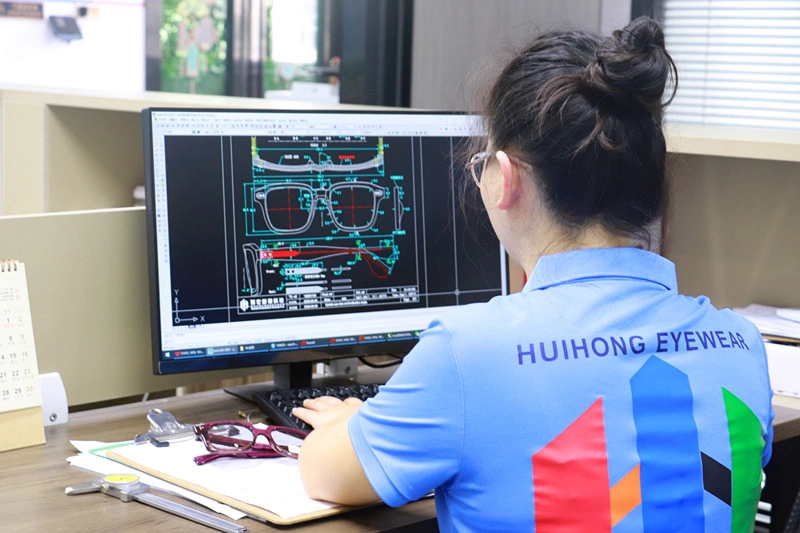
1. Concept & Design Collaboration
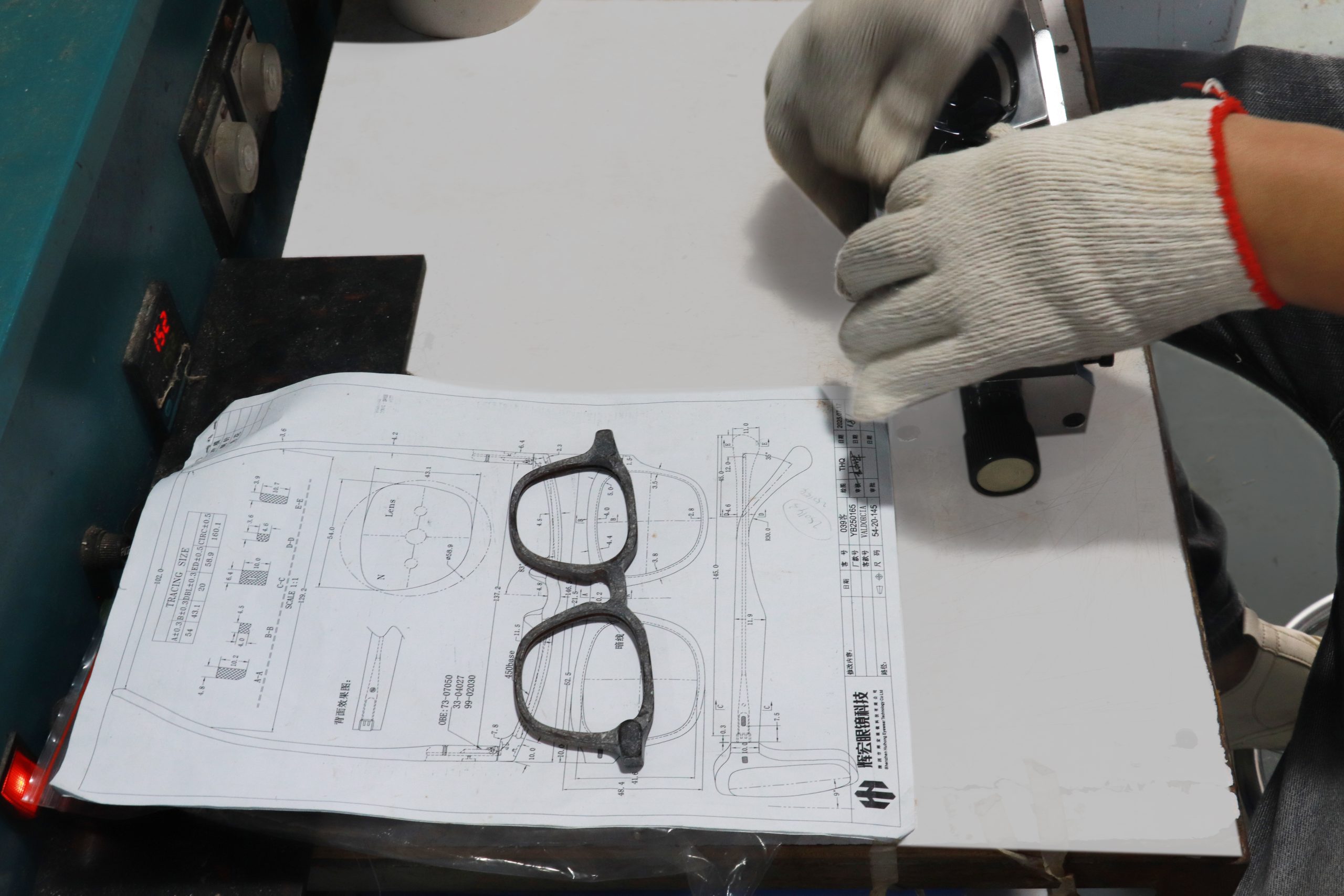
The journey begins with sharing design concepts, technical specifications, or sketches. Manufacturers with in-house design teams can refine ideas into production-ready files, adjusting frame dimensions, lens depths, and aesthetic details to match target market preferences.
2. Material Selection & Feasibility Review
Choosing between pure titanium, beta titanium, or specialized alloys depends on the desired balance of flexibility, weight, and cost. Professional manufacturers assess material feasibility and provide recommendations based on design requirements.
3. Prototyping & Sampling
Samples are produced for client approval. This stage allows for adjustments to fit, finish, and functionality before moving to bulk production.
4. Precision Manufacturing
Titanium frame production demands advanced techniques. Five-axis laser welding delivers clean, precise joints with minimal distortion—particularly important for thin titanium components. CNC machining ensures exact tolerances on critical parts like hinges and bridges.
5. Surface Finishing
Titanium frames can be finished through anodizing (creating vibrant, durable colors) or PVD coating (offering sleek, wear-resistant surfaces).
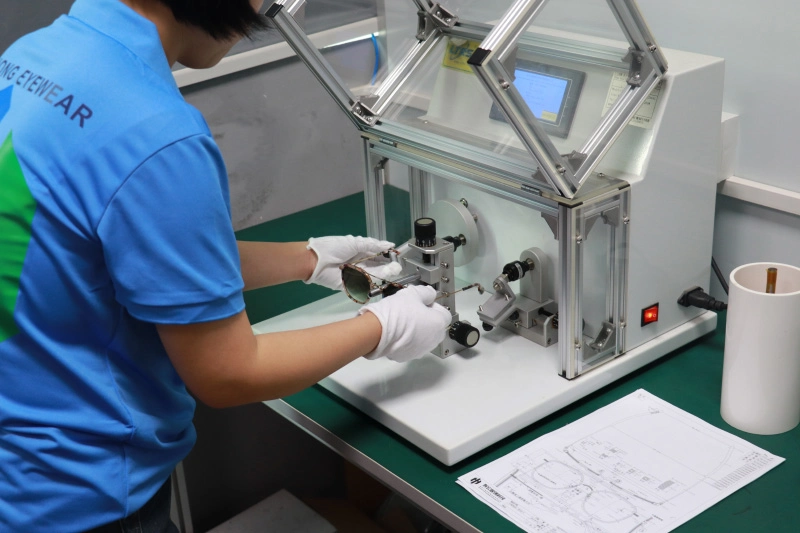
6. Quality Control & Certification
Reputable manufacturers adhere to international standards including ISO 12870 (for sweat resistance, corrosion resistance, and mechanical performance) and comply with RoHS and REACH regulations. Every frame undergoes rigorous inspection before packaging and shipment.
Market Trends: Why Titanium Is on the Rise
The global titanium metal glasses frames market was valued at approximately USD 3.49 billion in 2025 and is projected to grow at a 5.00% CAGR through 2031. Within the broader eyewear market, titanium is forecast to grow at an impressive 9.67% CAGR—significantly outpacing plastic frames.
Key drivers include:
Growing consumer demand for lightweight, durable, and comfortable eyewear
Increasing awareness of nickel allergies and preference for hypoallergenic materials
The rise of premiumization in eyewear, as consumers seek quality and longevity
Technological advancements that have reduced manufacturing costs, expanding titanium frames from the luxury segment into the mid-to-high-end market

Frequently Asked Questions
Are titanium glasses frames worth the higher price?
Yes—for wearers who prioritize comfort, durability, and skin-friendliness. Titanium frames resist corrosion and fatigue, requiring minimal maintenance and lasting for years, often making them more economical in the long run.
Can titanium frames be adjusted?
Yes, but adjustments should be performed by experienced technicians due to titanium’s hardness and elasticity. Beta titanium offers greater ease of adjustment.
Do titanium frames work with all prescription lenses?
Absolutely. Titanium frames are fully compatible with single vision, multifocal, and reading lenses.
How can I identify genuine titanium frames?
Look for markings such as “PURE TITANIUM,” “100% TITANIUM,” or “BETA TITANIUM” on the temples or lenses.
Conclusion
Titanium glasses frames represent the gold standard in eyewear—combining featherlight comfort, exceptional durability, hypoallergenic safety, and timeless aesthetic appeal. For brands looking to enter or expand in this growing market, partnering with a specialized OEM/ODM manufacturer ensures access to precision engineering, rigorous quality control, and the expertise needed to bring distinctive titanium designs to life.
Whether you are developing a new collection or sourcing premium frames for your retail offering, titanium delivers value that discerning customers recognize and appreciate—frame after frame, year after year.