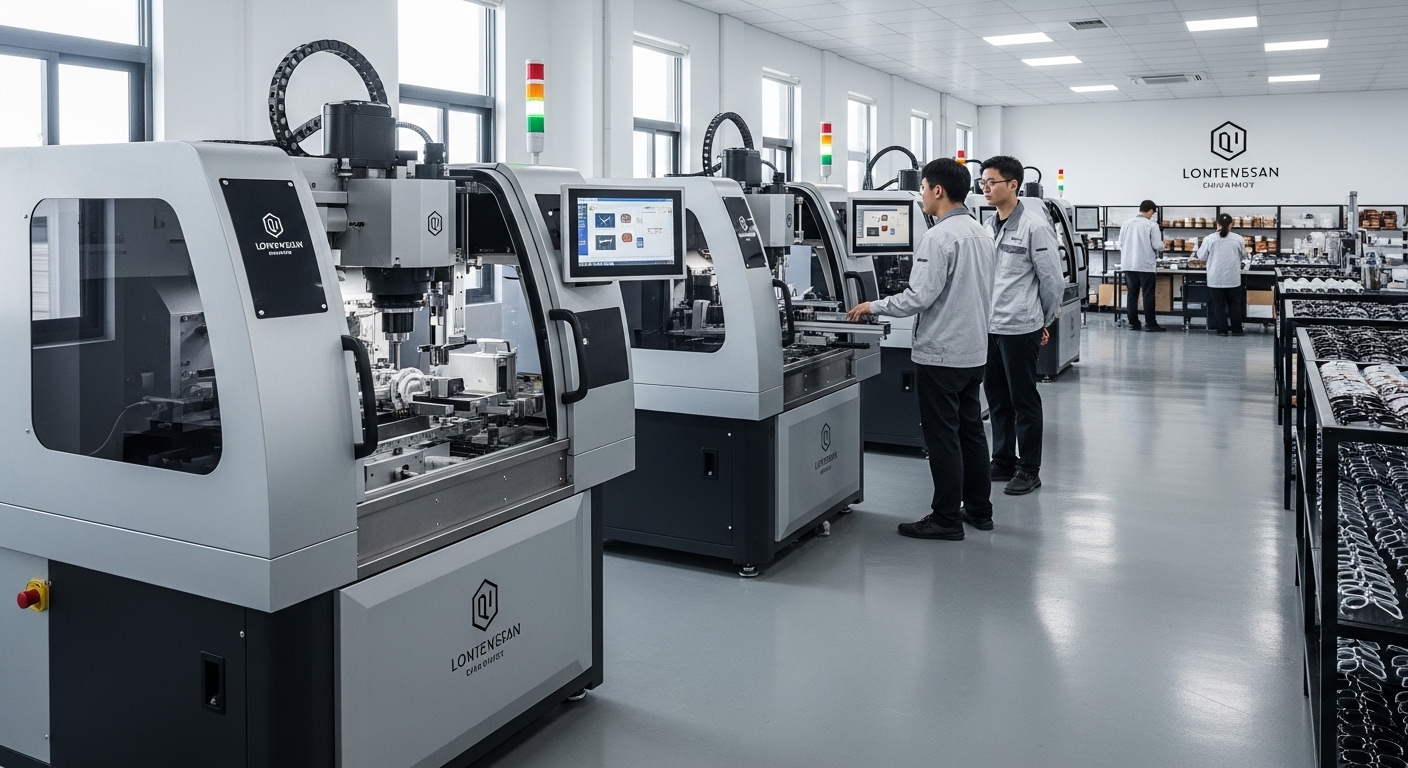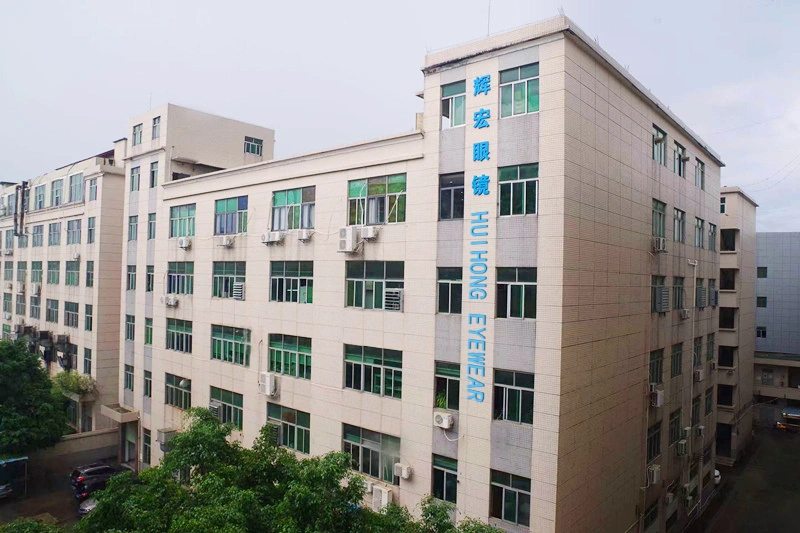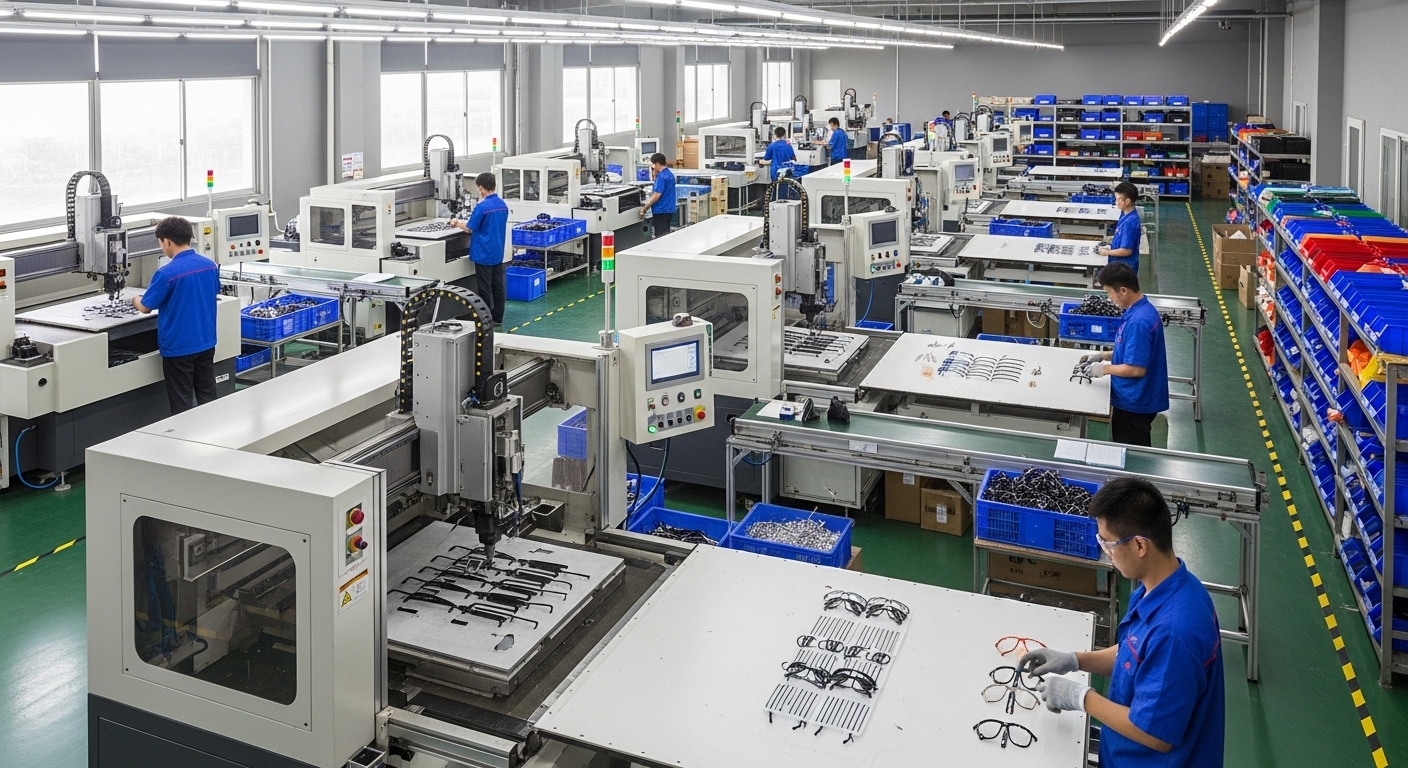
In the global eyewear market, building a competitive glasses and sunglasses line hinges on precise design, material expertise and reliable manufacturing. Whether you are launching a private label or expanding an existing optical brand, understanding OEM/ODM models, material performance and quality benchmarks is essential to delivering high-value products to your customers.
This guide breaks down the core knowledge you need to source premium eyewear efficiently, helping you make informed decisions from concept to mass production.
Glasses vs. Sunglasses: Core Manufacturing Differences
Though both belong to the eyewear category, optical glasses and sunglasses are engineered for different use scenarios and require distinct production standards.
Optical glasses are designed for daily, long-hour wear, prioritizing ergonomic fit, structural durability and lens compatibility. Frames must accommodate various prescription lens thicknesses, maintain stable alignment and distribute weight evenly across the nose and ears for all-day comfort.
Sunglasses combine fashion with eye protection, requiring specialized lens technology and weather-resistant frame construction. Premium sunglasses deliver 100% UVA/UVB protection, optional polarized glare reduction and frame materials that resist corrosion from sweat, sun and salt exposure.
OEM vs. ODM Eyewear Production: Which Is Right for You?
Choosing between OEM and ODM is one of the first and most important sourcing decisions. Each model fits different brand stages and strategic goals.
OEM (Original Equipment Manufacturer)
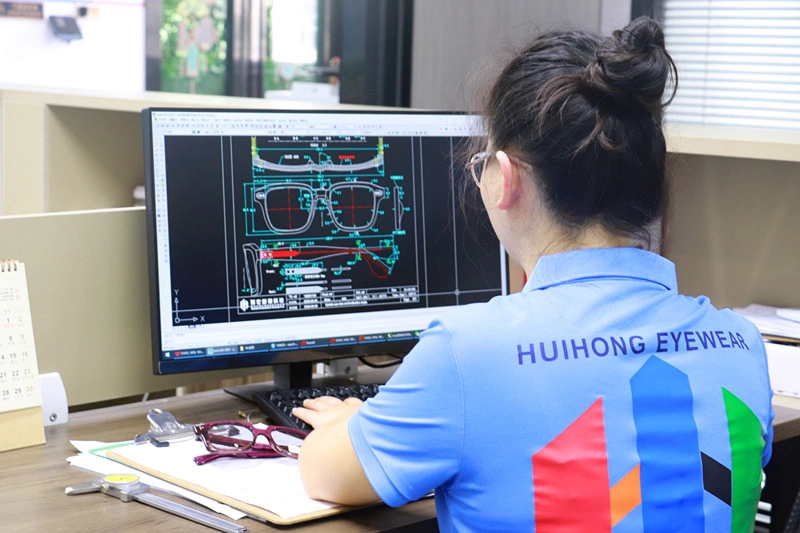
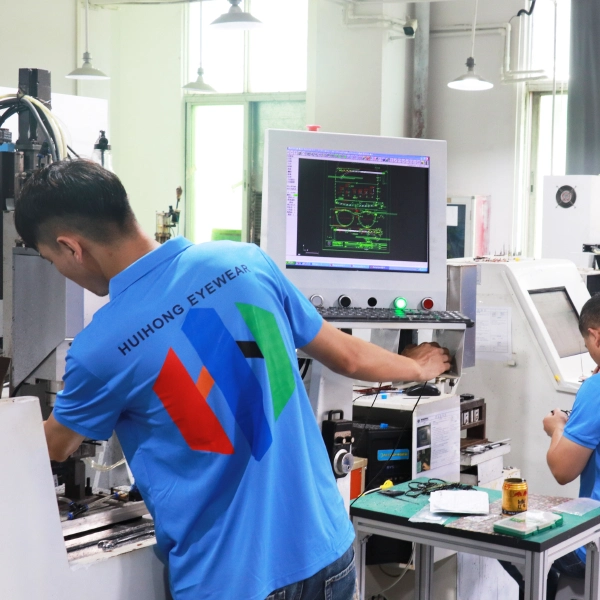
Under the OEM model, your brand provides full design specifications—CAD files, material requirements, technical drawings—and the manufacturer produces frames to your exact standards.
Full creative control and complete IP ownership
Custom tooling built exclusively for your designs
Ideal for brands with in-house design teams or signature silhouettes
Longer development lead time and higher upfront tooling investment
ODM (Original Design Manufacturer)
ODM lets you select from the manufacturer’s pre-developed, market-proven frame designs, then customize colors, logos, lens options and minor structural details.
Lower upfront cost with no custom tooling fees
30–50% faster time-to-market compared with OEM
Lower minimum order quantities for catalog styles
Suitable for new brands, fast collection expansion or market testing
Many premium brands adopt a hybrid approach: using ODM for core everyday styles to control cost and lead time, and OEM for hero signature pieces that build brand identity.
Premium Materials for High-End Eyewear
Material quality directly defines product grade, comfort and retail value. Below are the mainstream materials used in premium glasses and sunglasses.
Frame Materials
Acetate & bio-acetate: The benchmark for luxury eyewear, offering rich color layering, hand-polishable finish and hypoallergenic properties. Premium grades include Mazzucchelli and plant-based bio-acetate.
Titanium & beta-titanium: Ultra-lightweight, corrosion-resistant and highly durable. Ideal for high-end prescription frames and minimalist designs where all-day comfort is critical.
Stainless steel & monel: Delivers strong structural stability and excellent plating adhesion for refined metallic finishes at a more accessible price point.
TR90 polymer: Extremely flexible and impact-resistant, widely used in sports sunglasses and lightweight comfort frames.
Lens Technologies
Polarized lenses: Eliminate horizontal glare from roads and water surfaces; premium versions use embedded polarizing film for longer service life.
Blue light filtering lenses: Reduce HEV blue light exposure from digital screens while preserving natural color perception.
Photochromic lenses: Adapt darkness level to ambient light, supporting seamless indoor-to-outdoor use.
Multi-layer AR coatings: Improve light transmission, reduce reflections and add anti-smudge, hydrophobic properties.
Core Quality Benchmarks for Premium Eyewear
Reliable quality control is what separates premium manufacturing from mass-market alternatives.
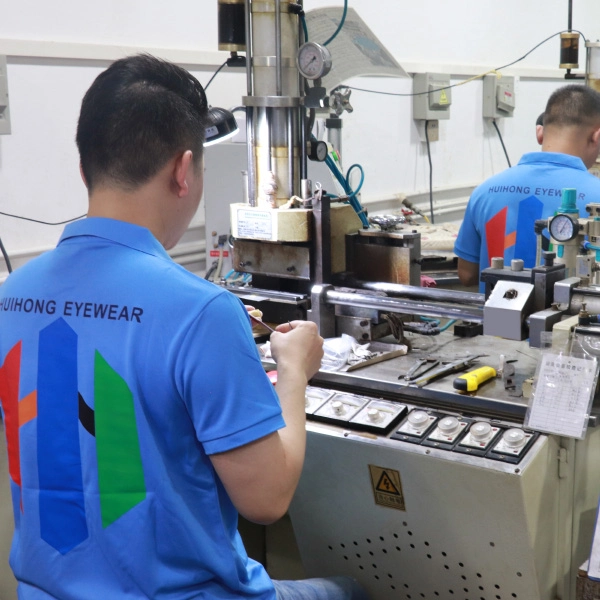
Structural standards: 5-barrel hinges with smooth, gap-free movement; symmetrical frame alignment with consistent pantoscopic tilt; dimensional tolerances within ±0.3mm for critical measurements.
Cosmetic standards: Uniform color and polish across all surfaces; flush joints with no visible gaps; crisp, accurately positioned logo application; distortion-free lens surfaces.
Compliance & performance: 100% UVA/UVB protection verified by spectrometry; impact resistance meeting ANSI Z80.3 / EN ISO 12312-1; nickel release compliance with REACH regulations; corrosion and sweat resistance testing for metal parts.
How to Select the Right Eyewear Manufacturing Partner
A strong manufacturing partner does more than produce orders—it supports your brand growth. Evaluate candidates on these key criteria.
Design & engineering capability: In-house 3D prototyping, feasibility assessment and ergonomic fit testing capabilities.
Material expertise: Proven experience across acetate, titanium and advanced polymers, with stable premium raw material supply chains.
Quality management system: Documented inspection procedures, multi-stage QC checkpoints and full production traceability.
Communication & project management: Dedicated account support, transparent progress updates and clear sample approval workflows.
Scalability & compliance: Capacity to handle both small custom batches and large production runs; certified compliance with ISO, CE and relevant international standards.
Common Sourcing Pitfalls to Avoid
Rushing the development phase: Custom OEM projects typically require 60–90 days for tooling and sampling. Cutting this short often leads to engineering issues in mass production.
Choosing by unit price alone: Low per-unit cost frequently comes with higher defect rates, rework costs and hidden fees. Evaluate total cost of ownership.
Vague specifications: Ambiguous design briefs cause interpretation errors. Always provide complete technical packages with drawings, color standards and acceptance criteria.
Skipping production samples: Never approve mass production based only on digital renders. Always validate a production sample made with actual tooling and materials.
Final Thoughts
Manufacturing premium glasses and sunglasses is a balance of design craftsmanship and industrial precision. Whether you choose OEM for full design control or ODM for speed to market, long-term success comes from partnering with a manufacturer that shares your commitment to quality, detail and consistent delivery.
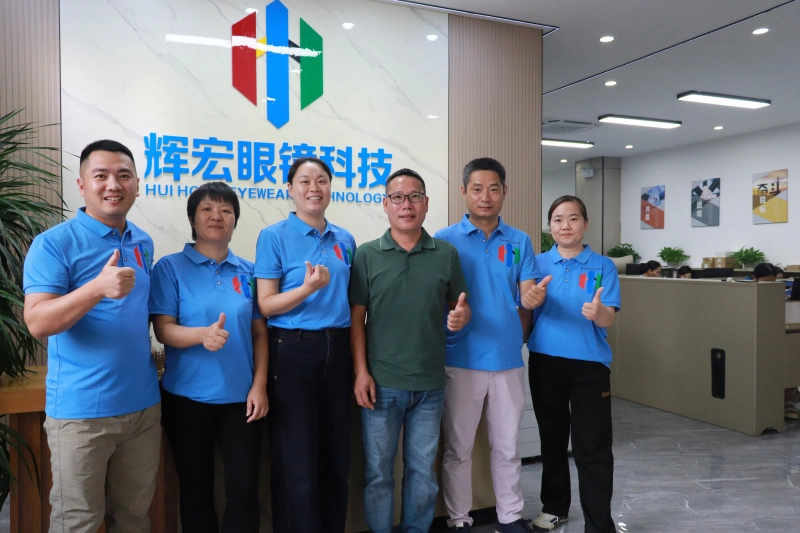
As a professional manufacturer specializing in high-end eyewear design, development and OEM/ODM production, we support brands worldwide in building refined, market-ready glasses and sunglasses collections—from initial concept to final delivery.