Most eyewear sourcing starts with a unit price: OEM at $8 per frame, ODM at $6. The lower number looks better. But that comparison misses where the real cost sits.
The difference between OEM and ODM eyewear manufacturing is not mainly per-unit price. It is when cost hits the balance sheet and who carries the risk. OEM front-loads tooling, sampling, and development. ODM spreads those costs across a factory’s existing platform. The true gap only appears when both models are measured over realistic volume, rejection rates, freight, and the cost of getting a design wrong.
The quote is not the cost
ODM looks cheaper because the factory has already absorbed the engineering: the mold exists, the polishing parameters are set, and the frame architecture is proven. The brand pays for color, logo, lens, and packaging changes.
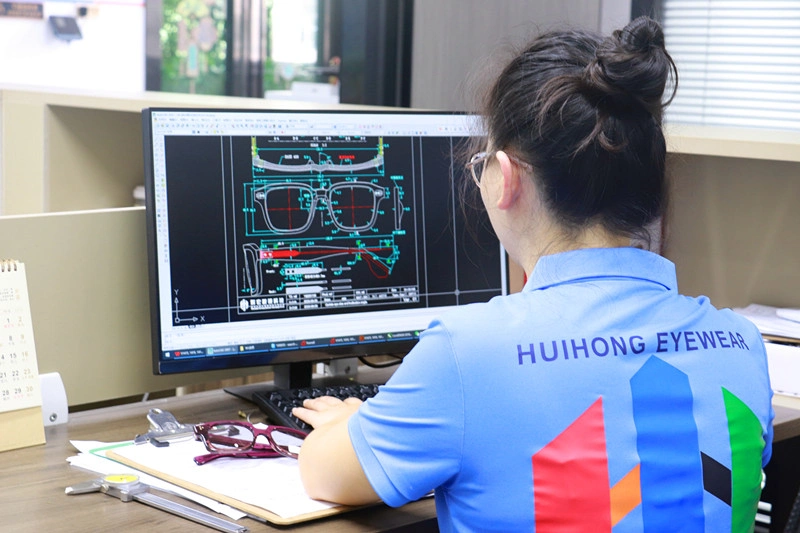
OEM reverses the sequence. The brand brings a CAD file or reference sample; the factory cuts tooling, runs prototypes, adjusts the mold, and then produces bulk. The scaled unit price can be lower than ODM—but only after one-time costs are absorbed.
Tooling and the amortization trap
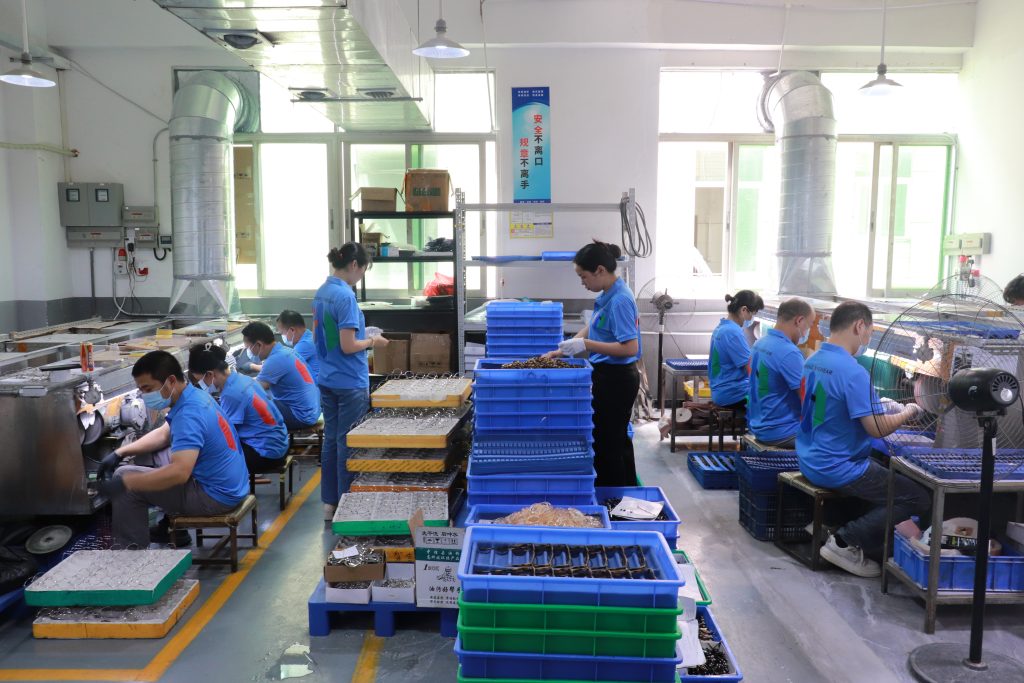
Tooling is the most common hidden cost in OEM eyewear production. For ODM, it is usually zero: the factory owns the mold and spreads its cost across many clients. The brand pays a modest unit premium—often 8–15% above an equivalent OEM unit cost—but avoids capital outlay.
For OEM, tooling is the entry ticket. Typical ranges:
Injection-molded frames: $1,000–$3,000 per design
Metal frames: $300–$500 per design, higher for complex constructions
High-end acetate or titanium: $1,500–$5,000 per style; full OEM tooling can reach $12,000–$20,000+
The critical number is not the tooling fee. It is the per-unit burden at the volume the brand can actually commit to.
A $12,000 tooling package over 5,000 pairs adds **$2.40 per frame**. Over 25,000 pairs, it adds **$0.48**. A $6,000 mold over 500 units adds **$12 per pair**; over 5,000 units, $1.20.
That is the first thing nobody explains upfront: OEM only becomes cost-competitive at volume. Below that volume, the brand is not buying a cheaper frame—it is buying a more expensive frame plus an asset it may never fully use.
The costs between quote and landed unit
Even after tooling is amortized, three more layers matter.
Sampling and revisions. OEM requires prototypes before bulk. Custom acetate samples can run $150–$600 each; titanium and beta-titanium samples commonly fall between $80 and $200. Revision cycles add cost that a unit price never reflects. ODM sampling is faster and cheaper because it modifies an existing platform.
Yield and rework. OEM unit prices assume a certain yield. If a new mold is still stabilizing, the brand absorbs rework or lost units. Budgeting 1–3% for returns or defects is standard, but custom hinges or difficult acetate laminations can push the real rate higher. ODM avoids much of this because the line has already run the design.
Landed cost. Factory quotes are FOB. Landed cost includes freight, insurance, duties, customs clearance, and in-country handling. Industry examples show a $6.00 FOB frame becoming an $8.80 landed unit once packaging, freight, duties, QA, warehousing, and tooling amortization are added. In 2026, tariff exposure on eyewear origin can swing landed cost by 15–25 percentage points depending on source country.
The cost that never appears in a spreadsheet: design lock-in
OEM gives the brand exclusivity. The mold, CAD file, and frame shape belong to the brand. No other label can sell the exact same silhouette. That protects pricing power.
ODM gives the factory design ownership. The brand can change color, logo, lens tint, and packaging, but the frame architecture remains available to other clients. For a brand testing a category or chasing a trend window, that trade-off is rational. For a brand building identity around a signature shape, ODM’s lower entry cost can become a ceiling on differentiation.
A simpler decision framework
Do not compare unit prices. Compare total cost of ownership across the product lifecycle:
Tooling amortized at MOQ and at 2× MOQ
Sampling and revision exposure
Yield assumptions and rework risk
Landed cost, including duties and tariffs
Strategic value of exclusivity
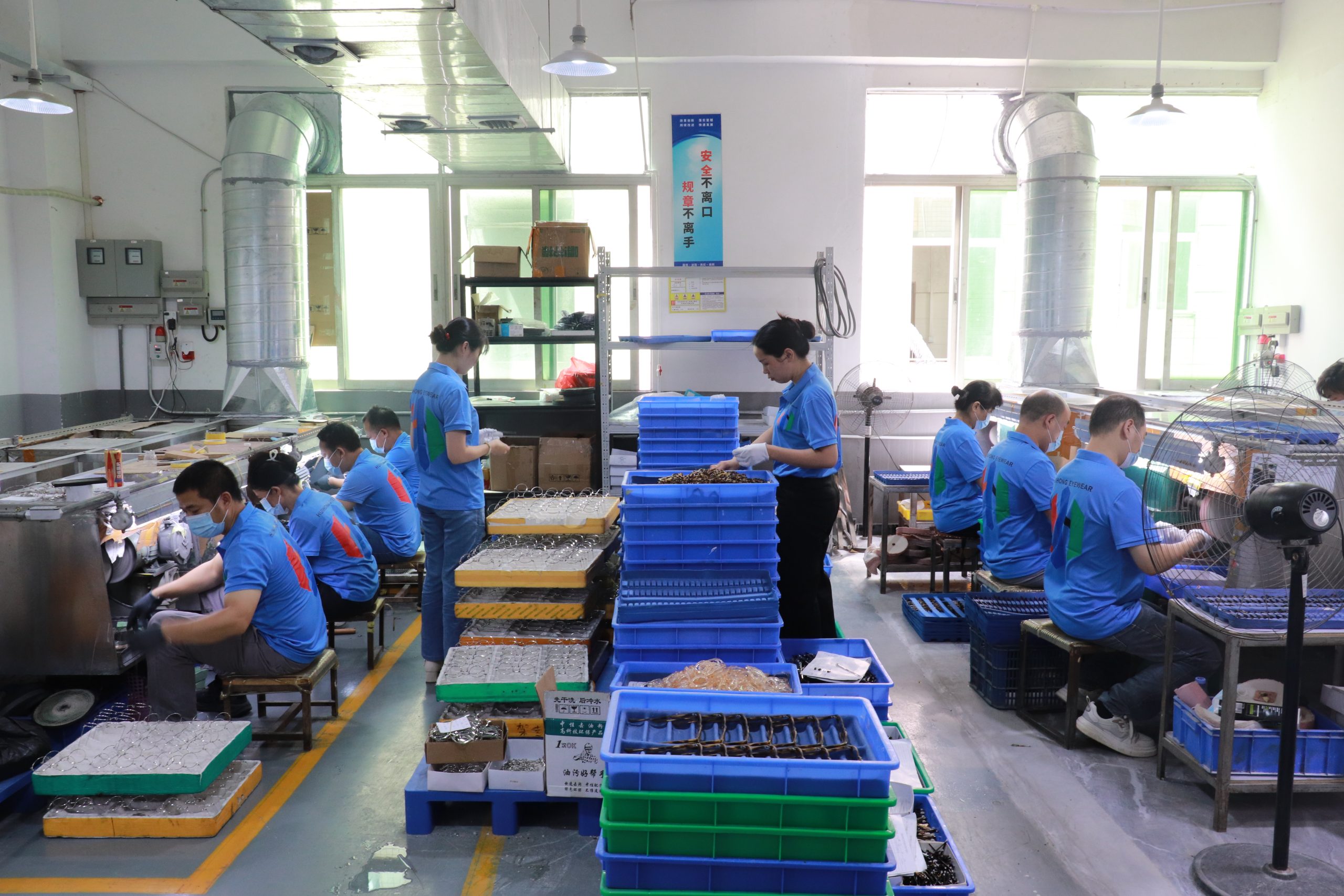
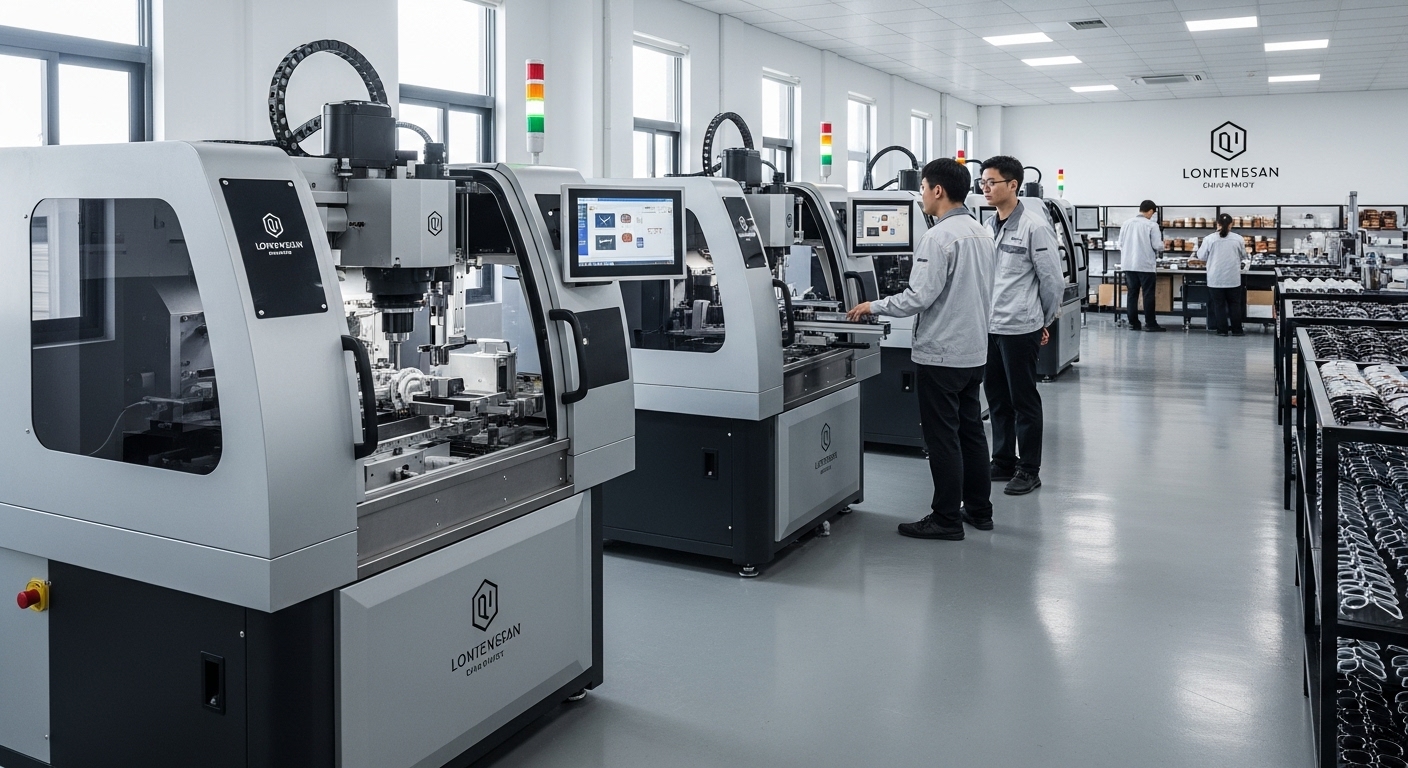
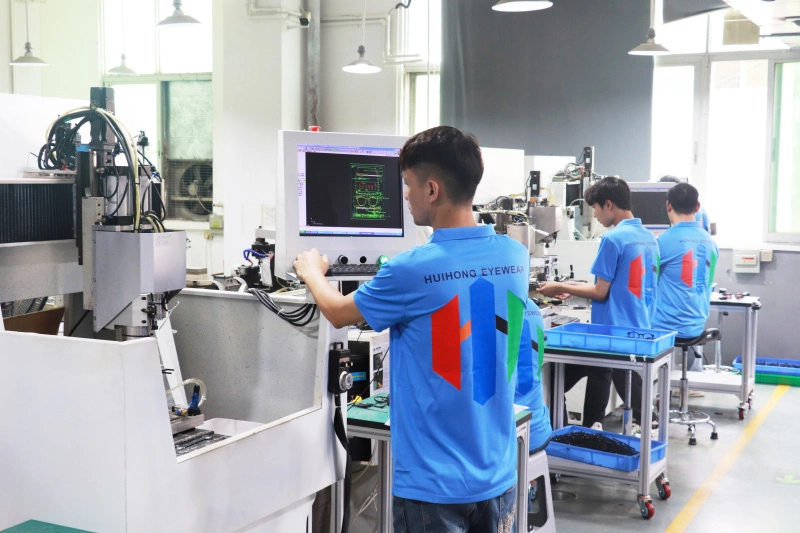
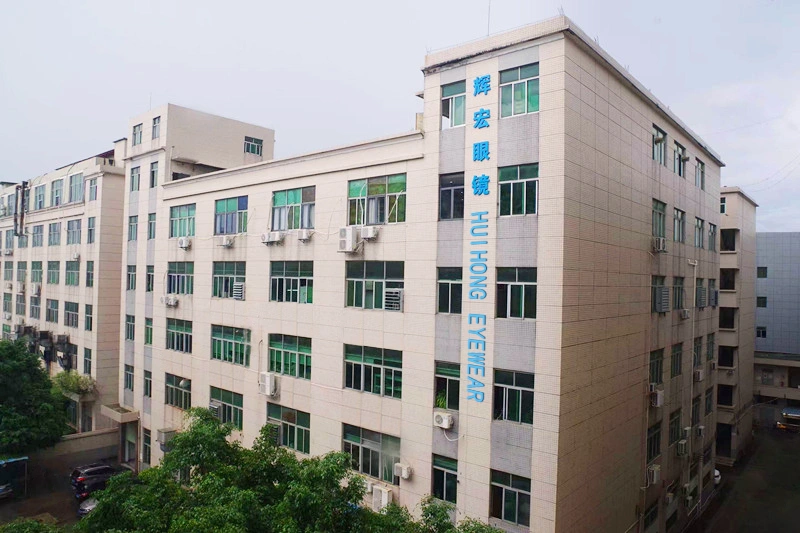
At Huihong Eyewear, we specialize in OEM/ODM production of high-end acetate, titanium, and metal frames for independent brands, designer labels, and premium retailers across Japan, Korea, Europe, and North America. From concept prototyping to bulk delivery, we help brands build cost models around the volume they can defend—not just the lowest quote.
The real OEM vs. ODM cost difference is not “OEM costs more.” It is: OEM front-loads cost to buy exclusivity and lower long-run unit economics; ODM back-loads cost by trading exclusivity for speed and capital efficiency. Which is cheaper depends on what the brand is actually buying.
FAQ
Is ODM always cheaper than OEM eyewear manufacturing?
Not always. ODM has lower upfront cost, but OEM can be cheaper per unit at high volume after tooling is amortized—and OEM provides design exclusivity.
How much does OEM eyewear tooling cost?
Typically $1,000–$5,000 per design for common frame types, with full OEM programs reaching $12,000–$20,000+ depending on materials and component count.
When should a brand choose ODM?
When speed, lower capital risk, and testing a trend matter more than owning an exclusive frame design.