The global eyewear market is booming, and for independent brands, designer labels, and premium retailers, choosing the right OEM partner is a make-or-break decision. This guide cuts through the noise—giving you the essentials on OEM/ODM, materials, low-MOQ production, quality control, and how to select a manufacturer that truly delivers.
OEM vs. ODM: What’s the Difference?
OEM (Original Equipment Manufacturer) – You provide the design, specs, and materials; the factory produces exactly what you specify. Best for brands with in-house design teams.
ODM (Original Design Manufacturer) – The factory offers its own designs; you choose, customize with your logo, and brand them. Ideal for faster time-to-market.
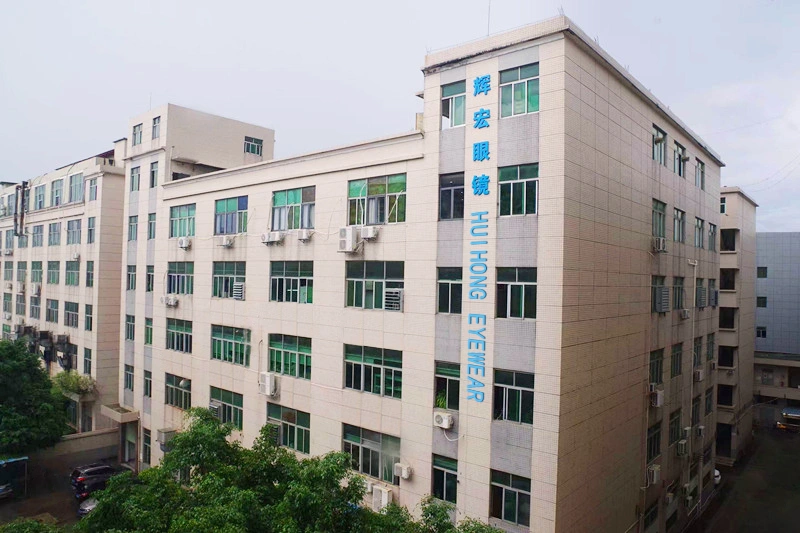
Many top-tier manufacturers (like Huihong Eyewear) support both models, giving you flexibility whether you come with CAD files or just a vision.
The 5‑Step Production Journey
Concept & Design – Sketches, mood boards, material recommendations.
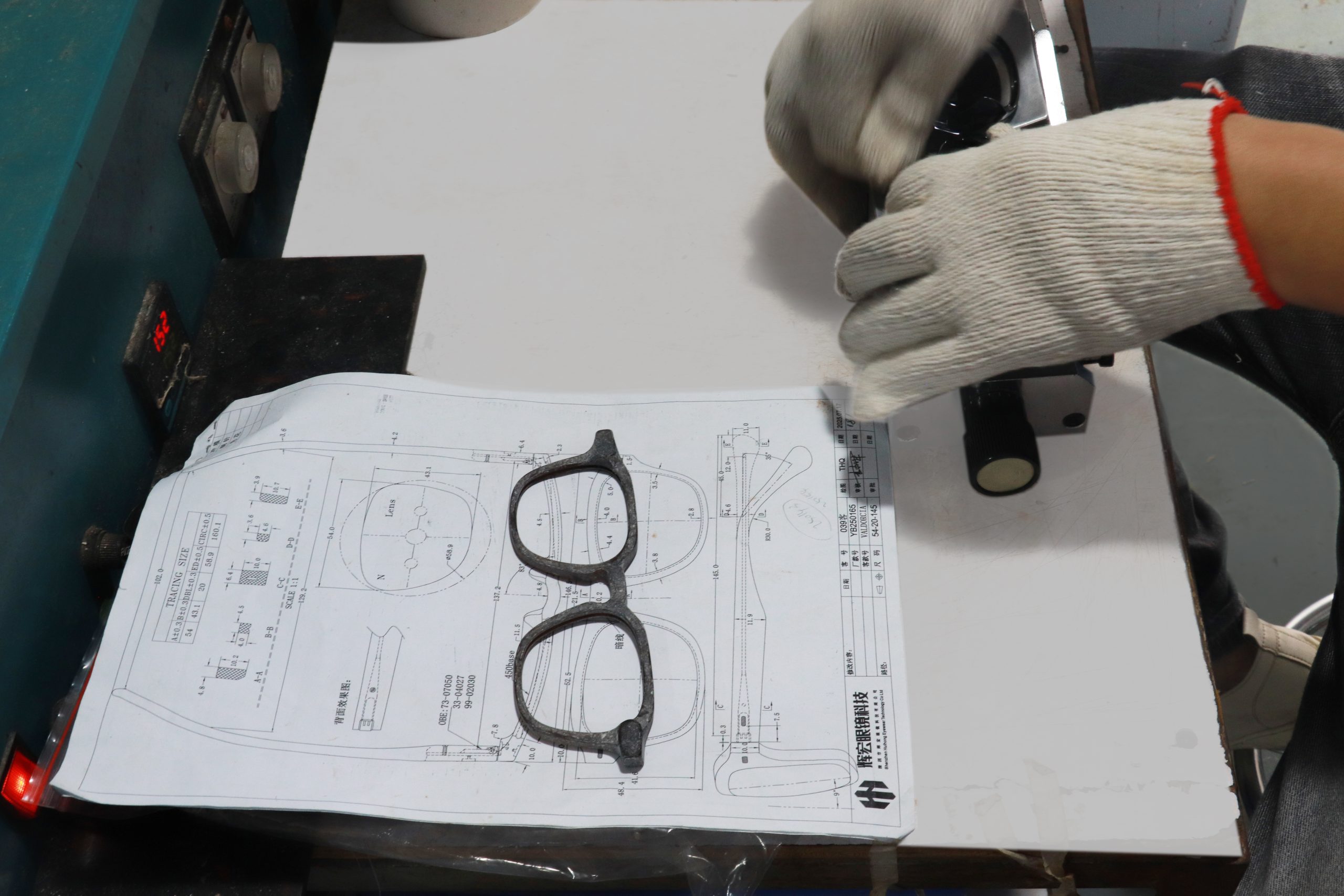
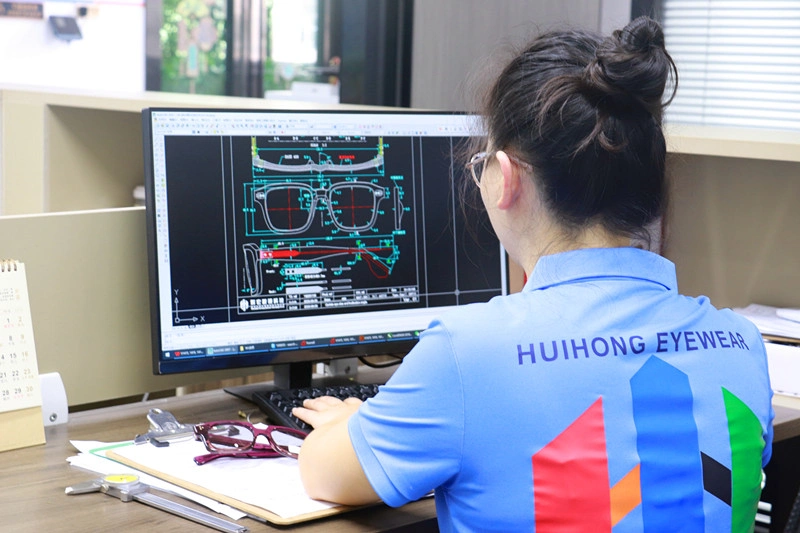
Engineering & 3D Sampling – CAD/CAM technical drawings, prototype iteration.
Material Sourcing – Premium acetates, titanium, or metal alloys.
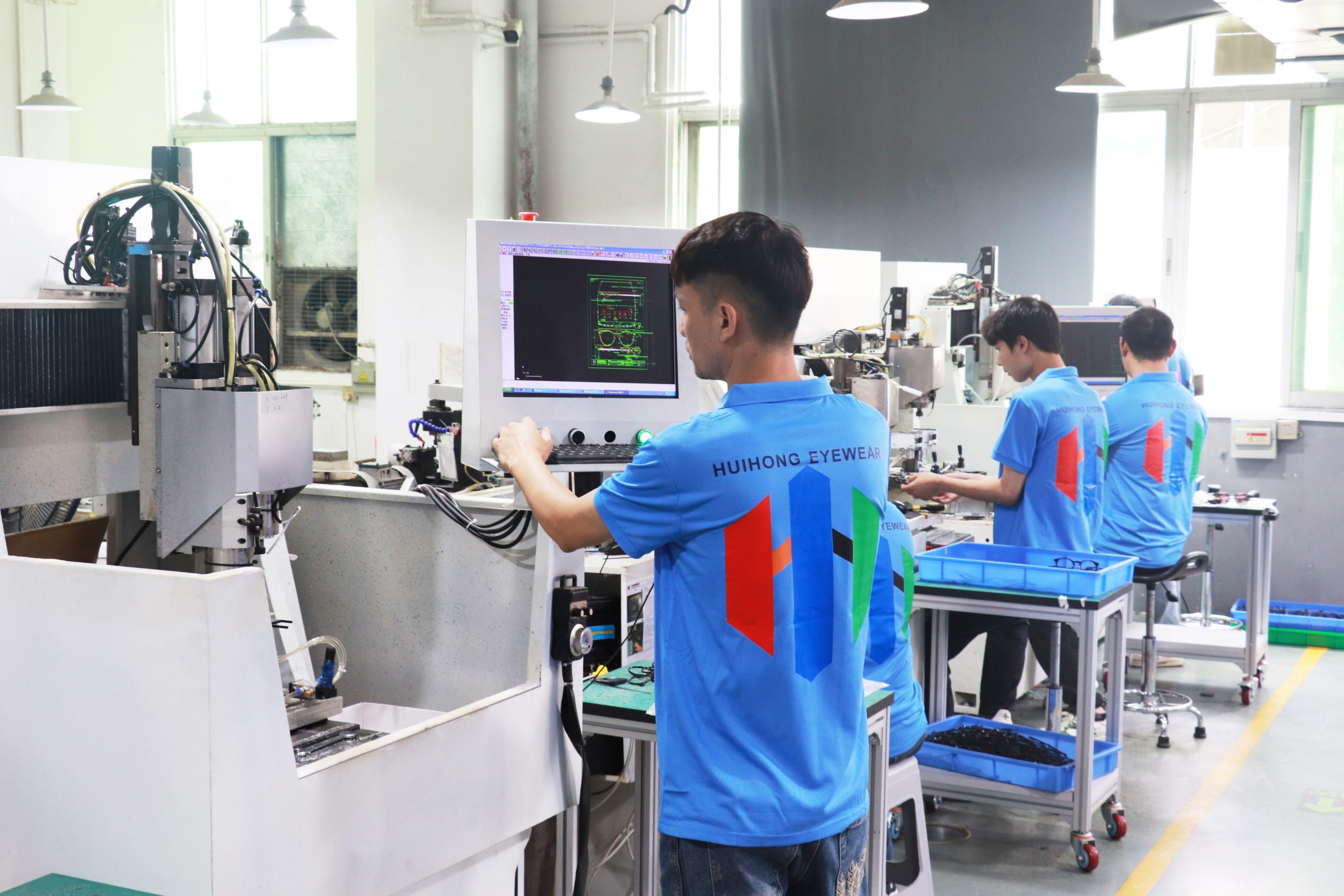
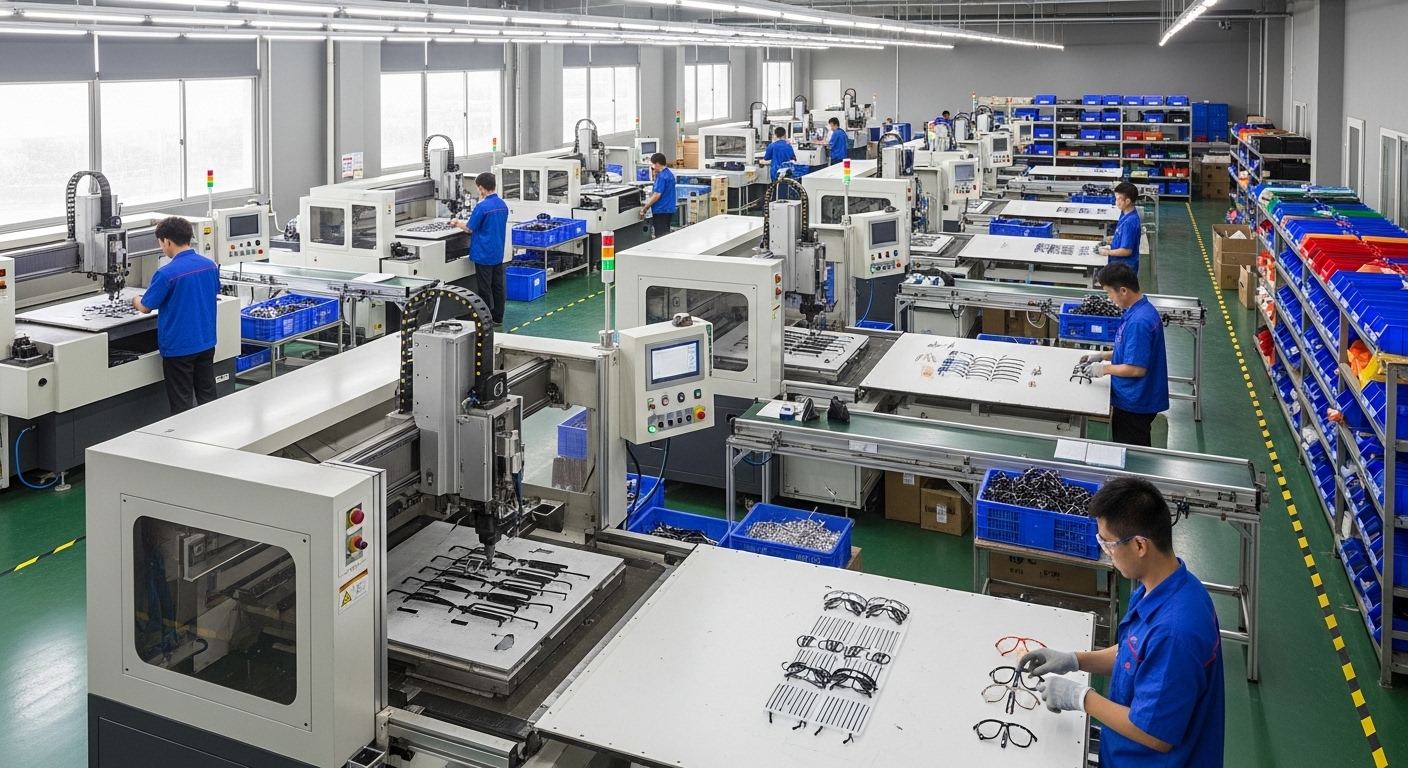
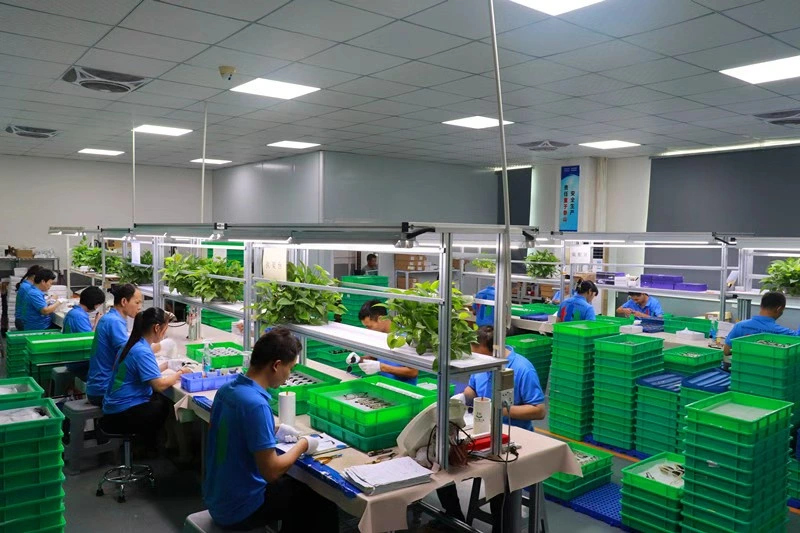
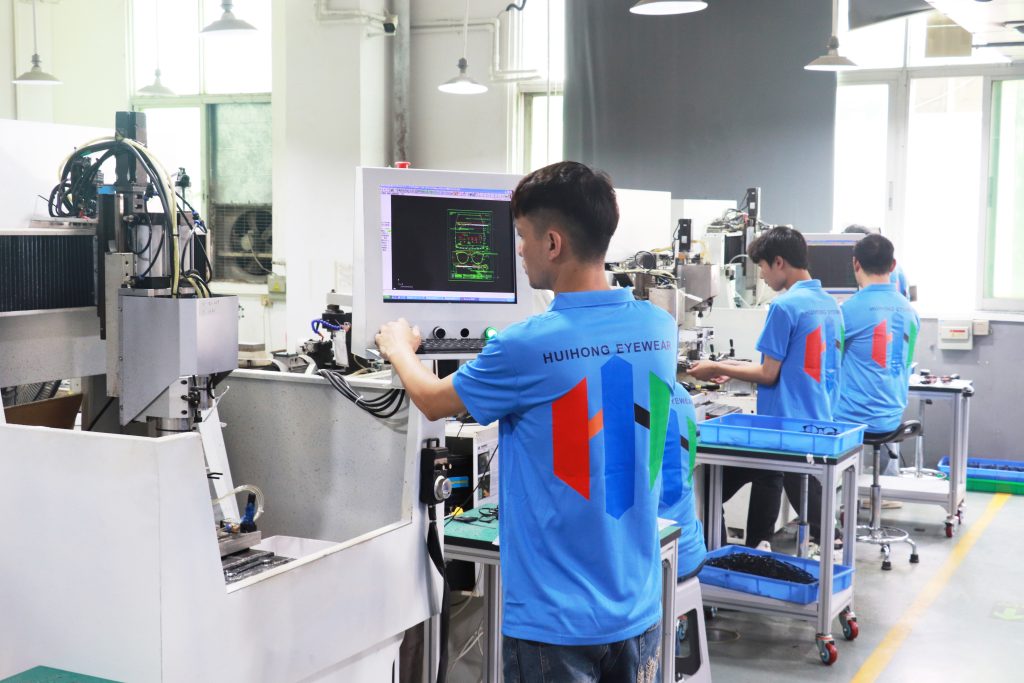
Production & Assembly – Precision cutting, polishing, assembly (up to 200 steps per pair).
Quality Control & Delivery – AQL inspections, compliance testing (ISO, ANSI, CE), packaging, and shipping.
Total turnaround typically ranges from 4 to 8 weeks, depending on complexity.
Material Choices That Define Quality

Choosing the right material directly impacts your brand positioning and customer satisfaction.
Low MOQ: A Game‑Changer for Emerging Brands
Gone are the days when you needed thousands of units to start. Today, many OEM manufacturers offer MOQs as low as 100–150 pieces per style—some even down to 25 units for sampling. This allows you to:
Test new collections with minimal risk
Launch limited editions
Scale production based on real demand
Low-MOQ capability is especially critical for DTC and TikTok Shop brands entering the market.
Quality & Compliance: Non‑Negotiable Standards
Before signing with any manufacturer, verify their certifications:
ISO 9001:2015 (Quality Management)
ISO 12312 (Eyewear safety)
ANSI Z80.1 (US standard)
CE marking (Europe)
FDA registration (for US sales)
A reliable partner will have in‑house QC teams and transparent testing protocols.
How to Choose the Right OEM Partner
Match their specialization – Acetate? Titanium? Metal? Choose a factory that excels in your core material.
Check MOQ flexibility – Ensure they can accommodate your launch volume.
Review their client portfolio – Experience with brands in Japan, Korea, Europe, or North America is a strong signal.
Ask about design support – Do they offer 3D sampling and engineering consultation?
Visit or audit – If possible, verify their production and QC processes.
Final Takeaway
Your manufacturing partner is more than a supplier—they are an extension of your brand. The best OEMs combine craftsmanship, flexibility, and speed to turn your vision into a market-ready product while you focus on growth.
For brands seeking a partner with deep expertise in acetate, titanium, and metal frames, low-volume customization, and a global track record with independent labels and premium retailers, the right relationship transforms production into a competitive advantage.