Introduction
The global eyewear market is projected to exceed USD 180 billion by 2028, driven by rising demand for sunglasses, prescription glasses, blue-light blockers, and smart eyewear. For brands looking to enter or expand in this booming industry, choosing the right manufacturing partner is one of the most critical decisions you will make.
Two terms dominate the eyewear manufacturing landscape: OEM and ODM. While many buyers use these words interchangeably, they represent fundamentally different production models with distinct implications for cost, control, speed, and brand identity.
This guide breaks down the differences between OEM and ODM eyewear factories, helping you determine which model best fits your brand’s stage, resources, and strategic goals.
What Is OEM Eyewear Manufacturing?
OEM (Original Equipment Manufacturer) is a model where the factory manufactures products based exactly on the client’s design specifications.
In eyewear, this means:
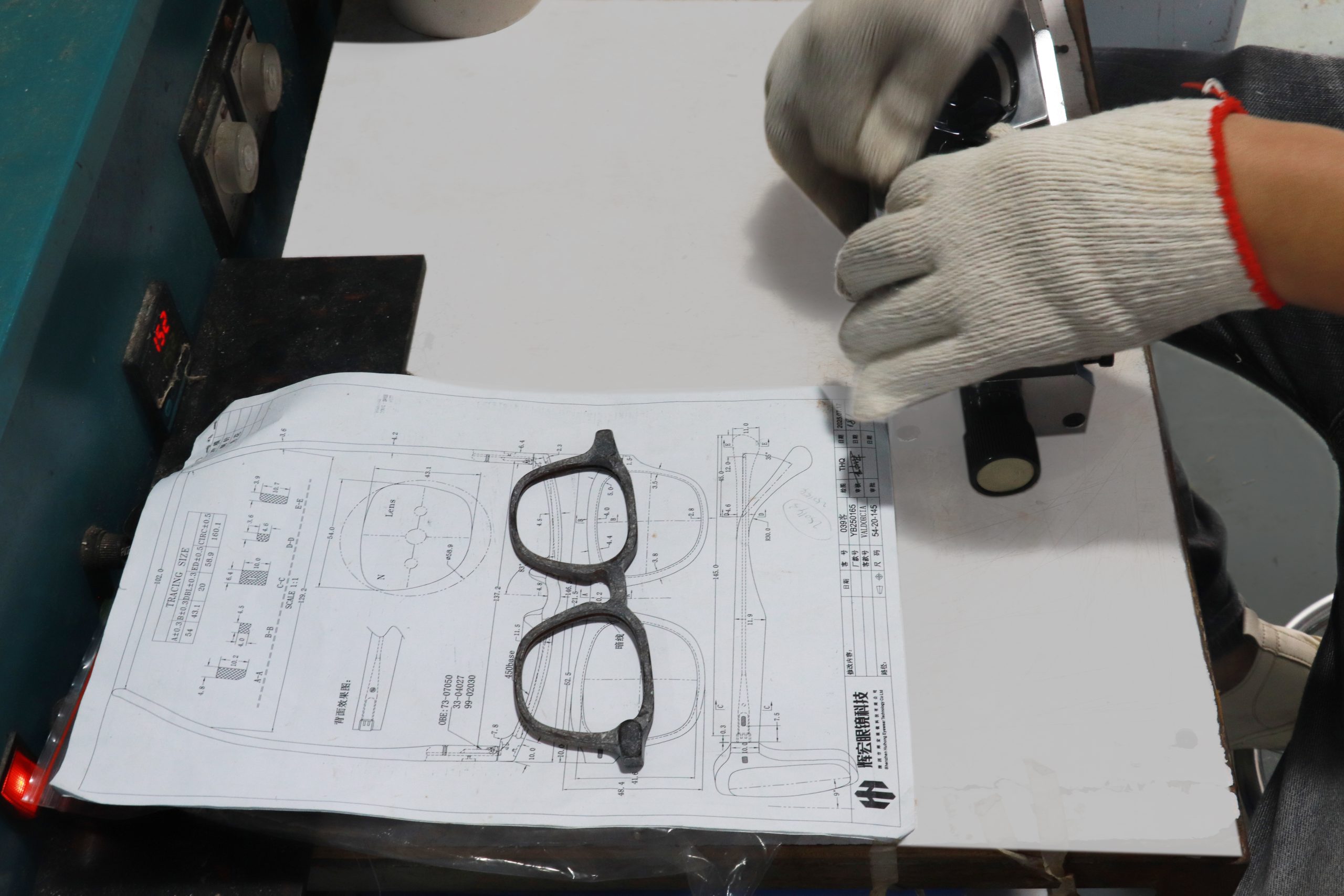
The brand provides detailed specifications—frame shape, materials, colors, dimensions, logo placement, packaging
The factory focuses on efficient production and quality execution
The design and intellectual property belong entirely to the brand
The brand retains full creative control over the final product
Example: You send your acetate frame design with specific color codes and temple dimensions to a factory, and they produce it exactly as instructed.
Who Is OEM Best For?
OEM production is ideal for:
Established brands with their own design teams and clear product direction
Brands seeking exclusive, one-of-a-kind frames that cannot be found elsewhere
Companies that want full ownership of their designs and molds
Premium and luxury brands where product differentiation is paramount
OEM: Costs and Lead Times
Bulk production typically takes around 3 months for acetate and metal frames, and 30–40 days for injection-molded frames.
What Is ODM Eyewear Manufacturing?
ODM (Original Design Manufacturer) is a model where the manufacturer provides complete design solutions—from concept to finished product.
In eyewear, this means:
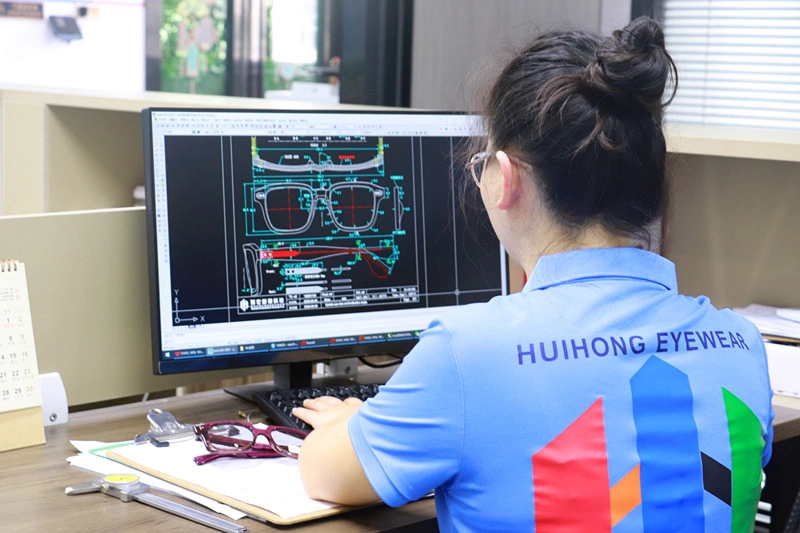
The factory has an in-house design team creating market-ready concepts
Brands can browse existing designs and request adjustments (color changes, logo addition, packaging customization)
The factory shares more of the development risk
Designs are typically not exclusive unless negotiated otherwise
Example: You browse a catalog of sunglass designs, tweak the color and material, add your logo, and launch the product.
Who Is ODM Best For?
ODM production is ideal for:
Startups and new brands testing the market with limited budgets
Brands needing fast market entry without lengthy design cycles
Companies focused on marketing and brand-building rather than product development
Brands wanting to reduce upfront investment in design and tooling
ODM: Costs and Lead Times
The trade-off? Lower uniqueness. Multiple brands may sell similar frames if they choose the same ODM designs.
OEM vs. ODM: Key Differences at a Glance
How to Choose: OEM or ODM?
Choose OEM If:
You have unique design capabilities—your brand has a distinct aesthetic and you want to protect it
You need original product structures or special design details
You have a loyal audience that expects exclusive, brand-specific products
You can commit to higher MOQs and longer development cycles
Product differentiation is critical to your competitive advantage
Choose ODM If:
You are new to the eyewear industry or testing the market
You have a tight budget and limited timeline
You want to reduce upfront investment in design and development
You need to launch fast with proven, trendy styles
You are focused on marketing and distribution rather than product innovation
The Hybrid Approach: ODM + Semi-Custom
Many brands don’t have to choose purely OEM or ODM. A hybrid model allows you to:
Start with ODM designs to test demand with minimal investment
Gradually introduce custom elements—materials, colors, hardware, packaging
Transition to full OEM once you’ve validated your market and built brand awareness
As one manufacturer notes: “We’ve seen many brands insist on OEM right away, thinking it’s more ‘premium.’ Then they pay thousands in mold fees without testing demand first. Most of them could have started with ODM or a hybrid approach.”
Why Partner with Huihong Eyewear?
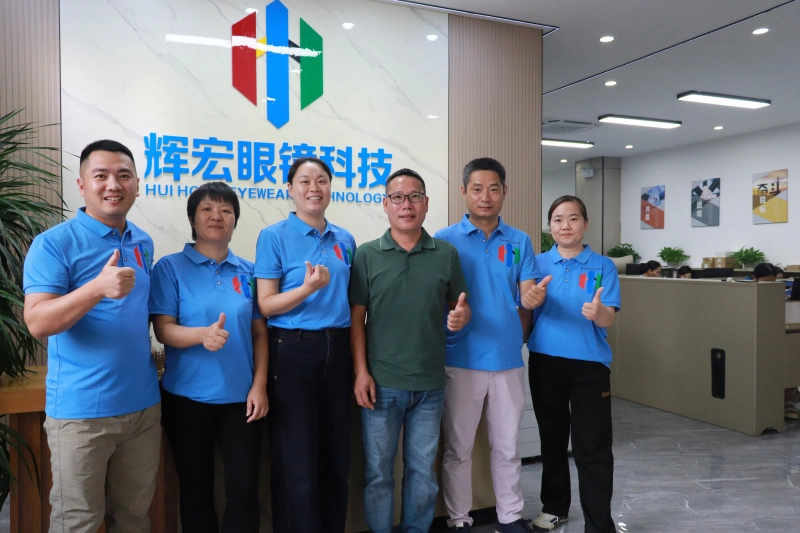
Huihong Eyewear is a specialized manufacturer dedicated to the design, development, and OEM/ODM production of high-end eyewear.
What Sets Huihong Apart
Expertise in Premium Materials
We specialize in acetate, titanium, and metal frames—materials that define quality in the eyewear industry. Our craftsmanship ensures every pair meets the highest standards of durability, comfort, and aesthetic appeal.
Low-Volume, High-Quality Custom Production
Unlike factories that demand massive minimum orders, we excel in low-volume, high-quality custom production. This makes us the ideal partner for:
Independent brands launching exclusive collections
Designer labels testing new concepts
Premium retailers requiring limited-edition runs
End-to-End Support
From concept prototyping to bulk delivery, we support brands through every step of the journey—with flexibility, speed, and precision. Our development process includes:
Reviewing sketches, samples, or product ideas
Assessing feasibility and development direction
Discussing materials, lenses, logo details, and packaging
Producing samples for approval
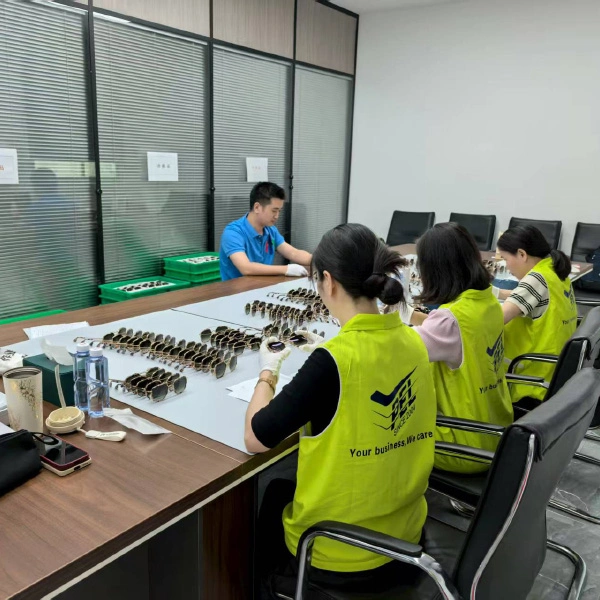
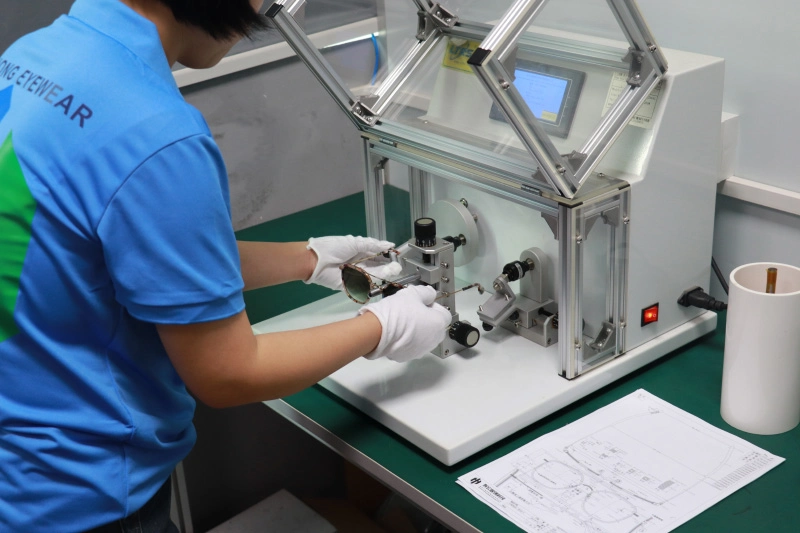
Moving into bulk production with rigorous quality control
Global Trust
Our clients span Japan, Korea, Europe, and North America—markets that demand excellence. Many return to us not just for quality, but for trust and shared value. We understand that eyewear is not just a product; it’s an extension of your brand identity.
Comprehensive Quality Control
We implement full-process quality control from raw material sourcing to final inspection. Our quality standards ensure that every frame meets international compliance requirements, giving you confidence in every shipment.
The Eyewear Market Opportunity
The eyewear industry is experiencing unprecedented growth. Key drivers include:
E-commerce and DTC boom—new eyewear brands are emerging daily, seeking flexible, fast, and scalable manufacturing partners
Personalization trends—consumers want custom frame styles, brand logo engraving, and eco-friendly packaging
Sustainability demand—buyers from Europe and North America are actively sourcing from factories using eco-friendly materials
Emerging markets—Southeast Asia, Latin America, and Africa are opening up, with local brands seeking low-MOQ partnerships
For brands ready to capitalize on these opportunities, choosing the right manufacturing model—and the right partner—is essential.
Conclusion: Align the Model with Your Brand
There is no one-size-fits-all approach to eyewear manufacturing. The choice between OEM and ODM depends on:
Your brand’s maturity and design capacity
Your investment scope and timeline
Your market expectations and differentiation strategy
OEM gives you full creative control and exclusivity—ideal for established brands with clear design direction.
ODM offers speed and lower upfront costs—perfect for startups and market testing.
A hybrid approach allows you to evolve from ODM to OEM as your brand grows.
Huihong Eyewear supports both models with equal expertise. Whether you bring your own designs or need our design team to bring your vision to life, we are committed to delivering exceptional craftsmanship and reliable service.