Metal optical frames are experiencing a significant resurgence in the eyewear industry. After years of acetate domination, lighter, sharper, and more refined metal designs are once again setting the direction for the season. For brands, retailers, and optical professionals looking to source or develop premium metal eyewear, understanding the nuances of materials, manufacturing processes, and current trends is essential. This guide provides a comprehensive overview of everything you need to know about metal optical frames—from material selection to OEM/ODM production considerations.
Why Metal Optical Frames? Key Advantages
Metal frames offer a distinct set of benefits that make them a perennial favorite in the optical market:
Lightweight Comfort. Premium metals like titanium and beta titanium enable extraordinarily lightweight constructions. Some titanium frames weigh as little as 3 grams—lighter than a sheet of A4 paper. This featherlight quality ensures all-day comfort without the pressure points often associated with heavier frames.
Exceptional Durability. High-grade metals such as titanium, stainless steel, and beta titanium offer superior strength-to-weight ratios. Frames crafted from these materials resist bending, corrosion, and everyday wear, providing longevity that consumers value.
Design Versatility. Metal’s inherent strength allows for intricate, minimalist silhouettes that would be impossible with other materials. From ultra-slim wire frames to bold geometric shapes, metal enables designers to push creative boundaries.
Adjustability and Fit. Metal frames—particularly those with adjustable nose pads—offer superior customization for diverse facial structures. The natural flexibility of materials like stainless steel allows frames to adapt to individual contours.

Key Materials in Premium Metal Optical Frames
Titanium and Beta Titanium
Titanium is widely regarded as the gold standard in high-end metal eyewear. Revered for its durability, understated luster, and hypoallergenic properties, titanium requires exceptional skill to craft into finished frames. Beta titanium—a titanium alloy with enhanced flexibility—is increasingly popular for temples and components that require a degree of spring and adaptability.
Stainless Steel
Stainless steel offers an excellent balance of durability, corrosion resistance, and affordability. High-grade nickel-free recycled stainless steel (such as AISI 304L) is gaining traction among environmentally conscious manufacturers. Stainless steel’s natural flexibility contributes to comfortable, adaptable frames.
Combination Constructions
Many contemporary designs combine materials for optimal performance. Hybrid constructions might pair a stainless steel front with beta titanium temples, or integrate titanium with acetate temple tips for enhanced comfort and aesthetic contrast. These material combinations allow manufacturers to leverage the strengths of each metal while minimizing weaknesses.
The Manufacturing Process: From Concept to Finished Frame
Understanding the production process is critical for brands considering OEM or ODM partnerships. A typical metal frame manufacturing workflow includes:
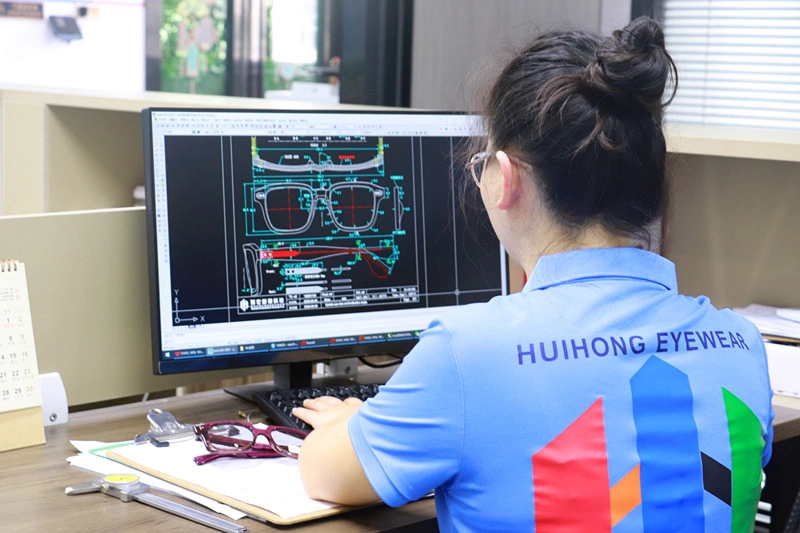
1. Design and Engineering. Using CAD/CAM software, designers translate concepts into precise technical specifications. This phase includes feasibility reviews and material discussions.
2. Material Selection and Sourcing. Choosing the appropriate metal alloy—whether titanium, stainless steel, beta titanium, or others—determines the frame’s weight, durability, flexibility, and cost profile.
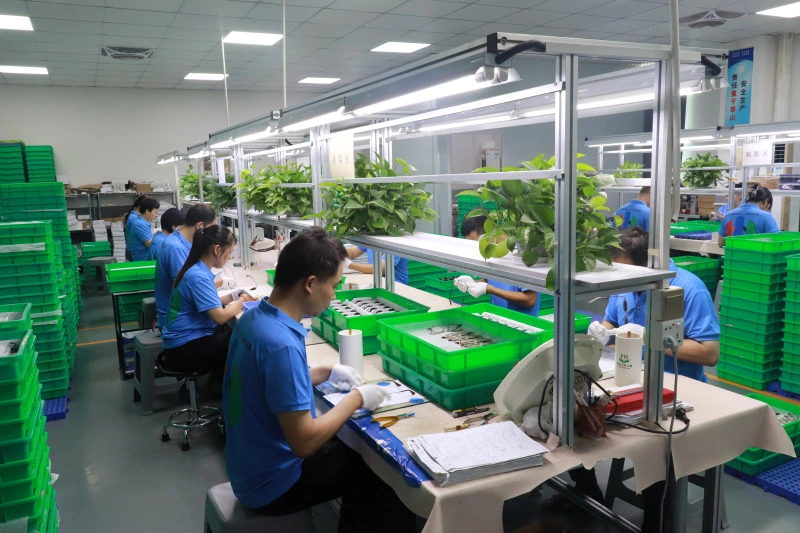
3. Forming and Stamping. Metal components are shaped through processes like winding and stamping, often completed by skilled artisans. Precision is paramount at this stage.
4. Welding and Assembly. High-precision methods like laser welding and argon welding join components together. Argon welding is particularly preferred for titanium frames, as it guarantees high-quality finishes. Laser welding offers exceptional accuracy for intricate metal rimless and semi-rimless designs.
5. Surface Treatment and Finishing. Frames undergo surface treatments including painting, plating, and specialized techniques like soft-touch processing. PVD (Physical Vapor Deposition) coating is increasingly used for durable, premium color finishes.
6. Quality Control and Packaging. Finished frames are inspected for dimensional accuracy, finish quality, and structural integrity before packaging and shipment.
Current Trends in Metal Optical Frames for 2026
The metal frame category is evolving rapidly. Here are the key trends shaping the market:
Minimalist and Geometric Designs. Corporate Chic and “Office Siren” aesthetics are driving demand for minimalist metal frames with sharp angles and clean lines. These styles often incorporate blue-light filtering for digital-heavy environments.
Dual-Color Finishes. Metal frames are being redefined with dual-color finishes—such as inner gold and outer black—adding fresh perspectives to classic gold, rose gold, and black colorways.
Rimless and Semi-Rimless Styles. Silver metal frames and rimless options have emerged as a counterpoint to thick acetate, offering a lighter, more refined aesthetic. Brands are moving toward lighter constructions and sharper geometry.
Reflective and Metallic Lenses. Metallic lens finishes in silver, chrome, and gold bring bold, expressive styling that aligns with confident fashion statements.
OEM/ODM Considerations for Metal Optical Frames
For brands looking to develop private-label or custom metal optical frames, partnering with the right manufacturer is critical. Here are key considerations:
Material Expertise. Ensure your manufacturing partner has proven experience with your chosen materials—particularly titanium and beta titanium, which require specialized welding and finishing techniques.
Technology Investment. Look for manufacturers with investments in CAD/CAM design, automated polishing lines, and laser welding capabilities. These technologies directly impact frame quality and consistency.
Customization Capabilities. Confirm whether the supplier offers comprehensive OEM/ODM support including design collaboration, custom color development, logo branding, and packaging customization.
Quality Standards. Premium manufacturers should demonstrate rigorous quality control processes and compliance with international optical standards.
Minimum Order Quantities. Metal frames—particularly titanium models—often have higher MOQs due to material costs and production complexity. Clarify MOQ requirements early in the selection process.
Final Thoughts
Metal optical frames represent a sophisticated blend of form and function. With advancements in materials science, manufacturing technology, and surface finishing, today’s metal frames offer unprecedented levels of comfort, durability, and aesthetic refinement. Whether you’re a brand developing a new collection or a retailer curating your product mix, understanding the technical and market dimensions of metal eyewear will position you for success in this dynamic category.
For brands seeking a manufacturing partner with deep expertise in premium metal optical frames, the key is finding a partner who combines technical mastery with design sensibility—someone who understands that great eyewear is as much about the wearer’s experience as it is about the frame itself.